
When it comes to luxury hotels, one expects an experience fit for a king or queen. So, when I set foot in the Jehan Numa Palace hotel in Bhopal, I couldn’t help but let my imagination run wild. As I stepped into this regal abode, I was greeted by a sense of tranquility and a subtle air of nostalgia. While there were some areas that could benefit from improvement, overall, my stay at Jehan Numa Palace left me with a fond appreciation for its unique offerings.
I can’t write about my stay without making a mention of the hotel’s rich history. The history of Jehan Numa Palace Hotel is intertwined with the rich heritage and royal lineage of Bhopal. Originally built as a residence for the Begums (female rulers) of Bhopal, the palace has witnessed a remarkable transformation over the years, evolving into the hotel that stands today.
The foundation of Jehan Numa Palace dates back to the late 19th century when it was commissioned by General Obaidullah Khan, the Prime Minister of Bhopal, as a gift for his eldest daughter, Sultan Jahan Begum. Construction began in 1890, and the palace took nearly a decade to complete. It was designed by a French architect and featured an amalgamation of European and Indo-Islamic architectural styles, showcasing intricate details and opulent embellishments.

After its completion, Jehan Numa Palace became the residence of Sultan Jahan Begum, who was known for her progressive and visionary leadership. She was one of the first female rulers in India and played a significant role in modernizing Bhopal. During her reign, the palace served as a cultural hub, hosting grand gatherings, royal ceremonies, and literary gatherings that attracted eminent poets, writers, and scholars of the time.

Over the years, Jehan Numa Palace witnessed the succession of several Begums and the changing political landscape of India. In 1950, following the merger of Bhopal State with the Indian Union, the palace was converted into a heritage hotel, marking the beginning of a new chapter in its history. The hotel aimed to preserve the architectural splendor and historical significance of the palace while providing a luxurious retreat for visitors.
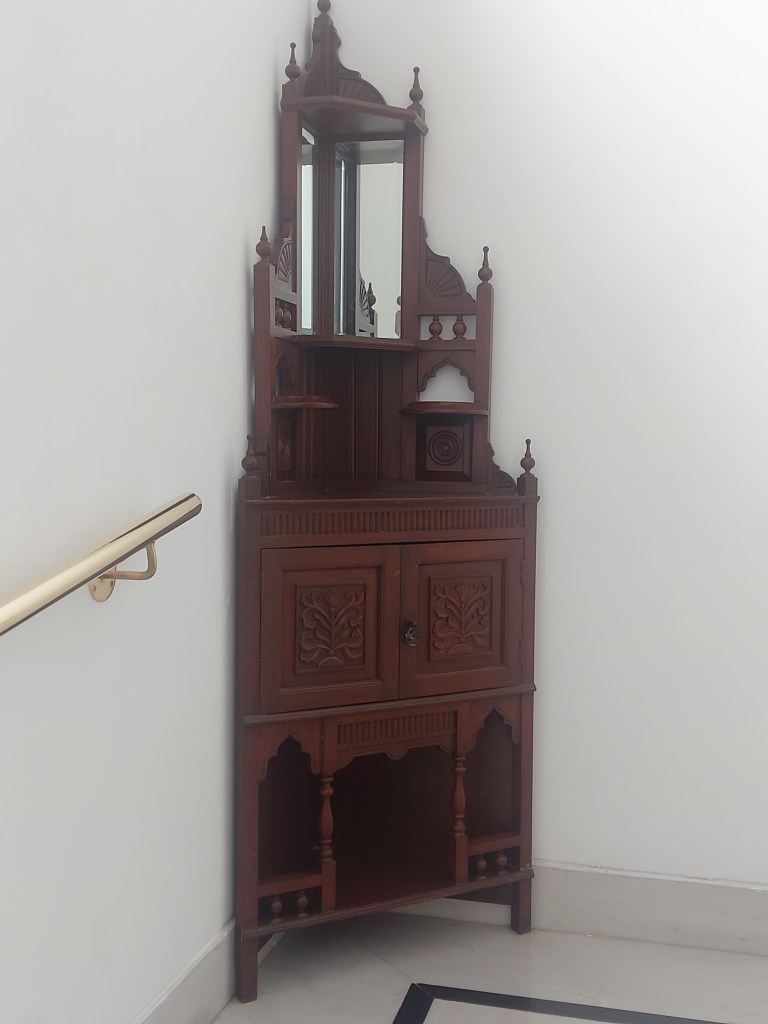
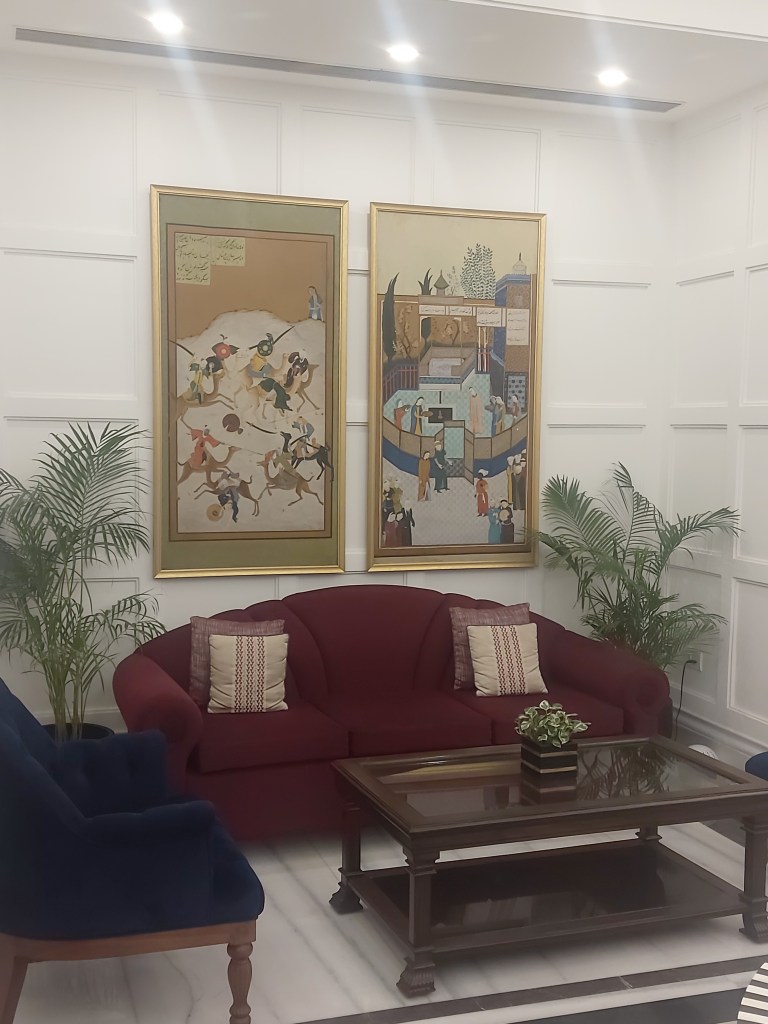
Since its transformation into a hotel, Jehan Numa Palace has undergone numerous renovations and expansions to enhance its facilities and accommodate the growing demand for luxury hospitality. Despite these changes, the hotel has meticulously preserved its original character, with careful attention given to maintaining the intricate artwork, antique furniture, and architectural details that reflect the regal era of the Begums.
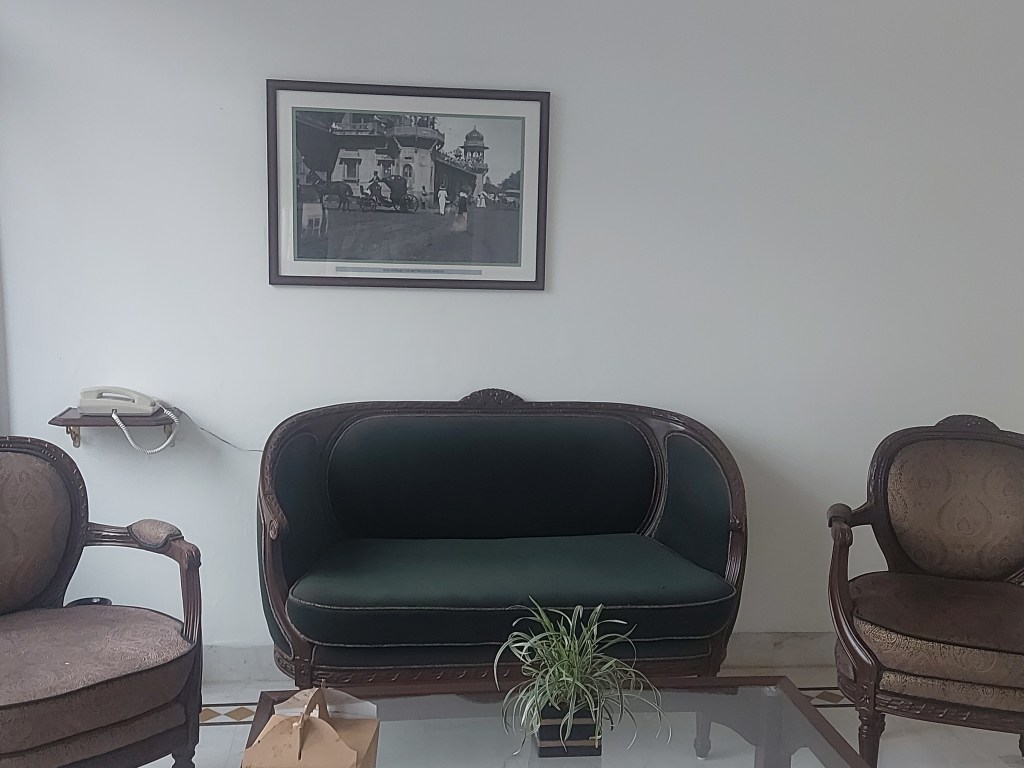
Today, Jehan Numa Palace Hotel stands as a testament to the rich history and cultural heritage of Bhopal. It offers a glimpse into the royal past, allowing guests to experience the grandeur and elegance that once characterized the palace. The hotel’s museum showcases a remarkable collection of artifacts and photographs, narrating the story of Bhopal’s royal legacy and the palace’s journey from a seat of power to a haven of hospitality.
Now, Let’s start with the positives. The hotel’s exterior is undeniably majestic, reminiscent of a bygone era. The grand architecture and lush green surroundings create an aura of opulence. It would have been great if the level of care and attention to detail also extended to the interior.
Upon entering the lobby, I was greeted by a musty smell that seemed to linger in the air. The staff, though not overly effusive, were courteous and attentive, ready to assist whenever needed.
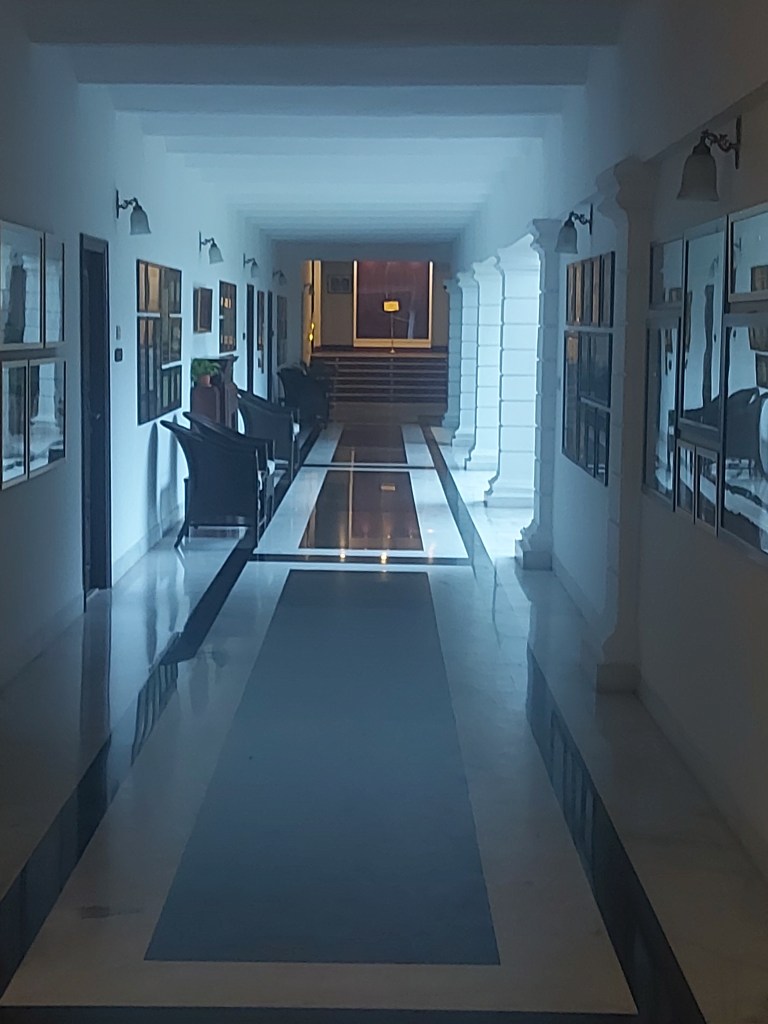


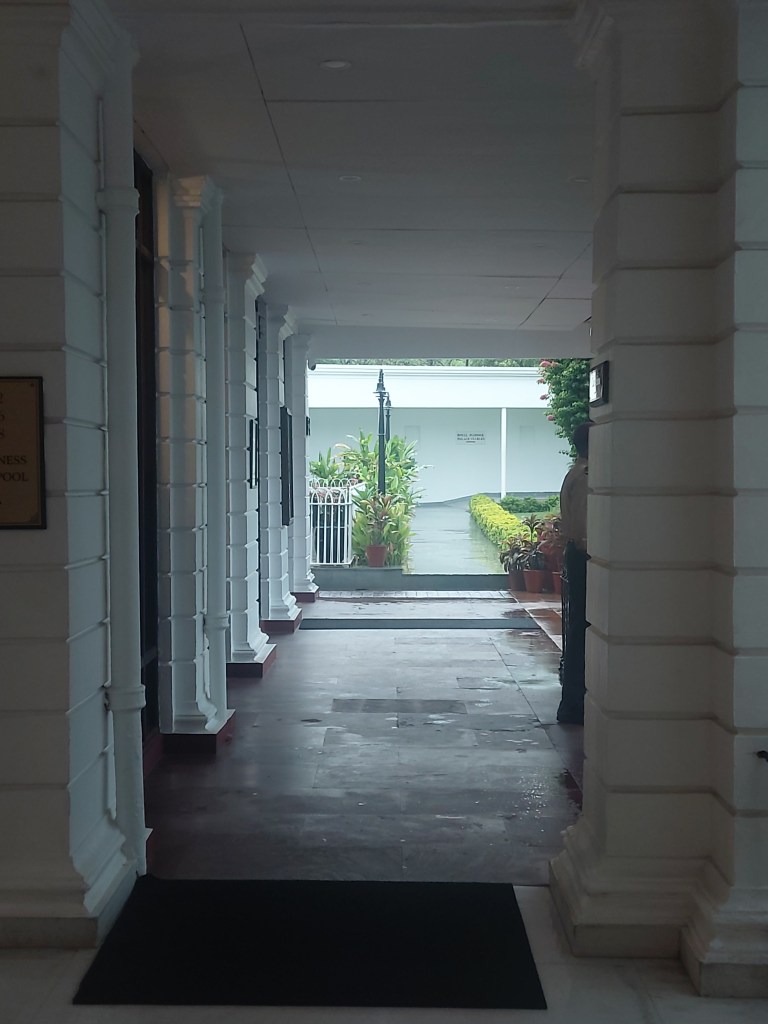
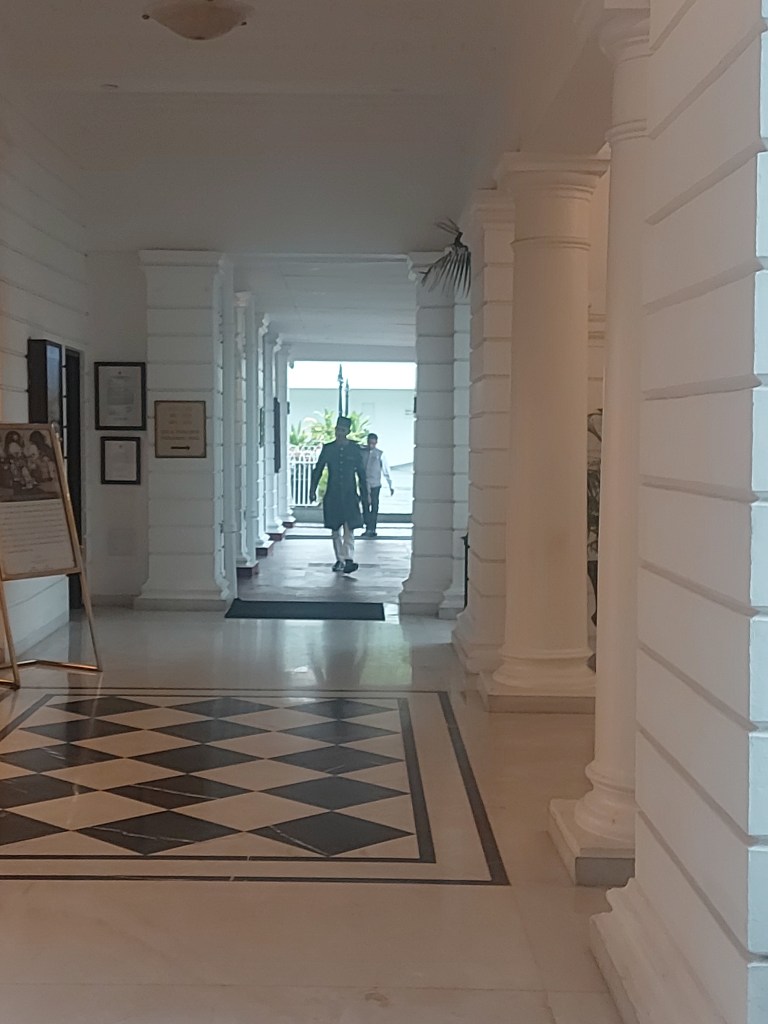
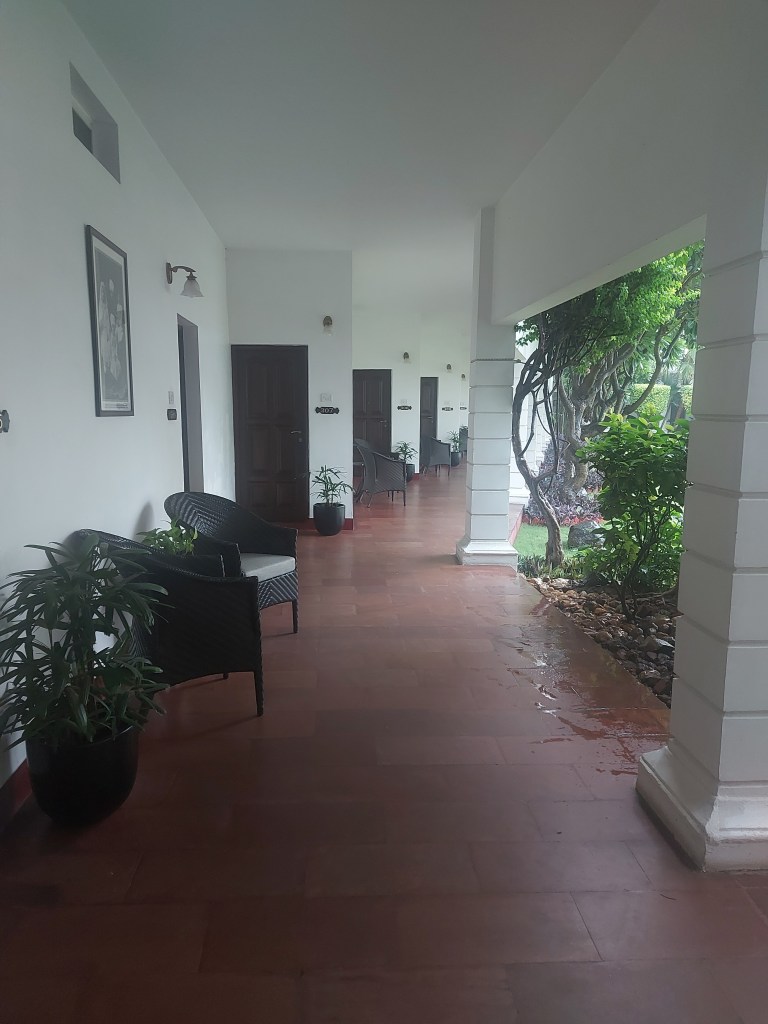
As I made my way to my room, the corridors revealed some signs of wear and tear. It was clear that the hotel is in need of a little renovation. The room itself, though spacious, was a mishmash of styles that lacked cohesion. The furniture looked dated, and the bed could have been more comfortable. The bathroom, although clean, was unremarkable and lacked the modern amenities one would expect from a hotel of this caliber.

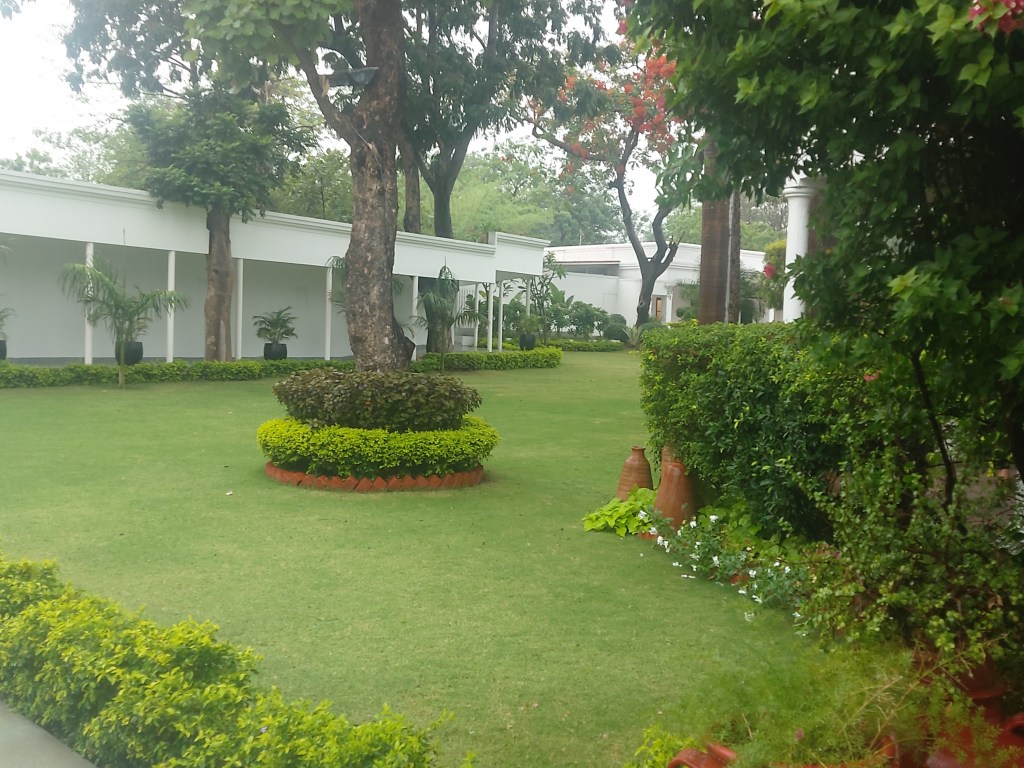
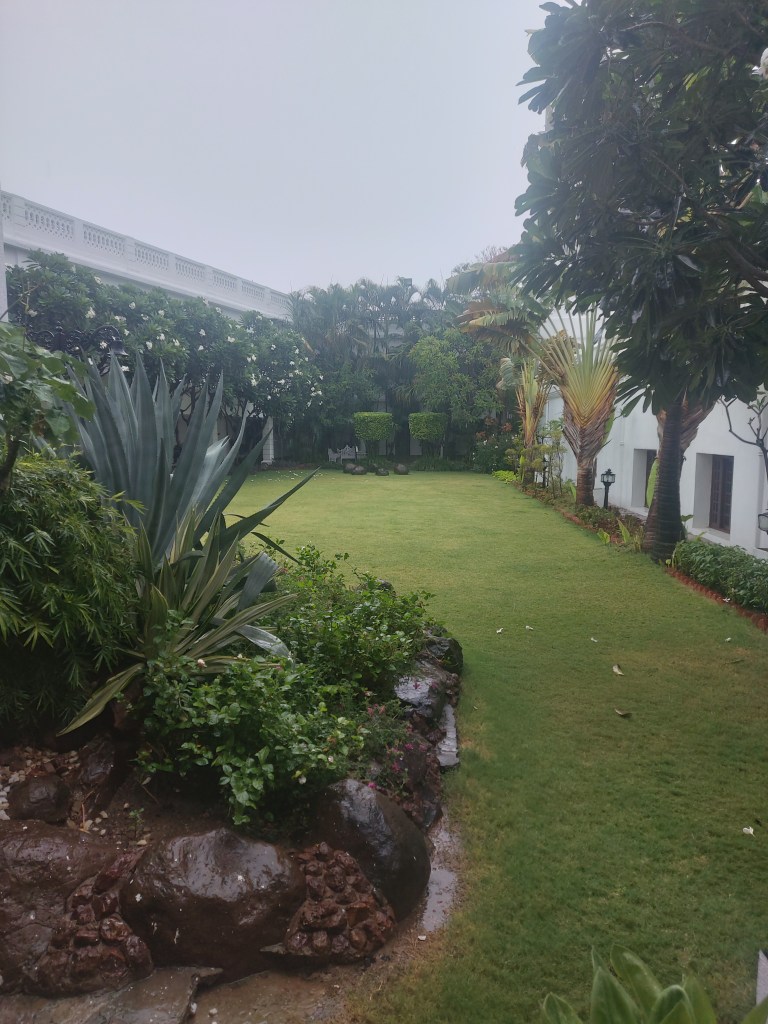

Outside the hotel rooms, the charming chairs and coffee tables provided a cozy spot to unwind and soak in the serenity of the surroundings. Whether enjoying a quiet conversation or simply savoring a cup of coffee, these outdoor seating areas added an extra touch of charm to the overall experience.
One aspect of Jehan Numa Palace that stood out was its commitment to preserving history. The hotel houses a museum that showcases a fascinating collection of artifacts and photographs, offering a glimpse into the rich heritage of the region. It was a captivating experience to delve into the past and learn about the cultural significance of Bhopal.

The hotel boasts multiple dining options, each promising a unique gastronomic journey. The breakfast buffet at Shahnama, although not extravagant, offered a decent selection of dishes that catered to various palates. The freshly baked doughnuts were a delightful indulgence, and the omelets cooked to order were a delicious way to start the day. While the service could have been more prompt, the friendly staff made up for it with their warm hospitality.

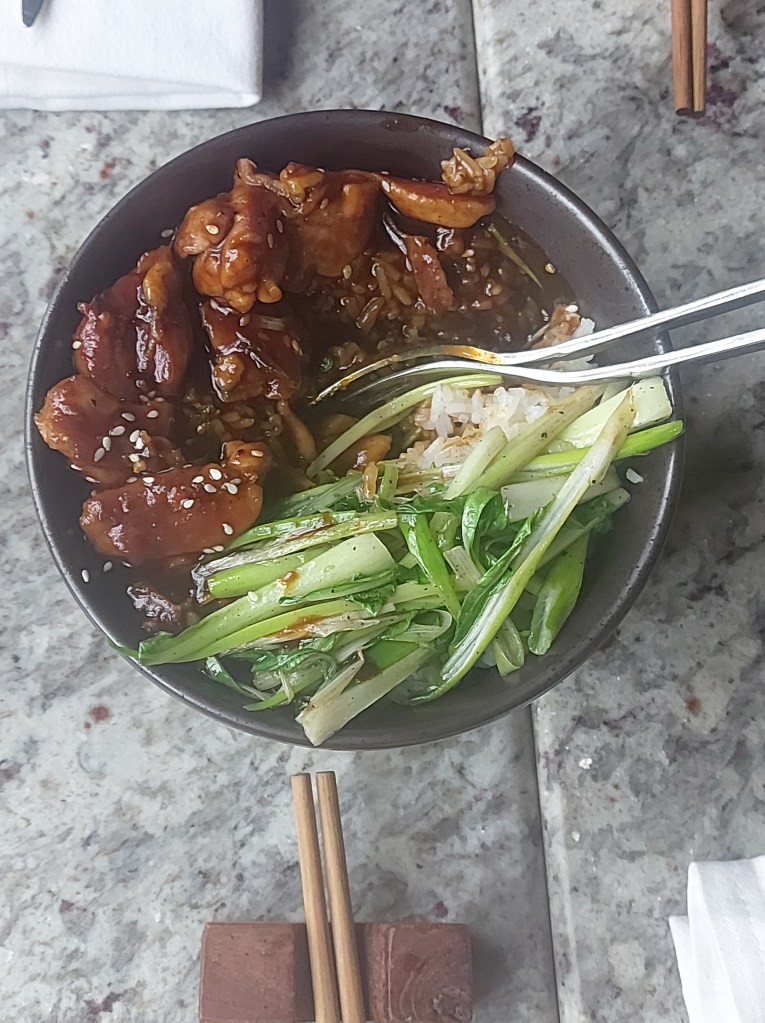
Tao, the hotel’s Pan-Asian restaurant, offered a culinary journey that delighted the senses. The menu showcased a fusion of Asian flavors, expertly crafted with a contemporary twist. From the delectable sushi rolls to the flavorful stir-fries, each dish was a testament to the chef’s skill and creativity. The service was attentive, with knowledgeable staff who guided me through the menu and ensured a memorable dining experience.


One area where Jehan Numa Palace hotel managed to shine was its spa. The serene ambiance and skilled therapists offered a momentary escape from the disappointment that permeated the rest of the establishment. The treatments were rejuvenating and helped to alleviate some of the stress caused by the hotel’s shortcomings. However, a good spa experience alone cannot redeem an entire hotel.
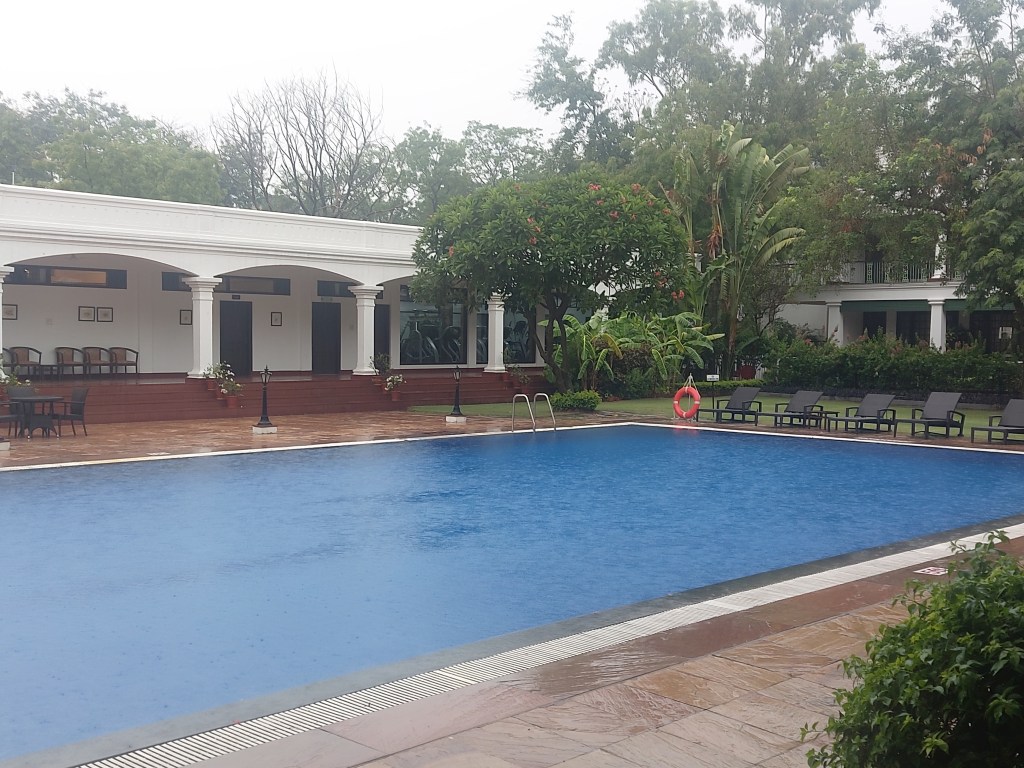
In conclusion, Jehan Numa Palace is a place where history meets elegance, offering a unique blend of old-world charm and modern comforts. While there are areas that could benefit from improvement, such as promptness of service, more updated amenities and a wider breakfast selection, the overall experience is one of tranquility and refined indulgence.


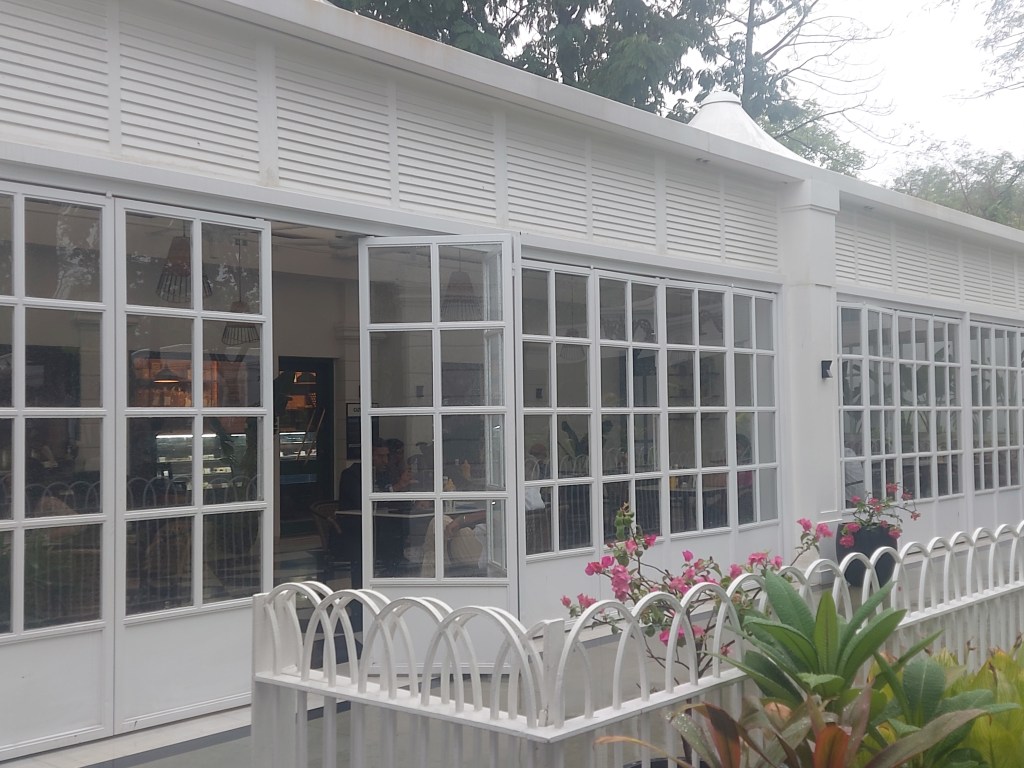

From the tastefully appointed rooms to the delightful dining experiences, Jehan Numa Palace succeeds in providing a memorable stay. So, if you’re looking for a retreat that embraces heritage and offers a glimpse into the regal past, this palace-turned-hotel is worth a visit.
 Honest Reviews