Ayn Rand’s “The Fountainhead,” first published in 1943, is more than just a novel about architecture and individualism; it’s a treasure trove of metaphors that encapsulate the philosophical and thematic essence of her work. Through the lives and ambitions of her characters, Rand employs metaphors to critique collectivism, celebrate individualism, and explore the nature of creativity and integrity. This post delves into the various metaphors woven into the fabric of “The Fountainhead,” elucidating how they enhance the narrative and underscore Rand’s philosophical assertions.
The Fountainhead Itself: Source of Originality and Strength
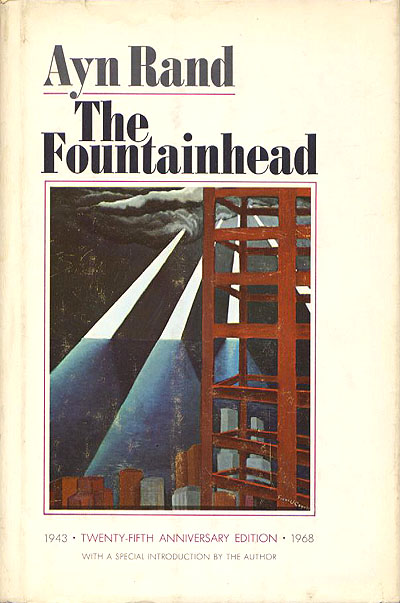
The title of the novel, “The Fountainhead,” is itself a profound metaphor. A fountainhead is the original source from which a stream or river flows, symbolizing the wellspring of creativity, innovation, and original thought. This metaphor encapsulates the essence of the protagonist, Howard Roark, whose architectural genius and uncompromising principles serve as the source of new, groundbreaking ideas in a world dominated by conformity and mediocrity. Roark embodies the fountainhead of originality, standing in stark contrast to the stagnant pool of collectivist thinking represented by other characters.
Howard Roark: The Unyielding Granite
Howard Roark, the novel’s protagonist, is often compared to granite, a metaphor for his strength, integrity, and unyielding nature. Granite, a hard and durable stone, symbolizes Roark’s resolute character and steadfast adherence to his principles, regardless of societal pressures. Just as granite withstands the forces of nature without being eroded, Roark remains true to his vision and values, resisting the forces of compromise and corruption. This metaphor not only highlights Roark’s personal qualities but also serves as a critique of the malleable, easily influenced characters around him.
Peter Keating: The Hollow Facade
In contrast to Roark’s solidity, Peter Keating represents a hollow facade, a metaphor for superficiality and lack of substance. Keating’s success in the architectural world is built on pandering to popular tastes and relying on the work and ideas of others, rather than on his own creativity or skill. This facade metaphor underscores the emptiness of a life lived for the approval of others, devoid of genuine passion or integrity. Keating’s eventual downfall is a powerful illustration of the inevitable collapse of a structure built on false pretenses and borrowed ideas.
Dominique Francon: The Marble Goddess
Dominique Francon is frequently associated with marble, a metaphor for both her beauty and her cold, impenetrable exterior. Marble, a material often used for sculptures of gods and goddesses, symbolizes Dominique’s aloofness and perceived perfection. Her marble-like demeanor is a defense mechanism, protecting her from a world she views as unworthy of true greatness. However, as the novel progresses, we see the metaphorical marble crack, revealing her vulnerability and deep connection to Roark, the only person she believes embodies the ideal she worships.
Ellsworth Toohey: The Corrupt Ivy
Ellsworth Toohey, the novel’s antagonist, is metaphorically depicted as ivy, a plant that climbs and clings, often choking the life out of the structures it envelops. Toohey’s manipulative and parasitic nature is mirrored in the way ivy spreads, representing his insidious influence over others and his ability to corrupt and destroy the independent spirit. This metaphor effectively captures Toohey’s role in the novel as a destroyer of individual achievement and promoter of collectivism, undermining the very foundation of creativity and excellence.
Gail Wynand: The Towering Skyscraper
Gail Wynand, the powerful newspaper magnate, is likened to a towering skyscraper. This metaphor reflects his immense power, influence, and ambition. Wynand’s life and career are built on a foundation of control and manipulation, rising high above the ordinary. However, despite his apparent success, the metaphor of the skyscraper also suggests isolation and vulnerability. Wynand’s eventual recognition of the hollowness of his achievements and his ultimate fall from grace highlight the precariousness of a life built on power without principle.
The Banner: The Beacon of Collectivism
“The Banner,” the newspaper owned by Gail Wynand, serves as a metaphorical beacon of collectivism and mediocrity. Through “The Banner,” Rand critiques the mass media’s role in shaping public opinion and promoting conformity. The newspaper’s influence represents the power of collective thought over individual reason, echoing Rand’s disdain for a society that values consensus over truth. Wynand’s control over “The Banner” symbolizes the potential for media to manipulate and corrupt, rather than enlighten and inspire.
Architecture as Metaphor for Individualism
Architecture, the central theme of “The Fountainhead,” serves as a broader metaphor for individualism versus collectivism. Roark’s modern, innovative designs symbolize the creative spirit and the triumph of individual vision. In contrast, the classical and derivative styles preferred by characters like Keating represent the collective mindset that stifles originality and progress. Through architecture, Rand explores the struggle between the innovative mind and the conformist masses, using buildings and designs as metaphors for the philosophical battle at the heart of the novel.
The Stoddard Temple: A Temple of Integrity
The Stoddard Temple, designed by Roark, is a metaphor for integrity and the sanctity of the individual spirit. Initially intended as a temple to human spirit, it is desecrated by the addition of irrelevant ornamentation, symbolizing the corruption of pure vision by societal demands. This metaphor highlights the conflict between Roark’s uncompromising principles and the world’s tendency to dilute and destroy true creativity. The temple stands as a testament to Roark’s ideals and the destructive forces of conformity and compromise.
Roark’s Trial: The Crucible of Truth
Roark’s trial is a metaphorical crucible, a severe test that reveals the true nature of his character and the principles he stands for. The trial is not just a legal battle but a philosophical confrontation between individualism and collectivism. Through this metaphor, Rand illustrates how Roark’s unwavering commitment to his ideals withstands the pressures of societal judgment, emerging purified and vindicated. The trial symbolizes the struggle for truth and integrity in a world that often punishes those who dare to stand apart.
Cortlandt Homes: The Vision of Tomorrow
The Cortlandt Homes project represents the future potential of humanity when guided by innovative, unrestrained vision. Roark’s design for the project is a metaphor for a society built on individual creativity and integrity, as opposed to one mired in mediocrity and compromise. The destruction of Cortlandt Homes by Roark himself is a powerful metaphor for the rejection of corrupted ideals, emphasizing that true innovation cannot be diluted or compromised. This act of destruction underscores the importance of maintaining the purity of one’s vision, even at great personal cost.
The Quarry: A Place of Self-Discovery
The granite quarry where Roark works is a metaphor for self-discovery and the honing of one’s true self. The physical labor and the raw, untamed environment of the quarry symbolize the process of uncovering and refining one’s core values and talents. For Roark, the quarry is not just a place of work but a crucible where he reaffirms his dedication to his principles and hones his skills. This metaphor underscores the novel’s theme of self-actualization through hard work and adherence to one’s true nature.
Conclusion: The Fountainhead’s Metaphorical Mastery
“The Fountainhead” is a rich tapestry of metaphors that enhance the novel’s philosophical and thematic depth. Through characters, settings, and events, Ayn Rand uses metaphorical language to critique collectivism, celebrate individualism, and explore the nature of creativity and integrity. Each metaphor serves to reinforce the novel’s central message: that true greatness arises from the uncompromising pursuit of one’s own vision and principles. In “The Fountainhead,” Rand crafts a powerful narrative that not only tells a compelling story but also offers profound insights into the human spirit and the importance of staying true to oneself.
In exploring the metaphors of “The Fountainhead,” we gain a deeper understanding of Rand’s philosophical convictions and the timeless relevance of her themes. The novel’s enduring appeal lies in its ability to resonate with readers who value individualism, creativity, and the relentless pursuit of personal integrity. Through its rich metaphorical language, “The Fountainhead” continues to inspire and challenge us to consider the true source of our own potential and the courage required to realize it.
 Honest Reviews