
I landed in Seoul at around 3:30 in the afternoon — that awkward hour when you’re too early for dinner but too late for enthusiasm. My first impression? Let’s just say it wasn’t love at first sight. Seoul, from the car window, looked a bit like Mumbai after a caffeine rush — slightly chaotic, a tad disorganized, a patchwork of wires, signs, and endless traffic lights.
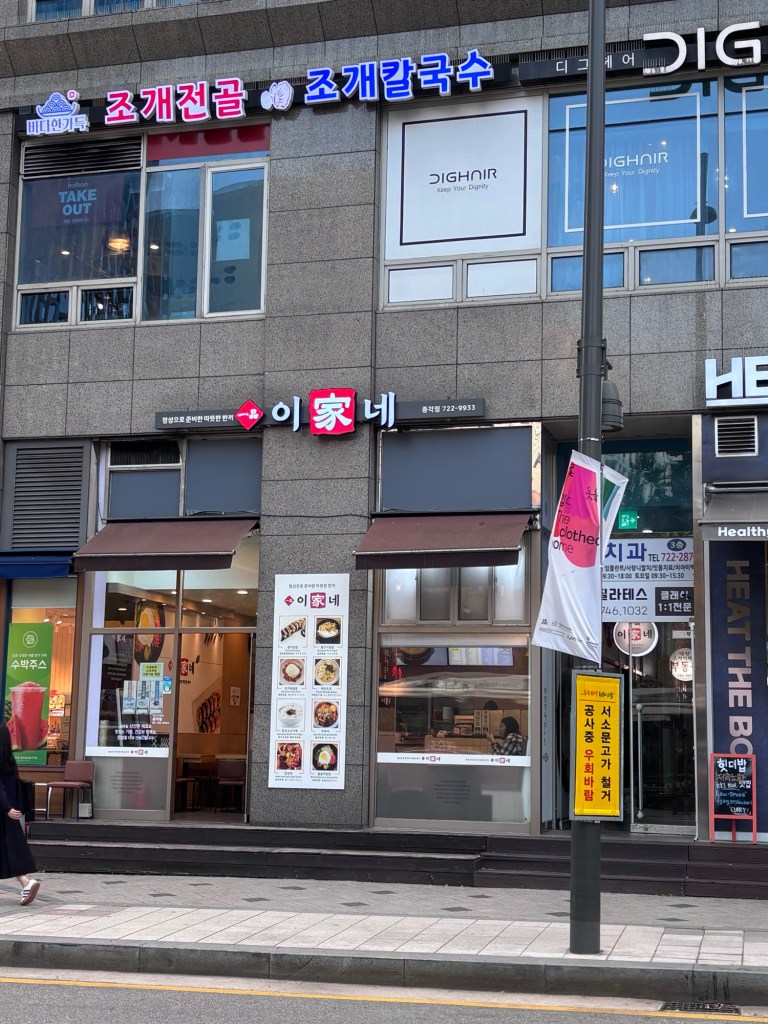

But I quickly learned that Seoul isn’t one uniform city — it’s a collection of pockets. Some buzzing and glamorous, others industrial and worn out. You just need to wander through the right pocket to fall in love.

My base for this short stopover was the Ramada Wyndham in Dongdaemun, a neat little hotel in one of Seoul’s older districts. Dongdaemun is where Seoul’s history brushes shoulders with its hustle — wholesale markets, little food stalls, and fashion arcades tucked into narrow alleys.
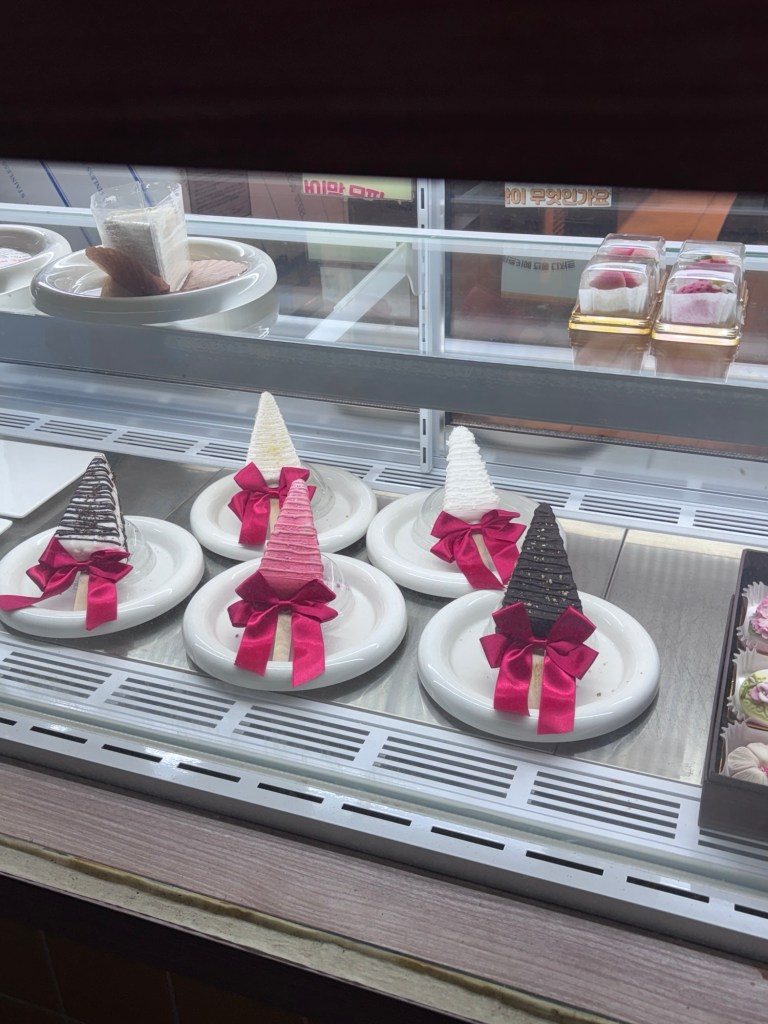
As dusk crept in, we decided to ease into Seoul life by heading to Gwangjang Market — one of the oldest traditional markets in Korea. Think of it as a sensory circus.
If Seoul had a stomach, it would be Gwangjang Market. Opened in 1905, back when Korea was still finding its modern feet, this was the city’s first market owned by Koreans themselves. And over a century later, it still feels gloriously defiant.
You don’t walk through Gwangjang, you wade — through sizzling oil, the perfume of garlic, and the joyful noise of a hundred food vendors trying to lure you in with a smile and a ladle. Here, mung bean pancakes the size of frisbees hiss on hot griddles, gimbap rolls are sliced with surgical precision, and vats of kimchi ferment gently in their own quiet rebellion.
It’s chaotic. It’s greasy. It’s magnificent. This is where Seoul comes to feed its soul — and maybe pick up a few pickled souvenirs while it’s at it.
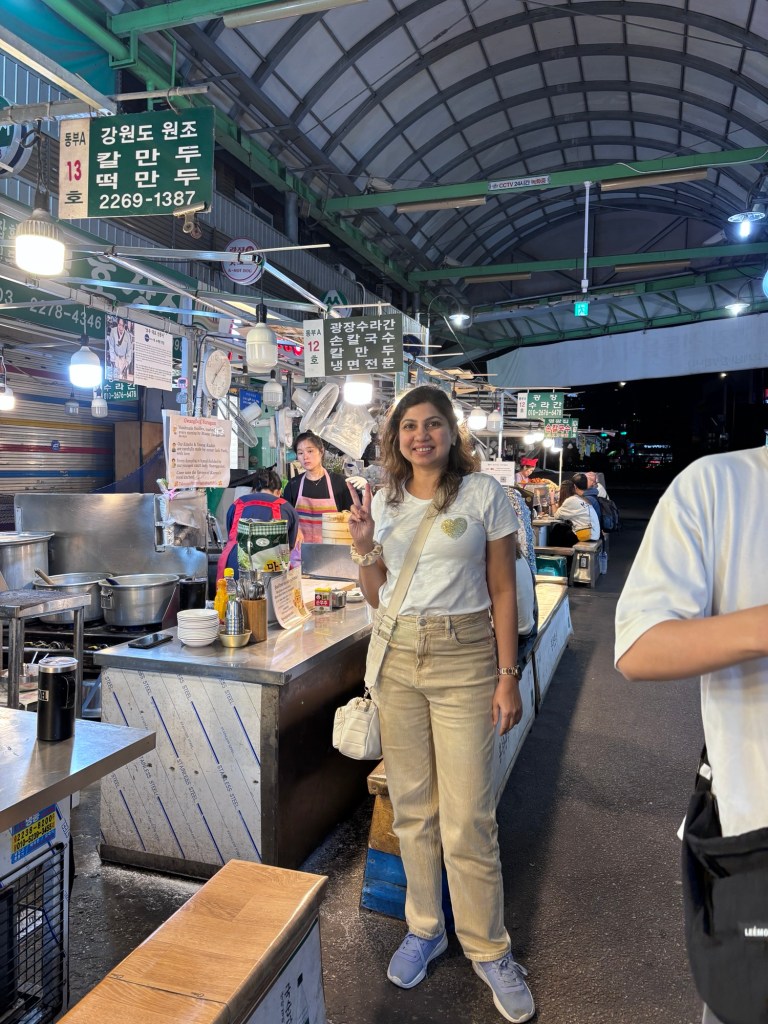
The aroma of sizzling meats, the chatter of vendors, and the sheer number of food carts are enough to jolt anyone out of jet lag.
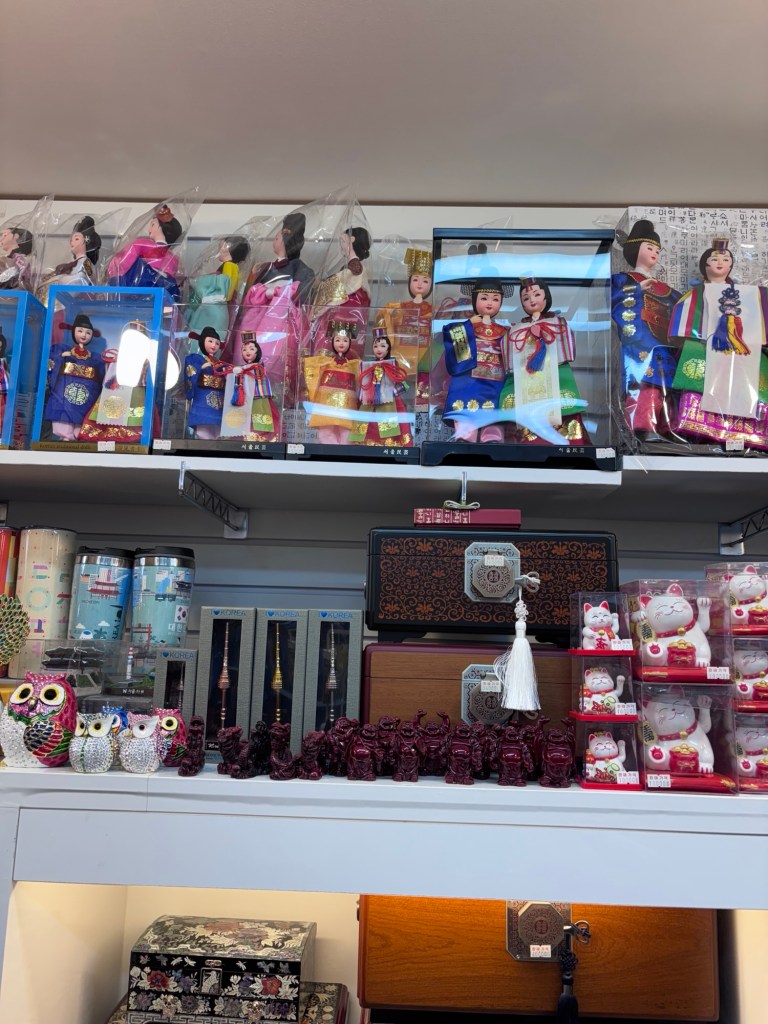
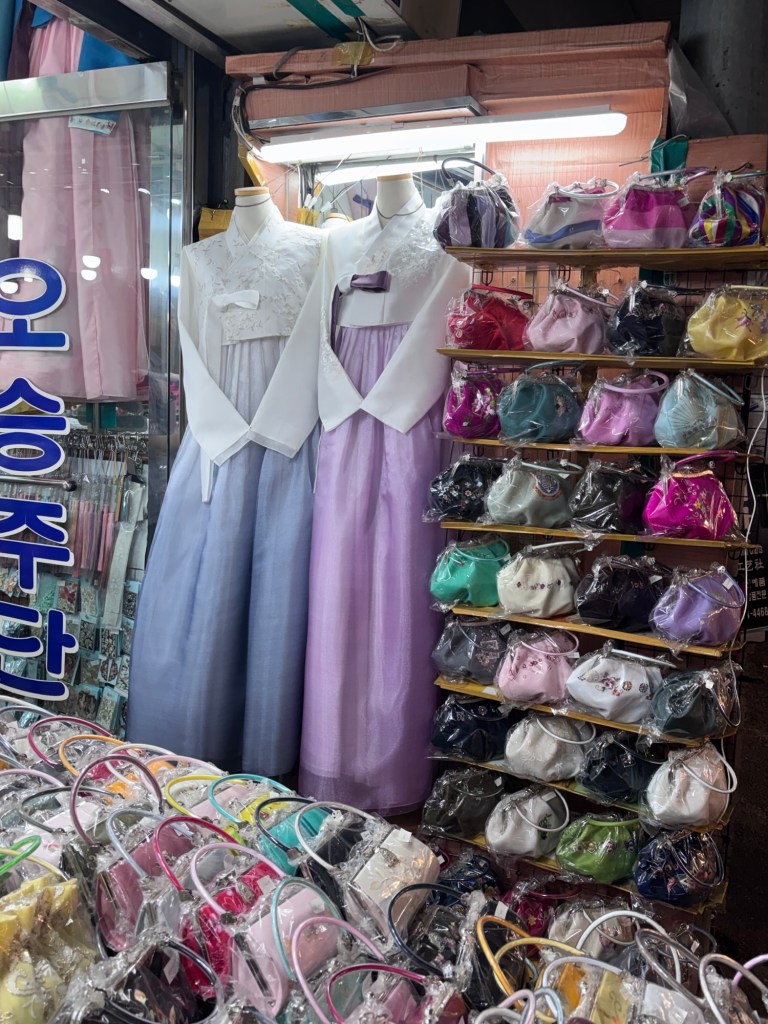
The market was winding down for the day, but the food scene was still thriving.
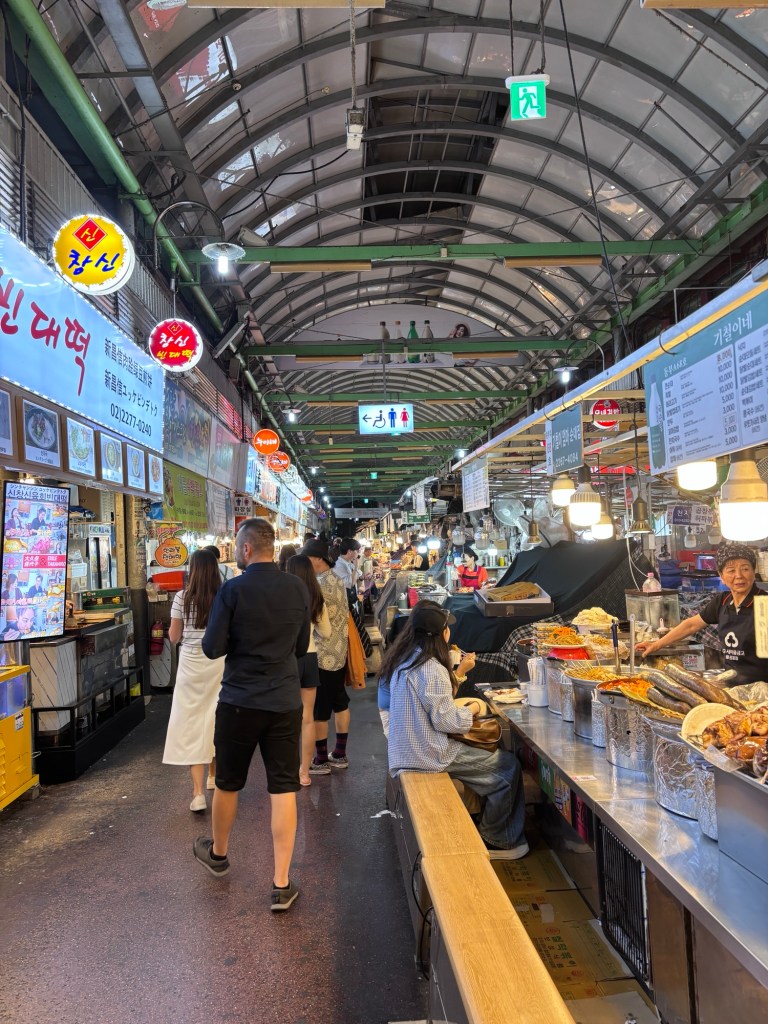
Everywhere you looked, there were carts — hundreds of them — serving up steaming bowls of noodles, skewers of meat, seafood pancakes, and the ever-present kimchi.

It was like an open-air buffet curated by a nation that takes its food very seriously. I noticed tourists happily tucking into spicy soups, shrimp dumplings, and what looked suspiciously like raw octopus. We made a graceful exit before anything started wriggling on our plates.

Next stop: Myeongdong Street — Seoul’s beating heart of shopping, skincare, and street food. And if Gwangjang was the appetizer, Myeongdong was the full-course meal. The moment you step in, you’re swept into a neon storm of energy. It’s like someone plugged the entire street into an electric socket and sprinkled it with the world’s most photogenic people.
Myeongdong didn’t start as a temple to consumerism. Once upon a Joseon Dynasty, this was a quiet district of scholars and aristocrats, with the odd palace view and a breeze of privilege. Then came modernization, Japanese occupation, the war, and finally — redemption by way of retail therapy.
Today, Myeongdong is a glowing, throbbing, glitter-drenched artery of Seoul. You can’t walk ten steps without someone trying to hand you a snail serum sample, and you’ll probably take it — because who doesn’t want “glass skin” promised by a cartoon in a lab coat?
It’s equal parts chaos and choreography. Beneath the fairy lights, teenagers slurp spicy tteokbokki while their parents haggle over luggage sets. The air smells of squid, sugar, and toner. It’s loud, relentless, and occasionally overwhelming — but when Seoul wants to show off its modern face, this is the lipstick it puts on.


Every store window was a temptation. Suitcases. Handbags. Sneakers. Clothes. Skincare. Skincare. More skincare. I swear, even the mannequins had flawless glass skin. Every second store offered a face mask that promised to make you look “radiant, youthful, and reborn.” I half expected to wake up looking like a K-drama heroine if I bought enough of them.
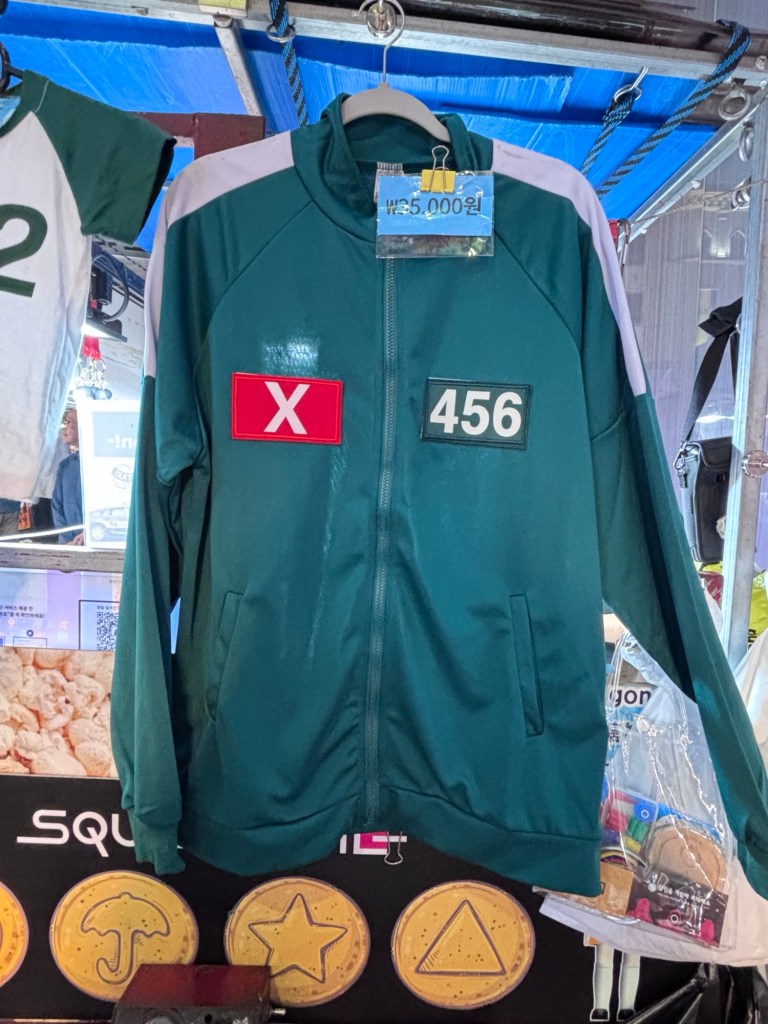
And then there’s the food. Oh, the glorious, unending food. Crispy shrimp skewers. Steaming tteokbokki (spicy rice cakes). Gyoza dumplings that were little parcels of joy.
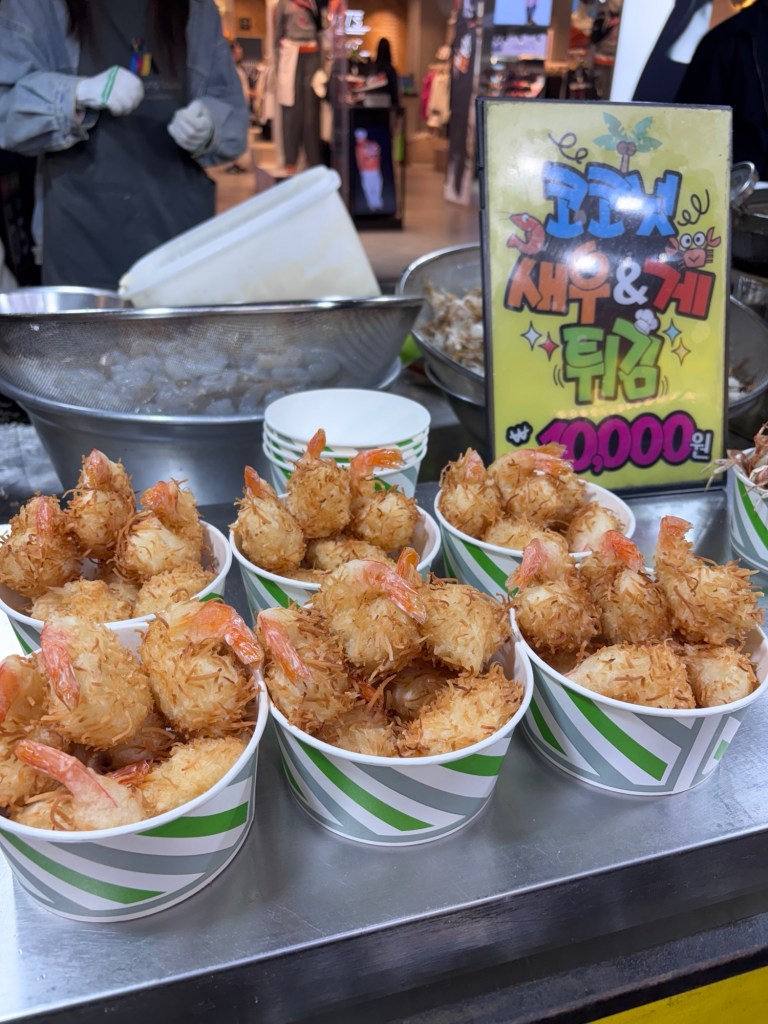
Every corner smelled divine. Every bite was comfort. It was one of those places where your wallet says stop, but your heart says “just one more.”

We spent a good two or three hours there — shopping, nibbling, people-watching. Seoul has that ability to pull you into its rhythm — part fast-paced city, part laid-back street performance. By the time we got back to the hotel, it was well past midnight.

The next morning was all about slowing down. We made our way to Bukchon Hanok Village, and suddenly, Seoul turned into a scene from another century. Gone were the flashing signboards and loudspeakers — replaced by tiled rooftops, narrow lanes, and centuries-old houses called hanoks. The air even smelled different — quieter somehow.
Nestled between two royal palaces, this patch of serenity dates back to the 14th century, when aristocrats built elegant wooden houses with curved tiled roofs and courtyards that caught the morning light just so.
Walking through Bukchon feels like falling through time — from skyscrapers to silence in a single breath. The air changes here. The world slows down. You start noticing the small things: the creak of old wood, the crunch of gravel underfoot, a grandmother watering plants outside a hanok that’s probably older than your entire family tree.
Some homes are now cafes, some are art studios, others are just quietly living their second life. But all of them whisper the same thing: Seoul may have learned to sprint, but it still remembers how to breathe.

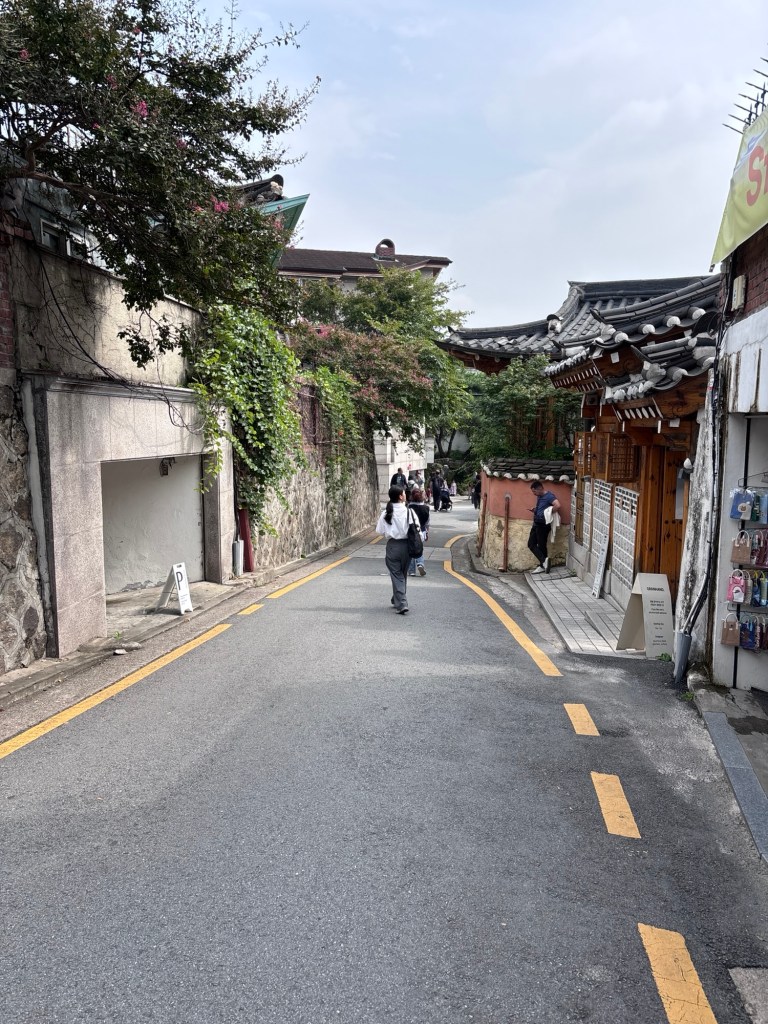


Walking through Bukchon feels like stepping into a watercolor painting. The architecture is delicate and poetic, the kind that makes you lower your voice without realizing it.
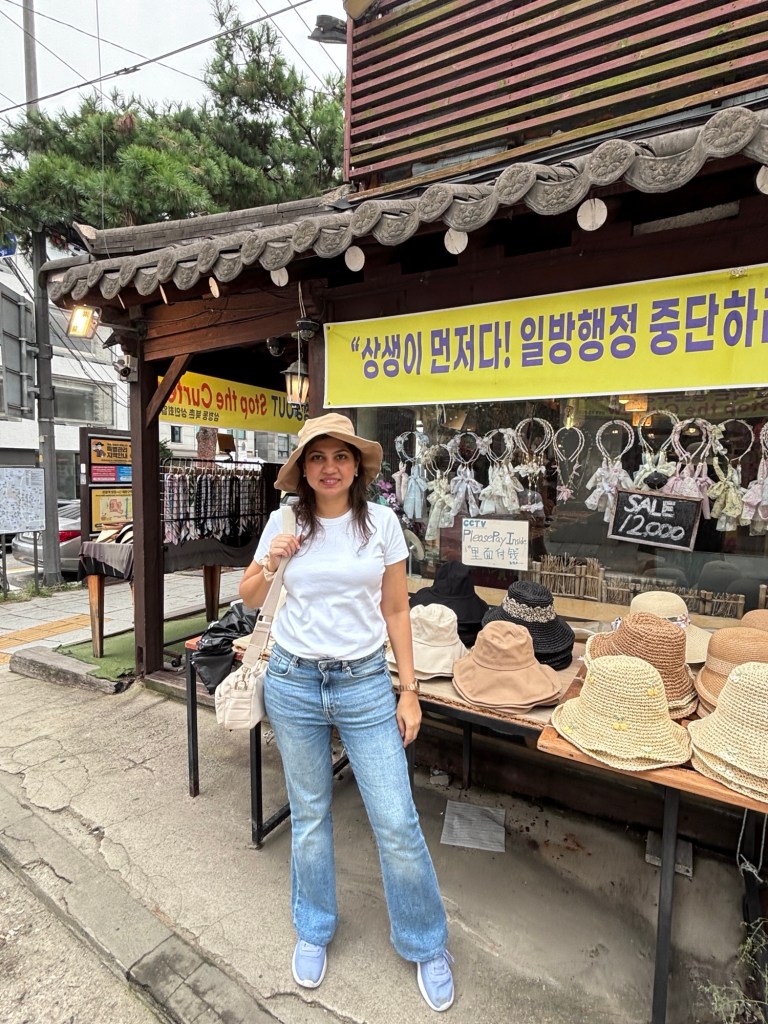

Locals dressed in traditional hanboks wandered around, and for a second, you forget which era you’re in.


We stumbled into a small café tucked in a quiet corner — the kind of place that makes you want to write postcards and rethink your life choices. Carrot cake and coffee never tasted so poetic.


As dusk approached, we found ourselves once again pulled back to Myeongdong Street (because once is never enough).

We did some last-minute shopping — read: panic buying — and then decided to wind down the night by the Han River.

It was almost midnight when we got there. The city had softened into a quiet hum.
The Han River isn’t just a river — it’s Seoul’s collective sigh. Once a strategic trade route that shaped Korea’s destiny, it’s now the city’s midnight escape hatch. By day, it’s ringed with cyclists, joggers, and picnicking families devouring fried chicken out of cardboard boxes. By night, it turns into something far more poetic — a stretch of silver calm slicing through the chaos.
Stand there long enough, and you’ll see Seoul’s contradictions reflected perfectly on the water: the old bridges, the skyscrapers trying to outshine the stars, the odd couple strolling hand-in-hand at 1 a.m. It’s romantic, yes — but also grounding. The Han reminds you that even in a city that never stops moving, there’s always time to just… look at the water.
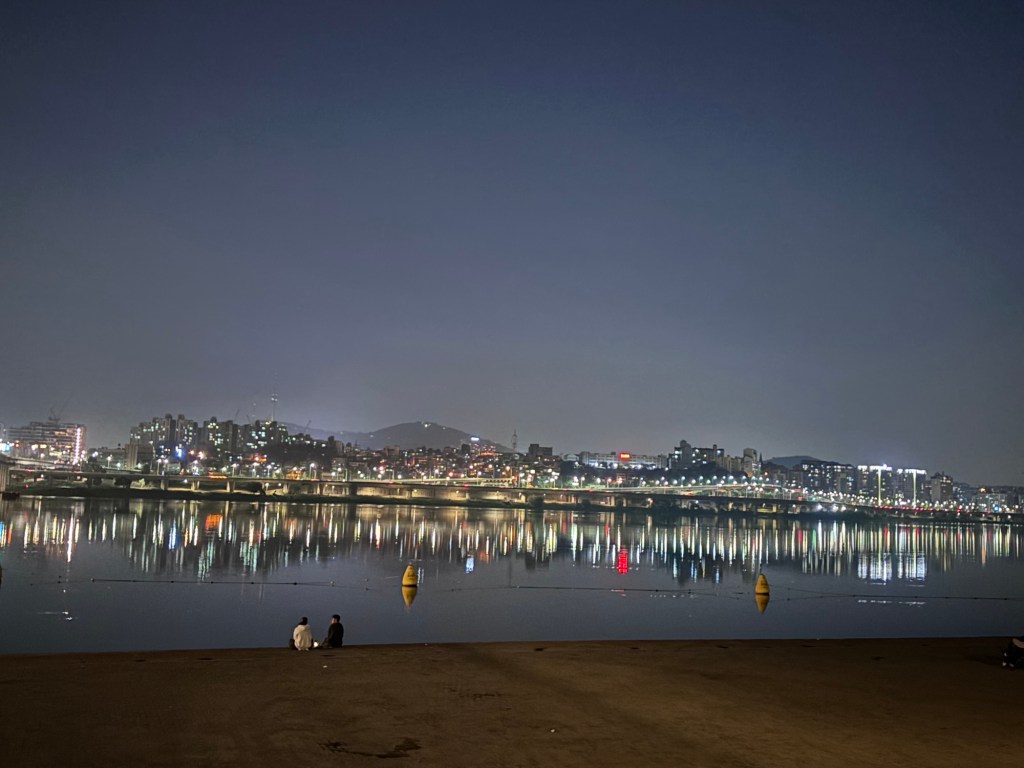
The bridges were lit, the water shimmered lazily, and a few couples strolled by, hand in hand. It was serene — the kind of Seoul moment that makes up for every chaotic street corner.

By dawn, it was time to head to the airport. My 24 hours in Seoul had been a whirlwind of contradictions — chaos and calm, noise and silence, skincare and street food. But that’s Seoul for you. It’s a city of contrasts that somehow work beautifully together.

So if you ever find yourself with just a day in Seoul, here’s the secret: don’t plan too much. Wander through the markets, get lost in Myeongdong, sip coffee in Bukchon, and watch the Han River glitter under the night sky.
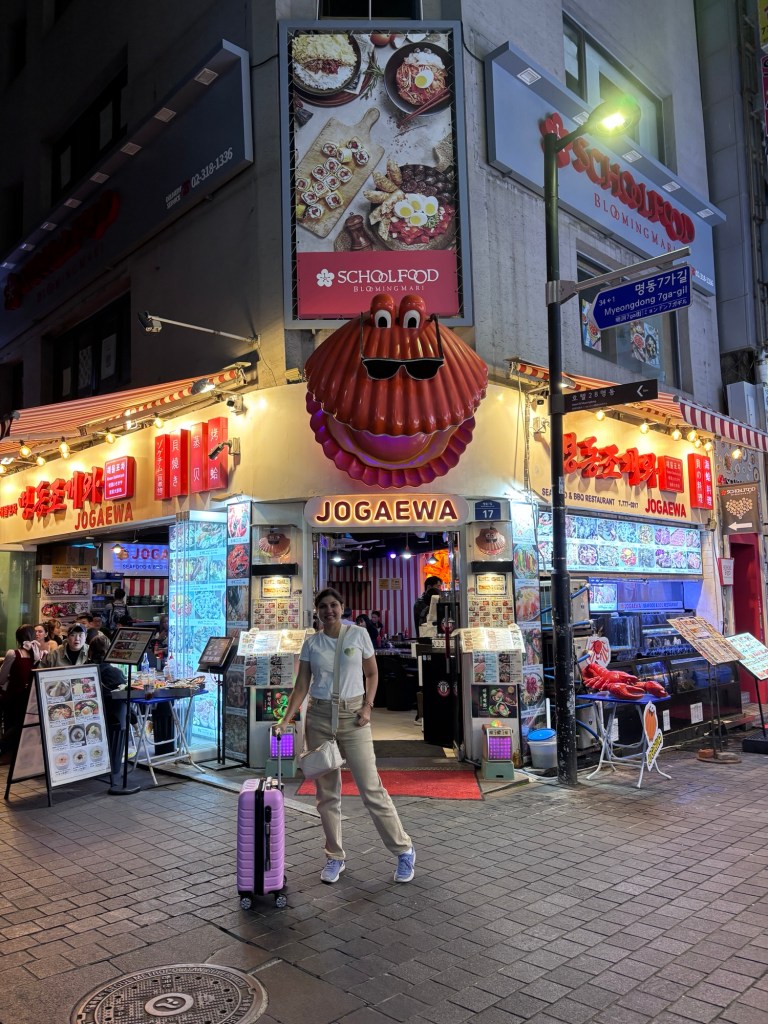
You might just leave with a suitcase full of face masks, a stomach full of shrimp, and a heart full of Seoul.
 Honest Reviews