Vash Level 2 doesn’t scream for attention. It creeps into it. And that, honestly, is its biggest strength.
Firmly positioned as a horror-thriller, the film operates in the uncomfortable space between fear and fascination. This is not horror that relies on cheap shocks or excessive gore. Instead, it leans into psychological dread, control, and moral unease—making it far more disturbing than loud.
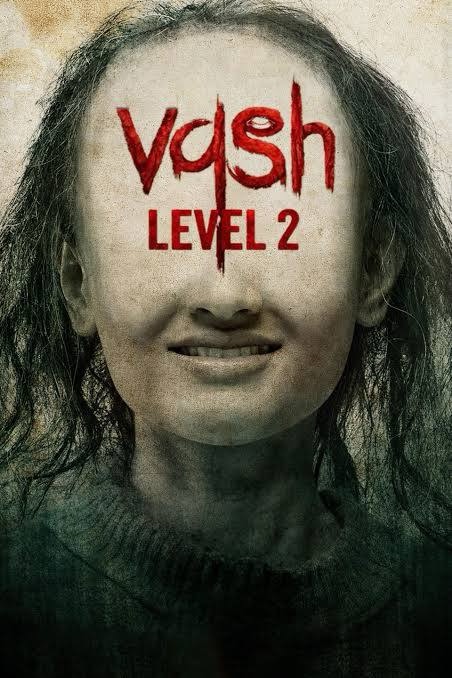
If comparisons are inevitable, the closest reference point would be Shaitan. Both films explore possession—not merely of the body, but of agency, choice, and free will. Where Shaitan focused on a single individual under demonic influence, Vash Level 2 escalates the idea chillingly: here, an entire group of schoolgirls becomes the vessel.
The film opens inside a school, and right from the first few scenes, the setting feels alarmingly real. This isn’t a stylised, glossy horror backdrop—it’s grounded, lived-in, and recognisable. The corridors, classrooms, and everyday routines make the unfolding horror feel invasive, as if it could happen anywhere. That realism amplifies the fear far more than spectacle ever could.

The performances—especially by the young girls—are strikingly natural. There’s no overacting, no melodrama. Their terror feels internalised, confused, and helpless, which makes it far more unsettling. The horror inflicted on them isn’t performative; it’s quiet, persistent, and deeply uncomfortable to watch. The adults—the headmistress, the police, and authority figures—are equally convincing, portrayed not as saviours but as people scrambling for control in a situation that refuses to obey logic.
Technically, the film is solid across the board. The cinematography is confident and restrained, using framing and lighting to suggest dread rather than announce it. The production design deserves special mention—the school becomes a character in itself, its familiarity slowly turning oppressive. For a Gujarati film, the production values are impressively high, and it shows in every frame.
The narrative takes a compelling turn with the entry of the male protagonist—a man carrying his own haunted past. His daughter has been trapped under a demonic spell for twelve years, and in a grim twist of fate, he has imprisoned one such entity in his basement. This revelation shifts the film from a straightforward possession story into something morally layered and emotionally charged.

The demonic force tormenting the schoolgirls isn’t random. It is searching—for its brother. And the girls become tools in that search. What elevates the film is the protagonist’s conflicted motivation: he is not driven purely by heroism, but by desperation. His goal is singular—to free his daughter, whatever the cost.
This collision of motives—grief, guilt, vengeance, and supernatural manipulation—forms the film’s core. When the protagonist ultimately leads the younger demon to its imprisoned elder brother, the film enters its most gripping phase. What follows is tense, unsettling, and refreshingly free of easy answers. The film refuses to spoon-feed morality, trusting the audience to sit with its discomfort.

In terms of pacing, Vash Level 2 gets it right. It doesn’t drag, it doesn’t rush. It knows exactly how long to linger and when to move on. The runtime feels deliberate—tight enough to hold attention, restrained enough to avoid indulgence.
Yes, Shaitan may still edge ahead in terms of sheer impact. But Vash Level 2 doesn’t try to outdo it—it chooses instead to underplay its hand. And that restraint works in its favour.
Watch it in Gujarati, with subtitles. The language, performances, and cultural texture matter. This is horror that doesn’t shout—it whispers, lingers, and follows you home.
Understated. Well-crafted. Unsettling.
Vash Level 2 proves that regional cinema can do horror with intelligence—and that’s what makes it worth watching.
 Honest Reviews