Thought experiments have long been employed to explore complex philosophical concepts. However, their relevance extends beyond academia, offering insightful perspectives into various fields, including advertising, marketing, and branding. In this post, we will delve into five captivating thought experiments—the Monkeys and Typewriters, Brain in a Vat, Cow in the Field, Prisoner’s Dilemma, and The Beetle in the Box. We will explore how these imaginative scenarios intertwine with the world of advertising, marketing, and branding, shedding light on their underlying principles.
- The Monkeys and Typewriters
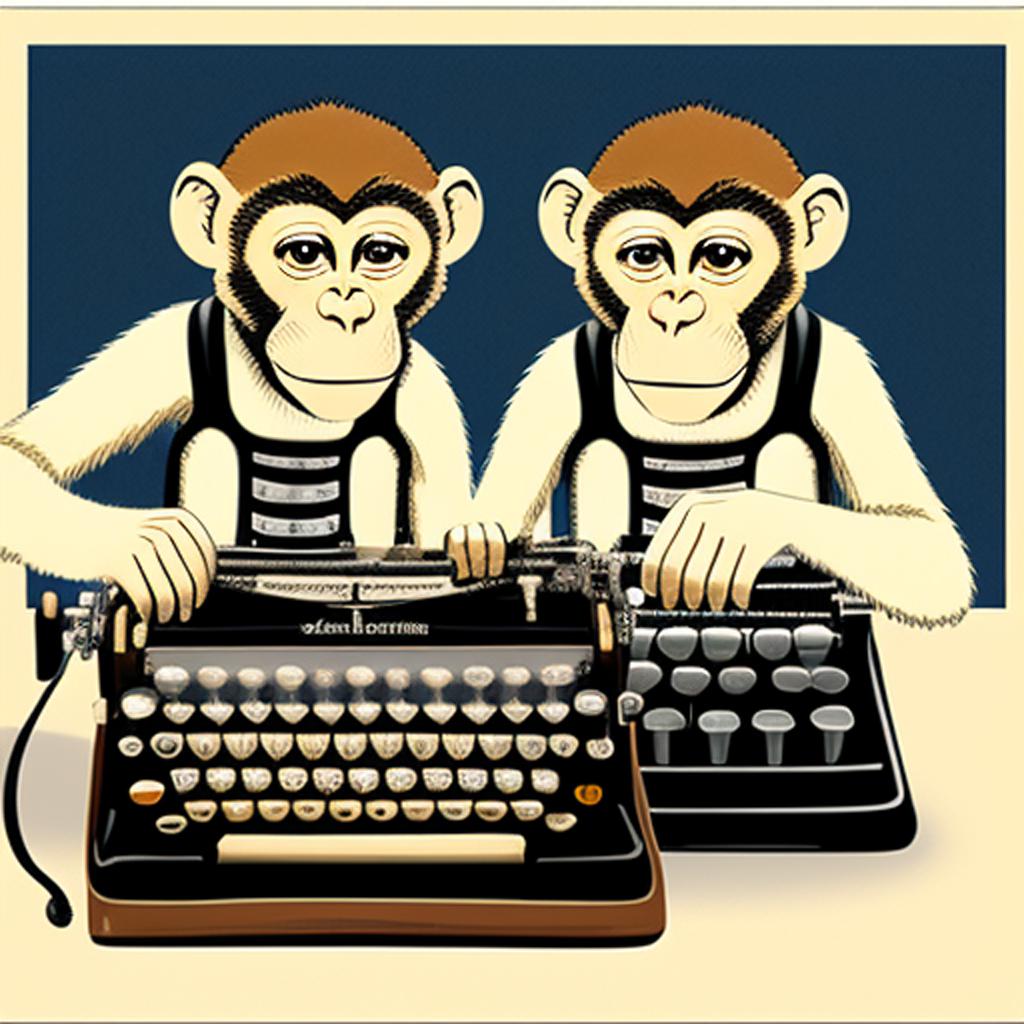
The Monkeys and Typewriters thought experiment suggests that given enough time, a group of monkeys randomly pressing keys on typewriters could eventually produce the complete works of Shakespeare.
In advertising and marketing, this concept reflects the idea of quantity versus quality. While it may seem tempting to inundate consumers with a large volume of content, it is crucial to recognise that quality and relevance are key. Crafted messaging that resonates with the target audience is far more effective than an overwhelming quantity of mediocre content.
2. Brain in a Vat:
The Brain in a Vat thought experiment imagines a scenario where a brain is connected to a supercomputer, providing it with sensory inputs that simulate a reality indistinguishable from the “real world.”
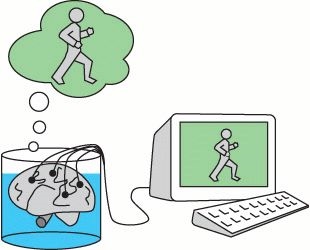
In the realm of branding, this concept relates to the construction of brand identities and perceptions. Brands are more than just products or services—they exist within the minds of consumers. Through strategic branding efforts, marketers shape consumer perceptions, crafting a simulated reality that aligns with the desired brand image.
3. Cow in the Field:
A farmer notices that his cow is missing. As he is stressing about it, a postman informs him that the cow is in a neighbouring field. The farmer goes to check and sees a black and white blotch in the field and feels reassured that it is the cow. When the postman passes by the field again, he sees the cow grazing near a group of trees and realises that the farmer couldn’t possibly have spotted the cow. What the farmer saw was actually a piece of black and white paper. The question then arises, even though the cow was in the field, was the farmer correct when he said he saw it there? This simple thought experiment highlights the concept of attention and perception.

The Cow in the Field Thought experiment can be related to advertising and branding. The actual cow is the product and the perception of the cow is its brand identity. Effecting branding, engaging storytelling and impactful visuals can change your perception of reality and convert a product into a brand.
4. Prisoner’s Dilemma:

The Prisoner’s Dilemma thought experiment presents a scenario where two individuals must decide whether to cooperate or betray each other. It raises questions about trust, collaboration, and competition. In marketing and advertising, this concept relates to partnerships, collaborations, and brand alliances. Brands often seek strategic collaborations to enhance their reach and credibility. However, navigating these partnerships requires careful consideration of shared objectives and mutual benefits to ensure a successful outcome.
5. The Beetle in the Box
The Beetle in the Box thought experiment asks us to imagine a group of individuals. Each of them has a box containing something called “beetle.” Everyone can only look into their box and into nobody else’s boxes. Everyone is asked to describe their beetle, but each person knows only their own beetle and cannot talk about anyone else’s beetle as they do not know what is in the other boxes. According to this, everyone has a unique private experience of a “beetle,” but cannot directly perceive or compare others’ experiences.

This concept relates to the subjective nature of perception in advertising and the challenge of understanding consumers’ experiences and preferences. In branding and marketing, it emphasises the importance of empathy and understanding the target audience’s perspective. Marketers must strive to gain insights into consumers’ unique “beetles” to create tailored and meaningful experiences that resonate with their individual desires and needs.
Thought experiments offer intriguing parallels to the world of advertising, marketing, and branding, providing fresh perspectives and insights. By exploring concepts like quantity versus quality, perception, collaboration, and subjective experiences, we can better understand the complexities and challenges faced by marketers and brands in today’s dynamic landscape. By applying the lessons learned from these thought experiments, advertisers and marketers can navigate this ever-evolving field with greater creativity and effectiveness.
 Honest Reviews