Marketing theories form the backbone of strategic decision-making in the ever-evolving world of business. These theories provide valuable insights into consumer behavior, market dynamics, and effective marketing strategies. By understanding and applying these theories, marketers can enhance their understanding of customers, drive growth, and achieve their business objectives. In this article, we will explore ten essential marketing theories that have had a significant impact on the field, offering valuable perspectives and frameworks for marketers to leverage.
- Product Life Cycle: This theory suggests that products go through distinct stages of introduction, growth, maturity, and decline, and marketing strategies should be adjusted accordingly for each stage.
- Maslow’s Hierarchy of Needs:

Piccredits : Vecteezy
Proposed by Abraham Maslow, this theory states that human needs are arranged in a hierarchical order, and marketing efforts should align with fulfilling these needs, starting from basic physiological needs to higher-level psychological needs.
3. Diffusion of Innovation:
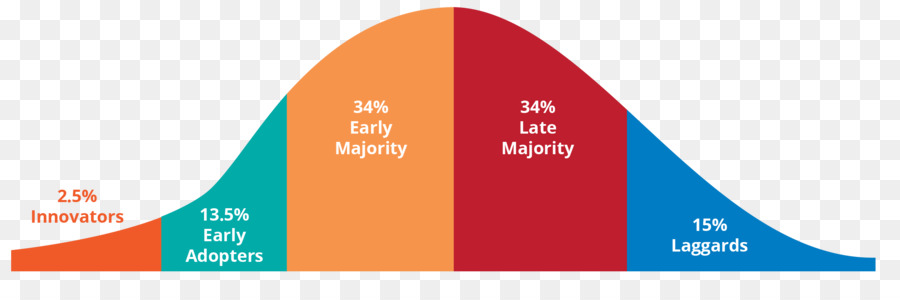
Developed by Everett Rogers, this theory explains how new products or ideas spread through society and identifies different types of consumers based on their adoption rates, such as innovators, early adopters, early majority, late majority, and laggards.
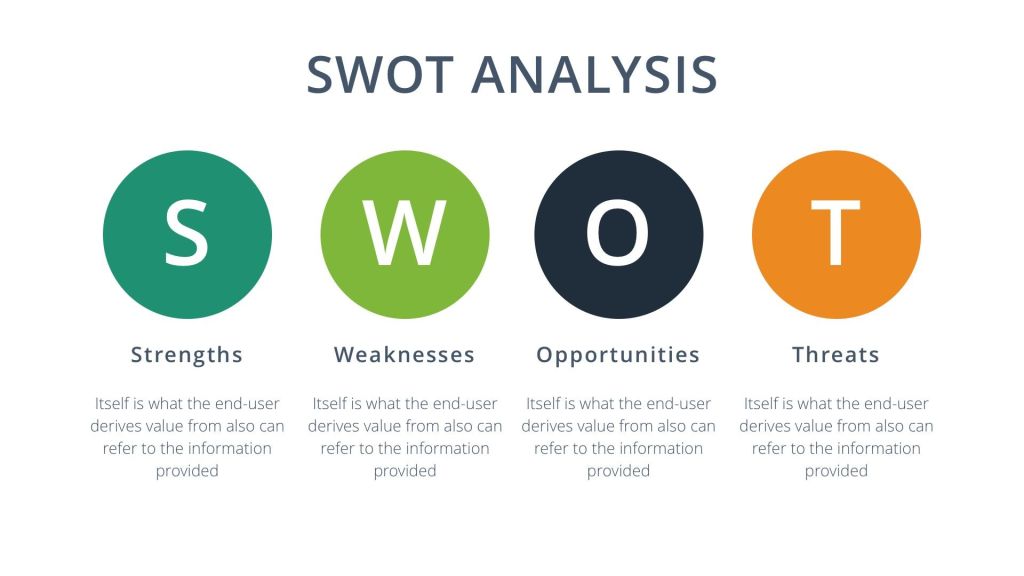
4. SWOT Analysis:
SWOT (Strengths, Weaknesses, Opportunities, and Threats) analysis is a framework used to assess the internal and external factors that can influence a company’s marketing strategy.
5. Marketing Mix (4Ps):
The marketing mix theory, proposed by Jerome McCarthy, emphasizes the four key elements of marketing: Product, Price, Place, and Promotion. It provides a framework for developing a comprehensive marketing strategy.
6. Brand Equity:
Brand equity refers to the value and perception of a brand in the minds of consumers. This theory suggests that building and managing a strong brand can lead to increased customer loyalty, market share, and financial performance.
7. Consumer Decision-Making Process:
This theory outlines the stages consumers go through when making purchasing decisions, including problem recognition, information search, evaluation of alternatives, purchase decision, and post-purchase evaluation.
8. Positioning:
Positioning theory focuses on how a brand or product is perceived in the minds of consumers relative to competing offerings. Effective positioning helps differentiate a brand and create a unique value proposition.
9. Relationship Marketing:
Relationship marketing emphasizes building and maintaining long-term relationships with customers. This theory suggests that customer retention and loyalty can lead to increased profitability and customer advocacy.
10. Social Exchange Theory:

This theory suggests that individuals engage in marketing transactions when they perceive the benefits to outweigh the costs. It helps marketers understand the underlying motivations and incentives that drive consumer behavior.
Marketing theories play a crucial role in shaping successful marketing strategies. They provide a foundation for understanding consumer behavior, market dynamics, and effective communication.
By utilizing theories such as the Product Life Cycle, Maslow’s Hierarchy of Needs, and Diffusion of Innovation, marketers can gain deeper insights into their target audience and develop tailored strategies that resonate with customers. Additionally, concepts like brand equity, relationship marketing, and positioning help build strong brand identities, foster customer loyalty, and drive long-term success.
By embracing these theories and applying their principles, marketers can navigate the complex marketing landscape with confidence, adapt to changing consumer preferences, and achieve their business objectives.
 Honest Reviews