Tourism ads are key to drawing in travelers and sparking their dreams of adventure. Over the past three years, some campaigns have changed the game. They’ve set new standards for creativity and success in travel marketing.
I’ve been following these campaigns and I’m amazed by their impact. One that really caught my eye is the “100% Pure New Zealand” campaign. Imagine stunning landscapes, towering mountains, clear lakes, and friendly faces in a place known for adventure.
This campaign showed off New Zealand’s beauty, outdoor fun, and unique culture. It made viewers want to dive into the travel experience. It won awards like the Cannes Lions and boosted tourism significantly.
Another standout is the “Inspired by Iceland” campaign. It focused on personal discovery and the beauty, culture, and people of Iceland. It used stunning visuals and stories to encourage travelers to see beyond the usual spots. This campaign won awards and helped increase tourism in Iceland.
These campaigns are just a few examples of how tourism ads have changed the industry. In this article, we’ll look at more campaigns, their impact, and what made them successful. We’ll also discuss their strengths and weaknesses for a full review of their success.
Key Takeaways:
- Tourism advertising campaigns can change how we market travel and influence traveler choices.
- The “100% Pure New Zealand” campaign wowed viewers with its beauty and adventure, boosting tourism.
- The “Inspired by Iceland” campaign emphasized personal discovery and real experiences, earning awards and more tourists.
- This article will explore more impactful campaigns, looking at their strengths, weaknesses, and success.
- Stay tuned to learn about the campaigns that have changed how we view and experience travel.
Captivating Audiences with Stunning Visuals: “100% Pure New Zealand” Campaign
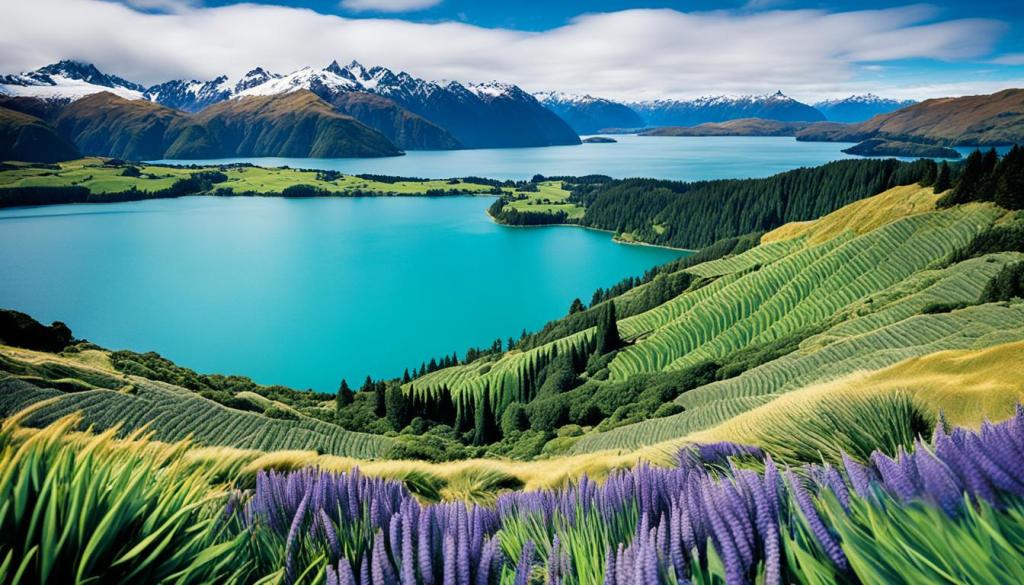
The “100% Pure New Zealand” campaign has been a hit for over 20 years. It has shown off New Zealand’s stunning nature through amazing travel videos. This campaign has made people fall in love with the country.
It makes people feel amazed and ready for adventure with its beautiful visuals. The videos show off New Zealand’s untouched landscapes, beautiful mountains, clear lakes, and lively cities. This makes people want to see it all for themselves.
“New Zealand is more than a place you visit; it’s a feeling that stays with you forever.” – “100% Pure New Zealand” Campaign
This campaign has won many awards, including the Cannes Lions. It mixes branding with stories to make New Zealand seem like a dream spot for those who love adventure and nature.
It has really helped New Zealand’s tourism. More people want to visit because of it. The campaign focuses on adventure, showing off things like bungee jumping and exploring places from the Lord of the Rings movies.
But, some say the campaign shows New Zealand as too perfect. They point out it doesn’t talk about the problems of too many tourists and how they affect the environment. Still, the campaign has made a big impact. It keeps inspiring people to visit New Zealand’s beautiful places.
| Awards | Year |
|---|---|
| Cannes Lions | 2002, 2003, 2004 |
| Effie Awards | 2005, 2010, 2014 |
| Webby Awards | 2009, 2013 |
Inspiring Personal Discovery: “Inspired by Iceland” Campaign
The “Inspired by Iceland” campaign shows how experiential travel campaigns can use social media to inspire people. It’s different from old-style travel ads. It uses short videos to show the many things Iceland offers. The goal is to make people curious and adventurous, wanting to visit Iceland and make their own travel stories.
This campaign uses social media to reach more people and get them excited about visiting Iceland. It uses beautiful visuals, great stories, and stories from real people. This makes a strong emotional connection with viewers, making them want to go on their own Icelandic adventure.
This campaign has gotten a lot of attention and won many awards. It has been recognized at the Webby Awards and the Cannes Lions International Festival of Creativity. The “Inspired by Iceland” campaign has been a big success. It has brought more tourists to Iceland and made the tourism industry more popular with young and diverse visitors.
Positives of the “Inspired by Iceland” Campaign:
- Uses short videos to grab people’s attention
- Focuses on personal stories to connect with travelers
- Uses social media to spread the word and reach more people
- Shows off Iceland’s many attractions and encourages people to explore
- Has won awards for its creativity and impact in travel
Negatives of the “Inspired by Iceland” Campaign:
- May not interest everyone who likes traditional travel ads
- Some say it doesn’t fully show Icelandic culture
Interactive and Authentic: The Swedish Number Campaign
The Swedish Number campaign changed the game in influencer tourism marketing. It took a fresh approach to promoting tourism online. People from all over the world could call a number and talk to a random Swedish citizen.

This campaign was simple yet exciting. It let people have real talks with Swedes. This gave a peek into Swedish life, culture, and traditions. It made people feel connected and sparked interest in visiting Sweden.
The campaign blew up online and got a lot of media attention. Its fresh take and realness won hearts worldwide. It became one of the top tourism campaigns in years.
Even though it didn’t win awards, its impact was huge. The Swedish Number made Sweden seem friendly and inviting. It encouraged travelers to see its history, landscapes, and cities.
But, some said the campaign could have done better. They felt it didn’t give enough info for people wanting to visit. Without clear plans or advice, some were left unsure how to plan a trip to Sweden.

Positives of the Swedish Number Campaign:
- An interactive and personal experience that connected people from different cultures and backgrounds
- Authentic representation of Swedish life and culture
- Viral sensation that generated significant online buzz and media coverage
- Strengthened Sweden’s reputation as a welcoming and open destination
Negatives of the Swedish Number Campaign:
- Lack of a clear call to action for potential travelers
- Inadequate practical information for individuals interested in visiting Sweden
| Positive Aspects | Negative Aspects |
|---|---|
| An interactive and personal experience that connected people from different cultures and backgrounds | Lack of a clear call to action for potential travelers |
| Authentic representation of Swedish life and culture | Inadequate practical information for individuals interested in visiting Sweden |
| Viral sensation that generated significant online buzz and media coverage | |
| Strengthened Sweden’s reputation as a welcoming and open destination |
Enhancing the Travel Experience: KLM’s “Hologram Bar” Campaign
KLM Royal Dutch Airlines’ “Hologram Bar” campaign changed how we think about travel. It used the latest holographic tech to make trips more exciting. This campaign aimed to build excitement and give travelers useful info about Amsterdam.

In some airports, travelers met a friendly hologram bartender. This bartender gave personalized tips on what to see and do in Amsterdam. It was a unique way to dive into the city’s culture before even arriving.
The hologram bartender was more than just a guide. It made the experience fun and interactive. Travelers got info that matched their interests, making their trip planning more thrilling. They learned about Amsterdam’s secret spots, popular places, and cultural treasures.
This campaign showed KLM’s dedication to amazing customer experiences through new marketing. By mixing tech with stories, KLM caught travelers’ eyes and made Amsterdam seem like a must-visit place.
Many travelers loved the “Hologram Bar” campaign, but some saw it as just a trick. It was meant to make travel better, but not everyone was sold on holographic tech in this setting.
Key Highlights of KLM’s “Hologram Bar” Campaign:
- Used the latest holographic tech to engage travelers
- Offered personalized tips for Amsterdam’s top sights
- Created a special touchpoint before the trip
- Showed KLM’s dedication to great customer experiences
Positives of the Campaign:
The “Hologram Bar” campaign was a hit for using digital tech to make travel personal and engaging. It gave travelers unique advice, helping them see more of Amsterdam than just the usual spots. This fresh approach got people talking and sharing online.
Negatives of the Campaign:
Even though it caught people’s attention, some thought the “Hologram Bar” was just a trick. Using holographic tech might have seemed too much or not really part of the trip. Also, it only reached travelers in a few airports, missing others.
Connecting Emotionally: Singapore’s “Passion Made Possible” Campaign
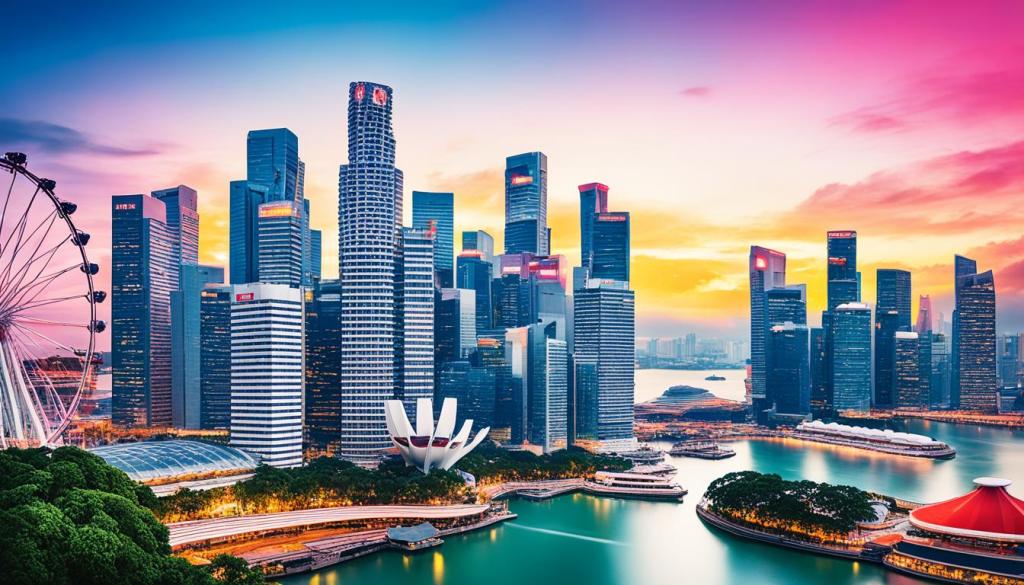
Singapore’s “Passion Made Possible” campaign is a top example of how to brand a destination and advertise tourism with data. It’s different from old campaigns that just show off tourist spots. This one focuses on the passion and hard work of Singaporeans. It tells deep stories and experiences, creating a strong bond with people who might visit.

This campaign makes Singapore more than just a place to visit. It shows the city as alive and always changing, driven by its people’s passions and dreams. By focusing on the locals, it makes the city feel real and connects with people all over the world.
Award-Winning Success
The campaign really hit home with viewers, earning many awards for its fresh take on branding a destination. It set a new bar for tourism ads, telling stories that touch people deeply.
The Power of Emotion
“Passion Made Possible” is great at making people feel something. It shares stories of Singaporeans from different backgrounds, showing the city’s culture and diversity. This makes viewers curious and eager to see Singapore for themselves.
“Passion Made Possible brought a fresh perspective to destination branding, capturing the hearts of travelers worldwide by emphasizing the genuine experiences and aspirations of Singaporeans.” – Travel Expert
Positive Impact
This campaign has greatly improved how Singapore is seen as a destination. It shows the city as a place where dreams and possibilities come together. By focusing on people and their stories, it stands out from other places and shows what makes Singapore special.
| Positives | Negatives |
|---|---|
| Creates emotional connection | May overlook certain aspects of Singaporean culture |
| Highlights cultural relevance | Does not provide a comprehensive representation of the destination |
| Engages audiences on a deeper level |
The “Passion Made Possible” campaign has made Singapore stand out as more than just its famous spots. It has touched people’s hearts, leaving a strong impression and making them want to see the city’s lively culture for themselves.
Greece Tourism : More than a Destination Campaign
Greece’s tourism campaign shows off the fun and relaxation in a stunning Mediterranean setting. It has beautiful islands, ancient ruins, and a vibrant culture. This makes Greece a unique place for travelers. The campaign uses short videos to take viewers to Greece’s beautiful landscapes and inviting atmosphere.

The campaign highlights Greece’s natural beauty, like the clear waters of Santorini and the stunning sunsets of Mykonos. These videos come with upbeat music and lively visuals. They show the joy and excitement that awaits in Greece. This appeals to people looking for a break from their daily life.
The objective Greece as a multifaceted travel experience that goes beyond traditional tourism, highlighting its rich history, culture, natural beauty, and culinary delights. The campaign associated each location in Greece with an emotion eg.Crete with Joy, Santorini with Relaxation and so on and so forth.
Some critics say the campaign oversimplifies Greece, focusing too much on fun and relaxation. They believe it doesn’t show the country’s cultural and historical depth. Yet, the campaign has made Greece a top choice for those wanting both fun and learning on their vacation.

Outcome
The campaign’s success comes from its visually appealing content. It appeals to those wanting to relax and unwind. By showing both the fun and cultural sides of Greece, it drew a wide range of travelers. This includes adventure lovers and history buffs.
Greece’s campaign shows how content marketing can tell a compelling story to potential visitors. It highlights the idea of enjoying and relaxing in a beautiful Mediterranean country. Greece offers something for everyone, from relaxation to adventure to cultural experiences.
Encouraging Environmental Awareness: Scotland and Portugal’s Tourism Campaigns
Scotland and Portugal are leading the way in environmental tourism. They use campaigns to teach people about the importance of taking care of nature. This helps keep their beautiful landscapes safe for the future.
The Scottish Approach
Scotland’s tourism campaign is all about leaving only footprints and taking memories. It teaches visitors to be kind to the environment. The country’s stunning highlands and lochs are shown as precious and fragile.

The campaign encourages sustainable travel by reducing carbon emissions and supporting local shops. This way, Scotland has become a top choice for eco-friendly tourists.
The Portuguese Connection
Portugal combines art and nature in its tourism campaign. The country’s beautiful coastlines, forests, and cities tell a story of balance between art and nature.
It highlights Portugal’s art and culture against its natural beauty. This approach attracts travelers who love adventure and culture.
These campaigns have won many awards for their creativity and impact. Scotland’s campaign is praised for its success in promoting sustainable tourism. Portugal’s campaign is celebrated for showcasing its art and nature.
A Positive Impact
These campaigns have made a big difference. Scotland and Portugal now see more sustainable tourism and responsible travel. Visitors are now more aware of their impact and look for experiences that match their values.
These campaigns have made Scotland and Portugal known as eco-friendly places. They’ve also made locals proud. The campaigns encourage everyone to help protect these beautiful places and their ecosystems.
Scotland and Portugal have set a great example for the world. They show that caring for the environment and tourism can work together. By promoting responsible travel, they’ve kept their natural beauty and given visitors unforgettable experiences.
These campaigns prove that taking care of the environment and tourism can go together. Scotland and Portugal show that by focusing on responsible travel, they can protect their natural beauty. This approach creates a lasting and meaningful experience for visitors.
Irreverence and Fun on Social Media: Museum Tourism Campaigns
Social media has changed how we connect and interact with the world. It’s also a key tool for tourism marketing. Museums use it to reach more people and show off what they offer in fun ways. They use the fun and creativity of social media to draw in visitors.
The Black Country Living Museum: TikTok Sensation
The Black Country Living Museum is in Dudley, England. It brings the region’s industrial past to life. To get more young people interested, the museum made funny TikTok videos.
These videos were short and showed off the museum’s exhibits and characters in a playful way. They quickly became a hit, getting millions of views and likes. This made young people curious about the museum and its unique attractions.
The campaign not only made more people aware of the museum but also brought in visitors from around the world.
The Metropolitan Museum of Art: #MetTwinning
The Metropolitan Museum of Art in New York City is famous for its huge collection of art from different times and places. To make art more appealing, the museum started the #MetTwinning campaign online.
The #MetTwinning campaign asked people to find art that looks like them or their friends. This led to lots of people sharing their finds online. It made the museum’s collection seem more diverse and brought art lovers together.
| Museum | Campaign | Location | Outcomes |
|---|---|---|---|
| Black Country Living Museum | TikTok Videos | Dudley, England | Millions of views and engagements on TikTok, increased museum awareness, and international visitors. |
| Metropolitan Museum of Art | #MetTwinning | New York City, United States | Wide participation, diverse user-generated content, increased accessibility and relatability of art. |
These examples show how social media can make museum campaigns fun and engaging. By using platforms like TikTok and getting people involved, museums can reach young audiences. These efforts have boosted awareness, visitor numbers, and made museums seem like fun places to visit.

Leveraging Unique Platforms: Tinder as a Tourism Marketing Tool
Tourism marketing has changed a lot with new platforms and channels. Tinder is one such platform that’s now used for more than dating. It’s a great way to promote tourist spots and reach different kinds of people.
The Royal Ontario Museum used Tinder in a smart way. They made a dating profile for Teddy the T. Rex. This caught the eye of young adults who might not have thought about visiting a museum before. It helped bring more people to the museum’s Friday Night Live event.
By using Tinder, the museum reached out to a new group of people. This made them curious about visiting. It’s a good example of how to use social media to draw in visitors.
The International Spy Museum also used a unique platform to get noticed. They made a podcast that mixes art and sound. This drew in podcast fans and helped the museum reach more people.
These museums show the value of thinking differently about marketing. Using Tinder and podcasts helped them reach people who might not have been interested in museums before. This way, places can connect with visitors in a more personal way.
Benefits of Leveraging Unique Platforms:
- Increased brand visibility
- Access to new target audiences
- Opportunity for creative and unconventional marketing campaigns
- Enhanced engagement and interaction with potential visitors
- Ability to stand out in a saturated market
But, using unique platforms for marketing has its challenges too. Making sure the platform fits with the destination is key. It’s important to be creative but also stay true to what you’re promoting.
| Platform | Tourism Campaign | Benefits |
|---|---|---|
| Tinder | The Royal Ontario Museum – T. Rex Teddy’s Profile | Engaged a younger audience Created buzz for the museum Influencer tourism marketing |
| Podcasts | International Spy Museum – Intersection of Sight and Sound | Expanded reach through digital tourism promotion Appealed to podcast listeners Increased brand exposure |
Gamifying the Tourism Experience: The Louvre and The Australian National Maritime Museum
Gamifying tourism has become key to drawing in younger visitors and making museums more interactive. The Louvre in France and The Australian National Maritime Museum are great examples of this success.
The Louvre’s “Time Princess: Story Traveller”
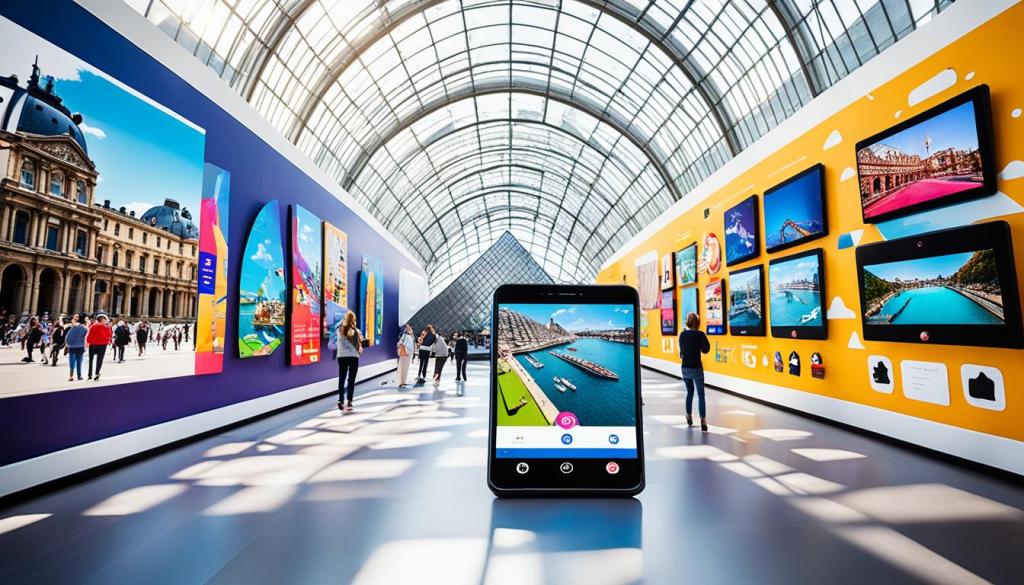
The Louvre, in the heart of Paris, is famous for its vast collection of historical art. To draw in visitors in a new way, the museum teamed up with the “Time Princess” app. They created the “Time Princess: Story Traveller” campaign.
This campaign lets players go on a journey through history. They can interact with art and figures from different eras. Players solve puzzles and complete quests related to the museum’s masterpieces. It’s a mix of storytelling, beautiful visuals, and game elements that makes it fun and educational.
This effort got a lot of attention and won awards. It brought in a new crowd of young visitors who might not have gone to an art museum before. The Louvre’s use of gamification has made art history more accessible and exciting.
The Australian National Maritime Museum’s “The Voyage”
In Australia, The Australian National Maritime Museum has also used gamification to improve the museum visit. Their online game, “The Voyage,” takes players on a virtual trip through convict history.
This game lets players make choices and face the challenges convicts did on their voyages to Australia. It’s been a hit, bringing in visitors and getting used in schools as a learning tool. By making history fun through gaming, the museum has found a new way to teach about Australia’s past.
The Impact of Gamifying the Tourism Experience
The Louvre and The Australian National Maritime Museum show how gamification can boost tourism. By tapping into gaming’s popularity, they’ve drawn in younger people and made museums more engaging.
Gamifying tourism has many benefits. It creates memorable experiences that stick with visitors. It also makes learning fun and easy to get into. With storytelling, great visuals, and interactive gameplay, these campaigns have changed how we interact with museums.
Overall, using gamification in tourism has been a smart move for museums. It helps them stay current and connect with a wide range of people. As technology gets better, we’ll likely see more travel campaigns that use gaming to improve the experience.
Podcasts as a Marketing Tool: The National Gallery of Art and the International Spy Museum
The National Gallery of Art and the International Spy Museum use podcasts to boost their marketing. They offer unique ways to connect with people through audio stories. These stories make history and art come alive for listeners.
The National Gallery of Art’s “Art + Ideas” Podcast
The “Art + Ideas” podcast by the National Gallery of Art combines art and sound. It explores how sight and sound connect. Museum experts host the show, diving deep into the collection and its stories.
Each episode focuses on a theme or artwork. It features interviews with artists, curators, and scholars. This podcast gives a new view on the museum’s collection.
This podcast has helped the National Gallery reach more people. Now, art lovers and curious minds worldwide can enjoy deep discussions about the museum’s collection.
The International Spy Museum’s “Spycast” Podcast
The “Spycast” podcast by the International Spy Museum takes you into the world of spies and espionage. It’s a journey through the secrets of the spy world. Listeners learn about the real-life stories of spies and their impact on history.
Experts in espionage share their stories and insights on the podcast. It’s a mix of history, storytelling, and the art of spying. This draws in a wide audience, from history fans to those interested in espionage.
The “Spycast” podcast has made the International Spy Museum more popular. It attracts people from all walks of life. The museum uses podcasts to offer engaging and educational content beyond its walls.
Podcasts have become a key marketing tool for the National Gallery of Art and the International Spy Museum. They use audio stories to reach new people and deepen connections with visitors. By promoting through podcasts, these museums make their content more accessible and appealing. This opens up new ways to explore art and history.
Finding Inspiration in Denver: Basecamp Denver Tourism Campaign
The Basecamp Denver Tourism Campaign is a standout in destination branding and experiential travel. It highlights Denver as the ideal spot for exploring the Rocky Mountains. The campaign takes viewers on a journey through Denver’s outdoor adventures and natural wonders.
This campaign uses a reality-show-style approach, featuring real people in outdoor activities. It makes viewers feel like they can relate to the people on screen. This sparks inspiration and a desire to explore Denver themselves.
It focuses on branding Denver as a destination. By showing off the city’s beauty, it makes Denver a top choice for those who love the outdoors and nature.
The campaign’s success was huge. It got a lot of attention and won awards for its fresh approach. It helped boost tourism in Denver and made it known as a place for adventure. Denver became seen as a spot for exciting experiences and memories.
The Positives:
- The reality-show-style format makes the campaign relatable and engaging.
- Showcases Denver’s natural beauty and the Rocky Mountains as a major attraction.
- The campaign creates a personal connection with viewers, sparking a desire to explore Denver.
- Won awards for its innovative approach and creative execution.
The Negatives:
- Could have provided more detailed information about specific outdoor activities and attractions in Denver.
- Targeted primarily at outdoor enthusiasts, may not have appealed to a wider audience.
The Basecamp Denver Tourism Campaign is a great example of how to inspire and engage travelers. By sharing real people’s experiences in Denver’s beautiful outdoors, it builds a strong emotional connection. It makes Denver the perfect basecamp for adventure in the Rocky Mountains.
Conclusion
This post has shown us the many ways to grab travelers’ attention and promote places. From the stunning “100% Pure New Zealand” campaign to the hands-on Swedish Number campaign, each one has its own way to stand out. They make people want to go on amazing trips.
Every campaign has its good and bad points. But, how well a campaign works depends on many things like who it’s for, how much money it has, and the culture. By looking at what worked and what didn’t, travel marketers can learn a lot.
These campaigns prove that telling stories, making a connection, and engaging people is key. But, not every campaign will be a hit right away. It takes a lot of planning, research, and knowing your audience to make a real impact. Also, it’s important to keep checking how well a campaign is doing. This helps to make changes and get better results.
In the end, the campaigns we’ve looked at offer great lessons for travel marketers. By using what they’ve learned and trying new things, they can make ads that really speak to people. This can lead to more people wanting to explore new places.
 Honest Reviews