Branding isn’t just about slapping a logo on something and calling it a day. It’s about crafting a personality so strong that your customers would recognize your brand even if it were blindfolded and whispering in Morse code. Enter Jean-Noël Kapferer’s Brand Identity Prism—a six-sided gem that helps you polish your brand to dazzling perfection.
Whether you’re building a startup or revamping a century-old business, the Brand Prism is the ultimate tool to define your brand’s essence, identity, and emotional connection with your audience. Let’s dive into this gem of a framework and learn how it works, along with 10 sparkling case studies to bring it to life.
What Is the Brand Identity Prism?
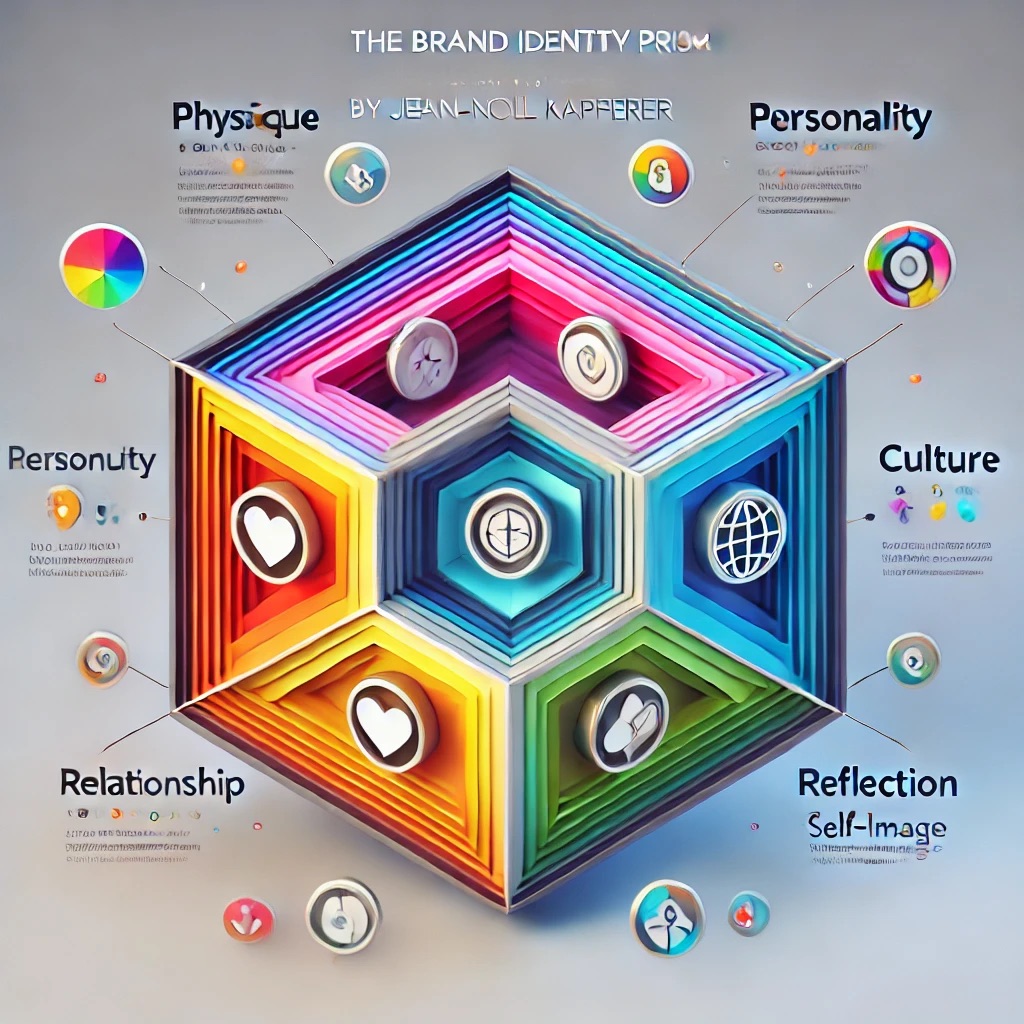
Jean-Noël Kapferer’s Brand Prism is a six-sided framework that helps brands articulate their identity. Think of it as your brand’s DNA—your defining traits, personality, and how you interact with the world. Each side of the prism represents an essential element of your brand:
1. Physique – What your brand looks like (logo, colors, design).
2. Personality – The brand’s character (quirky, professional, bold).
3. Culture – Your brand’s values and heritage.
4. Relationship – How your brand engages with customers.
5. Reflection – How customers perceive themselves through your brand.
6. Self-Image – How your customers feel when they use your brand.
Kapferer’s genius lies in how these elements work together to create a cohesive, multidimensional identity. Let’s explore each facet with witty explanations and real-world examples.
1. Physique: The Face of Your Brand
The physique is the visual and tangible representation of your brand. It’s what people first notice—logos, packaging, jingles, or even the iconic shape of your product.
Case Study: Coca-Cola
• Physique: The contoured glass bottle, the iconic red-and-white logo, and that unmistakable font.
• Impact: Even if “Coca-Cola” were written in Greek, you’d know it’s Coke.
Witty Tip: Make your brand physique so recognizable that even a toddler can pick it out of a lineup.
2. Personality: Your Brand’s Alter Ego
The personality is how your brand talks, behaves, and comes across. Is it fun and flirty like Tinder or serious and reliable like The Wall Street Journal?
Case Study: Old Spice
• Personality: Witty, over-the-top, and ridiculously confident.
• Campaign: “The Man Your Man Could Smell Like” turned quirky masculinity into a global sensation.
Witty Tip: Give your brand a personality your audience would want to hang out with—unless you’re a bank. Then, maybe just be dependable.
3. Culture: Your Brand’s Soul
Culture is the foundation of your brand—it’s your values, ethics, and heritage. This is where you showcase your roots and what you stand for.
Case Study: Patagonia
• Culture: Sustainability and environmental activism.
• Initiatives: “Don’t Buy This Jacket” campaign encouraged conscious consumption.
• Impact: Customers love Patagonia not just for its products but for its values.
Witty Tip: If your brand were a person, what would it passionately argue about at a dinner party?
4. Relationship: How You Engage
Relationships define how your brand interacts with its audience. Are you a mentor, a friend, or that cool neighbor who always has the latest gadget?
Case Study: Zomato
• Relationship: Quirky and relatable.
• Engagement: Their witty tweets and memes make them more than a food delivery app—they’re your online buddy.
• Impact: High engagement and top-of-mind recall for foodies everywhere.
Witty Tip: Build a relationship so good that your customers slide into your DMs—not your competitors’.
5. Reflection: The Mirror Effect
Reflection is how your customers perceive themselves through your brand. Does it make them feel adventurous, elegant, or like the life of the party?
Case Study: Nike
• Reflection: Customers see themselves as athletes, even if their “marathon” is just a 10-minute jog.
• Campaign: “Just Do It” inspires everyone, from couch potatoes to Olympians.
Witty Tip: Your brand should reflect your customers’ best selves—or at least their Instagram selves.
6. Self-Image: The Inner Self
Self-image is how your customers feel about themselves when they use your brand. It’s deeply personal and highly emotional.
Case Study: Apple
• Self-Image: Sophisticated, creative, and ahead of the curve.
• Impact: Owning an Apple product makes customers feel like part of an exclusive, innovative club.
Witty Tip: Make your customers feel like superheroes when they interact with your brand.
Here are some more examples of brands in relation to the Brand Prism Framework :
1. Amazon
• Physique: A to Z logo.
• Personality: Efficient and customer-obsessed.
• Culture: Relentless innovation.
• Relationship: Convenient and reliable.
• Reflection: Savvy shopper.
• Self-Image: Smart and resourceful.
2. Swiggy
• Physique: Fun, vibrant orange branding.
• Personality: Cheeky and spontaneous.
• Culture: Food-loving.
• Relationship: Quick and delightful.
• Reflection: Foodie explorer.
• Self-Image: “I make life delicious!”
3. Tesla
• Physique: Sleek car designs.
• Personality: Bold and visionary.
• Culture: Sustainability and innovation.
• Relationship: Aspiration meets functionality.
• Reflection: Futuristic thinker.
• Self-Image: “I’m part of the future!”
4. Starbucks
• Physique: Green logo, earthy vibes.
• Personality: Warm and inviting.
• Culture: Community-focused.
• Relationship: Your personal coffee artist.
• Reflection: Socially conscious individual.
• Self-Image: “I’m classy but down-to-earth.”
5. IKEA
• Physique: Blue and yellow logo, flat-pack furniture.
• Personality: Functional yet fun.
• Culture: Swedish efficiency.
• Relationship: Your home-design partner.
• Reflection: DIY expert.
• Self-Image: “I’m resourceful and creative.”
6. Louis Vuitton
• Physique: Iconic monogram.
• Personality: Luxurious and elegant.
• Culture: French heritage and craftsmanship.
• Relationship: A trusted luxury partner.
• Reflection: Worldly and sophisticated.
• Self-Image: “I’m part of the elite.”
7. Dove
• Physique: Simple, clean logo.
• Personality: Gentle and supportive.
• Culture: Body positivity and inclusivity.
• Relationship: Your skincare confidant.
• Reflection: Confident and beautiful.
• Self-Image: “I’m comfortable in my skin.”
8. Netflix
• Physique: Bold red logo.
• Personality: Fun and unpredictable.
• Culture: Disruptive and innovative.
• Relationship: Your binge-watching companion.
• Reflection: Trend-savvy entertainment buff.
• Self-Image: “I’m cool and up-to-date.”
9. McDonald’s
• Physique: Golden arches.
• Personality: Friendly and fast.
• Culture: Family-oriented.
• Relationship: Affordable indulgence.
• Reflection: Easygoing and fun.
• Self-Image: “I enjoy the simple pleasures.”
10. Adidas
• Physique: Three stripes.
• Personality: Athletic and competitive.
• Culture: Sports and streetwear.
• Relationship: Performance enhancer.
• Reflection: Fit and stylish.
• Self-Image: “I’m active and trendy.”
Why the Brand Prism Works
The Brand Prism forces you to think beyond just “selling stuff.” It makes you consider:
• How your brand looks (physique).
• How it behaves (personality).
• What it believes (culture).
• How it connects (relationship).
• What it reflects (customer perception).
• How it makes people feel (self-image).
This holistic approach helps you build an identity that sticks.
Closing Thoughts
The Brand Identity Prism by Jean-Noël Kapferer is the ultimate toolkit for creating a multidimensional brand. With its six facets, you’ll understand not just what your brand is, but how it makes people feel, think, and act. In a world where brands fight for attention like gladiators in the Colosseum of consumerism, mastering your Brand Prism could be the edge you need to win hearts (and wallets).
Whether you’re a budding entrepreneur or a seasoned marketer, Jean-Noël Kapferer’s framework is your roadmap to crafting a brand that’s not just seen but remembered. And who knows? With a little wit, personality, and purpose, your brand might just be the next Coca-Cola, Nike, or Netflix.
Let’s face it: your brand deserves to shine. So, polish that prism, and let the light shine through!
 Honest Reviews