In a world of glossy, high-budget commercials and cinematic ad masterpieces, something weird is happening. Brands are going low. I mean, really low-fi. Forget drone shots and million-dollar CGI. Lo-fi ad campaigns are here, and they’re messy, clumsy, and (surprise!) absolutely brilliant.
But wait… what is a lo-fi ad campaign?
What the Heck Is a Lo-Fi Ad Campaign?
Think of lo-fi ads as the “sweatpants” of the advertising world—relaxed, relatable, and refreshingly real. These ads ditch the polish of big-budget productions and embrace simplicity, rawness, and authenticity. Lo-fi campaigns are often shot on smartphones, use unpolished visuals, and rely on humor, irony, or nostalgia. They’re the TikTok videos of advertising: real, relatable, and sometimes hilariously awkward.
The beauty of lo-fi? It’s not trying too hard. And in an era where audiences can smell fake authenticity from a mile away, this unpolished approach feels like a breath of fresh air.
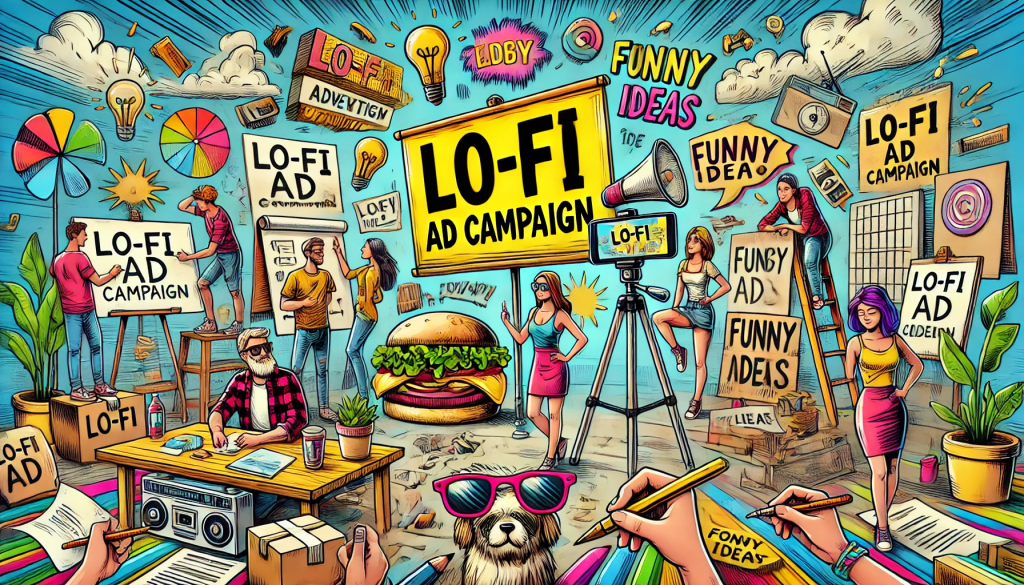
Why Are Lo-Fi Campaigns Taking Over?
1. Relatability is King: People love seeing ads that feel like something they (or their clumsy cousin) could’ve made.
2. Budget-Friendly: Why spend $10 million on a Superbowl ad when you can shoot a TikTok in your backyard and get the same attention?
3. Social Media Gold: Lo-fi content fits perfectly into platforms like Instagram, TikTok, and YouTube, where audiences crave authentic, engaging posts.
4. Nostalgia Appeal: These campaigns often mimic old-school aesthetics, giving off retro vibes that Millennials and Gen Z adore.
5. Anti-Perfection Movement: People are tired of airbrushed perfection. Lo-fi ads scream, “We’re just like you!” (even if they’re not).
How to Create a Lo-Fi Ad Campaign in 5 Simple Steps
Ready to embrace the mess? Here’s how to cook up a lo-fi ad campaign that slaps:
Step 1: Ditch the Fancy Gear
Put down the $5,000 camera and pick up your phone. Bonus points if your footage is a little shaky or slightly out of focus. Authenticity trumps production value.
Step 2: Embrace Awkward Humor
The best lo-fi campaigns lean into cringey, self-aware humor. Think of that one friend who’s unintentionally funny because they’re so awkward—that’s the vibe you’re going for.
Step 3: Keep It Real
Your talent doesn’t need to be models or actors. Use your intern, your neighbor, or your dog. The more “real,” the better.
Step 4: DIY Everything
From props to costumes, make it yourself (or borrow from your mom’s garage). Handwritten signs? Perfect. Cardboard props? Even better.
Step 5: Be Platform-Native
Lo-fi thrives on TikTok, Instagram Stories, and YouTube Shorts. Create content that feels like it belongs on the platform—not an ad interrupting it.
5 Viral Lo-Fi Ad Campaigns That Got It Right
Let’s look at some brands that nailed the lo-fi aesthetic and made millions laugh along the way.
1. Ryan Reynolds’ Mint Mobile Ads
When Ryan Reynolds launched his budget wireless company, Mint Mobile, he didn’t spend millions on slick ads. Instead, he used green screens, awkward jokes, and even stock footage to keep things hilariously simple. One ad featured a bar graph comparing Mint Mobile’s pricing to competitors with Reynolds narrating, “Look at this—it’s science!” The lo-fi charm was chef’s kiss.
Why It Worked: People loved the self-deprecating humor and the budget aesthetic—it matched the brand’s “affordable and honest” image.
2. TikTok’s Own Ads
TikTok’s ads about… TikTok? Meta. Instead of overthinking it, they showed users making goofy, relatable content. One ad was just a series of TikTok creators dancing badly, pulling pranks, and lip-syncing poorly. And you know what? It worked.
Why It Worked: It showcased the raw, lo-fi nature of TikTok itself. The campaign felt like an extension of the platform, not a corporate ad trying too hard.
3. Supreme’s Grainy VHS-Style Campaign
Streetwear brand Supreme went retro with a lo-fi campaign shot entirely on grainy VHS tape. The shaky footage, random cuts, and muffled audio felt like a 90s home video—and fans couldn’t get enough.
Why It Worked: It tapped into nostalgia while perfectly aligning with Supreme’s edgy, counter-culture vibe.
4. Burger King’s Moldy Whopper
Burger King made headlines by releasing an ad showing their Whopper decomposing over 34 days. Shot in time-lapse with no fancy editing or voiceover, the campaign boldly declared, “We’re removing artificial preservatives.”
Why It Worked: It was raw, real, and almost too gross to look away. The lo-fi aesthetic made the message (natural is better) even more powerful.
5. Fenty Beauty’s TikTok Campaigns
Instead of hiring Hollywood talent, Fenty Beauty tapped into TikTok creators to make lo-fi, user-generated-style content. These influencers showed off Fenty products with quirky transitions, clumsy dances, and relatable reviews.
Why It Worked: It felt organic and blended seamlessly with everyday TikTok content, making users trust the brand.
The Secret Sauce of Lo-Fi Ads
So, what’s the magic ingredient in lo-fi campaigns? It’s not about looking cheap. It’s about feeling real. Audiences today want brands to talk to them, not at them. Lo-fi ads make brands seem approachable, like that cool friend who doesn’t care about looking perfect.
When Should You Avoid Lo-Fi?
Not every brand can—or should—go lo-fi. Imagine if a luxury watch company tried to make a lo-fi campaign. Rolex with shaky camera work? Nope. Lo-fi works best for brands that:
• Have a playful, casual, or rebellious image.
• Want to connect with younger audiences.
• Can afford to experiment without harming their reputation.
Final Thoughts: Lo-Fi Is Here to Stay
Lo-fi ad campaigns are more than a trend—they’re a shift in how brands communicate. In a world where everyone’s trying to keep it “real,” these campaigns cut through the noise by actually doing it. So, embrace the awkward, the messy, and the wonderfully imperfect. Your audience will thank you (and maybe even laugh along).
Now go make a lo-fi ad. Just remember: the shakier, the better.
What’s your favorite lo-fi campaign? Share your thoughts in the comments below!
 Honest Reviews