In a world where attention spans are shorter than a TikTok video and competition is fiercer than Black Friday sales, getting your brand to stand out feels like an impossible mission. Enter the StoryBrand Framework—a marketing approach so clever and captivating it could make even the most boring brand sound like the next Hollywood blockbuster. Ready to find out how you can use it to woo your audience, boost sales, and live happily ever after? Let’s dive into this storytelling marvel!
What Is the StoryBrand Framework?
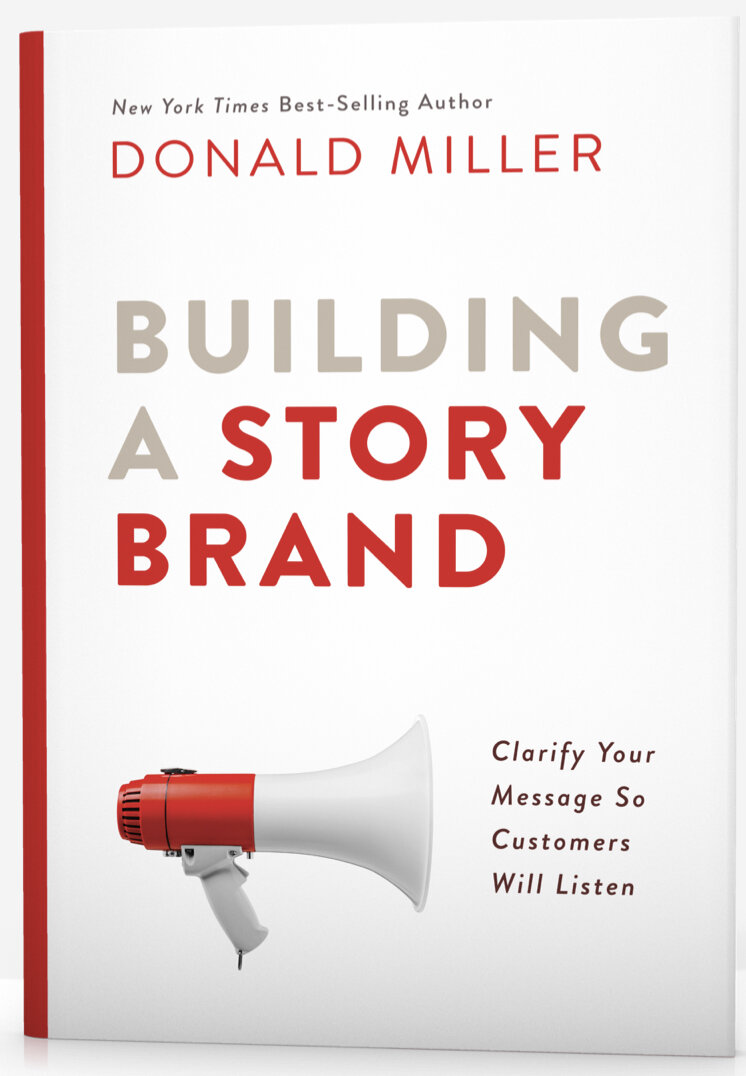
The StoryBrand Framework, created by marketing guru Donald Miller, is based on a simple but powerful idea: every brand should tell a story, and in that story, your customer is the hero—not your company. Yes, I hate to break it to you, but your company isn’t the knight in shining armor here. You’re more like the wise, quirky mentor helping the hero (your customer) conquer challenges. Think Yoda, not Luke Skywalker.
This framework flips traditional marketing on its head. It’s not about shouting how great you are—it’s about showing customers how you can solve their problems. Miller’s philosophy is built around seven key elements of storytelling, a structure borrowed straight from classic hero’s journey narratives.
Here’s the StoryBrand seven-part framework in a nutshell:
1. A Character (the hero = your customer)
2. Has a Problem (villain alert!)
3. Meets a Guide (that’s you!)
4. Who Gives Them a Plan (your solution)
5. And Calls Them to Action (buy the thing!)
6. That Ends in Success (happy ending = problem solved!)
7. And Helps Them Avoid Failure (nobody wants a tragic ending).
Simple, right? That’s the beauty of it. This structure taps into an ancient formula that humans instinctively understand and love.
How Does StoryBrand Apply to Marketing?
Let’s cut to the chase: if you’re not clearly telling customers how you can solve their problems, you’re losing them. Fast.
The StoryBrand Framework helps you simplify your message, so you don’t end up sounding like a jargon-filled robot. Customers don’t care about your industry awards, cutting-edge tech, or how your office has free kombucha on tap. What they care about is how you’ll make their lives better.
Here’s how StoryBrand works its marketing magic:
• Clarifies Your Message: You avoid the dreaded “curse of knowledge”—where you assume customers understand your complex offerings. (Spoiler: They don’t.)
• Builds Trust: When you position yourself as the guide, not the hero, you come across as helpful and approachable instead of self-centered.
• Drives Action: By painting a clear picture of what success looks like, customers are more likely to take action (a.k.a. buy your stuff).
What Is a StoryBrand BrandScript?
Ah, the BrandScript—the Holy Grail of the StoryBrand Framework! Think of it as your brand’s personalized cheat sheet to creating a compelling story.
The BrandScript breaks down the seven steps of the StoryBrand framework into actionable components. Here’s how it works:
1. The Hero (Customer): Who are they? What do they want? What keeps them awake at night?
2. The Problem: Define their external (practical), internal (emotional), and philosophical (moral) struggles.
3. The Guide (You): Show empathy (“We understand your pain”) and authority (“Here’s how we’ve helped others”).
4. The Plan: Lay out a simple, step-by-step roadmap for how your product/service will solve their problem.
5. The Call to Action: What do you want them to do? “Buy Now”? “Schedule a Call”? Keep it clear and direct.
6. The Success: Describe their life post-problem. Make it tangible, aspirational, and exciting.
7. The Failure: What happens if they don’t take action? Subtly highlight the stakes.
By the end of the BrandScript process, you’ve got a crystal-clear marketing message that’s ready to rock your website, ads, emails, and beyond.
StoryBrand Examples and Case Studies
Enough theory—let’s get to the fun part: real-world examples.
1. Apple (Yes, Again, but Hear Me Out)
Apple doesn’t just sell iPhones—they sell sleek solutions to your everyday struggles. Think about their tagline: “The ultimate device for everything you love.” It’s simple, customer-focused, and shows how they’ll solve your tech problems with ease.
2. Airbnb
Airbnb nailed the StoryBrand approach by making customers the heroes of their own travel adventures. Their messaging revolves around helping you “belong anywhere,” solving the problem of feeling disconnected in unfamiliar places.
3. Donald Miller’s Own Business
Meta alert! Donald Miller applied his own StoryBrand framework to his marketing agency. By offering workshops and guides on creating BrandScripts, he positions himself as the ultimate guide for brands navigating the murky waters of marketing.
Here’s an extended section with case studies and examples of how luxury brands, automobiles, and food brands have successfully applied the StoryBrand Framework or storytelling principles to elevate their marketing game:
4. Louis Vuitton: “The Journey Begins Here
Louis Vuitton doesn’t just sell luxury handbags—they sell the idea of adventure and timeless elegance. Their campaigns often focus on stories of wanderlust and personal exploration, with the luggage or handbag being a trusted companion on that journey.
• Hero (Customer): The sophisticated traveler with a taste for timeless style.
• Problem: Ordinary luggage doesn’t match their level of luxury or functionality.
• Guide (Louis Vuitton): A brand that understands the balance between heritage and modern design.
• Plan: “Pack your life’s moments with timeless sophistication.”
• Success: Customers feel stylish, confident, and unique wherever they go.
5. Rolex: A Lifetime of Achievement
Rolex’s marketing doesn’t scream “buy our watches.” Instead, it highlights moments of personal triumph and achievement. Their ads often showcase world-class athletes, adventurers, and leaders, implying that owning a Rolex is a mark of success.
• Hero (Customer): Someone ambitious, striving for greatness.
• Problem: How do you symbolize the milestones of success?
• Guide (Rolex): A trusted companion representing excellence and precision.
• Plan: “Wear a piece of history that matches your achievements.”
• Success: Customers feel rewarded for their accomplishments.
6. Chanel: The Power of Timeless Allure
Chanel has mastered the art of storytelling by focusing on their customers’ internal desire for sophistication and exclusivity. Their iconic tagline, “Coco Mademoiselle: I am who I am,” speaks directly to women who value individuality and class.
• Hero (Customer): A confident woman seeking elegance and self-expression.
• Problem: Mass-market products don’t reflect their unique identity.
• Guide (Chanel): A brand that offers exclusivity, empowerment, and timeless appeal.
• Plan: “Transform your presence with Chanel.”
• Success: Customers feel elegant and empowered.
7. Automobile Brands: Driving Emotional Connections
1. Tesla: Innovation for a Better Tomorrow
Tesla isn’t just about selling electric cars—it’s about reshaping the future of sustainable transportation.
• Hero (Customer): The eco-conscious trailblazer who loves technology.
• Problem: Gas-powered cars are harmful to the planet.
• Guide (Tesla): An innovative brand offering a guilt-free driving experience.
• Plan: “Transition to sustainable energy with Tesla.”
• Success: Customers enjoy luxury and eco-friendliness without compromise.
• Example Campaign: The “Future of Driving” ads showcase Tesla’s technology and sleek design, positioning them as the perfect fusion of sustainability and style.
2. BMW: “The Ultimate Driving Machine”
BMW’s storytelling revolves around the emotional experience of driving—power, control, and freedom.
• Hero (Customer): Ambitious individuals who value performance and sophistication.
• Problem: Ordinary cars can’t provide the thrill or prestige they crave.
• Guide (BMW): A brand that offers unparalleled engineering and luxury.
• Plan: “Drive the ultimate expression of performance and elegance.”
• Success: Customers feel powerful, exhilarated, and prestigious behind the wheel.
3. Mercedes-Benz: “The Best or Nothing”
Mercedes-Benz tells a story of legacy, engineering perfection, and an aspirational lifestyle.
• Hero (Customer): The discerning professional seeking sophistication.
• Problem: They want a car that reflects their accomplishments and tastes.
• Guide (Mercedes): A brand synonymous with innovation, safety, and luxury.
• Plan: “Drive excellence, experience luxury.”
• Success: Customers feel successful and confident, knowing they own a masterpiece.
Food & Beverage Brands: Stirring Up Emotional Connections
1. Coca-Cola: Open Happiness
Coca-Cola’s “Open Happiness” campaign is a textbook example of storytelling that resonates across cultures.
• Hero (Customer): Everyday people looking to enjoy life’s simple pleasures.
• Problem: Life can feel stressful and disconnected.
• Guide (Coca-Cola): A brand that symbolizes joy, connection, and shared moments.
• Plan: “Open a Coke, open happiness.”
• Success: Customers associate the brand with warmth, connection, and celebration.
2. McDonald’s: “I’m Lovin’ It”
McDonald’s makes its customers the hero by focusing on the universal joy of sharing meals and creating memories.
• Hero (Customer): Busy families, students, and individuals seeking comfort food.
• Problem: Time constraints and cravings for consistent, affordable meals.
• Guide (McDonald’s): A brand that offers familiarity and convenience.
• Plan: “Enjoy a moment of indulgence without the hassle.”
• Success: Customers leave satisfied, with happy memories tied to the golden arches.
3. Ben & Jerry’s: Ice Cream with a Cause
Ben & Jerry’s blends storytelling with activism, making their customers feel like they’re part of a movement.
• Hero (Customer): Socially conscious dessert lovers.
• Problem: Choosing between indulgence and supporting ethical causes.
• Guide (Ben & Jerry’s): A brand that combines fun flavors with a commitment to social justice.
• Plan: “Enjoy the creamiest ice cream while supporting meaningful change.”
• Success: Customers feel indulgent and altruistic at the same time.
These examples highlight how storytelling, especially through the StoryBrand Framework, can transform luxury, automobile, and food brands into powerful, emotionally resonant forces. By making customers the hero of the story and positioning themselves as the guide, these brands not only win hearts but also drive business success.
The Red Ocean vs. Blue Ocean Debate
Quick detour: StoryBrand aligns perfectly with the Blue Ocean Strategy. Instead of competing in saturated “red oceans” full of bloody competition, StoryBrand helps brands carve out “blue oceans” by standing out with clear, customer-focused messaging.
Key Takeaways
Here’s what you should walk away with (besides a burning desire to rewrite your marketing strategy):
1. Customers Are the Heroes: Your marketing should revolve around their needs and aspirations.
2. Clarity Is Key: Confusion repels customers faster than bad Wi-Fi. Keep your message simple and direct.
3. Emotions Sell: Tap into your customers’ internal struggles to create emotional connections.
4. Guides Win Hearts: Show empathy, share expertise, and position yourself as the trusty mentor.
5. Call to Action: Don’t shy away from asking for the sale—your audience needs to know what to do next.
Start Growing Your Business with StoryBrand
So, how do you get started with StoryBrand? It’s as easy as pie (assuming you’ve got a good recipe).
1. Create Your BrandScript: You can DIY it using resources from StoryBrand, or hire a certified guide to help you.
2. Apply It Everywhere: Revamp your website, emails, social media, and ads with your new, crystal-clear messaging.
3. Test and Refine: See what resonates with your audience and tweak accordingly.
In the immortal words of Donald Miller , “If you confuse, you’ll lose”, stop confusing people with complicated jargon and start telling a story they actually care about. Your customers (and your bottom line) will thank you.
Now, go forth and write your brand’s epic tale. Just remember: every hero needs a guide, and you’re the Gandalf of this journey. Good luck, and may your conversions be ever in your favor!
 Honest Reviews