Picture this: You’re trying to buy a pair of sneakers online, but somewhere between picking your size and entering your card details, you give up because—ugh, too much effort. That, my friend, is friction at work. Now imagine a world where friction isn’t just some annoying roadblock; instead, it’s a carefully crafted marketing tool used to influence decisions, enhance brand loyalty, and even make products and services irresistible. Welcome to the world of Friction as a Service (FAAS)—a game-changing (and borderline diabolical) strategy for marketers.
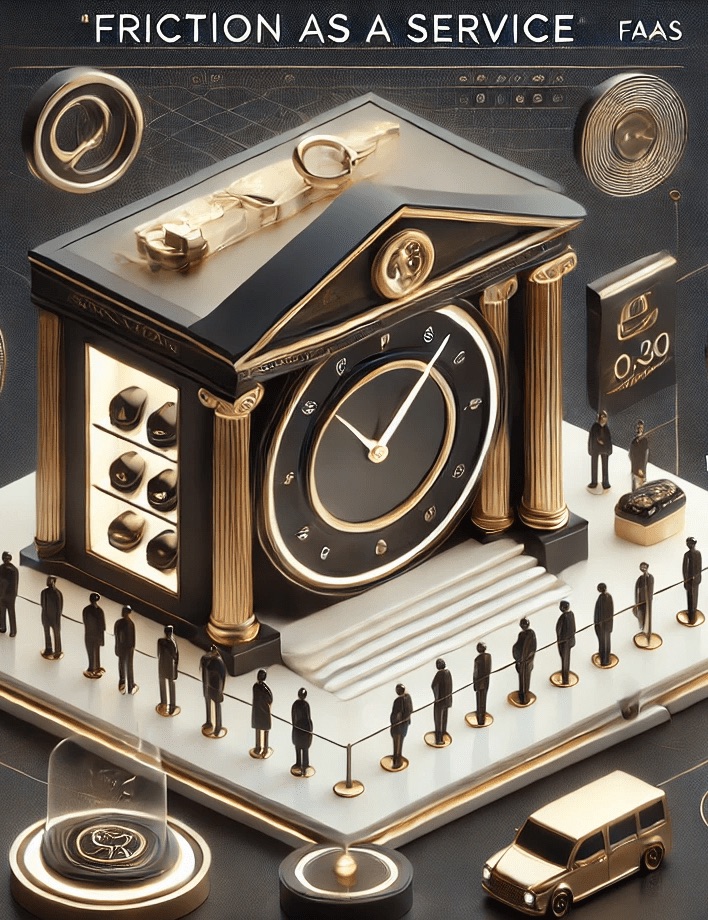
Before you roll your eyes, thinking, “Great, another buzzword,” hear me out. FAAS isn’t about annoying your customers; it’s about strategically using friction to enhance the user experience, create exclusivity, or even increase perceived value. Yes, friction, when used wisely, can actually help brands grow. Buckle up—this blog will take you through the concept, case studies, pros, cons, and everything you need to know about this fascinating marketing tool.
What Is FAAS (Friction as a Service)?
At its core, FAAS is the deliberate use of small obstacles, barriers, or “speed bumps” in the customer journey to drive behavior. It’s the opposite of the “smooth and easy” UX everyone tells you to aim for. Instead of removing every barrier, FAAS introduces controlled friction to:
• Slow down impulsive decision-making (for better long-term choices).
• Make customers feel like they’ve earned something.
• Create an illusion of scarcity or exclusivity.
• Add a layer of excitement or engagement.
Think of it as sprinkling just enough challenge to make things interesting without completely frustrating the user. It’s marketing’s version of a treasure hunt: you have to work for the reward, but that makes it even sweeter.
How Can FAAS Help Marketers?
FAAS is a marketer’s secret weapon for:
1. Boosting Engagement: Controlled friction makes users pause, reflect, and engage with your brand rather than mindlessly scrolling past it.
2. Driving Loyalty: Customers who put effort into earning rewards are more likely to stay loyal. It’s called the “I worked for this, so I value it more” effect (also known as the IKEA effect).
3. Creating Exclusivity: Friction can make your product feel like a members-only club. People love what they can’t easily get.
4. Encouraging Word-of-Mouth: When customers go through an experience that feels unique, they’re more likely to talk about it. (Think: “You HAVE to try this—it’s wild!”).
How FAAS Can Help Products, Services, and Brands Grow
When used strategically, friction can:
• Increase perceived value: Products that aren’t easily accessible are often seen as more valuable (hello, luxury brands).
• Enhance user experience: Wait, friction and “better experience” in the same sentence? Yep. Think of how games use levels—you work a little, win a little, and feel amazing.
• Drive emotional connection: Overcoming friction creates a sense of achievement and a stronger emotional bond with the brand.
• Filter out non-serious users: A bit of friction can separate casual browsers from serious buyers, increasing conversion rates.
Case Studies: Brands Winning with FAAS
1. Supreme: The King of Friction
Ever tried buying a Supreme hoodie? It’s not just shopping—it’s an Olympic sport. Supreme thrives on friction by making its products available only in limited quantities, through exclusive drops, at odd times. The result? Frenzied demand, mile-long lines, and items reselling for 10x their original price.
Takeaway: Controlled scarcity plus a bit of chaos = skyrocketing demand.
2. Duolingo’s Daily Streaks
Duolingo doesn’t make language learning easy—and that’s the point. The app uses streaks and leaderboards to introduce just enough friction to keep users engaged. Skip a day, and you feel the pang of losing your streak. That tiny barrier motivates users to keep coming back.
Takeaway: Add friction to build habits and loyalty.
3. Amazon Prime’s “Wait or Pay” Strategy
Amazon Prime is all about instant gratification—until you choose “no-rush shipping.” By offering incentives (like digital credits) for opting out of fast shipping, Amazon adds a layer of choice friction that benefits both the user and the company.
Takeaway: Give customers a choice, and make friction rewarding.
4. Clubhouse’s Invite-Only Model
Remember when Clubhouse was all the rage? Its invite-only launch created a sense of exclusivity that made everyone want to join. The friction of needing an invite turned it into a status symbol overnight.
Takeaway: Exclusivity, powered by friction, is a growth hack.
5. Nike’s Sneaker Drops
Nike’s SNKRS app turns buying shoes into a competitive game. Limited-edition sneakers are released at random times, and only the fastest fingers win. The app’s friction-filled process—alerts, countdowns, and lotteries—creates hype and loyalty.
Takeaway: Make the buying process exciting, not easy.
6. Rolex: The Master of Time—and Friction
Rolex is the ultimate example of luxury friction. Want to walk into a store and buy a Rolex Daytona today? Good luck. Rolex thrives on friction through artificial scarcity and exclusivity. The brand intentionally limits supply, even for its most popular watches. The waitlists are long, and only select customers (those with a relationship with the retailer or proven “worthiness”) are offered access to the most sought-after models.
Even after getting the opportunity to buy one, customers face the unspoken expectation of owning several Rolex watches before they can buy the “holy grail” models like the Daytona. Rolex’s friction is designed to create desire, fuel brand mystique, and turn the watch-buying process into an emotional journey.
Takeaway: Exclusivity created by friction makes luxury brands aspirational and coveted.
7. Hermès: The Birkin Waiting Game
The Hermès Birkin bag is not just a handbag—it’s a status symbol, thanks to its legendary friction-filled journey. First, you can’t simply walk into an Hermès store and buy a Birkin. You have to earn it. This often involves building a purchase history with the brand and proving you’re a loyal customer. Even then, the bags are released in limited quantities, with unpredictable color and size options, making each purchase feel like winning the lottery.
Hermès deliberately uses friction to elevate the perceived value of its products. The effort involved in obtaining a Birkin adds to its allure and justifies its hefty price tag (anywhere from $10,000 to $500,000). The scarcity and exclusivity are so effective that the Birkin has become a pop culture icon, and its resale market often exceeds retail prices.
Takeaway: Friction can transform a product into an icon by making the purchase process part of the allure.
8. Tesla’s Reservation System
While Tesla is not a traditional luxury brand, it uses FAAS principles to create excitement and exclusivity. When Tesla launches a new model, customers can’t simply order the car and drive off. Instead, they must pay a deposit to secure their spot in line—and then wait.
For instance, when the Cybertruck was announced, Tesla required a $100 reservation fee for a vehicle that wouldn’t be delivered for years. This friction not only built anticipation but also created a sense of exclusivity and loyalty among early adopters. Customers felt like they were part of an elite club waiting for something revolutionary.
Takeaway: Controlled delays and pre-order systems can create hype and build emotional investment in a product.
9. Chanel: The Price Hike Strategy
Chanel, one of the world’s most iconic fashion houses, uses friction in the form of scarcity and intentional price increases. The brand regularly raises prices on its classic handbags, like the Chanel 2.55 or the Classic Flap bag, by as much as 15% annually.
The result? Customers feel a sense of urgency to buy before the next price hike, knowing the bag will become even more expensive. Chanel also limits its product availability, ensuring that only select pieces are offered in specific stores. This combination of friction—price increases and scarcity—creates exclusivity, elevates perceived value, and drives demand.
Takeaway: Controlled friction, such as price hikes and limited availability, can increase a product’s aspirational appeal.
10. Gucci’s DIY Program
Gucci has added a unique twist to its luxury offerings by introducing the “DIY” (Do It Yourself) personalization program for certain products, including their iconic Ace sneakers and Dionysus bags. But here’s the catch: customization comes with friction.
First, the DIY options are only available at select flagship stores. Second, the process is complex—you’ll have to make an appointment with a Gucci specialist to guide you through the intricate customization journey. It’s not a simple online checkbox; it’s a deliberate and immersive process.
Gucci’s DIY program adds friction to elevate the personalization experience. Customers feel like they’ve co-created something unique, increasing their emotional attachment to the product.
Takeaway: Friction in the form of personalized experiences can make customers feel special and drive loyalty.
These luxury brand case studies highlight how friction isn’t just about inconvenience—it’s about creating meaning, exclusivity, and desire. Whether it’s through scarcity, waiting, or personalization, friction has the power to transform luxury products into cultural icons.
Pros and Cons of FAAS
Pros:
1. Increased engagement: Friction keeps customers hooked.
2. Enhanced brand value: Scarcity and exclusivity can boost your brand’s perception.
3. Stronger loyalty: Customers value what they work for.
4. Unique experiences: FAAS sets your brand apart from competitors.
Cons:
1. Risk of frustration: Too much friction, and customers will walk away.
2. High stakes: Miscalculating the balance can backfire spectacularly.
3. Limited audience: Not everyone has the patience for friction-heavy experiences.
4. Implementation challenges: FAAS requires careful planning and execution.
Key Takeaways
1. Balance is everything: The right amount of friction is exciting; too much is maddening.
2. Know your audience: FAAS isn’t one-size-fits-all. What works for sneakerheads might not work for grocery shoppers.
3. Make it rewarding: Friction is tolerable—even enjoyable—when there’s a clear payoff.
4. Use storytelling: Friction works best when it’s part of a larger brand narrative.
5. Experiment and iterate: Test different levels of friction to find what resonates with your customers.
Conclusion
Friction as a Service might sound counterintuitive, but it’s a brilliant way to stand out in a world obsessed with ease and instant gratification. By adding small, purposeful challenges, brands can create more engaging, memorable, and rewarding customer experiences.
But remember: FAAS is a double-edged sword. Use it wisely, or you’ll risk alienating your audience faster than you can say “abandoned cart.”
So, the next time you’re designing a marketing campaign or product experience, ask yourself: How can I use friction to make this unforgettable? Because sometimes, the road less traveled is the one your customers will love the most.
Now, go forth and embrace the art of strategic inconvenience—and watch your brand grow like never before!
 Honest Reviews
One thought on “FAAS: Friction as a Service – The New Frontier in Marketing”