Imagine this: You’re a beautiful, historic, culturally rich destination. But no one visits you. People think you’re outdated, boring, or worse—unsafe. Meanwhile, your flashy neighbor (let’s call it Paris) is stealing all the attention. What do you do? You rebrand!
Welcome to the fascinating world of destination rebranding, where cities, countries, and entire regions undergo a PR makeover to change perceptions, attract visitors, and sometimes, completely rewrite their identity.
In this blog, we’ll explore:
✔ What destination rebranding is (and why it’s like a midlife crisis—but in a good way)
✔ Why places rebrand (hint: nobody wants to be “that” destination)
✔ How to do it right (without looking desperate)
✔ 10 epic destination glow-ups (with their killer campaigns)
✔ Key takeaways for a destination that needs an image boost
Let’s dive in!
What is Destination Rebranding?
Think of destination rebranding like a travel influencer’s Instagram feed—one day, they’re all about Bali’s beaches, the next, they’re hiking in Patagonia. The vibe, messaging, and audience shift, but the goal remains the same: Get noticed. Get loved. Get visited.
Essentially, rebranding a destination means changing how people perceive it. This can include:
• A new logo, slogan, and visuals
• A fresh marketing campaign
• Targeting a different audience
• Revamping infrastructure to match the new image
• Cleaning up reputational messes (we’re looking at you, cities once known for crime and pollution!)
Some places do it subtly, while others go all out—think “Las Vegas: What Happens Here, Stays Here.” That’s branding genius at work!
Why Do Destinations Rebrand?
There’s always a reason behind a rebrand, and usually, it’s one (or more) of these:
1. Outdated Image Syndrome
• Some places are stuck in the past. (Looking at you, cities still advertising with brochures from the ‘90s!)
• Example: Dubai—once a sleepy desert trading hub, now a futuristic tourism powerhouse.
2. Damage Control
• A destination’s reputation takes a hit due to crime, natural disasters, or negative press.
• Example: Colombia—once known for cartels, now a rising hotspot for adventure travel.
3. Too Much of One Thing
• Places famous for a single attraction might rebrand to highlight new experiences.
• Example: Amsterdam—moving away from its “red-light district” reputation to focus on arts and culture.
4. Targeting New Travelers
• Want millennials? Rebrand. Need luxury tourists? Rebrand. Looking for eco-conscious travelers? You know what to do.
• Example: Costa Rica—rebranded as an eco-tourism haven.
5. Major Events Coming Up
• Hosting a World Cup? An Olympics? You better look good!
• Example: South Africa before the 2010 FIFA World Cup—total rebrand!
How to Rebrand a Destination Effectively
Rebranding isn’t just slapping a new logo on a city and hoping for the best. Here’s how to do it right:
1. Understand What’s Wrong
Before you fix an image, you need to know what’s broken. Conduct surveys, analyze tourist data, and monitor social media chatter.
2. Find Your Unique Selling Point (USP)
Every place has something special. Whether it’s food, history, nature, or nightlife—highlight what makes you different.
3. Create a Killer Campaign
A strong tagline, stunning visuals, and a clear message are key. (Bonus points if it goes viral!).
4. Improve Infrastructure & Experience
No one likes a place that looks great in ads but feels disappointing in person. Fix roads, improve public spaces, and enhance tourist experiences.
5. Engage Locals
If your own residents aren’t excited about the rebrand, neither will visitors be. Make sure locals are part of the journey!
6. Use Influencers & Social Media
Because let’s be honest—if it’s not on Instagram, did it even happen?
Epic Destination Rebranding Success Stories
1. Colombia: From Cartels to Culture
The Problem
In the 1980s and 1990s, Colombia was synonymous with drug cartels, violence, and kidnappings. Shows like Narcos reinforced this dark image, scaring off potential tourists. Even after the country improved, the stigma remained.
The Rebrand
Colombia launched an aggressive tourism campaign to highlight its vibrant cities, adventure tourism, and warm hospitality.
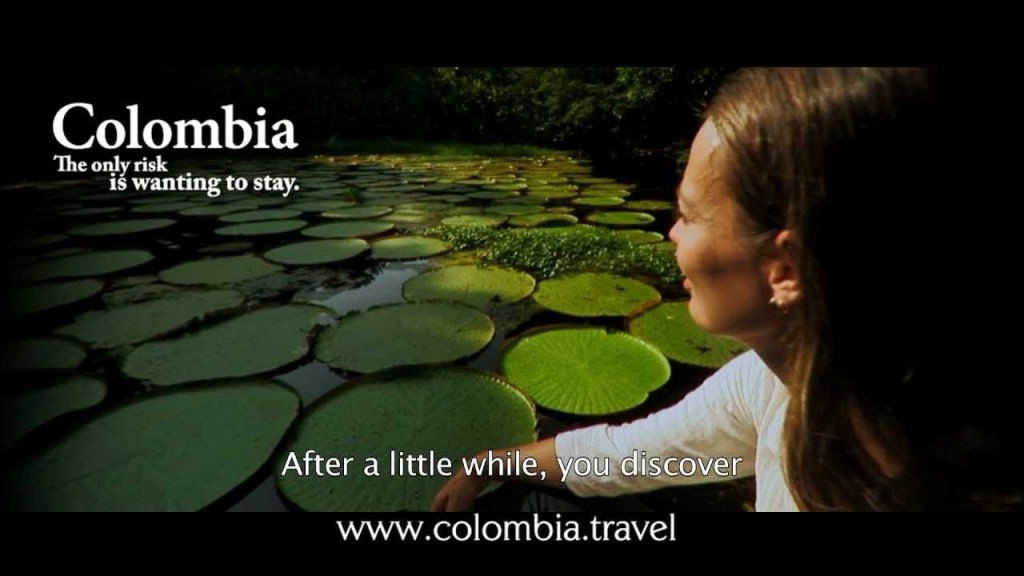
Tagline: “Colombia: The Only Risk is Wanting to Stay.”
What Worked:
• Promoted adventure tourism (hiking, diving, coffee plantations).
• Focused on cultural gems like Medellín’s street art and Cartagena’s colonial charm.
• Highlighted safety improvements, reducing crime rates significantly.

The Result
From under 600,000 tourists in 2000 to over 4 million in 2019. Today, Medellín is considered one of the most innovative cities in the world.
Old Perception: Dangerous, drug cartels, unsafe.
New Image: Vibrant, colorful, adventure-packed paradise.
Campaign: “Colombia: The Only Risk is Wanting to Stay”
What Worked: Focused on adventure tourism, street art, coffee culture, and improved safety.
2. Dubai: From Desert to Dream City
The Problem
Dubai was once a small desert town known for its oil economy, lacking any major global tourism appeal.
The Rebrand
Dubai decided to position itself as the ultimate luxury and innovation hub.
Tagline: “Definitely Dubai.”

What Worked:
• Constructed iconic landmarks (Burj Khalifa, Palm Jumeirah).
• Focused on luxury tourism, with extravagant hotels like the Burj Al Arab.
• Hosted world-class events like Expo 2020 and the Dubai Shopping Festival.
The Result
Dubai now welcomes over 16 million tourists annually, becoming one of the most visited cities in the world.
Old Perception: Barren desert, oil economy.
New Image: Luxury, innovation, and world-class tourism.
Campaign: “Definitely Dubai”
What Worked: Futuristic attractions (Burj Khalifa, Palm Jumeirah), world-class events, and global marketing.
3. Amsterdam: Beyond the Red Lights
The Problem
Amsterdam was widely perceived as a party city—known for its red-light district, cannabis culture, and rowdy tourists.
The Rebrand
The city wanted to attract a more cultured and responsible audience.
Tagline: “I amsterdam.”

What Worked:
• Shifted focus to museums, arts, and sustainability.
• Restricted mass tourism by discouraging excessive stag parties.
• Promoted biking culture and eco-friendly travel.
The Result
A shift from backpackers to a more diverse set of travelers interested in history, art, and lifestyle.
Old Perception: Party city, weed tourism, stag parties.
New Image: Cultural, artistic, sustainable.
Campaign: “I amsterdam”
What worked : Biking culture, and local experiences while cracking down on nuisance tourism.
4. New Zealand: The Middle-Earth Magic
The Problem
New Zealand was often overlooked as a small, remote island without much global appeal.
The Rebrand
With the help of The Lord of the Rings franchise, New Zealand embraced its fantasy landscapes and adventure tourism.
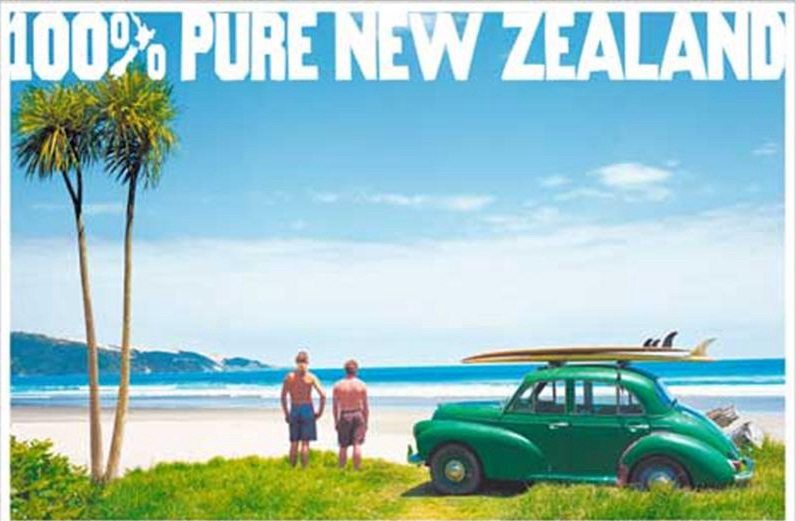
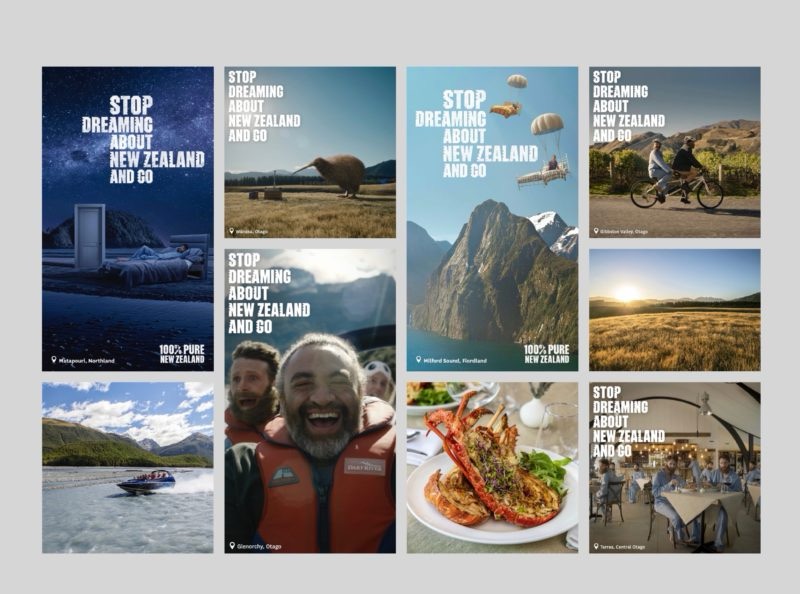
Tagline: “100% Pure New Zealand.”
What Worked:
• Leveraged Hobbiton and Middle-Earth tourism.
• Promoted extreme sports (bungee jumping, skydiving).
• Highlighted eco-tourism and conservation.
The Result
Tourism jumped from 1.8 million in 2000 to over 4 million before the pandemic.
Old Perception: A quiet island nation.
New Image: The adventure capital of the world.
Campaign: “100% Pure New Zealand”
What Worked: Leveraged The Lord of the Rings fame, focused on nature and adventure sports.
5. South Africa: A World Cup Win
The Problem
South Africa struggled with negative perceptions of crime and post-apartheid instability.
The Rebrand
Hosting the 2010 FIFA World Cup helped change South Africa’s image to one of diversity, sport, and adventure.
Tagline: “Alive with Possibility.”
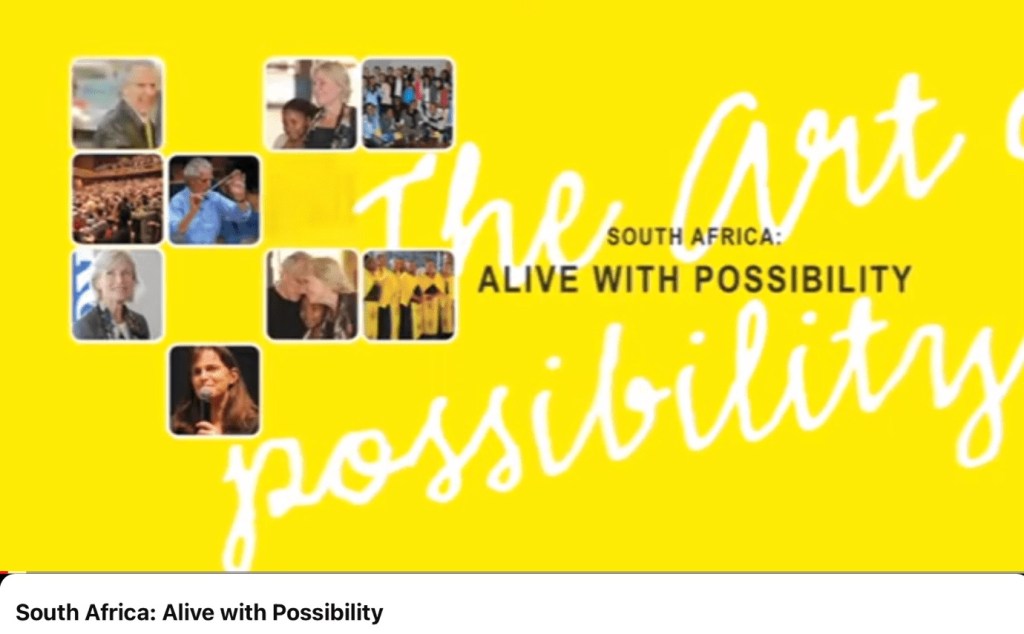
What Worked:
• Used the World Cup as a global marketing platform.
• Focused on wildlife tourism (Kruger National Park).
• Promoted Cape Town’s beauty and Johannesburg’s urban revival.
The Result
South Africa’s tourism industry boomed post-2010, with an increase in international arrivals by 200%.
Old Perception: Crime-ridden, apartheid history.
New Image: Sport, wildlife, and culture hub.
Campaign: “Alive with Possibility”
What Worked: World Cup hosting boosted tourism and confidence.
6. Iceland: From Crisis to Tourism Boom
The Problem
Before the 2008 financial crisis, Iceland was seen as expensive and unapproachable.
The Rebrand
With its economy in trouble, Iceland turned to tourism as a savior.
Tagline: “Inspired by Iceland.”

What Worked:
• Launched a viral social media campaign featuring locals.
• Focused on natural wonders (Northern Lights, Blue Lagoon).
• Encouraged budget airlines to offer stopover deals.
The Result
Tourism skyrocketed from 500,000 visitors in 2010 to 2.3 million by 2019.
Old Perception: Cold, remote, expensive.
New Image: Hip, Instagrammable, nature-packed escape.
Campaign: “Inspired by Iceland”
What Worked: Viral marketing, social media campaigns, and influencer collaborations.
7. Las Vegas: The Ultimate Party Rebrand
The Problem
Las Vegas was primarily marketed as a gambling hub, but as interest in casinos declined among younger generations, the city needed to broaden its appeal.
The Rebrand
Vegas expanded beyond casinos, positioning itself as an entertainment and experience-driven destination.
Tagline: “What Happens Here, Stays Here.”
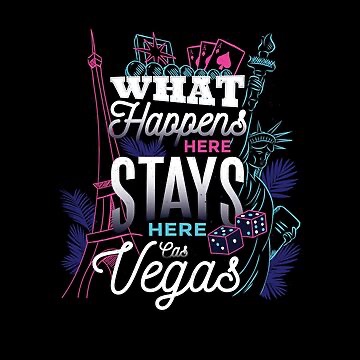
What Worked:
• Focused on live entertainment (Cirque du Soleil, music residencies).
• Promoted high-end dining and nightlife beyond just casinos.
• Built family-friendly attractions (The High Roller, The Sphere).
The Result
Tourism rebounded, attracting younger audiences with music festivals, sports events, and luxury experiences.
Old Perception: Mafia town, gambling hub.
New Image: Entertainment capital of the world.
Campaign: “What Happens Here, Stays Here.”
What Worked: Embraced the bad image and turned it into a marketing goldmine.
8. Bhutan: Selling Exclusivity
The Problem
Bhutan, a small Himalayan kingdom, was relatively unknown and lacked mass tourism infrastructure.
The Rebrand
Bhutan rebranded itself as an exclusive, sustainable travel destination, emphasizing its unique “Gross National Happiness” philosophy.
Tagline: “Happiness is a Place.”
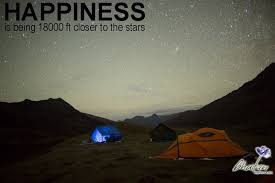
What Worked:
• Limited tourism by implementing a high daily visitor tariff ($200–$250 per person).
• Promoted cultural preservation and eco-tourism.
• Highlighted Bhutan’s commitment to being carbon-negative.

The Result
Bhutan positioned itself as a high-value, low-impact travel destination, attracting mindful travelers instead of mass tourism.
Old Perception: Unknown, isolated.
New Image: The last Shangri-La, sustainable tourism paradise.
Campaign: “Happiness is a Place”

What Worked: Limited tourists, high-value experiences, focus on Gross National Happiness.
9. Spain’s Basque Country: Beyond Bullfights and Beaches
The Problem
Spain’s Basque Country was once associated with ETA separatist violence and overshadowed by cities like Madrid and Barcelona.
The Rebrand
The region focused on its culinary excellence, modern architecture, and rich culture.
Tagline: “Basque Country: A Different Spain.”

What Worked:
• Highlighted Michelin-starred restaurants in San Sebastián.
• Showcased the Guggenheim Museum in Bilbao as a cultural landmark.
• Emphasized its surf-friendly coastline and green landscapes.

The Result
Basque Country now attracts foodies, art lovers, and adventure travelers, distinguishing itself from the rest of Spain.
10. Peru: From Ruins to Riches
Old Perception: Only about Machu Picchu.
New Image: Culinary and cultural hotspot.
Campaign: “Peru, the Richest Country in the World”
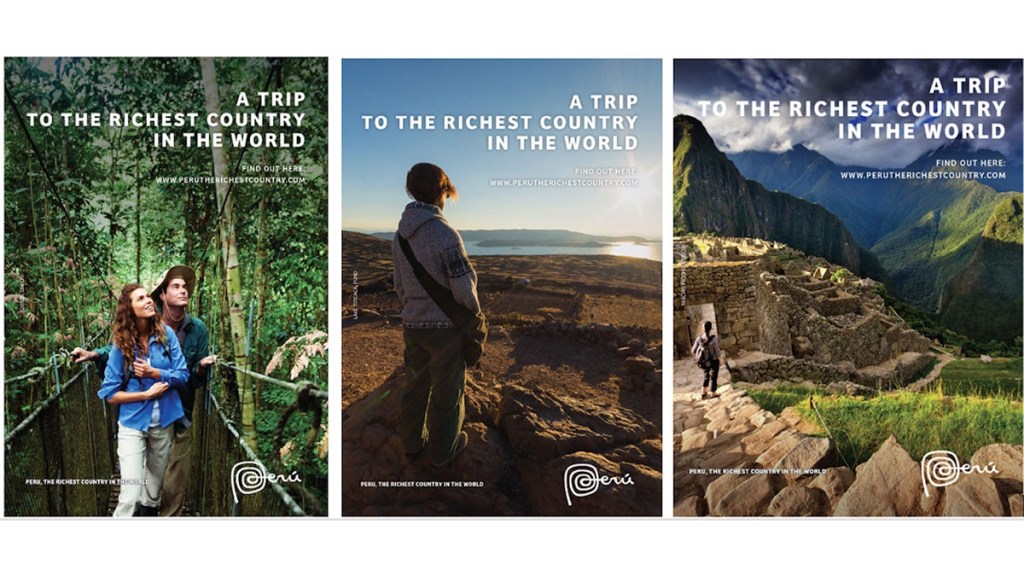
What Worked: Promoted Peruvian cuisine, cultural heritage, and adventure tourism.
11. Japan: From Workaholic Image to Cool Cultural Hub
The Problem
Japan was often viewed as a corporate, rigid, and expensive destination.
The Rebrand
Japan embraced its pop culture, heritage, and futuristic appeal to attract younger and more diverse travelers.
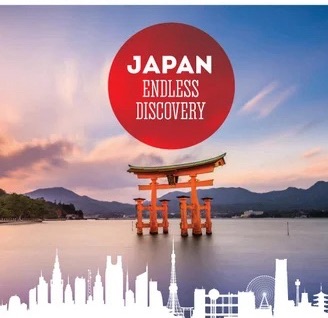
Tagline: “Japan. Endless Discovery.”
What Worked:
• Leveraged anime, gaming, and pop culture (Akihabara, Studio Ghibli).
• Promoted historical and natural sites (Kyoto, Mt. Fuji).
• Introduced visa-free travel and affordable transport options.
The Result
Japan’s tourism soared from 8 million visitors in 2012 to 32 million by 2019.
Key Takeaways for an Effective Destination Rebrand
✅ Fix the problems first. No amount of marketing can hide bad infrastructure or safety concerns.
✅ Find your unique identity. Don’t copy another destination—highlight what makes you special.
✅ Create a bold, memorable campaign. A great slogan + strong visuals = winning formula.
✅ Leverage social media and influencers. Because let’s face it—word of mouth is digital now.
✅ Make sure locals love it too. Happy residents = happy tourists.
So, is your city or country in need of a rebrand? Time to give it the glow-up it deserves!
What’s your favorite destination rebrand? Let’s chat in the comments! 🚀
 Honest Reviews