Ever felt the urge to dive into a world where deadlines don’t exist, and your boss is a talking dolphin named Gary? Welcome to the enchanting realm of escapism in marketing—a strategy that whisks consumers away from their daily grind into mesmerizing brand-crafted fantasies.
What is Escapism in Marketing?
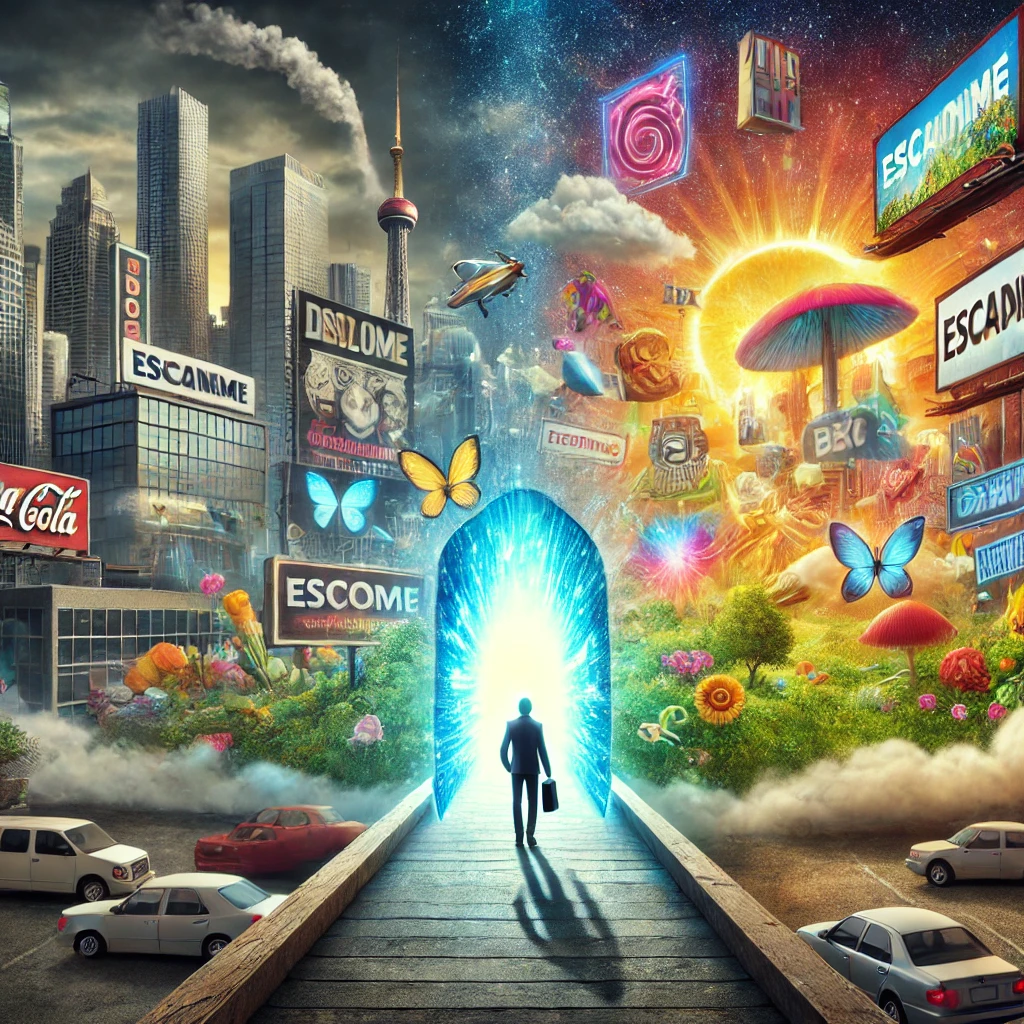
Escapism in marketing is like handing consumers a golden ticket to Willy Wonka’s factory, minus the questionable child labor practices. It’s about creating immersive experiences that allow individuals to momentarily step away from reality and indulge in a captivating alternate universe. Brands achieve this through storytelling, immersive environments, and interactive content that transport consumers into a different world, offering a delightful respite from their everyday lives.
How is it Done?
Implementing escapism in marketing involves several key strategies:
1. Immersive Storytelling: Crafting narratives that pull at the heartstrings or tickle the funny bone, making consumers feel like they’re part of an epic saga or a hilarious sitcom.
2. Virtual and Augmented Reality: Using VR and AR technologies to create interactive experiences, allowing consumers to explore new worlds or see the real world with a fantastical twist.
3. Experiential Events: Hosting events that transform ordinary spaces into extraordinary realms, like turning a city park into a medieval fairground or a futuristic spaceport.
4. Fantasy-Themed Campaigns: Developing campaigns that incorporate elements of fantasy, science fiction, or surrealism to create a sense of wonder and escape.
Global Case Studies
1. Jacquemus’ Surreal World-Building: The fashion brand Jacquemus crafts visual narratives that feel like stepping into a high-fashion fever dream, creating entire worlds that captivate and transport consumers.
2. Valentino’s Fantastical Shows: Valentino has embraced escapism by producing elaborate, fantastical fashion shows that offer audiences a surreal experience, blending fashion with imaginative storytelling.
3. Burberry’s Surreal Campaigns: Burberry has successfully integrated surreal elements into their campaigns, generating significant engagement by offering consumers an escape from the ordinary.
4. Saint Laurent Productions: Saint Laurent has evolved into an entertainment studio, creating immersive narratives through cinematic storytelling, offering consumers a new form of escapism.
5. Miu Miu’s Women’s Tales: Miu Miu’s Women’s Tales series showcases short films that blend fashion with storytelling, creating immersive experiences that transport viewers into different narratives.
Indian Case Studies
1. Amul’s Topical Advertising: Amul’s witty and humorous advertisements provide a delightful escape from the mundane, often reflecting on current events with a playful twist.
2. Kingfisher’s ‘Kingfisher Calendar’: The annual Kingfisher Calendar transports viewers to exotic locations, offering a visual escape and associating the brand with luxury and leisure.
3. Zomato’s Quirky Campaigns: Zomato’s marketing campaigns often use humor and relatable content to create a fun and engaging experience, providing a momentary escape for consumers.
4. Fevicol’s Creative Advertisements: Fevicol’s ads are known for their creativity and humor, often depicting exaggerated scenarios that provide an amusing escape from reality.
5. Tata Tea’s ‘Jaago Re’ Campaign: This campaign used storytelling to address social issues, encouraging consumers to ‘wake up’ and engage, offering an escape from apathy and inspiring action.
Key Takeaways
• Emotional Connection: Escapism in marketing taps into consumers’ desires for adventure, relaxation, or fantasy, creating a strong emotional bond with the brand.
• Enhanced Engagement: Immersive and escapist campaigns often lead to higher consumer engagement, as they offer unique and memorable experiences.
• Differentiation: In a crowded market, escapist strategies can help brands stand out by offering something beyond the ordinary product or service.
Conclusion
In a world where reality can sometimes feel like a poorly written sitcom, escapism in marketing offers consumers a much-needed commercial break. By crafting experiences that transport individuals to fantastical realms or simply provide a chuckle, brands can create lasting impressions and foster deeper connections. So, next time you’re plotting your marketing strategy, consider adding a pinch of escapism—because who wouldn’t want to take a brief detour from reality, especially if it involves a talking dolphin named Gary?
 Honest Reviews