Ever wondered why your Instagram feed is suddenly flooded with friends posing in front of Angkor Wat, cruising through Halong Bay, or sipping Turkish tea with a view of the Bosphorus? Meanwhile, India’s majestic forts, serene backwaters, and vibrant festivals seem to be playing second fiddle. What’s the secret sauce these countries have discovered, and how can India, with its rich tapestry of culture and history, reclaim its rightful spot on the global tourism map?
Let’s embark on a journey to uncover the strategies that have propelled Cambodia, Vietnam, and Turkey to the forefront of global tourism and explore how India can adapt and innovate to shine even brighter.
Cambodia: From Temples to Takeoff
The Strategy: Infrastructure Meets Heritage
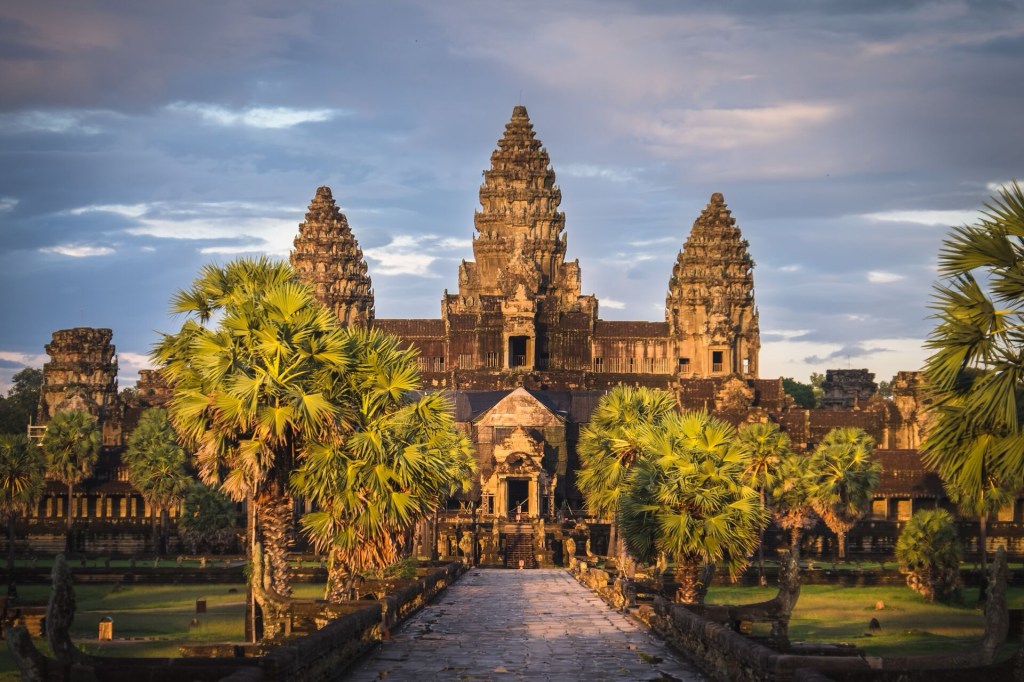
Cambodia, once overshadowed by its neighbors, has made a grand entrance onto the global tourism stage. The inauguration of the $1.1 billion Siem Reap-Angkor International Airport is a testament to its commitment to tourism. Designed to handle 7 million passengers annually, with plans to expand to 12 million by 2040, this airport is strategically located 40 kilometers from Angkor Wat to preserve the sanctity of the ancient temple complex .
The Results: A Tourism Boom
In 2023, Cambodia welcomed approximately 5.45 million foreign tourists, a staggering 139.5% increase from the previous year. This surge generated over $3 billion in revenue, marking a 115% rise from 2022 . Tourists are not just visiting; they’re staying longer, with an average stay of seven days.
The Takeaway for India:
Infrastructure Investment: Modernize airports and transportation hubs near key tourist destinations. Heritage Preservation: Balance development with the conservation of historical sites. Strategic Location Planning: Ensure new infrastructure supports tourism without compromising cultural landmarks.
Vietnam: Crafting Timeless Charm
The Strategy: Diversified Tourism and Digital Marketing
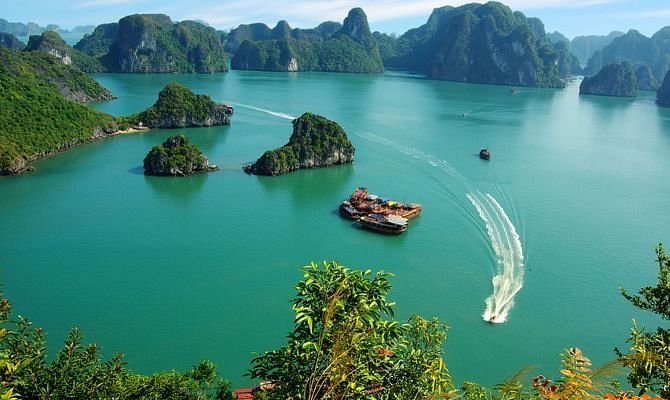
Vietnam’s “Timeless Charm” campaign isn’t just a catchy slogan; it’s a comprehensive strategy. The country aims to attract 18 million international visitors and 130 million domestic tourists by 2025, with plans to increase these numbers to 35 million and 160 million, respectively, by 2030 .
Vietnam is diversifying its tourism offerings, promoting marine tourism, ecotourism, cultural experiences, and even medical and agritourism. The focus is on authentic experiences, such as homestays in traditional villages and community-based tourism .
The Results: A Resilient Tourism Sector
In 2023, Vietnam recorded 3.66 million foreign visitors, exceeding its target by over 70%. Domestic tourism also saw a significant boost, with 101 million travelers, surpassing pre-pandemic levels .
The Takeaway for India:
Diversify Tourism Products: Beyond the Golden Triangle, promote lesser-known regions and unique experiences. Embrace Digital Marketing: Utilize social media and online platforms to reach global audiences. Community Engagement: Involve local communities in tourism planning and benefit-sharing.
Turkey: Bridging Continents and Cultures
The Strategy: Branding and Specialized Tourism
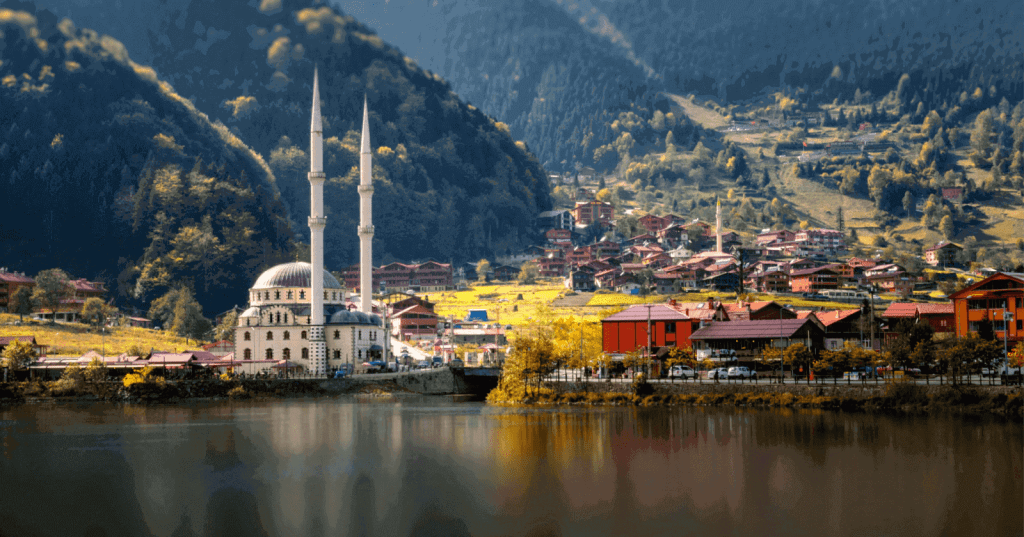
Turkey’s “Turkey Home” branding initiative positions the country as a welcoming destination that bridges East and West . The focus is on cultural heritage, natural beauty, and diverse experiences.
Specialized tourism segments, including medical tourism, MICE (Meetings, Incentives, Conferences, and Exhibitions), and luxury travel, are being actively promoted. The country has also invested heavily in its aviation sector, with Turkish Airlines and Pegasus Airlines carrying a record 115 million passengers in 2024 .
The Results: Record-Breaking Numbers
In 2024, Turkey welcomed 62.2 million visitors, a 9.8% increase from the previous year. Tourism revenues soared to $61.1 billion, marking an 8.3% rise .
The Takeaway for India:
Strong Branding: Develop a cohesive and compelling national tourism brand. Specialized Tourism: Identify and promote niche tourism segments. Aviation Connectivity: Enhance air connectivity to and within the country.
India: The Sleeping Giant Awaits
The Current Landscape
India, with its unparalleled diversity, has immense tourism potential. In 2024, tourism contributed 4.6% to the GDP, generating Rs.1,66,660 crore in foreign exchange earnings . However, challenges persist, including infrastructure gaps, safety concerns, and inconsistent marketing.
The Path Forward
Integrated Tourism Strategy: Develop a unified approach that encompasses infrastructure, marketing, and community involvement. Safety and Cleanliness: Prioritize traveler safety and hygiene to enhance the visitor experience. Technology Integration: Leverage digital tools for marketing, ticketing, and information dissemination.
Conclusion: Charting a New Course
Cambodia, Vietnam, and Turkey have demonstrated that with strategic planning, investment, and community engagement, tourism can become a powerful engine for economic growth and cultural exchange. India, with its rich heritage and vibrant culture, has all the ingredients to replicate and surpass these successes.
It’s time for India to awaken the sleeping giant of its tourism potential. By learning from these global examples and tailoring strategies to its unique context, India can offer travelers an experience that’s not just incredible but unforgettable.
 Honest Reviews