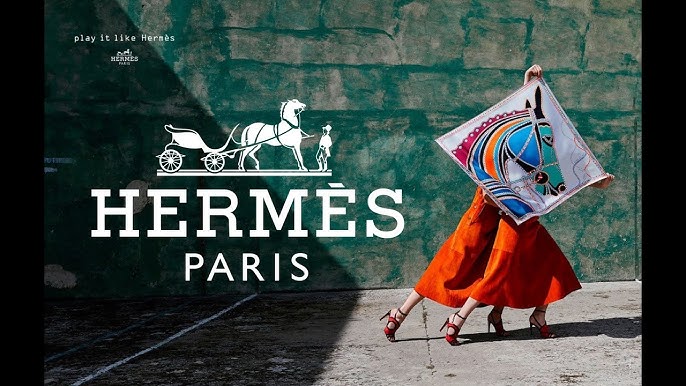
Let’s begin with a simple truth.
Hermès does not chase you.
Hermès does not woo you.
Hermès does not say, “Limited period offer!” or “Swipe up!” or “Use code LUXURY10.”
Hermès stands there, polishing its leather, whispering to itself,
“If you know, you know.”
And somehow… the world nods, queues up, and hands over its life savings.
How did that happen?

1. Brand Identity: Born in a Stable, Stayed in Olympus
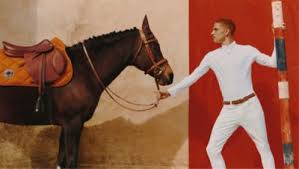
Hermès didn’t start as a luxury brand. It started as a horse problem.
In 1837, Thierry Hermès opened a harness workshop in Paris. He made saddles and bridles. Practical things. Smelly things. Things that went clop clop. His customers were aristocrats who needed their horses to look good because Instagram hadn’t been invented yet.

This origin story matters because Hermès never forgot it.
While other luxury brands evolved by shouting “FASHION!” louder every decade, Hermès quietly stuck to:
- Craft
- Materials
- Longevity
- And a faint air of “we’ve been doing this longer than your country.”
The bags? Came later.
The scarves? Later.
The perfume? Much later.
But the identity never changed:
We make things properly. Slowly. By hand. And we don’t care if you’re in a hurry.
That’s not just brand history. That’s brand philosophy disguised as origin myth.
2. Brand Differentiator: Scarcity Without the Sweat
Most brands manufacture scarcity like it’s a marketing stunt:
- Limited edition drops
- Countdown timers
- “Only 2 left!” (which is a lie)
Hermès does scarcity like an aristocrat does silence.
What Hermès doesn’t do:
- No mass production
- No aggressive expansion
- No sudden discount seasons
- No influencer begging
What Hermès does do:
- Makes bags slowly, by artisans trained for years
- Refuses to scale beyond what craftsmanship allows
- Keeps supply lower than demand by design
- Forces you to build a relationship before buying a Birkin
Yes, a relationship.
You don’t buy a Birkin.
You are eventually allowed to buy a Birkin.
This is marketing genius disguised as stubbornness.
Scarcity here isn’t a tactic. It’s a consequence.
And consequences feel more authentic than campaigns.
3. Key Competitors: The Loud, the Fast, and the Fashionable
Hermès technically competes with brands like:
- Louis Vuitton
- Chanel
- Gucci
- Dior
But philosophically?
Hermès isn’t even in the same pub.
Let’s be honest.
- Gucci is fashion-forward, trend-hungry, dopamine-driven.
- Louis Vuitton is scale-forward, logo-forward, everywhere-forward.
- Chanel is heritage-meets-modern, with a lot of celebrity oxygen.
Hermès, meanwhile, is standing in the corner saying:
“We’ll still matter in 50 years. Will you?”
Their competition isn’t other luxury brands.
Their competition is time.
If Gucci is a headline, Hermès is a footnote in history books.
4. Positioning Strategy: Quiet, Unbothered, and Deeply Superior
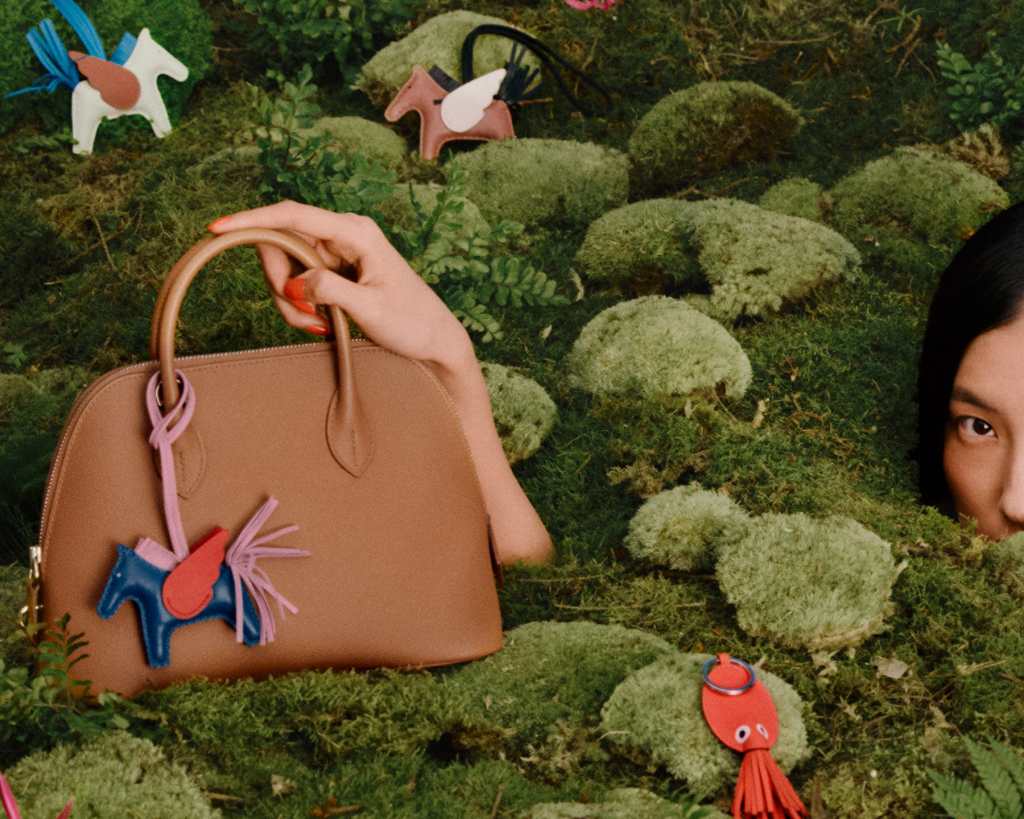
Hermès’ positioning is not:
- “The most luxurious”
- “The most fashionable”
- “The most exclusive”
It’s something far more dangerous:
“The most correct.”
Hermès doesn’t sell aspiration in the Instagram sense.
It sells belonging to a certain way of thinking.
Owning Hermès says:
- You value longevity over novelty
- You don’t need logos screaming your net worth
- You understand that real luxury whispers
This is anti-flex luxury.
You don’t buy Hermès to be seen.
You buy Hermès to recognise yourself.
That’s positioning so clean it almost feels rude.
5. Celebrities : Yes, But Make It Look Accidental
Hermès uses celebrities the way old money uses yachts.
They exist.
They are present.
But nobody makes a fuss.
You’ll see Hermès on:
- Jane Birkin (by accident, historically)
- Quiet royals
- Artists (Victoria Beckham)
- Actors who look like they read books
What you won’t see:
- Hermès ambassador announcement
- Forced red carpet placements
- TikTok dances with a Kelly bag
Celebrities don’t endorse Hermès.
They simply… wear it.
Which is far more powerful.
Because endorsement says:
“We paid for this.”
While Hermès says:
“They chose us.”
And choice always beats payment.
Celebrities that use Birkins include Victoria Beckham, Angelina Jolie, Jennifer Lopez, Sarah Jessica Parker, Kim Kardashian and Kylie Jenner
6. Content Marketing Strategy: Art, Craft, and Zero Panic
Hermès content does not shout “BUY NOW.”
It whispers:
“This took 40 hours. Thought you might like to know.”
What Hermès creates instead of ads:
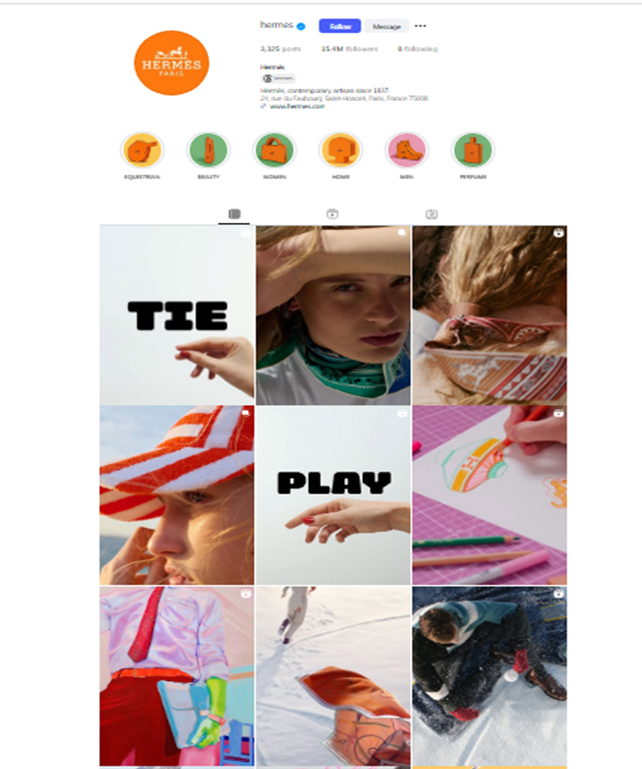
- Films about artisans
- Abstract, artsy visuals
- Editorial-level storytelling
- Campaigns that feel like museum exhibitions
Even their digital presence is… restrained.
No clutter.
No urgency.
No desperation metrics.
Hermès understands a truth most brands ignore:
Content doesn’t have to convert today if it builds belief forever.
They are not in the performance marketing business.
They are in the myth maintenance business.
And myths age very well.
7. Why This Works in a World Addicted to Speed
Let’s address the obvious question.
How does Hermès survive in:
- The TikTok era
- The attention economy
- The “if it’s not trending, it’s dead” world?
Answer:
Because Hermès doesn’t compete for attention.
It competes for respect.
And respect lasts longer than reach.
While brands are busy chasing relevance, Hermès is busy being inevitable.
They know:
- Trends expire
- Algorithms change
- Craft endures
And endurance is the ultimate flex.
8. The Psychological Masterstroke (This Is the Clever Bit)
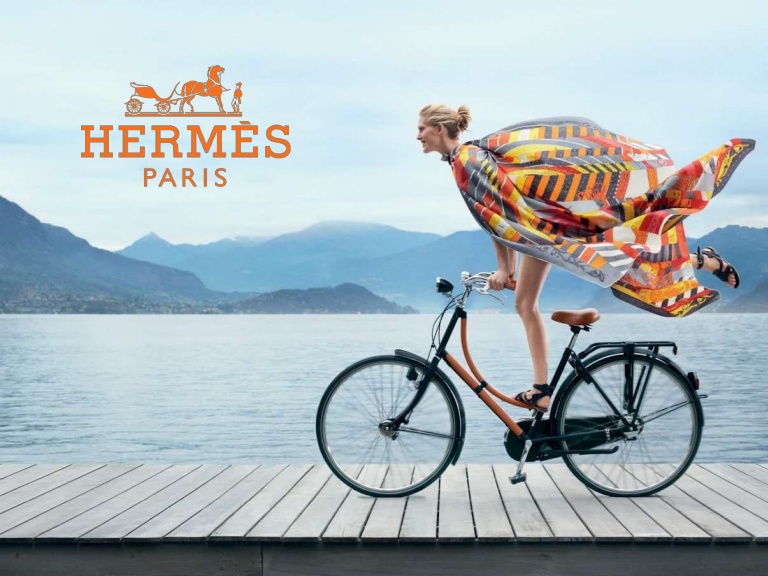
Hermès flips the power dynamic.
Most brands say:
“Please choose us.”
Hermès says:
“We’ll see.”
This creates:
- Desire without pursuit
- Prestige without noise
- Loyalty without bribery
When customers have to earn access, they value the product more.
That’s not marketing.
That’s human psychology in a silk scarf.
9. The Anti-Marketing Marketing Strategy
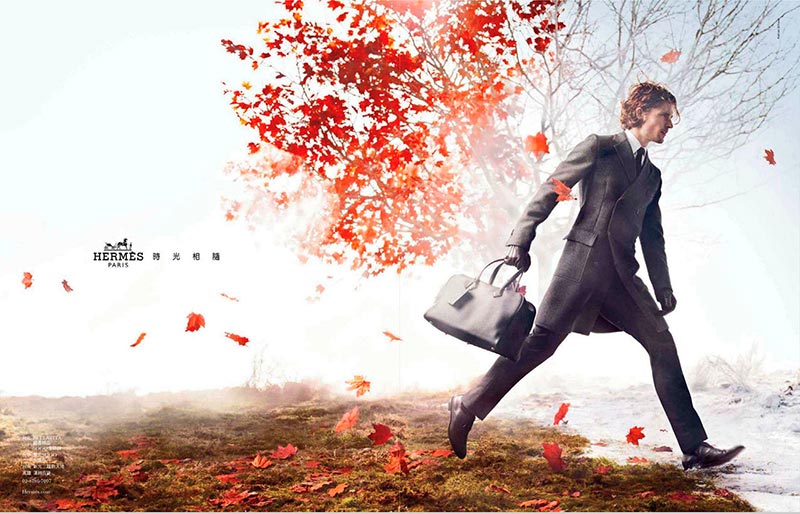
Hermès succeeds by doing what marketers are told never to do:
- Say no
- Grow slowly
- Ignore trends
- Resist scale
- Protect the product at all costs
They don’t optimise for:
- Click-through rates
- Virality
- Growth hacks
They optimise for:
- Integrity
- Craft
- Time
In an industry obsessed with “what’s next,” Hermès asks:
“What lasts?”
That’s not sexy.
That’s legendary.
10. Key Takeaways (Pin These on Your Marketing Mood Board)

Let’s land this plane.
1. Brand identity is not a logo. It’s a belief system.
Hermès knows who it is—and never apologises for it.
2. Scarcity works best when it’s real.
Fake scarcity feels like a tactic. Real scarcity feels like truth.
3. Not all growth is good growth.
Scaling slowly is sometimes the bravest strategy.
4. Celebrity endorsement is optional. Credibility is not.
Being chosen beats being promoted.
5. Content should build myth, not just metrics.
If people believe in your brand, sales will follow.
6. Luxury isn’t about price. It’s about patience.
Hermès charges for time, skill, and restraint—not just leather.
Final Thought: Why Hermès Is the Brand Marketers Secretly Admire
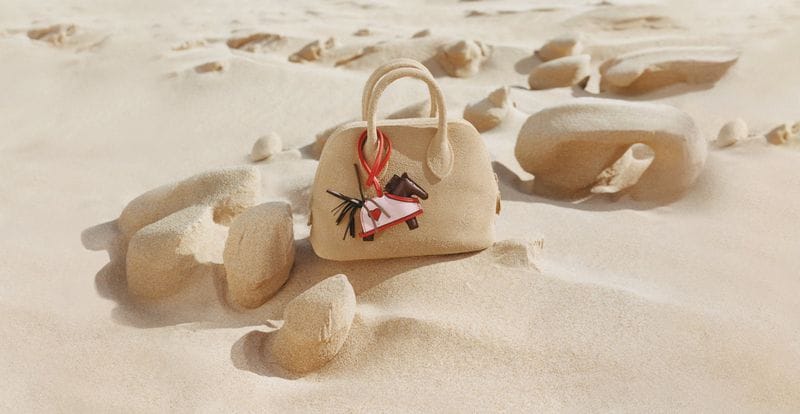
Most marketers study Hermès.
Few dare to copy it.
Because Hermès requires:
- Confidence
- Discipline
- And the courage to disappoint people in the short term
It’s a brand that proves you don’t need to shout to be heard.
You just need to be worth listening to.
And that, in a world of noise, is the rarest luxury of all.
 Honest Reviews