Once upon a time, brands turned up on social media like guests who arrived an hour early to a dinner party and immediately asked for the Wi-Fi password.
They posted.
They announced.
They hashtagged #Engagement with the enthusiasm of someone clapping at their own jokes.
And then something changed.
Someone, somewhere, realised that culture moves faster than campaigns — and that if brands wanted attention, they’d have to stop interrupting conversations and start joining them.
Welcome to culture hacking.
So What Is Culture Hacking, Really?
Culture hacking is not:
- Trend-jacking badly
- Slapping your logo on memes
- Pretending your brand “gets Gen Z” because someone used the word slay in a caption
Culture hacking is when a brand:
- Understands what people are talking about right now
- Knows why it matters
- And responds in a way that feels timely, relevant, and slightly smug (but in a good way)
It’s not about being funny.
It’s about being right.
Right tone.
Right moment.
Right restraint.
Think less “Hello fellow kids” and more “Ah yes, we were thinking the same thing.”
How Culture Hacking Is Actually Done (No, It’s Not Magic)
Good culture hacking usually follows a very simple formula:
Listen → Understand → React → Exit gracefully
Key rules:
- You don’t explain the joke
- You don’t over-brand
- You don’t stay too long
The best culture hacks feel like:
“Wow, they posted that fast.”
The worst feel like:
“Why is this brand here?”
Timing is everything.
Tone is survival.
Indian Brands Doing It Right (Shockingly Often)
1. Mumbai Police
The Gold Standard of Unexpected Cool
Mumbai Police’s social media presence is what happens when authority develops a sense of humour without losing dignity.

They:
- Use memes sparingly
- Comment on trending topics without sounding thirsty
- Deliver public service messages that people actually share
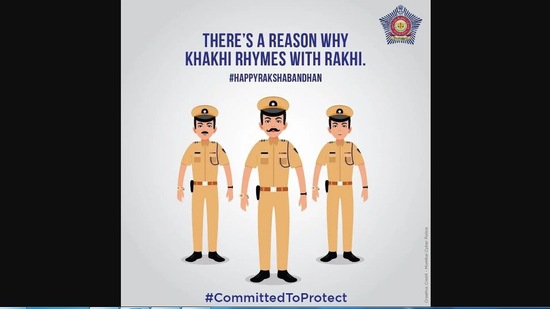
It’s culture hacking with boundaries — which is why it works. You laugh, you nod, and you obey the traffic rules. Mostly.

2. Zomato
Pop Culture, With Fries
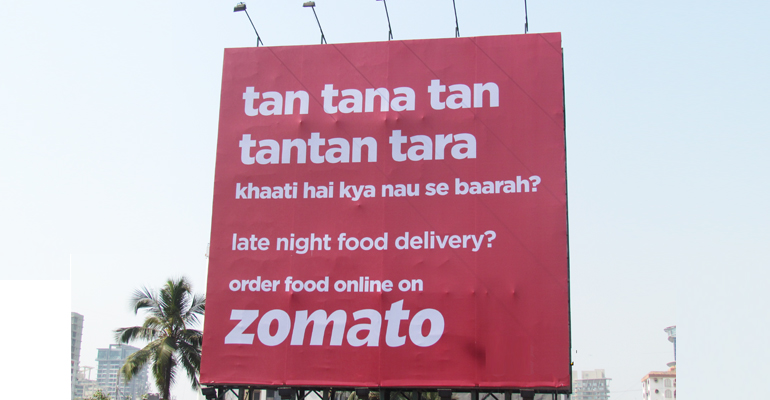
Zomato’s entire personality is built on cultural awareness:
- Celebrity news
- Breakups
- Cricket losses
- Collective hunger at 11:47 pm
They don’t just post about food — they post about feelings, with food as emotional support.

The trick?
They know when to joke and when to shut up. A skill many brands still haven’t mastered.
3. Swiggy
Gentler, Smarter, Slightly More Polite
Swiggy culture-hacks like someone who’s clever but doesn’t need to shout about it.
Wordplay.
Visual jokes.
Occasionally brilliant timing.
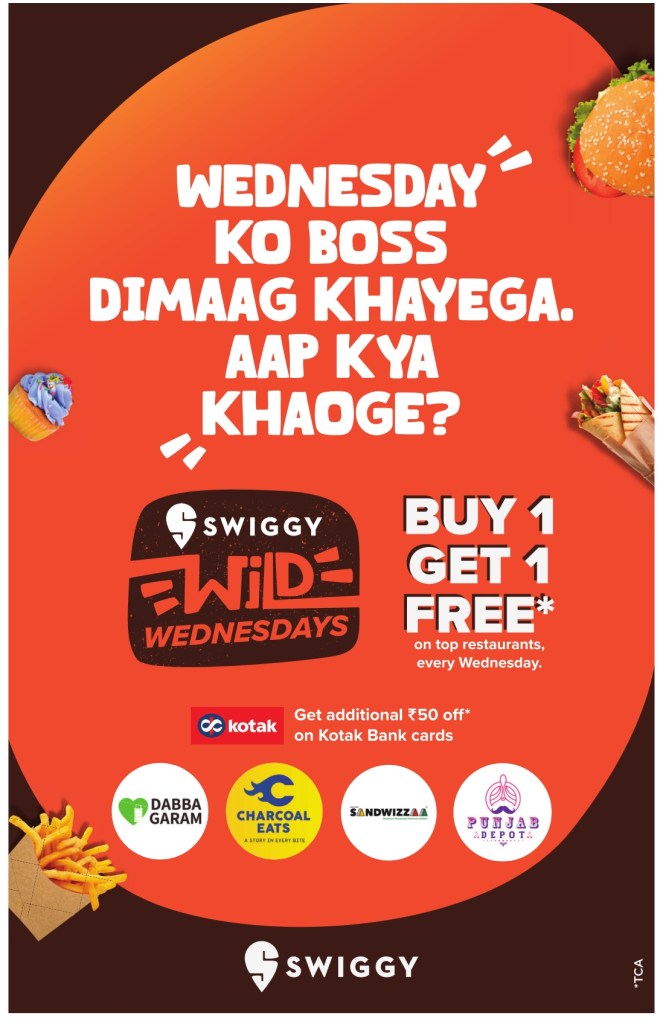
They don’t chase trends — they adapt them to fit their voice. Which is the difference between culture hacking and cultural panic.
Global Brands That Basically Live Online Now
4. Duolingo
The Owl That Knows Too Much
Duolingo’s social media strategy appears to be:
“Let’s fully commit to chaos.”
And somehow, it works.
The brand leaned so hard into internet absurdity that it became a meme first and a language app second — which, in today’s economy, is probably correct.
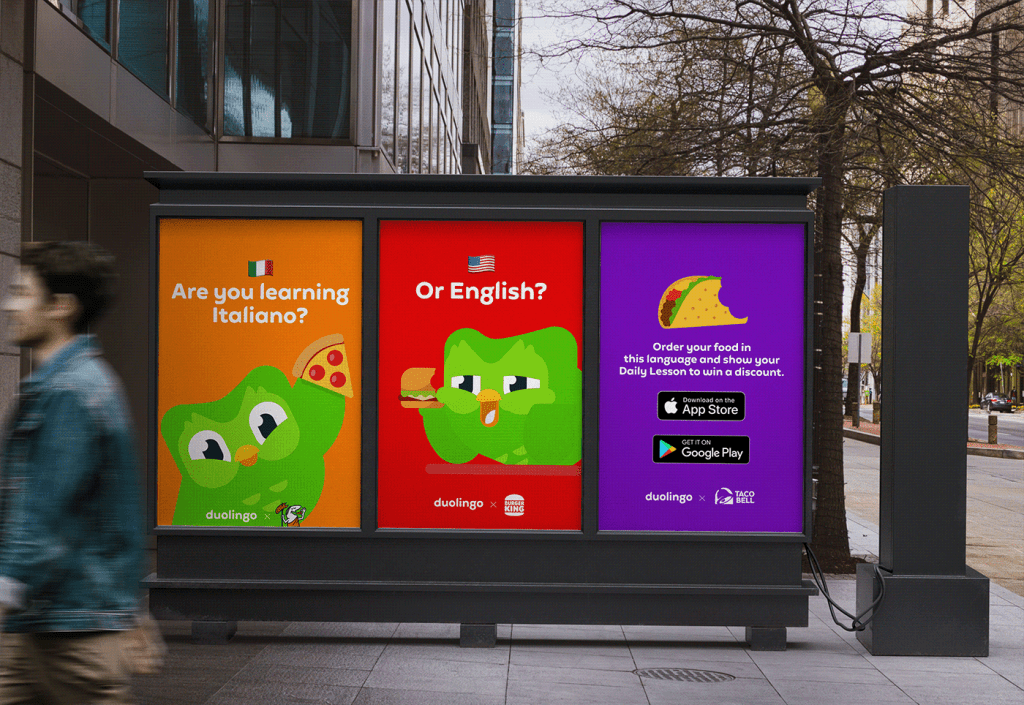
This is culture hacking at its most fearless.
Also at its most exhausting.
But undeniably effective.
5. Ryanair
Self-Awareness at 30,000 Feet
Ryanair hacked culture by doing something revolutionary:
Admitting it’s not luxurious.

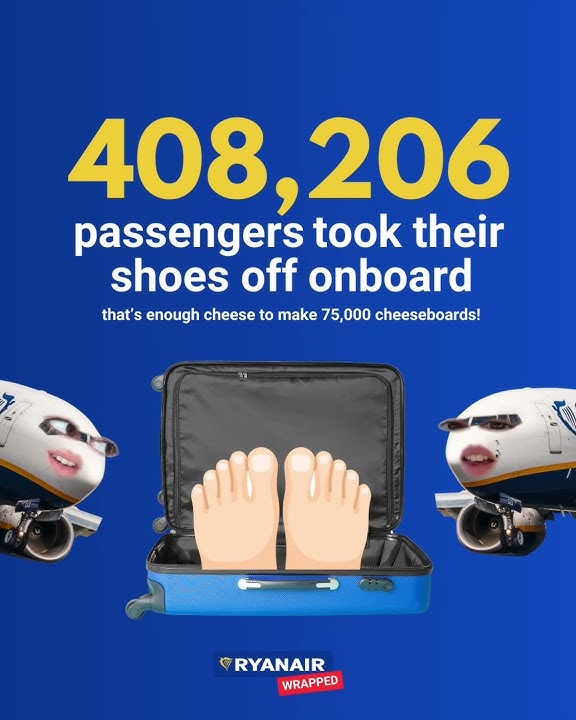
They roast themselves.
They lean into complaints.
They make fun of their own brand.
They also did their own version of Spotify Wrapped.
It’s not aspirational — it’s honest. And honesty, on social media, is a novelty.
6. Wendy’s
The Original Internet Menace
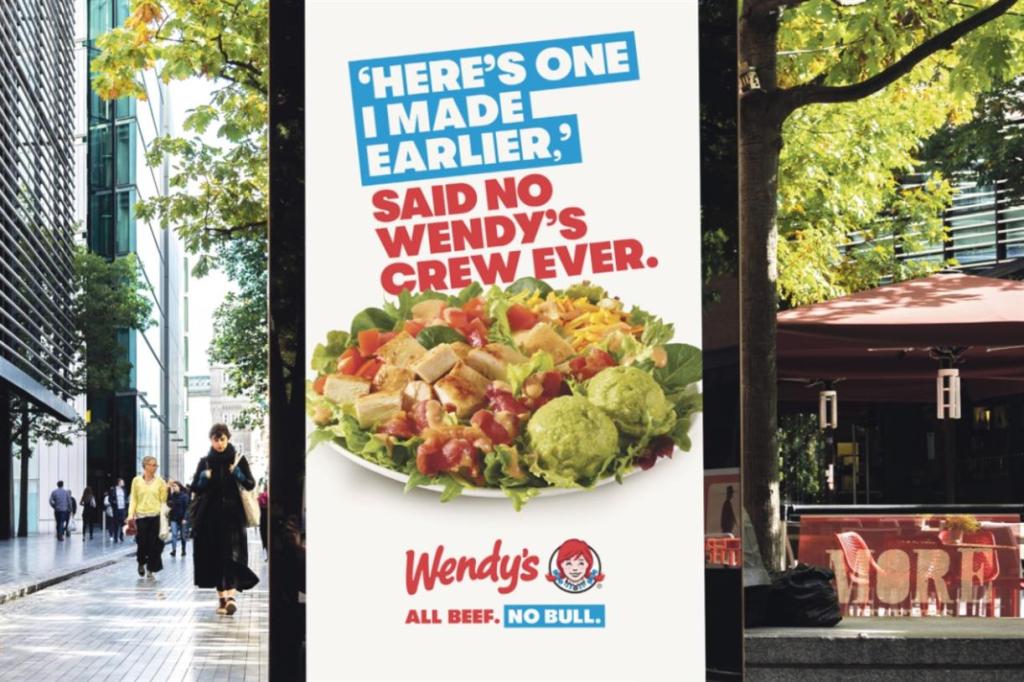
Wendy’s has been culture hacking since before it was fashionable — roasting competitors, customers, and occasionally the concept of dignity itself.

But here’s the key:
They never punch down.
They punch sideways.
Which is why people cheer instead of complain.
The Best Way to Do Culture Hacking (Without Ruining Your Brand)
Let’s be clear: not every brand should culture hack.
If your brand voice is:
- Formal
- Serious
- Regulated
- Trust-based
Your culture hacking should be quiet, observational, and rare.
Key principles:
- Less posting, more impact
- One good post beats ten desperate ones
- If you have to explain it in a meeting, it’s probably not funny
And for the love of the internet:
If the trend is already on LinkedIn, you’re too late.
Common Mistakes :
- Using memes incorrectly
- Chasing trends without understanding context
- Over-branding the joke
- Posting during tragedies because “engagement”
- Trying to sound young instead of sounding human
Culture hacking fails when brands want applause more than relevance.
Key Takeaways
- Culture hacking is about timing, not talent
- Listening matters more than posting
- Not every trend is for you
- Silence is sometimes the smartest response
- The internet can smell desperation instantly
In Conclusion: Don’t Hack Culture. Respect It.
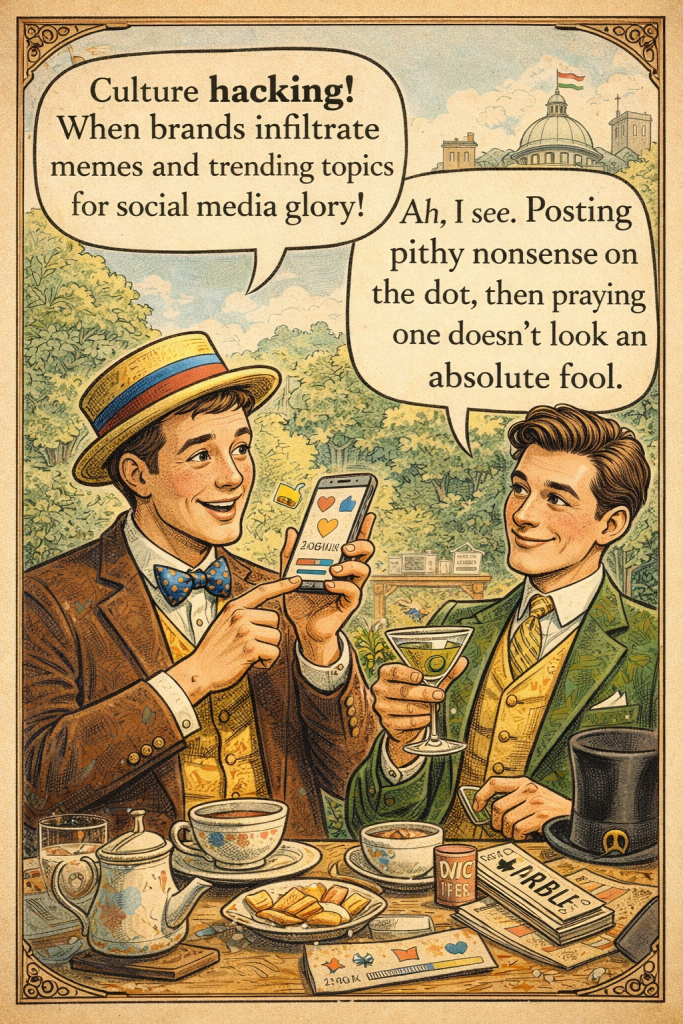
The brands that do culture hacking well don’t treat culture like a tool.
They treat it like a conversation.
They show up.
They say something smart.
And then — crucially — they leave.
Which, honestly, is how most of us should behave on social media.
And possibly at dinner parties too.
 Honest Reviews