Once upon a time in New York City — 1941, to be precise — a small family-run leather workshop looked at a baseball glove and thought, “This feels amazing. What if… bag?”
That, in essence, is how Coach was born. Not from Parisian ateliers, not from aristocratic boredom, but from American practicality, sports leather, and the radical idea that a bag should actually last longer than a season, a trend, or a breakup.
And that’s important. Because Coach has never been about screaming luxury. Coach is about earning it.
The Original Flex: Leather That Meant Business
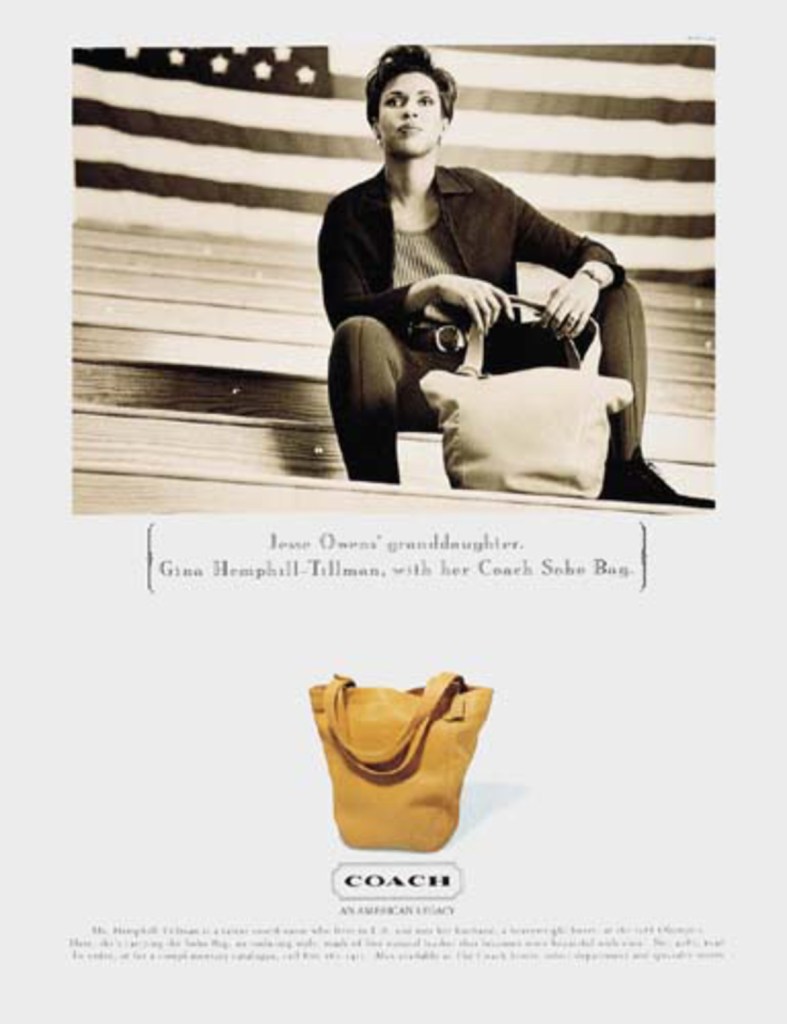
Coach’s early bags were thick, glove-tanned leather tanks. These weren’t accessories. These were companions. Bags your mum carried to work. Bags your dad bought once and never replaced. Bags that developed character, like a good pair of jeans or a reliable taxi driver.
This wasn’t “fashion”. This was function with dignity.
And who used them?
- Working women before “working women” was a hashtag
- Professionals who didn’t want logos yelling for attention
- People who liked their luxury to whisper politely
Coach bags were less “Look at me” and more “I’ve got this handled.”
Then Came the Logo Years
Like every long-running brand, Coach had a midlife moment.
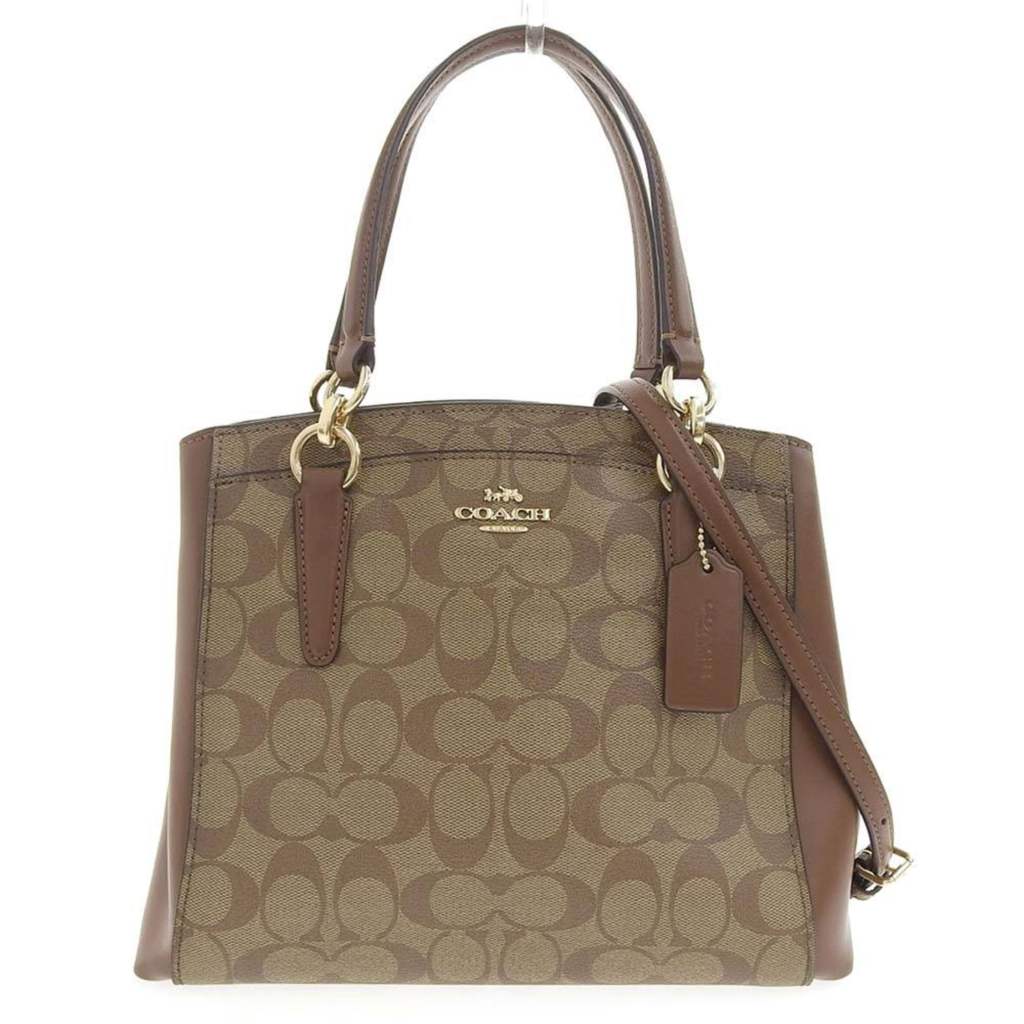
The 2000s arrived. Luxury went loud. Monograms went wild. The market wanted visibility, and Coach — smartly but imperfectly — leaned in.
Suddenly, the discreet leather hero became the C-patterned shoulder bag spotted in malls, TV shows, and arm crooks everywhere. Coach became accessible luxury. Aspirational, but not intimidating. A “my first designer bag” for millions.
Was it overexposed? Yes.
Did the brand lose a bit of its quiet authority? Also yes.
Did it make a lot of money? Absolutely.
And here’s the thing most critics forget: Coach survived that phase. Many brands don’t.
The Comeback Nobody Shouted About (Because Coach Doesn’t Shout)
Fast-forward to now, and something interesting has happened.
Coach didn’t reinvent itself with fireworks. It didn’t scream “NEW ERA”. It simply returned to its roots, updated for a new generation that’s tired of being yelled at by logos.
Today’s Coach:
- Softer branding
- Better leather storytelling
- Cleaner silhouettes
- Nostalgic shapes with modern relevance
It’s no accident that Coach feels right at home in the era of “quiet luxury”. Coach invented quiet luxury before it had a name — and now it’s enjoying a cultural I-told-you-so.
Who Is Coach For Today?
Not the ultra-rich (they’re elsewhere).
Not the trend-chasers (they’ll move on).
Coach is for:
- People who value craft over clout
- Buyers who want luxury without anxiety
- Consumers who like heritage, but not dust
Gen Z likes it ironically. Millennials like it nostalgically. Gen X likes it because it still works. That’s a rare three-generation handshake.
Coach’s Advertising: Calm in a World of Chaos
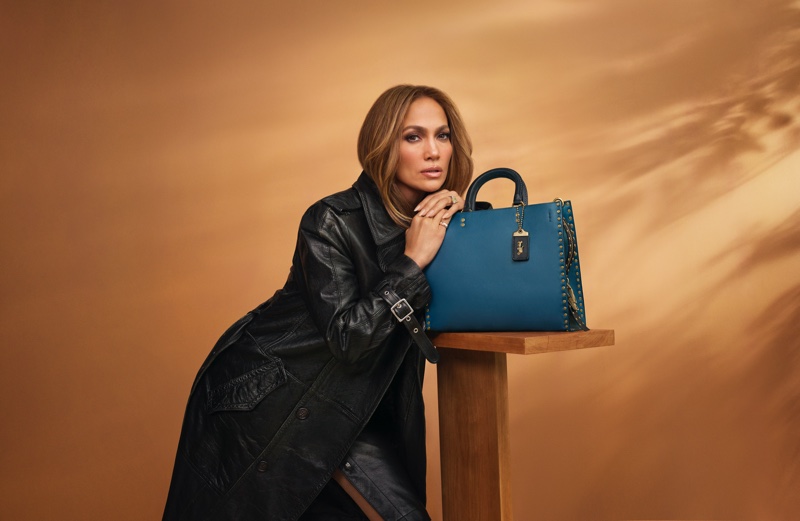
Coach’s recent advertising is… refreshingly normal.
No hysterical fashion films.
No inaccessible art metaphors.
No trying-too-hard coolness.
Instead, Coach sells emotion, not excess. Belonging, not bravado. New York energy without New York arrogance.
Its campaigns say:
You don’t need to prove anything. This bag already knows who you are.
That’s smart advertising.
Is Coach Still Relevant?
Short answer: Yes — but on its own terms.
Coach isn’t trying to be the loudest brand in the room. It’s aiming to be the most comfortable chair. The brand you grow into, out of, and back into again.
Relevance today isn’t about hype cycles. It’s about cultural usefulness. Coach understands that people don’t want to perform luxury anymore. They want to live with it.
Key Takeaways (For Brands Watching Closely)
- Heritage isn’t nostalgia — it’s leverage
Coach didn’t abandon its past. It mined it. - Overexposure isn’t death if you know who you are
The brand survived its logo years because the core was strong. - Quiet confidence beats loud relevance
Coach doesn’t chase trends. It waits for them to come back. - Good products age better than good marketing
Leather that lasts builds brands that last. - Not everything needs to be “disrupted”
Sometimes, being dependable is revolutionary.
Final Thought
The Coach bag is like that friend who disappeared for a while, figured themselves out, and came back calmer, cooler, and strangely more attractive.
No drama. No desperation. Just good leather, good sense, and a brand that understands one timeless truth:
Real luxury doesn’t shout. It shows up.
And carries your life with it.
 Honest Reviews