Once upon a time, Valentine’s Day had a simple brief:
Boy meets girl. Girl expects flowers. Boy panics. Credit card suffers.
That era is over.
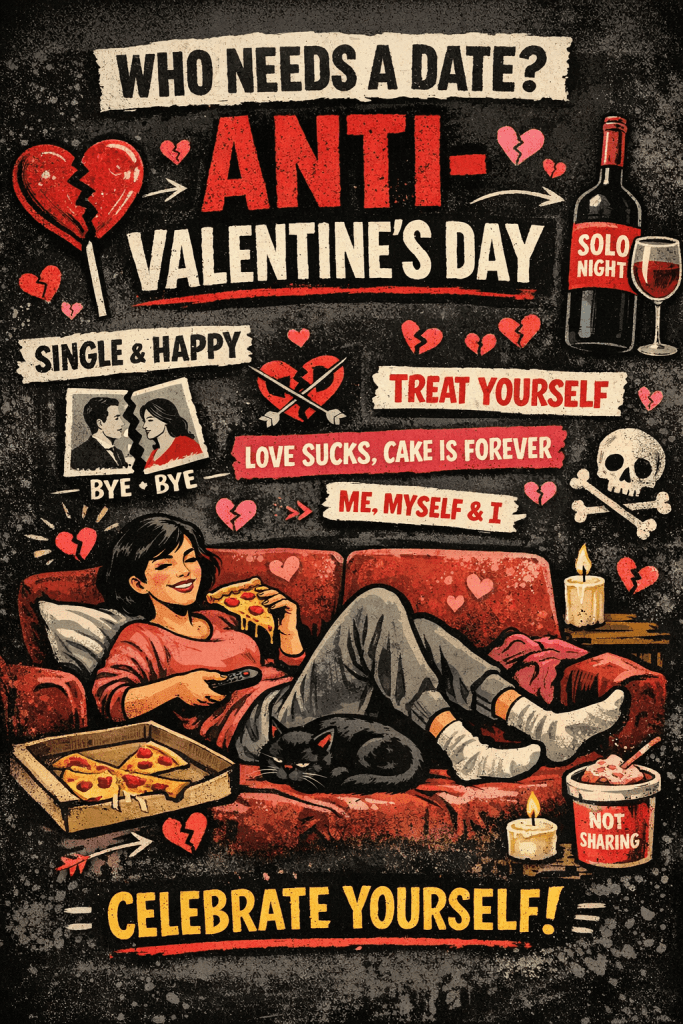
Today’s Valentine’s Day audience is older, smarter, more emotionally articulate—and frankly, tired. Tired of being told romance must look like a rom-com scene with fairy lights and forced intimacy. Tired of pretending a relationship status defines self-worth. Tired of celebrating a day that feels like an annual performance review of their love life.
Which is why the smartest brands aren’t trying to out-romance Valentine’s Day anymore.
They’re breaking up with it. Publicly. Cheerfully. With memes.
Welcome to the rise of Anti-Valentine’s Day content—where single isn’t sad, divorce isn’t failure, self-love isn’t cringe, and Valentine’s Day finally belongs to everyone.
The Cultural Shift Brands Can’t Ignore
Let’s state the obvious):
More people are single. More people are divorced. More people are choosing not to couple up. And a growing number are choosing peace over performance.
Love hasn’t disappeared.
The pressure around it has.
Valentine’s Day used to celebrate romance. Now it exposes expectations. And consumers—especially millennials and Gen Z—are allergic to forced sentimentality. They don’t want brands telling them how love should look. They want brands that understand how life actually looks.
Sometimes love is a partner.
Sometimes it’s friends.
Sometimes it’s a pet.
Sometimes it’s ordering food for one and not sharing.
Anti-Valentine’s content works because it doesn’t reject love—it rejects the formula.
Why Anti-Valentine’s Content Performs
Traditional Valentine’s content asks, “Who are you buying this for?”
Anti-Valentine’s content asks, “Why are we pretending this day is only for couples?”
That shift alone makes people feel seen.
The best campaigns last year didn’t sell romance. They sold relief. Relief from expectations. Relief from comparisons. Relief from pink overload and poetic nonsense.
They said things like:
“You don’t need a date to celebrate.” “Buy this for yourself.” “It’s okay to opt out.” “Love is optional. Cake is not.”
And consumers rewarded them with engagement, shares, and something brands care deeply about but rarely admit—affection.
What Brands Did Right Last Year
Some brands leaned into chaos. Some leaned into humour. Some leaned into honesty. And almost all leaned away from couples-only storytelling.
The strongest executions followed three simple principles:
1. They told the truth
They acknowledged that Valentine’s Day can feel awkward, exclusionary, or exhausting. That honesty made the content instantly relatable.
2. They used humour, not hostility
Anti-Valentine’s doesn’t mean anti-love. It means anti-pressure. The tone stayed playful, not bitter. Witty, not resentful.
3. They reframed the occasion
Valentine’s Day became about self-care, friendships, indulgence, or doing absolutely nothing—and enjoying it.
Chocolate brands mocked the day while still selling chocolate.
Food brands celebrated “dinner for one” without apology.
Wellness brands positioned self-love as the real luxury.
And some brands went full savage—politely reminding us that flowers die but discounts don’t.
Cadbury 5Star’s loud-and-proud “erase/destroy Valentine’s Day” attitude (yeah, they basically told the holiday to sit down), which got people laughing, sharing and, crucially, buying chocolate that wasn’t trying to out-emote anyone. That kind of bold anti-V energy performed like a social boomerang — attention stuck and sales followed.

Okay, you want to create anti-Valentine’s content this year
Here’s a tactical playbook that’s part strategy, part mischief, and very shareable:
Start with a truth bomb
Lead with data or a wink: “5 million people chose solo holidays last year” or “If you’re single, congrats — you’ve been emotionally efficient.” Short, punchy, and shareworthy. If you can make people nod and laugh, you’ve won the first swipe.
Make self-gifting noble
Launch limited-edition bundles pitched as “The Finally-For-Me Kit”: face mask, bath soak, a playlist, and a voucher. Promote with UGC — ask customers to post their ‘self date’ photos. The more ridiculous and earnest, the better.
Create an Anti-Hallmark Meme Machine
Use snappy copy: “Roses are red, receipts are forever,” or “Love is great. So is Netflix alone.” Memes travel. Make templates, GIFs, and stickers people want to send.
Host a ‘Break Up with Valentine’s’ Event IRL or virtual:
A no-couples karaoke, a stand-up night about dating disasters, or a “single speed dating for dogs” (yes, it’s a thing). Experiences build loyalty — and content.
Use Influencers Who Don’t Do Romance
Partner with creators known for sarcasm, self-care or irreverence. Ask them to share authentic single-day rituals — not staged candlelight shots. Authenticity beats gloss every time.
Flip your emails
Swap flowery subject lines for blunt hooks: “Skip the date — get free delivery,” or “Refund your ex: 50% off.” Open rates spike when you surprise people with honesty.
Tie the message to purpose
Consider donating a portion of proceeds to mental health or community orgs with copy like: “Celebrate yourself, help someone else.” Purpose + humour = viral empathy.
Valentine’s Day Isn’t Over. It’s Evolved.
Valentine’s Day is no longer a couples-only dinner party.
It’s a potluck.
Everyone’s invited. Some bring partners. Some bring friends. Some bring themselves. Some bring snacks and leave early.
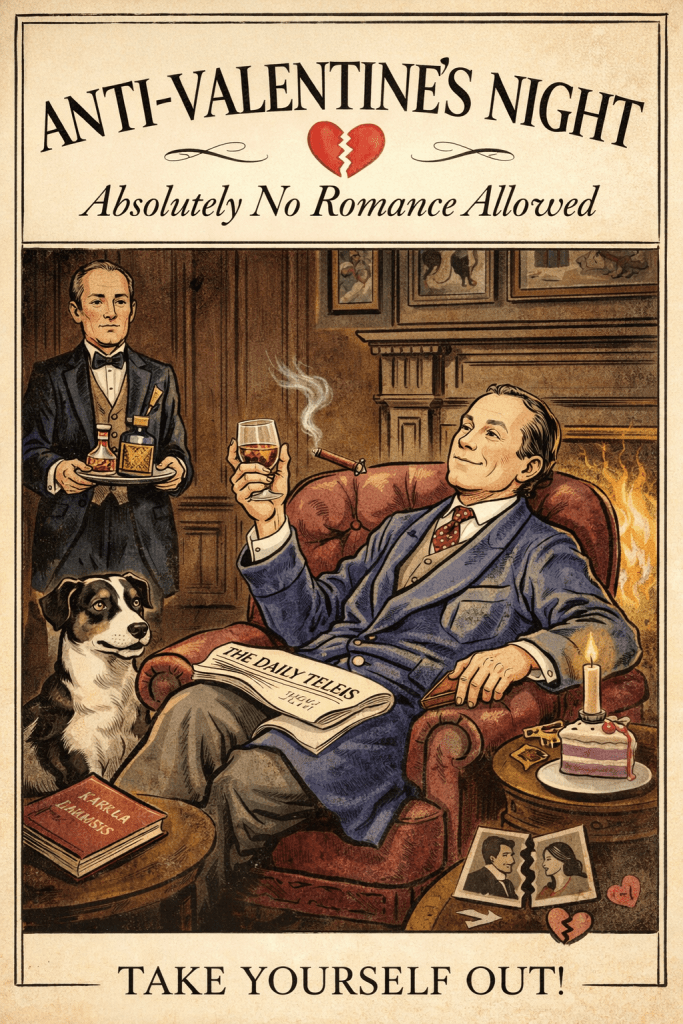
The brands that will win this year won’t shout “love” the loudest.
They’ll whisper, “You’re enough.”
And in a world exhausted by perfection, that’s the most attractive thing you can say.
Now go on.
Break up with Valentine’s Day.
Just do it kindly.
 Honest Reviews