Let’s begin with a universal truth:
Nobody needs a logo.
People want logos.
Because logos are not fashion.
They’re social subtitles.
When you wear Gucci, Prada, Fendi or Chanel you’re not dressing for warmth.
You’re dressing for interpretation.
You’re basically saying:
“Please notice me. But in a tasteful, expensive way.”
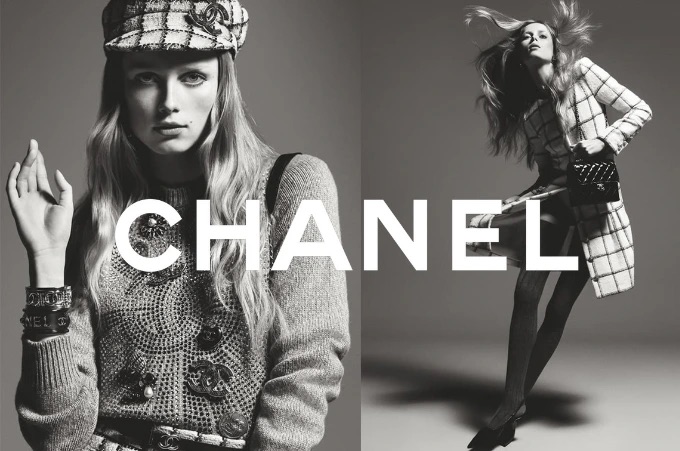
WHY PEOPLE WEAR BIG LOGOS
People who wear obvious logos usually fall into three categories:
1. The Announcement Phase
These are people who’ve recently arrived—financially, socially, emotionally.
New job. New money. New city. New confidence.
The logo is proof of progress.
It’s not arrogance.
It’s documentation.
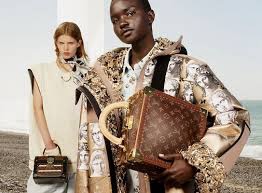
2. The Borrowed Credibility Club
A logo is the fastest way to rent status without a long backstory.
You don’t need to explain your taste if the shirt already did it for you.
This is fashion’s equivalent of:
“As per my last email…”
3. The Streetwear + Culture Crowd
Here, logos aren’t about wealth. They’re about belonging.
If you know, you know.
If you don’t, you Google later.
Different game. Same signal.
WHO AVOIDS LOGOS LIKE A BAD INVESTMENT?
Now let’s talk about the people who don’t wear logos.
These people exist.
They are calm.
They are dangerous.
1. Quiet Money
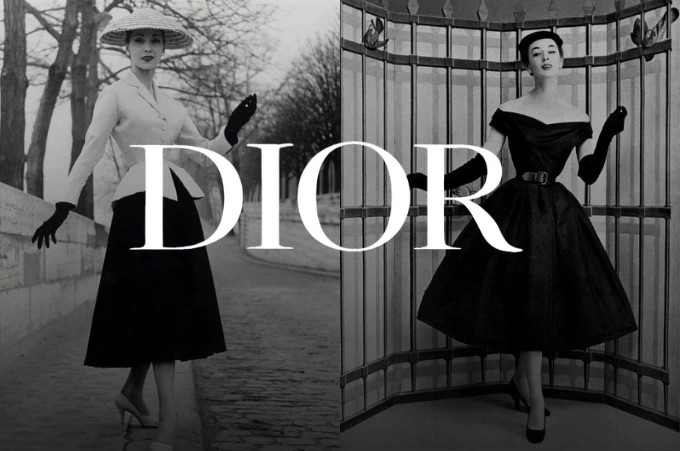
These people could buy the brand. They just don’t feel the need to.
Their clothes say:
“This fits well. That’s enough.”
If there is a logo, it’s:
Inside the jacket On the button Or visible only to someone who already owns the same thing
Flex level: lethal.
2. Minimalists with Opinions
They believe logos are visual clutter.
They think branding is loud.
They think confidence is silent.
They are not wrong.
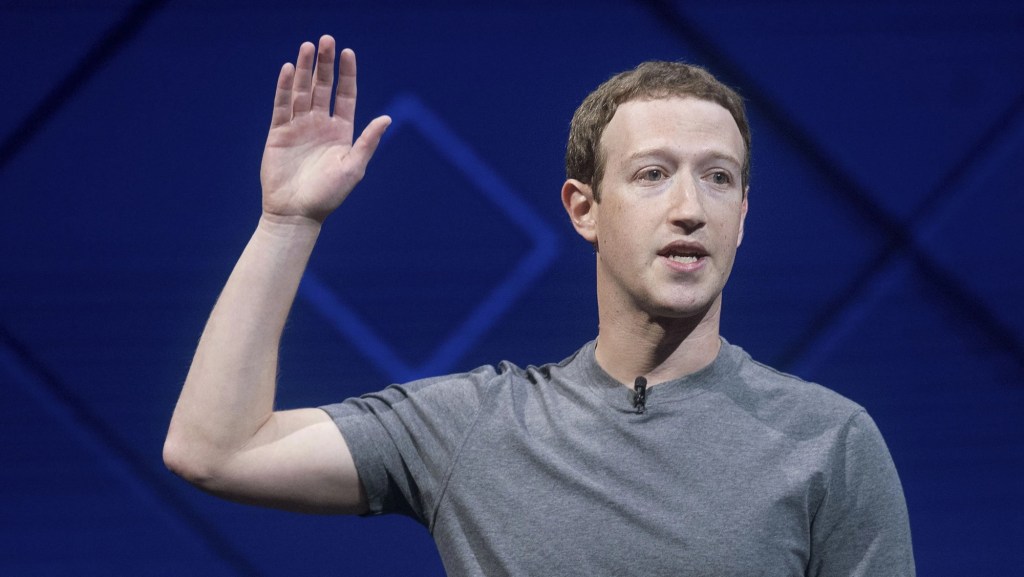
3. People Who Are the Brand
Founders. Creators. Leaders.
They don’t outsource credibility.
Why promote someone else when your name already carries weight?
NOW, THE REAL HEAVYWEIGHTS: EXCLUSIVE PRIVATE CLUB LOGOS
Luxury brand logos say:
“I spent money.”
Private club logos say:
“I was allowed.”
Very different energy.
Here are some real examples:
Soho House
That tiny house icon? It doesn’t shout. It nods. It says “creative industry, global access, decent cocktails.”
Annabel’s
Old money. Old rules. Old-world confidence. If you know this logo, you don’t ask questions.
The Art’s Club
Subtle. Cultured. Slightly intimidating. The logo isn’t fashion—it’s punctuation.
These logos don’t exist for validation.
They exist for recognition within a very specific room.
WHAT’S ACTUALLY TRENDING IN LOGOS RIGHT NOW?
Here’s the plot twist:
Loud Logos Are Out.
Recognisable Taste Is In.
Current trends:
Tone-on-tone logos
Logos only visible up close
Vintage logos (because new money screams, old logos whisper)
Clothes that rely on cut, not clout
People are tired of being unpaid billboards.
Luxury is quietly moving from:
“Look what I bought”
to
“Look how well this fits.”
DO LOGOS INCREASE YOUR PERSONAL BRAND VALUE?
Honest answer?
Only if you don’t need them.
Logos help when:
You’re entering new rooms
You need fast signalling
You’re still building perception
Logos hurt when:
They replace personality
They arrive before you do
People remember the brand, not your name
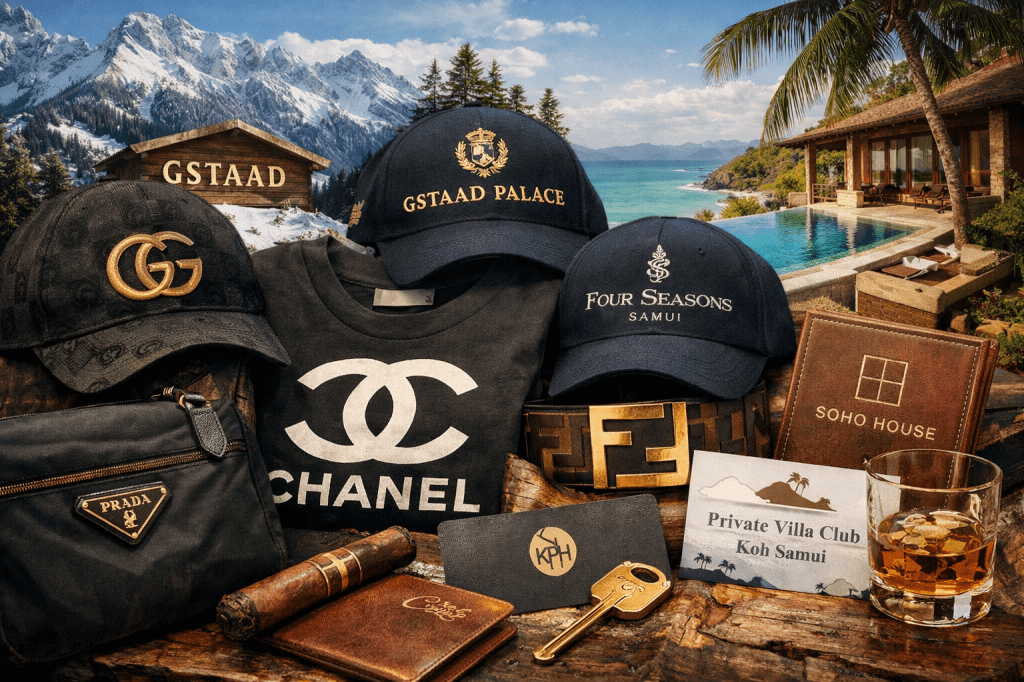
The strongest personal brands use logos like seasoning.
Never like the main dish.
KEY TAKEAWAYS
Logos don’t make you interesting—context does.
The louder the logo, the earlier the journey. Quiet luxury is not about money. It’s about certainty.
Private club logos carry more weight because they’re about access, not purchase.
The ultimate flex? When people recognise you, not your clothes.
Wear logos if they serve your story.
Lose them when you become the headline.
Because at the highest level of style and status, nothing is louder than being unmistakably yourself.
 Honest Reviews