Let’s address the ring finger in the room.
The signet ring—yes, that ring, the one that once screamed aristocracy, entitlement, and “my family owned land before your country was invented”—is back. Except now, it’s been rebranded. Cleaned up. Democratised. And crucially, stripped of inherited power and filled with earned identity.
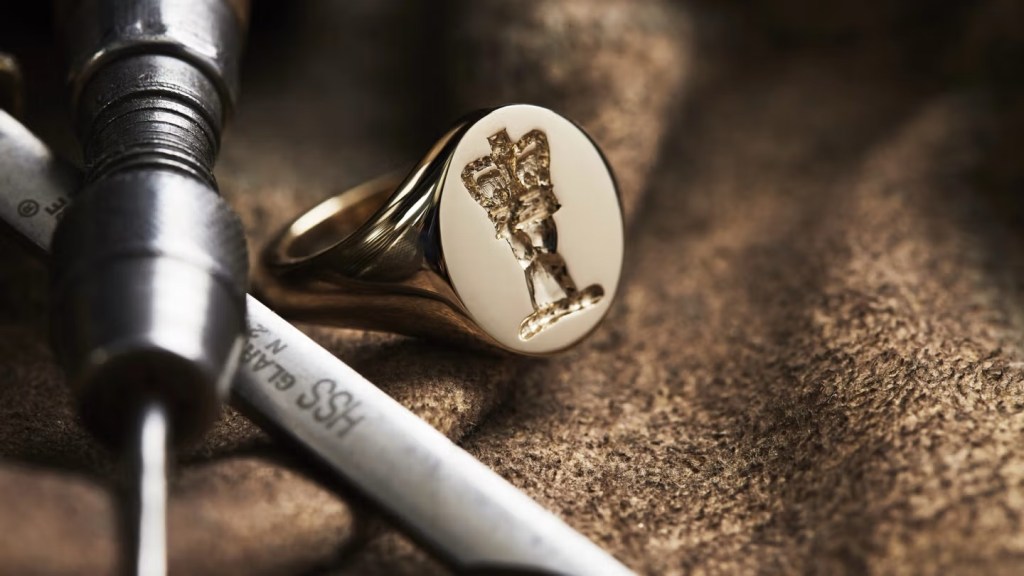
Which is exactly why it’s everywhere.
From Victoria Beckham, who hasn’t worn a logo louder than a whisper in decades, to Meghan Markle, who understands symbolism better than most nation-states—signet rings have quietly become the accessory of choice for people who know who they are.

And that’s not fashion.
That’s branding.
First, What a Signet Ring Really Is
Historically, signet rings were functional. They sealed letters, validated documents, and said: this message matters because I matter.
They were the original brand stamp.
The wax seal was the logo.
The ring was the trademark.
You didn’t wear one to look good. You wore one because your word carried weight.
Fast forward to now, and the function is gone—but the meaning has aged beautifully. Like any good brand asset.
Why Signet Rings Are Having a Comeback (And Why That Matters)
Because we’re done with loud branding.
Big logos feel insecure now. They’re trying too hard. They’re the visual equivalent of shouting your LinkedIn bio at a dinner party.
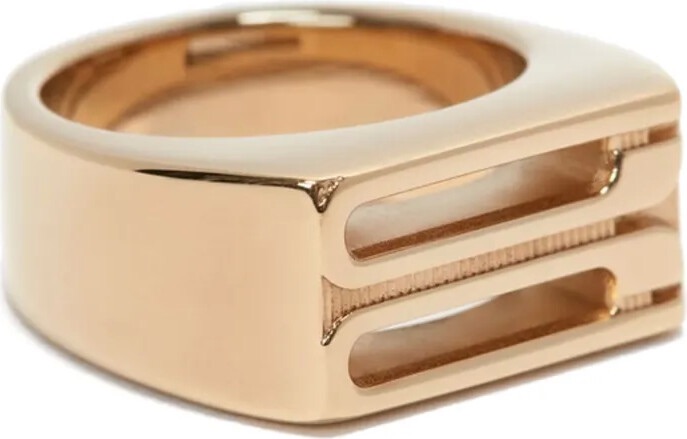
Signet rings, on the other hand, are quiet authority.
They don’t ask for attention.
They assume it.
And in an era obsessed with “personal brand,” that’s the holy grail:
recognition without explanation.
What a Signet Ring Actually Says About You
Let’s be honest—everything you wear is communication. You’re either curating a message or accidentally sending one.
A signet ring says:
I value intention over impulse I think long-term I don’t need trends to validate me
It’s not jewellery as decoration.
It’s jewellery as declaration.
Blank face? Minimalist. Confident. Controlled.
Initials? Personal, not performative.
A symbol only you understand? That’s elite-level branding.
Because the strongest brands don’t explain themselves. They invite curiosity.
Why Fashion’s Smartest People Wear Them
Victoria Beckham doesn’t wear a signet ring because it’s “in.” She wears it because it aligns with her entire brand philosophy: edit ruthlessly, reduce noise, mean everything.
Her style is a masterclass in restraint. And restraint, ironically, is expensive.
Meghan Markle’s signet rings operate differently but just as intelligently. They’re symbolic without being sentimental. Personal without being precious. They say: I belong, but I also choose.
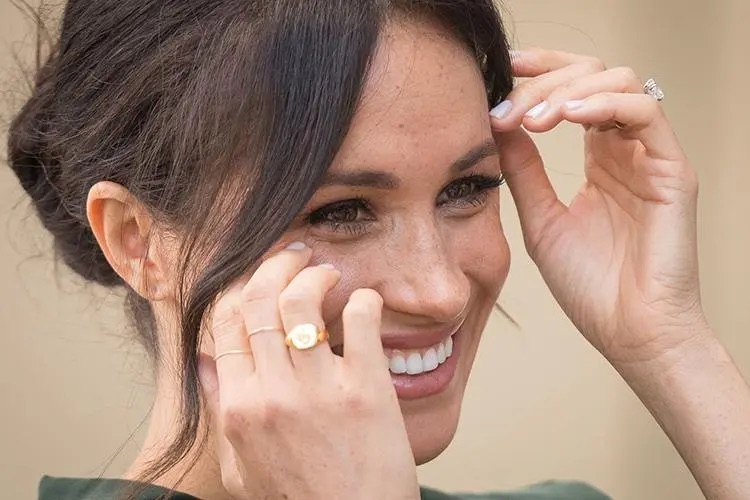
That’s not accidental. That’s narrative control.
The Signet Ring Is Genderless (Like Good Brands)
Here’s the thing: signet rings don’t perform gender. They perform presence.
They work on anyone because they’re not about sparkle. Or excess. Or validation.
Which is why they’ve slipped seamlessly into modern wardrobes. Creatives, founders, strategists, designers—the people who build brands for a living tend to wear them.
Coincidence? Please.
Why the Signet Ring Is a Personal Branding Power Move
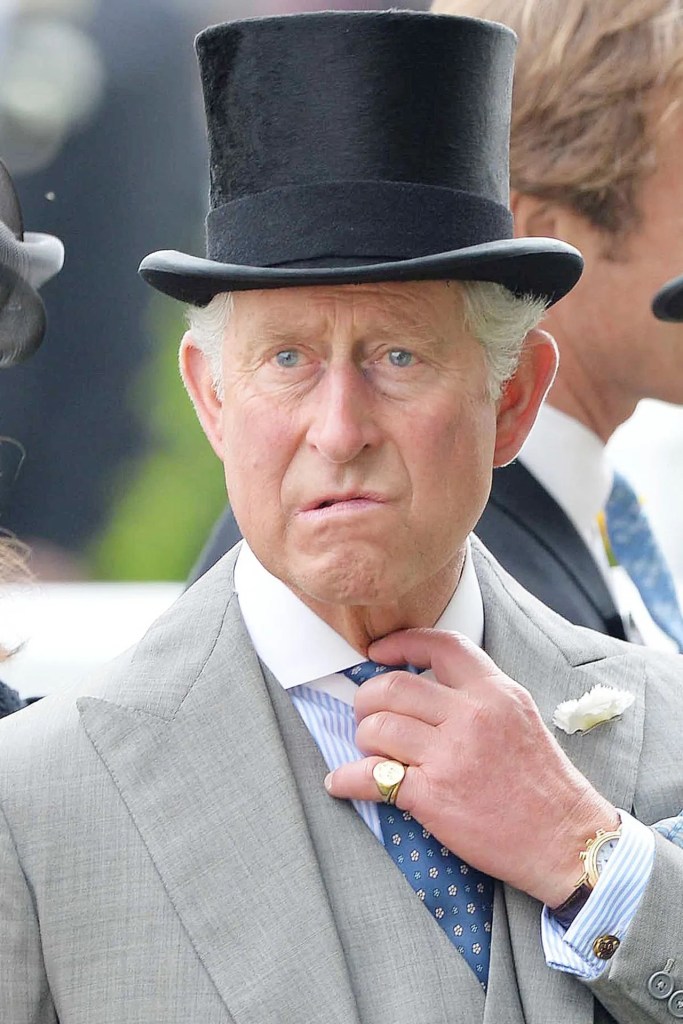
Branding isn’t about being seen everywhere.
It’s about being remembered somewhere specific.
It shows up in :
-Handshakes
– Coffee meetings
– Gestures
– Conversations
Hands are expressive. Rings are anchors. And consistency? That’s brand equity.

Over time, the ring stops being an accessory. It becomes part of the identity.
And the best part? No algorithm decides its reach.
Final Thought: Loud Brands Chase Attention. Quiet Ones Own It.
The return of the signet ring isn’t nostalgia. It’s a correction.
We’re moving away from borrowed status and towards authored identity. From showing off to showing up. From decoration to meaning.
A signet ring doesn’t make you powerful.
It signals that you understand power doesn’t need a press release.
And honestly, if your personal brand were a logo—
this would be the one you’d trademark.
 Honest Reviews