I’ll admit it—I didn’t walk into Michael with glittering gloves of anticipation. In fact, I went in with mild curiosity at best. But then came the Instagram avalanche. Reels, reactions, people moonwalking in multiplex aisles (slightly concerning, but also impressive). The kind of frenzy that makes you think, “Okay, what am I missing?” So, one random afternoon, I gave in, booked a ticket, and walked into the theatre.
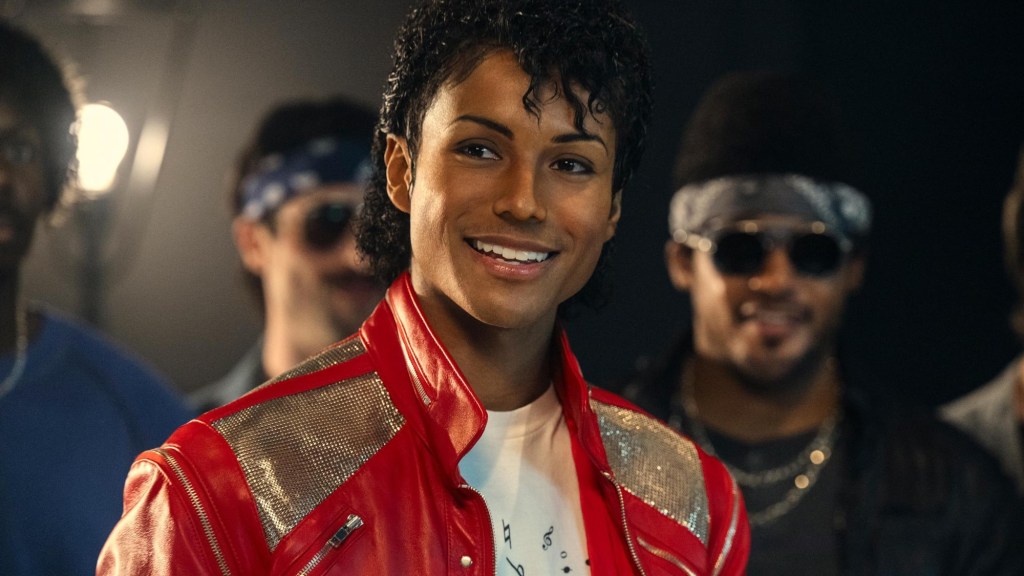
And somewhere between the opening frames and the closing credits, I didn’t just watch a film—I time-travelled.
Because Michael isn’t just a biopic. It’s a reminder. A reminder of what it meant to grow up in the era of Michael Jackson—when music wasn’t just heard, it was lived. When every beat had a personality, every move had an attitude, and every song had the power to make you drop whatever you were doing and just… dance.
Let’s address the obvious question first: does the movie live up to expectations? Well… yes and no. If you’re going in expecting a deep, exhaustive, no-stone-unturned documentary-style breakdown of his life, you might feel it skims a few chapters. But honestly? That’s not what this film is trying to do. This isn’t a Wikipedia page in cinematic form. It’s an emotion. A vibe. A love letter.
And oh, what a love letter it is.
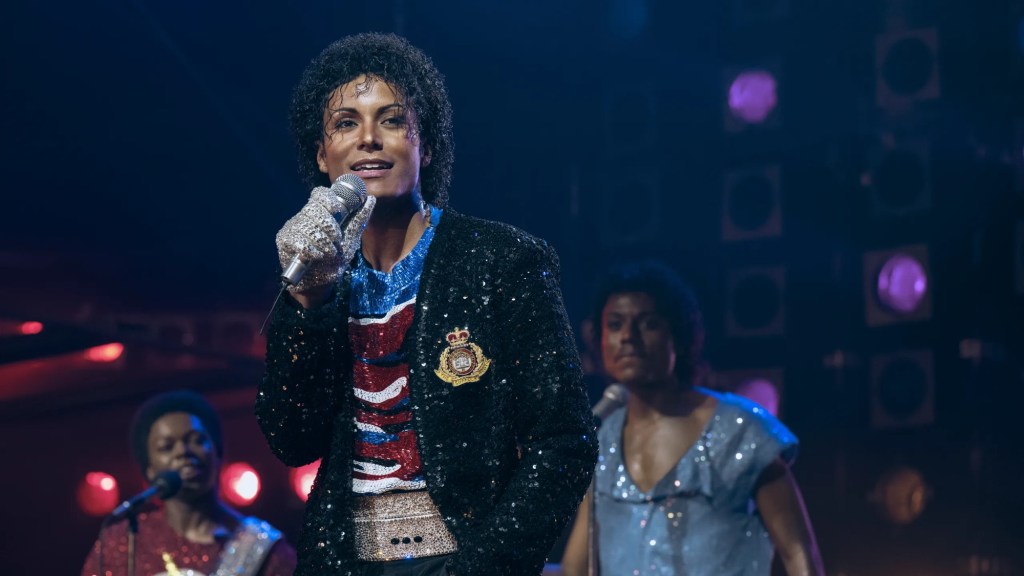
Because somewhere along the way, you realise you’re not evaluating the film—you’re reconnecting with Michael. The Michael who gave us Billie Jean, Thriller, Beat It, and Smooth Criminal—tracks that didn’t just top charts, they defined them. Songs that still hold up today, sounding as fresh as your Spotify Discover Weekly (but with way more swagger).
And then there’s the dancing. I mean, come on—the moonwalk alone deserves its own national holiday. Before hashtags, before viral challenges, before TikTok turned everyone into a choreographer, Michael Jackson was out there inventing moves that the world is still trying to perfect. That kind of originality? That’s not talent—that’s mythology.
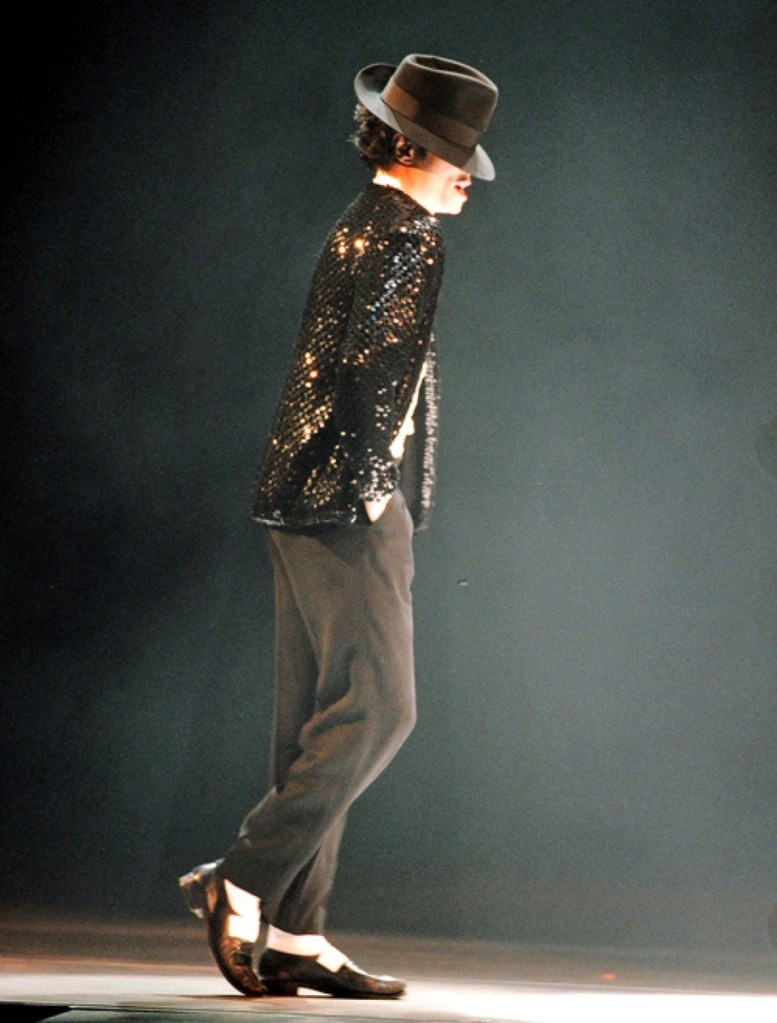
What the film does beautifully is place you back in that era. A time before social media, when fame wasn’t algorithm-driven, and global stardom meant physically reaching hearts across continents without the luxury of instant access. Imagine that—no Instagram, no YouTube, no “going viral”… and yet, he was everywhere. In every country, every household, every cassette player (yes, cassette players—Google it if you must).
That’s not just fame. That’s phenomenon.
And the film leans into that. It celebrates not just the man, but the moment in history he defined. The explosion of pop culture, the evolution of music videos, the merging of fashion and performance—Michael wasn’t riding the wave, he was the wave.
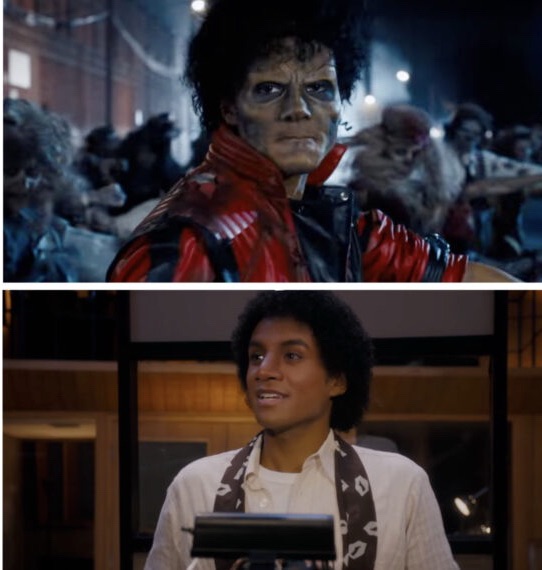
But beyond the glitter, beyond the iconic fedora tilt and sequinned jackets, what really stays with you is the simplicity of the man. The humility. The almost childlike wonder. The idea that someone so impossibly talented could still feel so human. And that’s where the film quietly wins you over.
Because it stops being about “Michael Jackson, the superstar,” and becomes about “Michael, the dream.”
And somewhere in that, it nudges you. Softly, but surely. If he could do it—if he could rise from where he did to become who he became—then maybe, just maybe, there’s a little bit of that possibility in all of us.
Cheesy? Maybe.
True? Absolutely.
The film is, above all, feel-good. And in a world that often feels like it’s running low on that currency, it delivers generously. You’ll laugh. You might tear up. But most importantly, you’ll walk out lighter—like life has a soundtrack again.
And that’s the magic of it.
It doesn’t try to dissect him. It makes you feel him.
And let’s be honest—today’s music world is overflowing with megastars. You’ve got Taylor Swift selling out stadiums across continents, Bruno Mars bringing back old-school funk with effortless cool, Billie Eilish redefining what pop even sounds like, and icons like Beyoncé, Jay-Z, Miley Cyrus and Weekend’s continuing to dominate culture, charts, and conversations.
They’re all phenomenal. No question.
But—and this is where the mic drops ever so gently—none of them are Michael Jackson.
Because what Michael had wasn’t just stardom—it was universality. He wasn’t big in one genre, one country, or one generation. He was everywhere, all at once, at a time when “going global” actually meant something. No streaming hacks, no viral algorithms—just pure, undeniable genius cutting through every boundary imaginable.
And I think even the biggest stars of today would agree—there’s a difference between being iconic and being epoch-defining. Michael didn’t just dominate pop culture; he reshaped it.
So yes, we are living in an era of incredible talent. But when it comes to that singular, untouchable, lightning-in-a-bottle brilliance? There is only one true King of Pop.
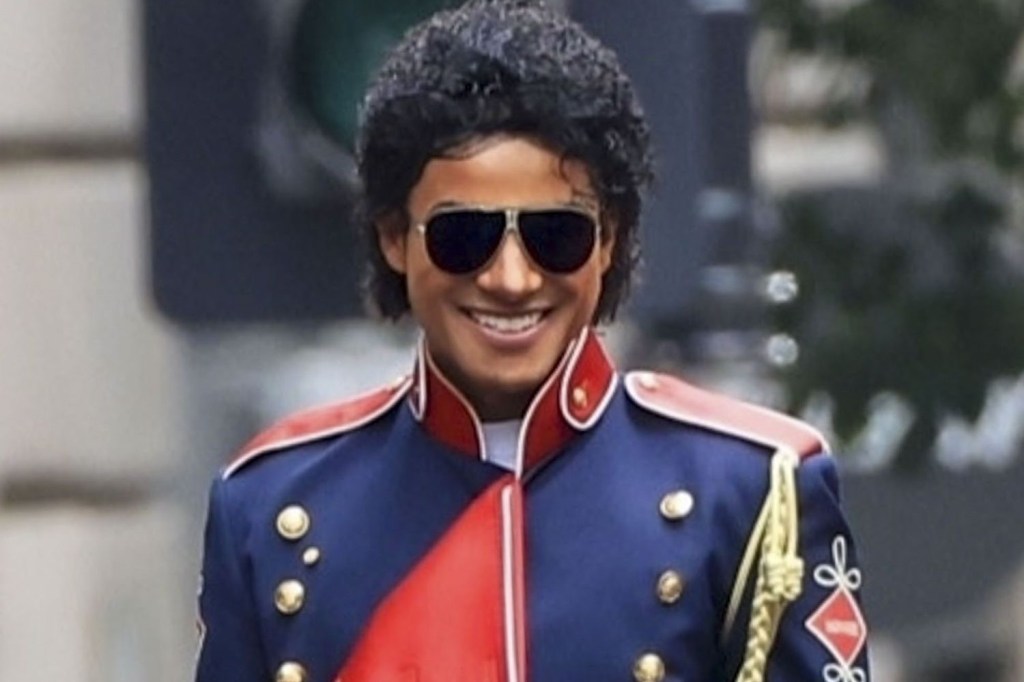
Also, a special shoutout has to go to Jaafar Jackson—because stepping into Michael Jackson’s shoes isn’t just acting, it’s borderline auditioning for the impossible. And yet, Jaafar pulls it off with such effortless swagger that you almost want to check if this is some sort of reincarnation situation.
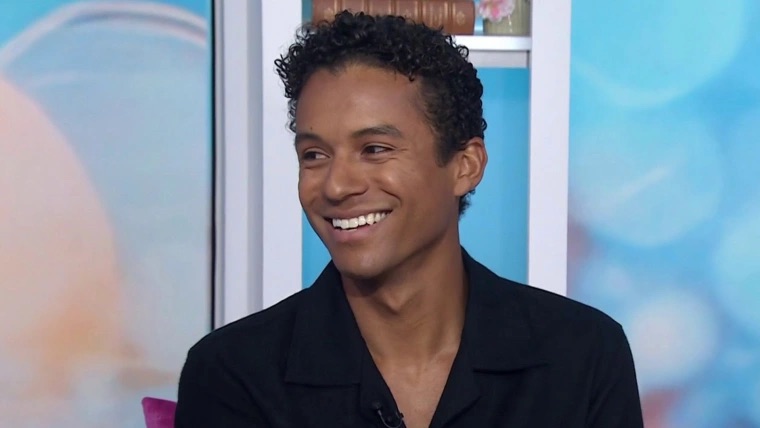
From the tilt of the hat to that signature glide (yes, that glide), he doesn’t mimic—he becomes. It’s the kind of performance where you stop saying, “Wow, great acting,” and start wondering, “Wait… is this archival footage?” Smooth, electric, and eerily spot-on—Jaafar doesn’t just do justice to Michael, he makes you believe, even if just for a couple of hours, that the King never really left the building.
By the end, as the credits roll and the music lingers just a little longer than it should, there’s this bittersweet ache. A quiet realisation that legends like Michael don’t come around often. In fact, they don’t come around again.
Because as the film says—and as you’ll completely believe by the time you leave—
There never was a Michael.
There never will be one.
And somehow, that makes you love him—and life—a little more.

