How often have we heard that when it comes to copy in advertising , LESS is MORE? Well, more or less. Don’t you hear it all the time? There is a copywriting anthem, “The more you tell, the more you sell.”
Does anyone read those long ads that seem to go on for days? Bob Bly advises that the length of your copy depends on three things : the product, the audience and the purpose. Joe Sugarman says that the need for longer copy hinges on the price point and the unusualness of the item. The higher the price and the more unusual the product, the greater the need for longer copy.
I am not a big fan of short copy. It tends to be vague and isn’t fully representative of the product or service that’s being sold.
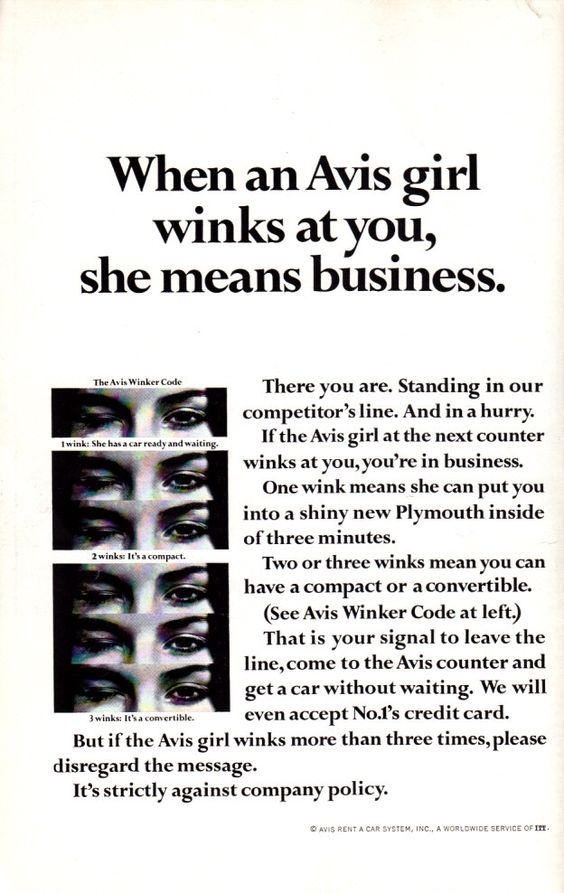
Take a look at this…
Isn’t that great?
This ad walks the middle ground between long and short copy. But it’s smart, funny and attention-grabbing. Written in everyday language.
All this in a car rental ad. Simply incredible!
It manages to target the right audience (your competitors customers) in just the right way. And it accomplishes this with finesse. It also works because it forgoes bland corporate speak in favour of a more natural fun way of addressing the consumer. Given that it’s a little bit male oriented and it’s a thin line between objectifying women and pure tongue-in-cheek humour. Still, it grabs eyeballs in the way that it was intended.
We don’t know what kind of internal communication went to the female staffers of Avis. Imagine something along the lines of ” Ladies..we are incorporating a new wink policy. Please see the attached creative and begin following its instructions. Don’t be alarmed. Winking at male patrons is fully safe, since we’ve forewarned them that it’s only for business. But just to be safe, do carry Pepper Spray to work.” 🙂
Well, while Avis as a brand, glorified being No.2 and trying harder, this copy certainly pushed a few boundaries. Avis used its “We Try Harder” tagline for 50 years before replacing it in 2012 with “It’s your Space” targeted at busy business travellers.
Our industry speaks a lot about novelty and authenticity but we seem to have misremembered what those words mean. These days most ads are interchangeable with other brands in the same category. BIG Images, SHORT Copy and LOUD Calls to Action (CTAs).
It’s not surprising that you rarely see engaging copy like this anymore. When you take time and use the right words to describe who you are, ultimately your customers will begin agreeing with you. When you use the appropriate voice and language to own your image, you will find that it’s only a matter of time before you begin attracting customers more than pursuing them. That’s the long and short of it.
“Reading is dreaming with open eyes,” quoted Anissa Trisdianty. At some point in our lives, we get stuck in the chatter and clatter of everyday living. But, once you get off the crazy train and really begin to examine your life, you find that you’ve been running on this treadmill called life – going faster and faster, yet never getting anywhere. At this point, you need a dollop of inspiration to get you back on track and even help you change direction, if that’s what you want to do. These self-help books provide just the right dosage of motivation to get you on the right path to success and happiness.
3 Best Self Help books to read in 2020
# 1 BIG MAGIC BY ELIZABETH GILBERT
Big Magic is both a template for personal development and a memoir. It is a motley mix of things that Elizabeth discovers during the writing and creative process.
It is also speckled with anecdotal insights that she learns from others. She shares some of her most personal experiences with writing, creativity and magic. The book is as entertaining and inspiring as it is light-hearted and humble.
I would recommend this book to anyone, even those who feel they lack creativity. Read and discover how ideas float about in the world, seeking just the right person.
Big Magic by Elizabeth Gilbert
#2. YOU ARE A BADASS BY JEN SINCERO
Sassy and unapologetic, the book is broken up into five parts. After laying out some insights for introspection, particularly how we got to being the way we are, she then gets into the lessons. When it comes to taking actionable steps, she says that done is better than perfect.
She touches upon topics like self-worth, doing instead of thinking, decision-making and meditation. Sincero then rounds up the book by writing about money and detailing how to manifest it.
Funny with a liberal smattering of raunch, Sincero’s book is filled with pin-worthy quotes and to-do lists that tell you what steps to take to make changes in your life.
#3 WHEN : THE SCIENTIFIC SECRETS OF PERFECT TIMING BY DANIEL H. PINK
The author asserts that being at the right place at the right time isn’t luck. It’s science! Theoretical but practical as well, the book tells us which time of day is good for decision-making.
A ‘Time Hacker Handbook’ accompanies each chapter. This helps you make everyday decisions : when to work out, change jobs, get married or study.
He opines that a better understanding of this science of timing, helps us live healthier and more fulfilling lives.
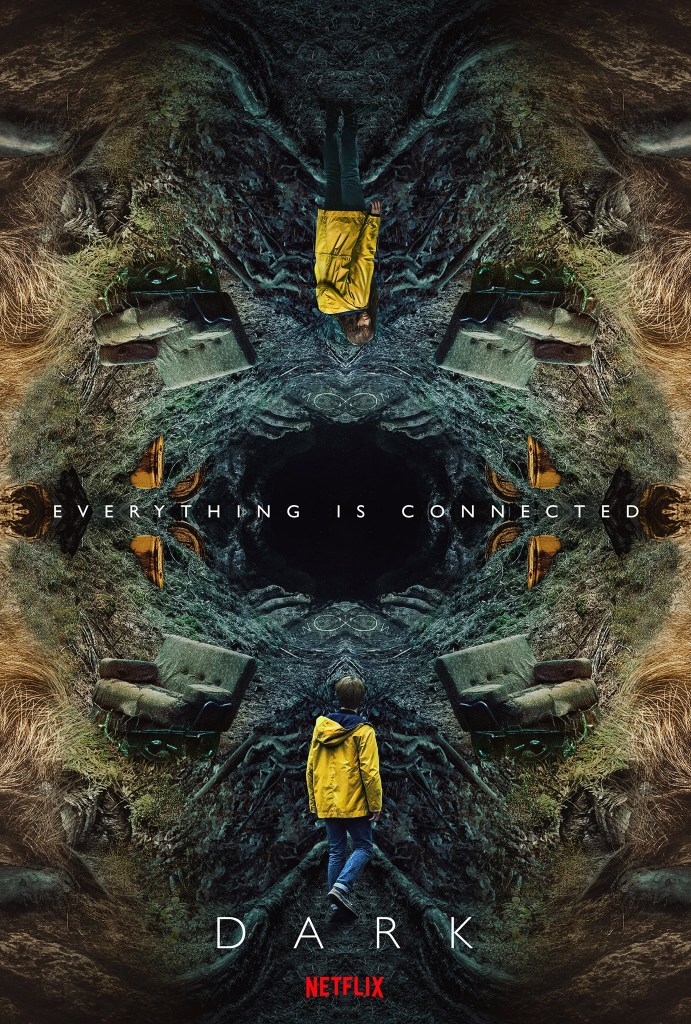
Dark, set against the backdrop of the German town of Winden is about a few children, their families and the extraordinary events that transform their lives. As the seasons progress, you get to know the characters better as dark secrets about their lives begin to emerge.
After a child vanishes, the inhabitants of the town find that there is a wormhole in a cave, in close proximity of a nuclear plant, from which characters indulge in time travel. The discovery, prompts new intriguing disclosures that frequently change the way one perceives the whole story.
The Review
I am not a fan of sci-fi or complexity and tend to watch content purely for the need of recreation and relaxation. Dark doesn’t fit the bill. For the most part, I tried valiantly to keep up with the storyline and the identity of the characters across various timelines. And that was taxing to say the least.
Yet, I found myself fascinated by the sheer intelligence and novel concept of the series. In the first two seasons, the series successfully combines science fiction elements with emotional drama. There are four intertwined family trees spanning across four generations. Most of their members travel across timelines and this makes it hard to discern their identities. Ultimately, I downloaded a family tree off the internet to keep track of the characters across generations. Add to this mix, a time loop and Nietzsche philosophies, and you get possibly one of the most intellectual and original sci-fi shows of all time.
The third season picks up at the apocalypse. As the clock strikes its way to zero in Jonas’s Winden, Martha makes a sudden appearance to take Jonas to a parallel world. In this world. the four families are similar but not affected by Michael Kahnwald’s suicide or Mikkel Nielsen’s disappearance. In this particular world, it is Martha who travels through time to discern the mysteries of their world. Thus, we have a dichotomy of worlds into Jonas’ world and Martha’s world where each travels through time to solve the problems of their respective worlds.
As we traverse the intricacies of Martha and Jonas Windens worlds, Dark ups the ante on the determinism versus unrestrained choice discussion. Are our lives governed by destiny or individual decisions? Can the future change the past or vice versa? While the overarching idea of the first two seasons was based on the disappearing of MIkkel, the third season re-imagines a world in which that does not occur. Across eight episodes, it explores topics of time loops, Biblical concepts of Adam and Eve likened to Jonas and Martha and how the future influences the past. However, the key highlight of the season is familial ties and the extent to which a parent will go to guarantee the safety and well-being of their child.
This season is far more complicated that the previous two. Driven by quantum physics, it also takes a deep dive into the cause and effect concept and even dwells upon the Shrodingers cat experiment paradox. The main question is how much can we influence the flow of time and events by engaging or interfering with a particular situation? It bears similarity to Winden, where the characters travel back and forth in time, influencing the causes and effects of their actions.
My Honest Opinion
While it may not have been my first choice to watch out of the other options on Netflix, I was quickly drawn into the world of Dark and particularly its characters. At one point, I was afraid that the build-up was so good, that the climax would be disappointing.
I was happy to be proven wrong. While Dark’s final season does leave some unanswered questions, the story culminates in a beautiful way. It’s so different and new that it’s tough to talk about it without leaving a spoiler.
The only issue I had was the lack of shock value when a major character dies. We are so accustomed to see characters dying and coming back to life across the seasons and timelines, that we expect them to return back to life sooner or later.
However, if you can turn a blind eye to these very minuscule issues, you will be treated to a highly engaging sci-fi thriller, rife with emotion and brimming with intelligence. Everything else is but a minor glitch in the matrix.
This topic may seem a little strange. What does George Orwell’s Animal Farm have to do with Advertising?
To truly comprehend this, first let’s revisit the Animal Farm with a short summary and a re-introduction to its characters.
Summary of the Animal Farm
The Animal Farm is an essay about farm animals who take control of the farm, by overthrowing human control. The animals feel mistreated by their master Farmer Jones, and they conspire and succeed in ousting him out. Once they are liberated from the despot Jones, their life on the farm becomes productive for some time. There is also the promise of a joyful fate with less work, better training and more food. However, a power struggle ensues between the two pigs Napoleon and Snowball. Napoleon forcibly seizes power and winds up misusing the animals similarly as Farmer Jones had done. The essay concludes with the pigs behaving and even dressing exactly like the human-beings that the creatures attempted to dispose of in the first place.
Key Characters
The Old Major – Old Major is Mr Jones’ prize boar. He assembles the animals together in the big barn to make a speech. He is well respected, a good speaker and is the one who first gives hint of the rebellion but dies soon after.
Napoleon – is one of the three pigs that takes The Old Major’s ideas and uses it to encourage the animal rebellion. He is not a talented speaker but gets his own way somehow through preventing others from making their points. Eventually, he becomes as much of a tyrant as Mr Jones the farmer and mistreats the other animals.
Snowball – Snowball is one of the key pigs who takes the teachings of Old Major and turns them into a way of thinking called ‘Animalism’. He is intelligent, comes up with new ideas and cares about the farm animals. His plans involve providing education and better conditions on the farm. Napoleon uses him as a scapegoat, and eventually has him chased off the farm by dogs as he perceives him as a threat.
Boxer – a horse is a hard worker, strong, loyal and caring. Sadly, he is so loyal, that the pigs take advantage of this and work him until he collapses. Then they sell him to the horse slaughterer so that they can buy more whisky. Whenever something goes wrong, he blames himself and vows to work even harder.
So, how does the Animal Farm relate to Advertising?
Advertising Campaigns can be used to achieve good or bad objectives
Propaganda, which the Animal Farm is based on, is an exceptionally powerful type of Marketing. Frequently, it is extremely proficient in communicating and planting polarising thoughts and ideas. In the Animal Farm, it is clear that Orwell is depicting a dictatorship regime through his allegory. He wanted to sound his peers about the true nature of the so-called “ideal” communist model.
The Animal farm includes themes like propaganda, spinning the truth, speeches, fear mongering and anthems. All of these find a place in marketing and advertising campaigns. And can be used powerfully for good or evil. Particularly, in political campaigning.
2. Selecting the Right Target Audience
The target group is changeable, contingent upon how big the client’s piece of the overall industry is. In the case of a wide audience, advertisers should plan separate advertisements for each targeted segment. So, a business that works on a global scale, would create separate promotions for each localised target group, or the marketing messages will be irrelevant and won’t convert into sales. To put it plainly, it’s simpler to achieve message recall when it appeals directly to the target.
This is suitably demonstrated in the Animal Farm. When Napoleon wants to gain acceptance for a new and modified farm doctrine, he chooses his target audience very carefully. He doesn’t attempt to convince Benjamin, the intelligent donkey. Instead, he gets his orator Squealer to convince the most gullible and easily influenced animals on the farm, the sheep. So, he used two attributes to decide his strategy; quantity and ease. He needed larger numbers to quell the opposition and he needed those who were easy to convince. The sheep were a perfect match.
Advertisers should take these considerations into account when deciding messages and campaigns.
3. The power of Story-telling
Story-telling is such a solid instrument to gain brand recall that it’s confounding that it’s not used better and more frequently by marketers. Orwell’s story makes more of a mark because it uses allegory to liken the situation of the farm animals to the Russian revolution.
The relatability and engaging nature of a story makes it simpler and pierces the target audience better than a bland piece of advertising. Orwell likened Russian socialists to pigs and managed to get away with it.
He created stereotypes exemplified by the farm animals. Don’t they fit individuals you know or work with? The tyrannical boss, the work horse, the shrewd donkey, the adorable but useless cat.
4. The Herd Mentality
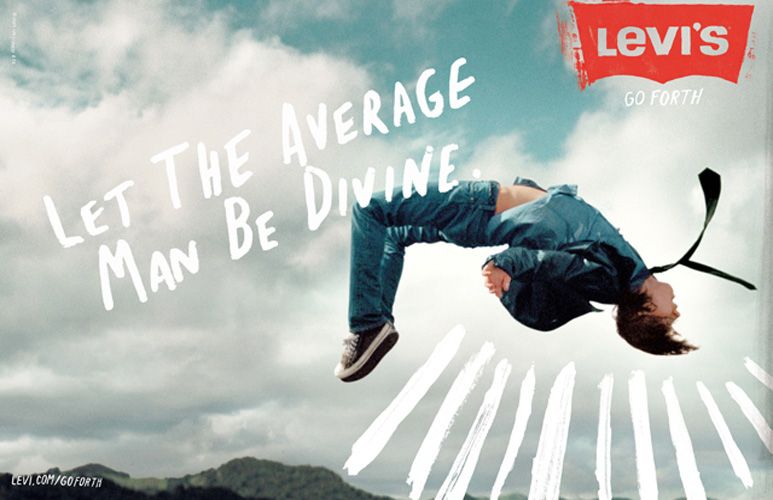
Everybody wants to fit in and belong. Effective advertising tells the audience they should do something, buy something or support something because other people are doing it too. Ad campaigns that appeal to a person’s need “to belong” are often more successful. For instance brands like Levis, Coca Cola and Nike make use of the social and cultural context to do this very effectively. Even if the messaging is aimed at helping people stand out, ultimately “standing out” is also a way of fitting in and being accepted.
The Animal Farm depicts how Napoleon uses herd mentality to gain support for his doctrines and causes.
5. Promises and Lies in Corporates
Work hard but don’t allow yourself to be manipulated . Keep upgrading and re-thinking your goals. There is a time to be Boxer, the work horse who is loyal and supportive. And there is a time to be Benjamin the donkey- the whistleblower who cautions everyone when something seems to be wrong.
The story of the construction of the windmill is a cautionary tale for marketers. The animals are promised “heaters and hot and cold waters” as recompense for building the windmill. After much hardship and sacrifice, the windmill is built. And then they must build another to generate electricity because the first one will be used for another purpose. Doesn’t this bring to mind that tough project you worked on that ultimately went nowhere?
6. Ego-Tripping
Ego-tripping is also known as the snob appeal. It’s a play on the desire for the finer and fancier things in life. Better working and living conditions were promised to the farm animals in order to gain their support to overthrow Mr. Jones.
Luxury brands like Mercedes and Mont Blanc make use of aspirational advertising to drive traction and sales.
7. Effective Use of Slogans
The Animal Farm makes ample use of slogans to further the cause of its leaders.
For instance :
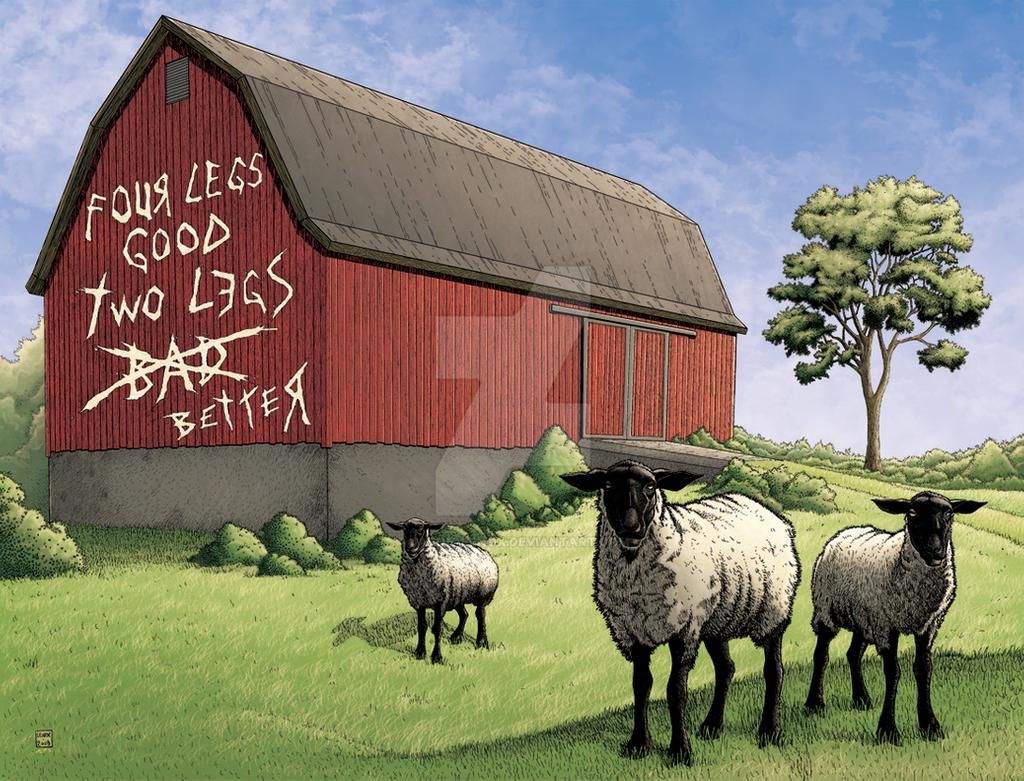
“Four legs good, two legs bad.”
– The sheep
This chant began as a simpler way to vocalize the ideals of the rebellion in the minds of the less intelligent animals. It also helped to outst Mr. Jones during the rebellion.
“Four legs good, two legs better.”
– The sheep
This slogan then evolved into a way to suppress any thoughts that were against Napoleon’s leadership.
Nike’s “Just do it” and Apple’s “Think Different” have now become anthems that cut across the demographic and intelligence spectrum. It also boils down to repetition, repetition, repetition. Repetition establishes credibility and brand familiarity. According to the book “Advertising : Principles and Practice”, an advertisement must be repeated at least nine times before potential customers acquire enough interest to purchase the product or service.
8. A Free and Fair Playing Field
All said and done, it’s sobering to realize that we market in a level playing field where we can advertise our products and services freely. Well, most often anyway. The internet and social media in particular have opened up possibilities that didn’t exist earlier.
To Summarize :
“All Animals are Equal but some Animals are more Equal than others.”
– George Orwell
As long as there have been markets, there have always been marketers or advertisers with more insider knowledge than others. Is the current marketplace truly fair or are some players establishing their monopoly subtly but surely?
Animal Farm started with a dream. A dream for a brighter future for the farm animals with better living and working conditions. However, in the end, most of the animals got old, some died and the younger ones were brain-washed and under Napoleon’s control.
Some dreams die. Others are forgotten. As marketers, we should work hard but never lose sight of the end objective or goal. Enough said.
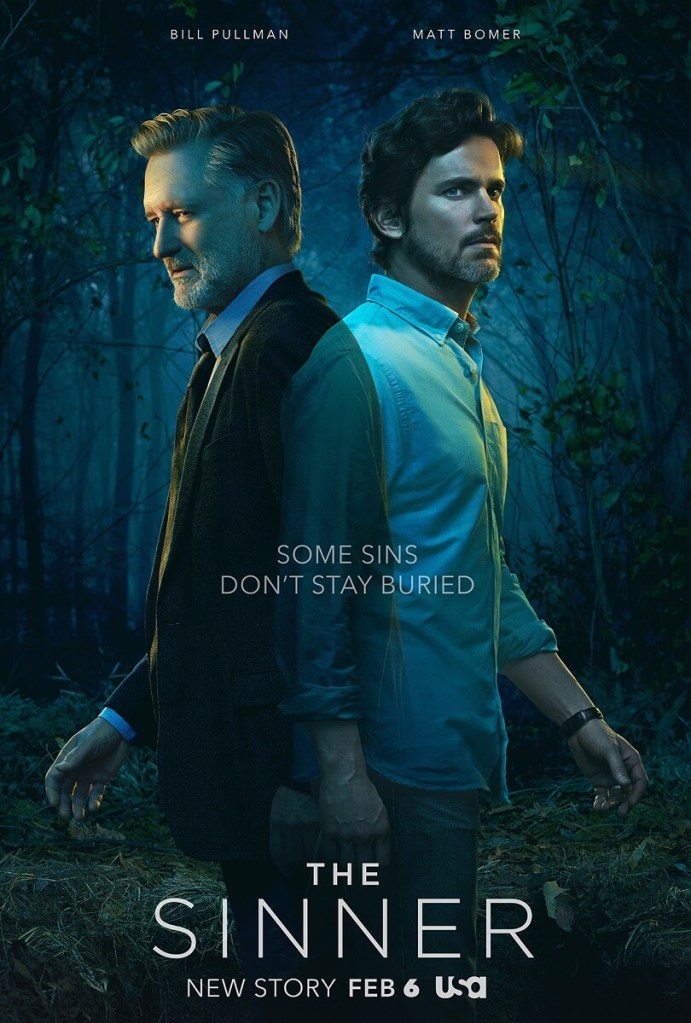
As the third season of The Sinner unravels, we meet Jamie Burns (Matt Bomer) a college professor and his wife Leela (Parisa Fitz-Henley). Leela is pregnant and is a few days away from giving birth to their first child. One evening, Jamie’s old college friend, Nick Haas (Chris Messina) comes uninvited to his house and Jamie looks disturbed to see him. Nick is then invited to join them for dinner, and the conversation is intense and uncomfortable. Later that night, Jamie and Nick go for a drive and meet with an accident. The accident takes place on land belonging to local artist Sonya Barzel (Jessica Hecht). As the investigation takes place, chilling facts emerge throughout the series keeping the viewer guessing and speculating. Detective Ambrose (Bill Pullman) limps along trying to get to the heart of ‘what happened that night.’
The Review
Over its three seasons, “The Sinner” has to a great extent been based on the concept of an onion, where you have to peel layer after layer to get to the truth. The main characters in each season, have been people who appear normal on the surface, but later seem afflicted and confused by the crimes they are purported to have committed. In each, you wonder how someone so normal could be capable of something so drastic?
In the first three episodes , Jamie is a chameleon, going from charismatic school teacher to an anxiety ridden husband at home. The chemistry between Nick and Jamie is electric from their first scene together. Messina’s performance as Nick is mysterious and mesmerising. The direction also builds sufficient intensity, while giving breathing room for the story to flesh out and move forward.
Detective Ambrose is convincing as he battles sciatica while investigating the case. When he speaks to Jamie, he sees how disturbed he is and begins to delve deeper into Jamie and Nick’s history. He discovers that Nick had an emotional hold on Jamie, forcing him to examine his personal philosophies on life, leading to some hazardous encounters. It appears that Jamie attempts to leave his past behind by seeking normalcy through his marriage to Leela.
However, after the accident, we notice that it’s not possible for him to do so. It appears that Nick’s hold on Jamie becomes stronger after the accident and Jamie hallucinates about Nick throughout the day.
With each passing scene, Jamie becomes increasingly unhinged. When Ambrose gets him to see a mental health professional, things don’t go as planned, leading to disastrous consequences.
The unwavering focus, like the previous seasons, is more on the “why” than the “what.” Why does the suspect do what he does? Why is he the way he is? Get ready for some discussions about Nietzsche, human will, higher purpose, guilt and God. En route, there are deaths and unusual curves to the story.
Season 3 of the Sinner fills you with an unsettling disquiet, with shots of arranged ghastliness and profoundly agitating queries about life and death. It moves seamlessly across genres, indicating an uncommon dominance over the specialty of narrating and acting, making the excursion of The Sinner as exciting as its ultimate destination.
My Honest Opinion
While I personally preferred Season 1 of The Sinner for its shock value, Season 3 was a better watch than Season 2.
It’s almost as if there is a looking glass pointing at you. Both Jamie and Cora are normal people with a lot of stuff going on underneath. They could be you or me. I felt a whole range of emotions including compassion, disgust, surprise and fear. Like the producer Jessica Biel opines, it takes you through the whole gamut of the human experience.
You get to see the complexity of human behaviour at close quarters and how it can display itself in ways where you can’t draw inferences at first glance.
The true beauty of the series, is that the line between good and evil is blurred. There’s no black and white but the entire rainbow of what it means to be human, that we have to contend with.
To fill a glass, you must empty it first. The equivalent applies to advertising. Sometimes, you must unlearn the new, in favour of the old.
Everyone enters advertising with enthusiasm and passion. But once you’ve been put through the ringer, passion takes a backseat and enthusiasm dissolves into a puddle.
Fortunately, when it comes to advertising, you are preceded by a number of brave hearts from the industry. Extraordinary individuals who fashioned new ways, disrupted norms, re-examined methods and made present day advertising conceivable.
Between print and electronic, social media and content marketing, advertising can feel a little muddled. So, sometimes it makes perfect sense to return to the roots and revisit quotes from advertising greats that inspire, excite and motivate.
Here are my top 10 favourite quotes on Advertising :
1. “We want consumers to say, ‘That’s a hell of a product’ instead of, ‘That’s a hell of an ad”
– Leo Burnett
For me, this is a core principle that agencies, creatives and clients should use as a yardstick to decide what creative route or piece of advertising to approve.
2. “Creative without strategy is called ‘art.’ Creative with strategy is called ‘advertising.”
– Jef I. Richards
If an advertisement is creative, but lacks effective strategy it will miss its mark. The biggest part of advertising is reaching out to a targeted audience. Making an advertisement that will engage the viewer and then ensuring it reaches the right audience is the goal of a successful campaign.
3.“In our factory, we make lipstick. In our advertising, we sell hope.”
– Peter Nivio Zarlenga
Advertising is more than mere creation of logo and brand identity. It involves storytelling, creating a brand image, tapping into consumers’ emotions and inspiring them to make a purchase. It is the transformation of a product into an emotion and inspiration for the customer.
4. “An ad is finished only when you no longer can find a single element to remove.“
– Robert Fleege
Less is more. Always. If you can’t say it simply and concisely, you’re saying it wrong. We advertise to connect and not to confuse. People will ultimately comprehend the core of your message and disregard the fluff around it. Think more. Say less!
5. “The advertisement is the most truthful part of a newspaper.”
– Thomas Jefferson
This is a bit off-kilter. It wasn’t particularly his thoughts on the newspaper. It was said in context of the Panic of 1819, the first financial crisis in the USA. He was trying to downplay the panic, since the press was blaming the federal government. It may not be relevant here, but I found it interesting nevertheless.
6. “I have learned that any fool can write a bad ad, but that it takes a real genius to keep his hands off a good one.”
– Leo Burnett
There’s no single definition of creativity and therein lies its challenge. What’s good for the goose isn’t always good for the gander. The most creative ad is not necessarily the best one. Creativity for the sake of it may do more harm than good. So, it’s important to know where to draw the line.
7. “The real fact of the matter is that nobody reads ads. People read what interests them, and sometimes it’s an ad.”
– Howard Luck Gossage
He’s got a point. How many ads do you read carefully? Most ads get passed over unless they manage to attract a viewer so compulsively that he has to have a second look.
8. “I don’t know the rules of grammar. If you’re trying to persuade people to do something, or buy something, it seems to me you should use their language.”
– David Ogilvy
Grammar Nazis back off. He wasn’t endorsing bad grammar in writing. His intention was to communicate that you should write in a way that the audience can understand and relate to easily.
9. “Advertising doesn’t create a product advantage. It can only convey it.”
– Bill Bernbach
The product or the service is what it is. Advertising can only communicate existing benefits in as compelling a manner as possible. The marketing landscape can be incredibly gimmicky. Bernbach always first insisted on learning how the products related to their users and tried to define the attributes and human emotions in play. He then decided what communication mode to use to capture the consumers attention and endorsement.
10. The consumer isn’t a moron; she is your wife.”
– David Ogilvy
Underestimate the consumer’s intelligence at your own peril. And your client’s. Advertising should be able to sell products or services to a consumer as though you were selling it to your loved ones. A consumer is a living breathing human-being and you have to meet him at his pain or pleasure point. Respect is a two-way street.
As brands can now engage in two-way conversations with consumers, it is important to keep communication authentic and genuine. At the same time, over-analysing shouldn’t be encouraged. It’s a lot like romance. Say it simply, sweetly and seductively. And ensure the product matches its promises!
Little Women revolves around four young women, their doting mother, their committed house help, a generous neighbour and an attractive rich young man. In the beginning, Little Women appears to be a story about do-gooders.
While it stays true to Louisa May Alcott’s classic released during the 1860s, the scriptwriter Gerwig, gets to the heart of the story, and makes it feel current.
The story follows the lives of the four young girls, their neighbours and parents. An interesting character is their wealthy Aunt March played by Meryl Streep.
In short, it is a heart-warming tale of love, life and aspirations.
The Review
An author, a painter, an aspiring actress and a budding pianist. Every one of the four March sisters (Jo, Amy, Meg and Beth) is talented. However, it’s the mark of the times they live in where women have to choose between marriage and death. The first scene itself describes the challenges that budding author Jo faces when she tries to sell her first story to a newspaper editor.
The book has two main parts but the movie dives straight into the second. Jo is in New York attempting to make it as a writer, yet is compelled to produce commercial potboilers to get by and send cash back home. Meg is hitched with two kids but her husband isn’t wealthy enough to get her expensive clothes. Beth is sickly and confined to her bed, growing weaker everyday while Amy is trying to fulfil her own aspirations about becoming a world renowned painter. She is living with her Aunt March (played by Meryl Streep), when she runs into her neighbour and good friend “Laurie.”
The film bounces to and fro between the present and the past, as the author (Gerwig) utilizes flashbacks of romantic, tragic and sentimental moments that mould the March sisters’ childhoods.
The chronological rearranging makes the story pulse and pushes the viewer to pay attention.
The coming-of-age of the four young women happens against the backdrop of their times, class, age and gender. Romance shows up in the form of youthful Teddy Laurence (Timothée Chalamet), the irreverent grandson of a well off Concord single man (Chris Cooper). Laurie, as the sisters call him, appears on occasion increasingly like a fifth March sister or an awkward young man more than a romantic interest.
Jo struggles to fulfil her aspirations as a writer in conditions where marriage seems to be the only answer for women. Ronan, who plays Jo makes the character relatable and lovable, with her quick wit and on-point dialogue delivery. Amy played by Pugh is torn between youth and adulthood, the aspiration for success as a painter and the knowledge of her standing in society as a woman. Meg (Emma Watson) and Beth are also endearing to watch, and give a sense of completeness to the story. The dynamics between the four sisters, their mother, friends and neighbours is fraught with a contagious energy, that makes Little Women a completely enjoyable watch.
Many were unhappy with the way the original novel ended, mainly because it depicted that Jo who flouted convention, finally succumbed by settling for the German author. However, the movie is a refreshing departure. While there is the frenetic run to the station to catch up with Bhaer, we also get to see Jo watch her very first book being printed and bound. She then holds the book and grins, out of artistic fulfillment.
The movie allows us to wonder if the story closes with marital bliss for Jo, and even challenges us to envision a world in which she remains single and happy as a successful writer.
My Honest Opinion
For those who loved the book and have seen previous versions of the movie, this one will come as a breath of fresh air.
It is liberal, earnest, brimming with romance and sentiment, mindful without being cynical and grounded in the complexities of life.
With solid performances and charming characters, ‘Little Women’ is a winsome retelling of a great classic that is as wonderful as it is genuine.