Mirumi Is Not a Toy.
And Labubu Is Definitely Not a Toy.
They are emotional products wearing plush costumes.
Let’s get that out of the way first.
Because if you think Mirumi is just “that fluffy robot thing” and Labubu is “another cute doll,” you’re already losing the game.
And the game, by the way, is attention. Always has been.
So what exactly is Mirumi?
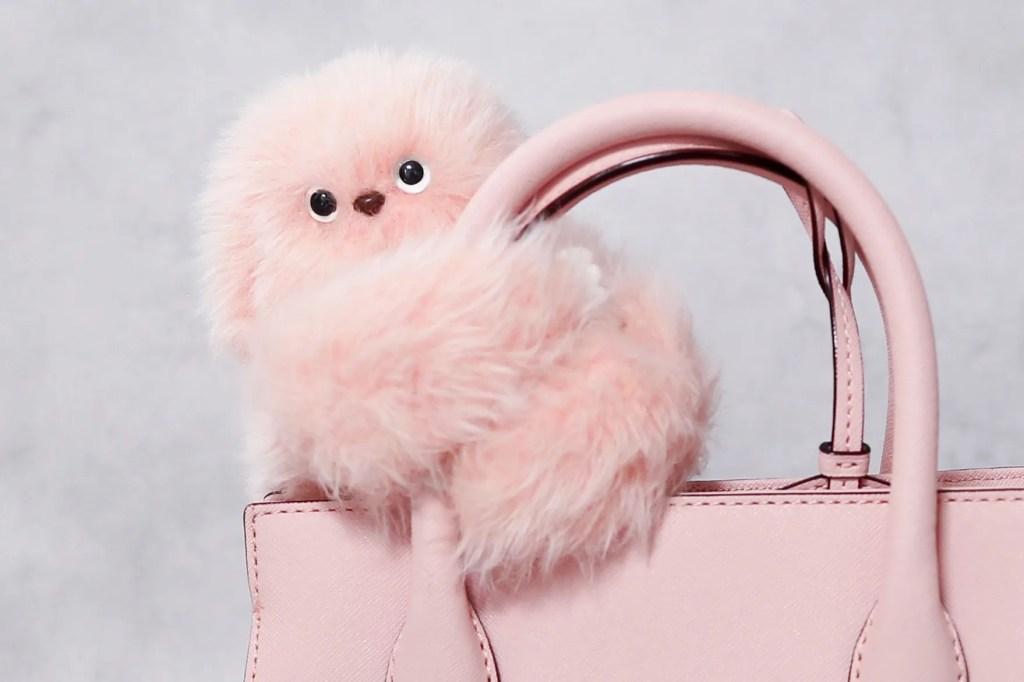
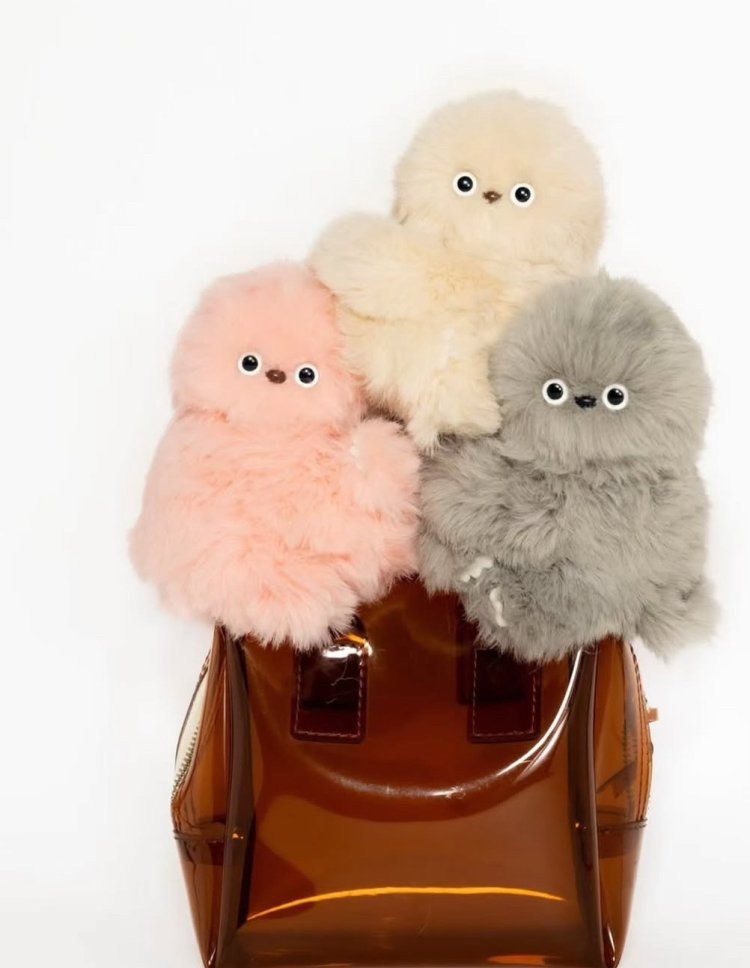
Mirumi is a tiny, furry, clip-on robot that does… almost nothing.
And that’s precisely why it’s brilliant.
It turns its head.
It reacts when you touch it or make a sound.
It looks shy. Curious. Slightly awkward. Like it wants to ask you something but is too polite.
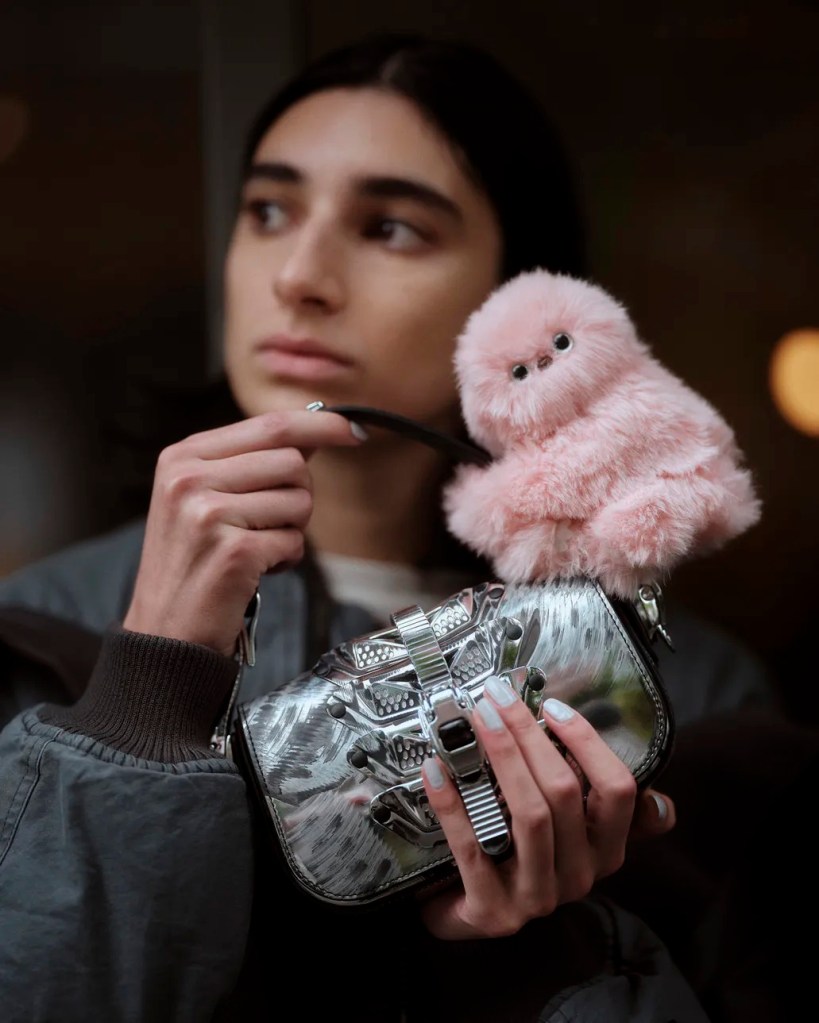
In a world where everything screams for attention, Mirumi whispers.
It doesn’t solve a problem.
It doesn’t optimize your life.
It doesn’t track your sleep or tell you to hydrate.
It just exists. Cutely. Quietly. Watching.
And that, somehow, feels like relief.
Born in Japan (of course), Mirumi comes from a company that understands something most brands don’t: humans don’t always want usefulness — they want feeling.
Japan has been doing “emotional tech” long before Silicon Valley learned how to spell “mindfulness.”
Mirumi isn’t AI. It’s not smart.
But it’s emotionally fluent.
Enter Labubu: The Gremlin Who Ate the Internet
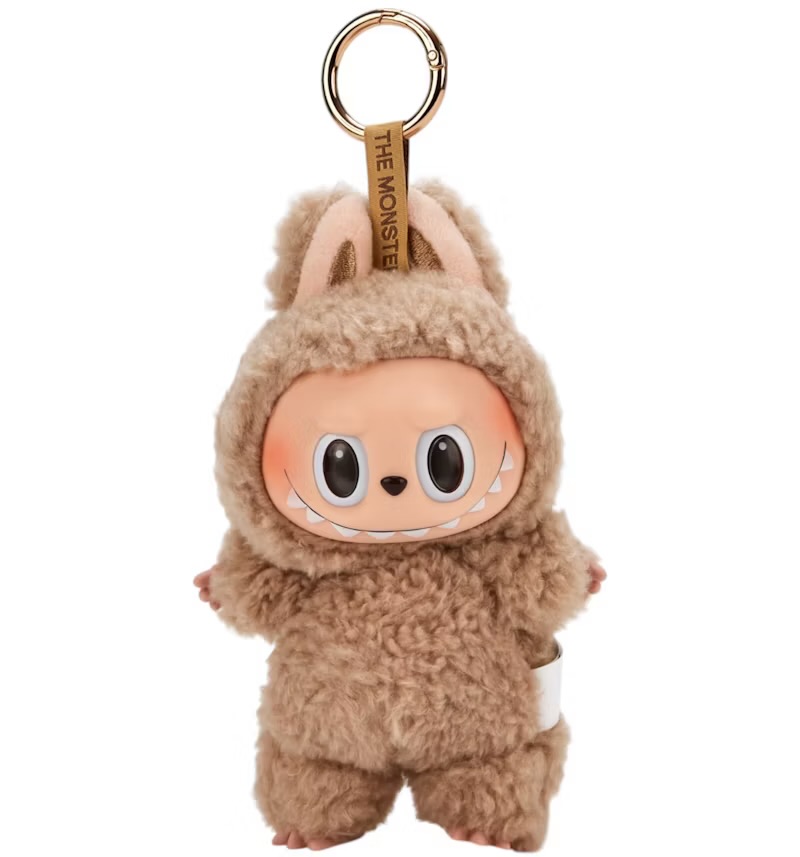
Now Labubu is a completely different beast. Literally.
Where Mirumi is shy, Labubu is chaotic.
Where Mirumi is soft-spoken, Labubu grins like it knows something you don’t.
Where Mirumi politely reacts, Labubu poses.
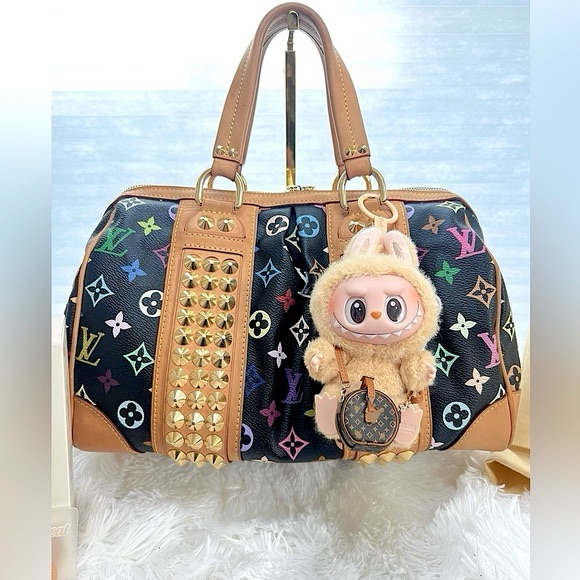
Labubu is ugly-cute. Slightly menacing. Intensely collectible.
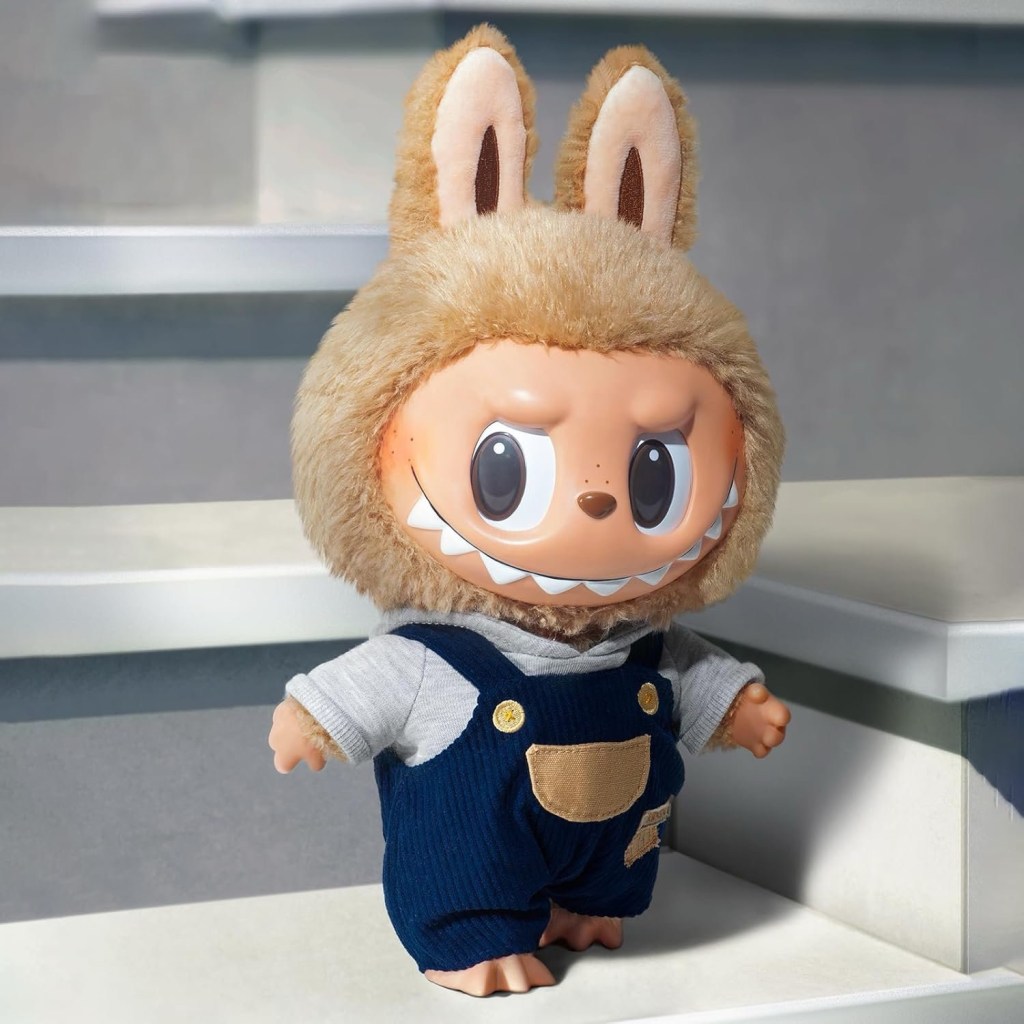
The kind of character that looks like it might steal your snacks and then help you find them again.
And that’s the point.
Labubu didn’t explode because it was adorable.
It exploded because it was distinct.
In a sea of sameness, Labubu looked like a misfit — and misfits are magnetic.
Add blind boxes, artificial scarcity, and just enough celebrity sightings to spark hysteria, and suddenly adults are queueing like it’s a limited-edition sneaker drop.
This isn’t a toy economy.
It’s a dopamine economy.
Why Are These Things Everywhere Right Now?
Because we’re tired.
Not physically. Emotionally.
We live in an age of constant crisis headlines, productivity pressure, and content that never stops shouting. Everything wants something from you.
Mirumi and Labubu ask for nothing.
They don’t preach.
They don’t instruct.
They don’t improve you.
They just sit there and say, “Hey. I exist. Isn’t that nice?”
And weirdly — it is.
These products succeed because they create micro-joy.
Tiny, meaningless moments that feel personal in a world that feels increasingly transactional.
Also, let’s be honest:
They photograph well.
And if it photographs well, it lives forever online.
Mirumi vs Labubu
Mirumi is an introvert.
Labubu is the friend who steals the aux cable.
Mirumi is about interaction.
Labubu is about identity.
Mirumi says: “Look how this little thing reacts to me.”
Labubu says: “Look what I own.”
One creates moments.
The other creates tribes.
Both are doing exactly what modern branding should do:
turn products into social currency.
The Celebrity Effect (a.k.a. The Accelerator)
Here’s the uncomfortable truth:
A single celebrity photo can do what a million media spends cannot.
One airport sighting.
One paparazzi frame.
One casual “oh this old thing?” moment.
And suddenly:
Prices spike Stock vanishes Resale markets go feral.
But here’s the kicker — these products were already primed for fame. The celebrity didn’t create the trend. They just poured fuel on it.
Bad products don’t survive celebrity attention.
Good ones explode.
What Marketers Should Learn (Before Chasing the Next Plush Thing)
Lesson one: Function is optional. Emotion is not.
Mirumi works because it makes you feel noticed.
Labubu works because it makes you feel chosen.
Lesson two: Design for obsession, not awareness.
Nobody casually likes these products.
They either don’t care — or they’re fully in.
That’s not a bug. That’s the strategy.
Lesson three: Scarcity is a drug. Use carefully.
Blind boxes turn shopping into gambling-adjacent entertainment. Powerful? Yes.
Sustainable forever? No.
But effective? Undeniably.
Lesson four: Stop overexplaining.
Neither Mirumi nor Labubu comes with a manifesto. They don’t tell you why they matter. They let the internet decide.
Which is the smartest branding move of all.
The Real Takeaway
Mirumi and Labubu didn’t win because they were cute.
They won because they understood something deeply human:
People don’t want more things.
They want small moments of delight they can share.
In a loud world, Mirumi whispers.
In a polished world, Labubu grins crookedly.
And somehow, both say the same thing:
“Relax. This isn’t serious. Enjoy it.”
Which, frankly, might be the most powerful brand message of our time.
 Honest Reviews