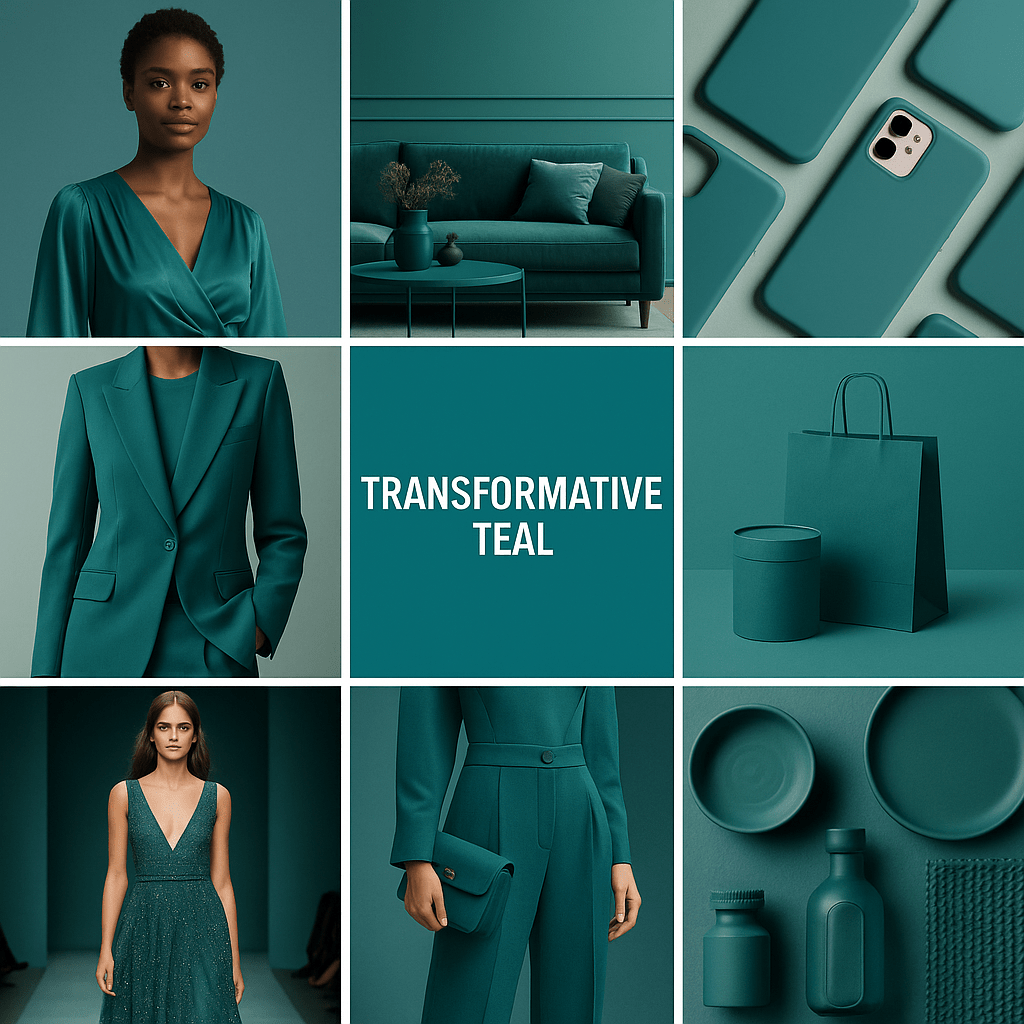
TRANSFORMATIVE TEAL: The Colour of the Year 2026

Move over Millennial Pink, shove aside Viva Magenta, and someone please gently escort Periwinkle into retirement. The Colour Godfathers have spoken — and for 2026 they’ve anointed a shade called Transformative Teal. Yes. Transformative. A colour so profound it promises to upgrade your life, your wardrobe, your chakras, your WiFi speed, and possibly your dating prospects.

According to the trend-forecasting overlords at WGSN and Coloro, Transformative Teal is “a fusion of blue and aquatic green designed to soothe, ground, and renew.” In other words: it’s spa-day energy bottled as a pigment. You’re basically wearing a cucumber-infused detox smoothie.

Why This Colour Is Important (Other Than The Fact That We’re Told It Is)

Every year, WGSN, Coloro and various design mystics gather around a metaphorical crystal ball (probably a Pinterest board) and decide what colour the world needs. For 2026, they’ve settled on teal because apparently we’re all craving “calm courage.” Personally, I’m craving a holiday in Greece and eight hours of sleep, but fine — teal it is.

Transformative Teal represents resilience, renewal, and the universal desire to look like someone who has their life together, even if you’re crying into a wine glass at midnight.

Also — and let’s be honest — teal is one of the few colours that looks good on absolutely everyone. Brown skin? Glows. Pale skin? Pops. Olive? Divine. Hungover? Even better.

Who Decided This? And Why Do They Have So Much Power?

The Colour of the Year is chosen by professionals who do extremely important things like analysing global mood, forecasting cultural shifts, and counting how many influencers posted teal-ish sunsets last quarter.

It’s all very scientific.

They examine:

* runways

* street style

* interior trends

* socio-economic patterns

* and which colour celebrities accidentally wore twice

And voilà — the world suddenly has a colour we must all worship for 12 months.

Which Luxury Brand Already Uses It?

Ah, luxury fashion — the land where every shade sounds like a cocktail, and every outfit costs more than a used car.

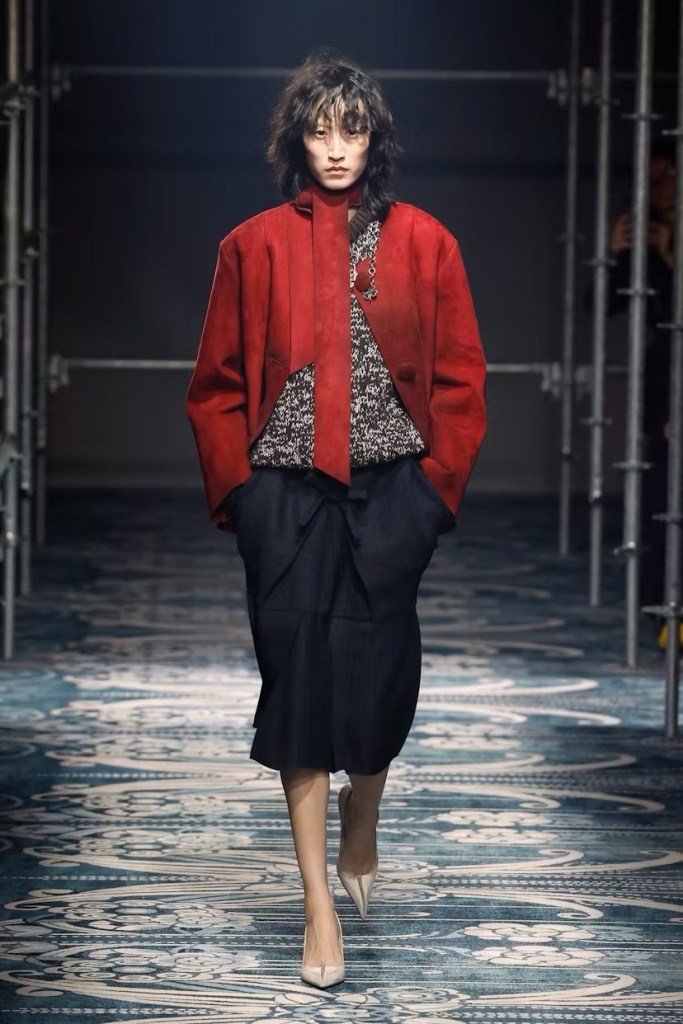
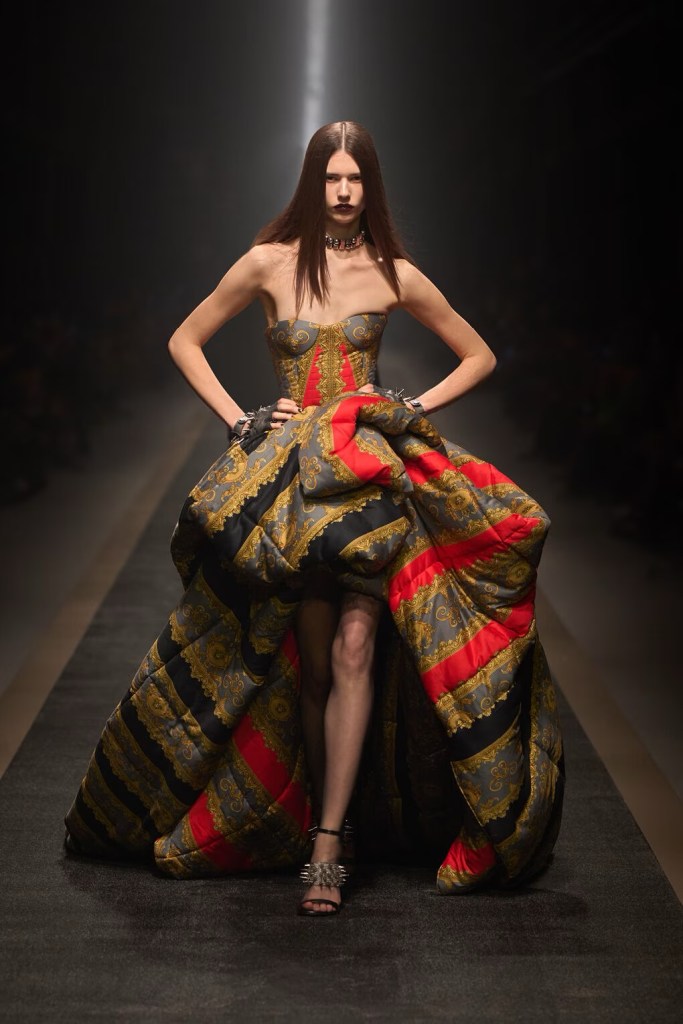
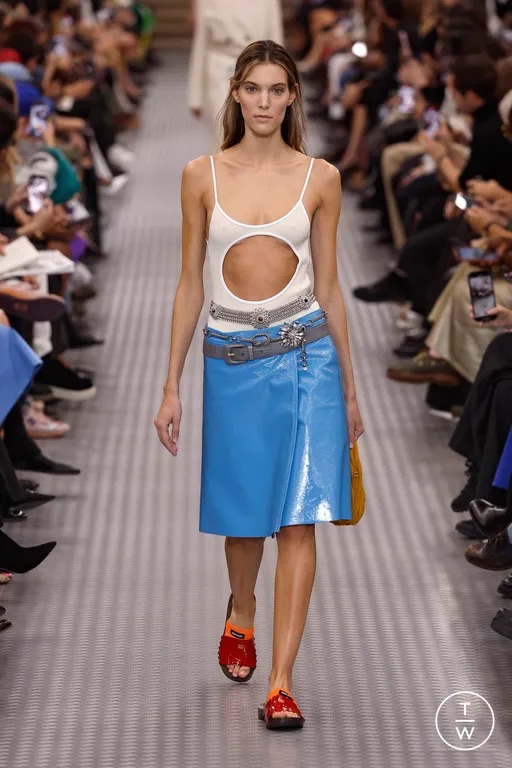
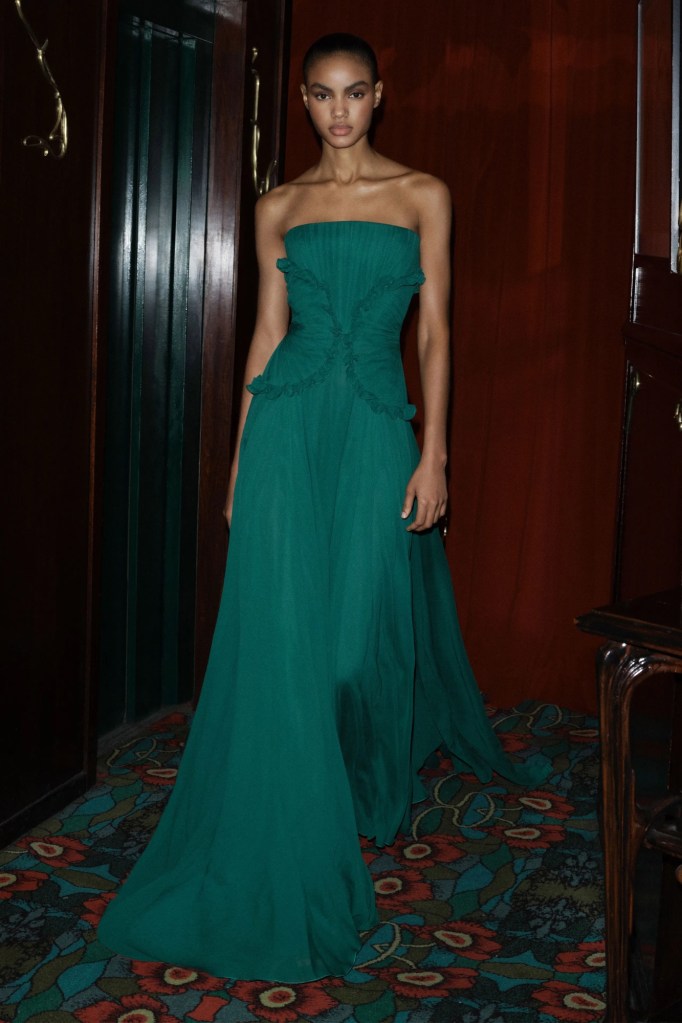
Design houses like Lanvin and Elie Saab have already given us teal-drenched gowns, suits, and runway moments dramatic enough to make you clutch your pearls. They’ve been using teal long before it was the “it girl” shade of 2026. Trendsetters or overachievers? You decide.

Elie Saab 2025

Honestly, Transformative Teal is the colour luxury brands LOVE because it screams:

I’m elegant, expensive, and should not be sat on by your friend’s toddler who eats biscuits like a wood chipper.”

Which Mainstream Brands Will Use It?

Prepare yourself. Every fast-fashion brand is about to slap Transformative Teal onto everything they can legally dye:

* tops

* trousers

* tote bags

* lunch boxes

* phone covers

* that one dress your friend will over-wear until you beg them to stop

Lifestyle brands? They’re already sharpening their teal-coloured pencils. Interior brands will give you teal sofas, teal cushions, teal mugs, teal rugs… until your house looks like Poseidon’s living room.

Tech brands will join in too. Just wait — Apple will call it Teal Serenity and charge you ₹20,000 more.

How It’s Going to Influence 2026 (Brace Yourself)

1. Fashion

Expect Transformative Teal everywhere. And I mean everywhere. Runways, airport looks, Gen-Z street style, Indian wedding lehengas (yes, teal bride entry outfits incoming), and even on that one colleague who insists they “don’t follow trends,” yet turns up in teal trousers by February.

2. Interiors

Your home will slowly morph into an expensive-looking boutique hotel lobby. Accent walls, cushions, ceramic plates, random vases you don’t need… teal is coming for all of it.

3. Branding & Packaging

Sustainable brands will especially adopt teal because nothing says “conscious and earthy” like a colour that looks like deep-sea enlightenment.

4. Social Media Trends

Influencers will build teal-themed grids.

Interior creators will paint furniture teal “for dopamine.”

Your Explore page will become bluer than an Aquaman film poster.

Final Takeaway

Transformative Teal is more than a colour — it’s a vibe, an aesthetic, a 2026 identity. Wear it, post it, decorate with it, or throw it into your branding deck and call yourself future-forward.

And if anyone asks why you’re obsessed with teal, simply say:

“It’s the Colour of the Year, darling. Stay relevant.”

After the Hunt — A Movie Review for People Who Thought They Were Smarter Than They Are

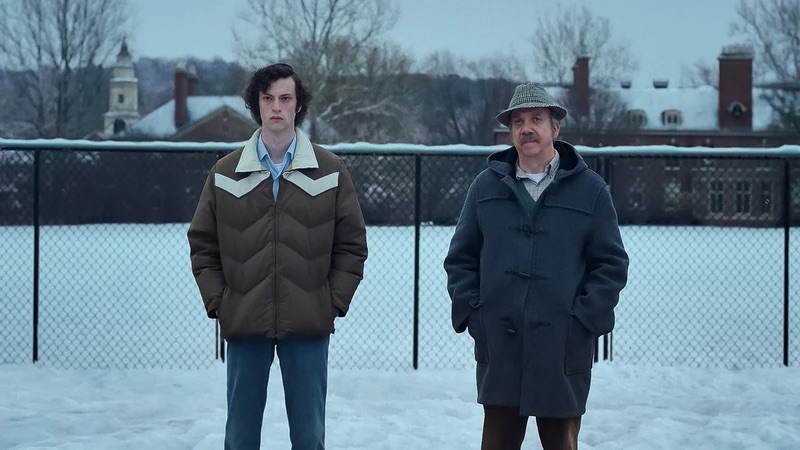
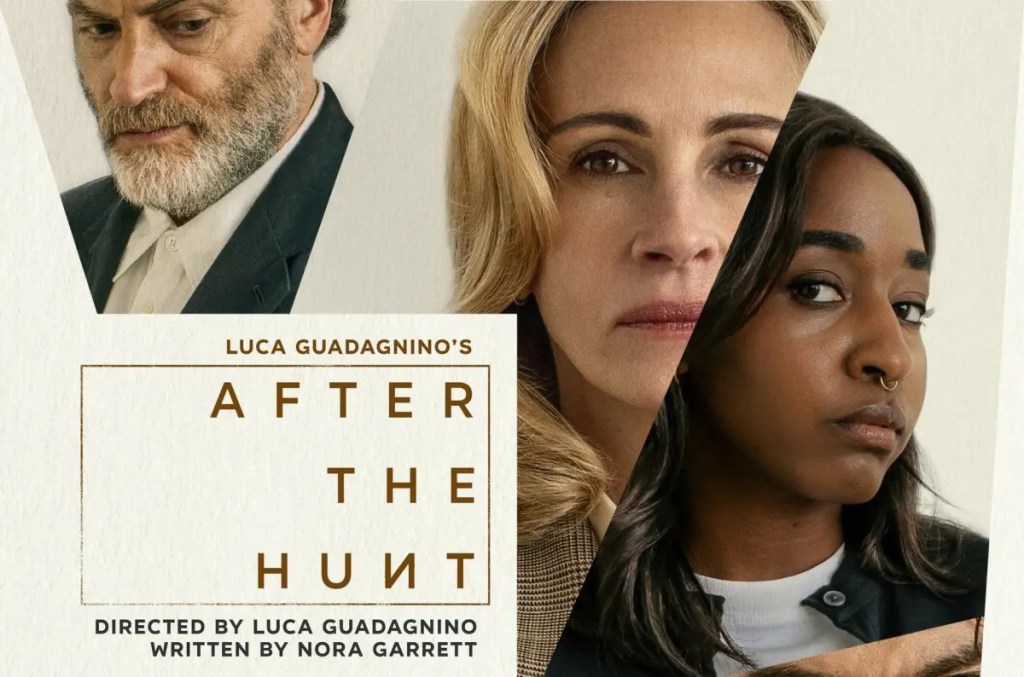
There are two reasons to press play on After the Hunt, currently sitting on Amazon Prime like a moody cat that may or may not scratch you: Julia Roberts and Andrew Garfield. Honestly, that should be enough. These are stalwarts. Icons. Eyebrow-raising, smile-flashing, megawatt sensations who usually guarantee at least a popcorn-worthy evening. But somewhere between expectations and execution, this film left me wondering whether I needed a Yale degree to fully “get it” — preferably in philosophy, like Julia Roberts’ character. Because clearly I, a mere mortal, may not have the intellectual bandwidth required.

The premise is deceptively simple: Roberts plays a Yale philosophy professor whose colleague and friend, Hank, finds himself accused of sexually assaulting a young African-American woman. What follows is a psychological drama—thriller? academic morality maze? intellectual sudoku puzzle?—where you’re basically squinting at the screen for two hours going, “Wait—what?” And not in the good twisty thriller way. More in the “I thought this was going somewhere but maybe it isn’t… or maybe it is… or maybe I’m just dumb?” way.

In fairness, the movie tries to do that clever thing where it keeps you guessing about who’s lying, who’s telling the truth, and who desperately needs a therapist. It succeeds… for the most part. Right until the end, you’re doing your best impression of a confused houseplant, trying to find the sun. The film does eventually give you a bit of a peek into Hank’s true nature—but not enough to stop you from doing your own internal PhD thesis titled What Even Happened?.

Now, did I like the movie? Eh. Not particularly. It wasn’t terrible, but it wasn’t exactly the cinematic equivalent of a warm chocolate chip cookie either. It falls somewhere in the middle—mediocre, if you will. (Incidentally, the word “mediocre” is tossed around in the movie with enough regularity to make it feel like a drinking game waiting to happen.)

My real heartbreak, though, is Julia Roberts. She does the best she can with the role—but I kept wishing she’d land a film that truly lets her bite into something substantial. Something juicy. Something that lets her unleash the full Julia Roberts-ness of Julia Roberts, instead of being politely brilliant in a story that’s… fine. Just fine. Why Hollywood isn’t giving her absolute chef’s-kiss roles anymore is a question I demand answered.

To its credit, the film tries to address a whole buffet of themes: generational entitlement, the shifting dynamics between students and professors, the pressure of mentorship, the evolving definition of inappropriate behavior, and the generational gap between what was “normal” then and what is absolutely not normal now. There’s something clever buried in there—something sharp and introspective about power, ethics, and academic self-righteousness—but the storytelling sometimes feels like it’s trying too hard to be profound. It’s like that friend who uses words like “dialectical” in casual conversation: impressive, but exhausting.

All in all, After the Hunt is… good-ish. Not bad, not brilliant, not unwatchable, not unforgettable. It exists in that complicated space where you know the film is doing something meaningful, but you’re not entirely sure what, and you’re not fully convinced you care enough to rewind and figure it out.

Maybe I’m not as intellectual as the film wanted me to be. Maybe After the Hunt is a subtle masterpiece that sailed right over my head, leaving me waving at it from below like, “Hello? Wait? Was I supposed to think harder?” But honestly, sometimes a movie can simply be okay. And this one, for me, was okay—polished, well-acted, and thematically ambitious… but ultimately, just okay.

If you’re in the mood for something brainy and slow-burn with a sprinkle of academia, a dash of mystery, and Julia Roberts looking fabulous while carrying moral weight on her shoulders, give it a try. Just don’t blame me if you finish the movie slightly more confused than when you started.

Rolex vs. Omega vs. Cartier: A Battle of Time, Taste & Timeless Flexing

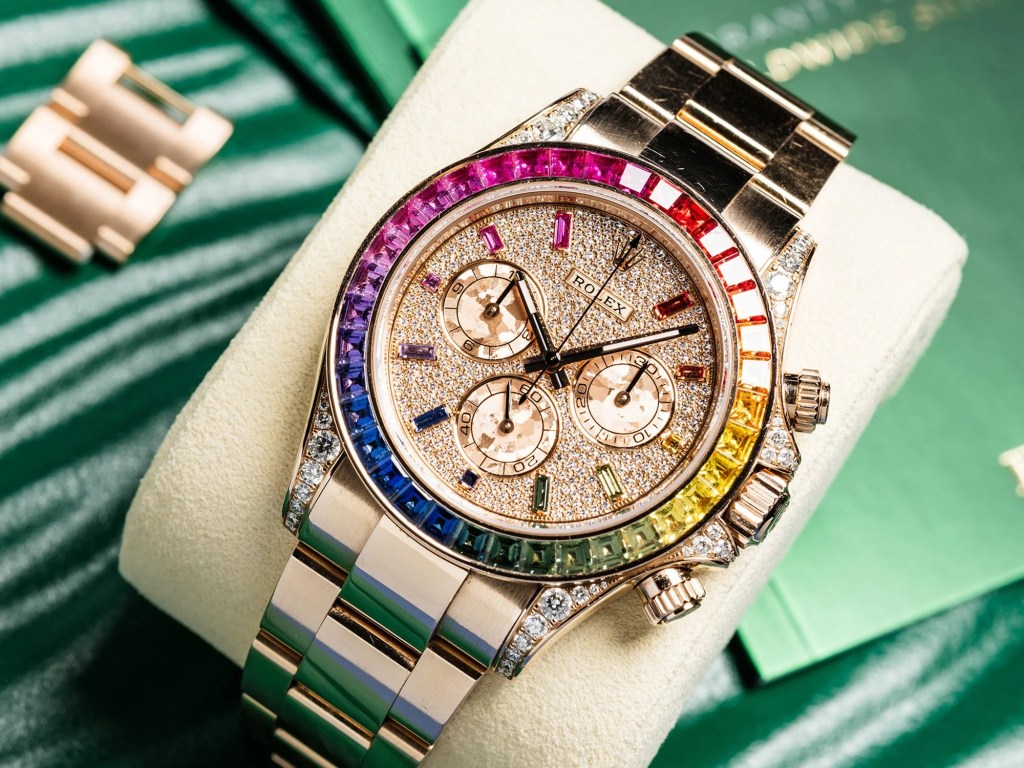
If watches were characters in a movie, Rolex would be the billionaire action hero with a mysterious past, Omega would be the space-travelling scientist who knows too much, and Cartier would be the impossibly chic Parisian aristocrat who turns heads just by breathing in your direction.

Welcome to the world where time doesn’t just tick — it struts.

Let’s break down what makes these three luxury giants so different, so iconic, and so irresistibly aspirational.

1. The Brand DNA: What Sets Them Apart

Rolex: The Peak of Prestige (and Subtle Flexing)

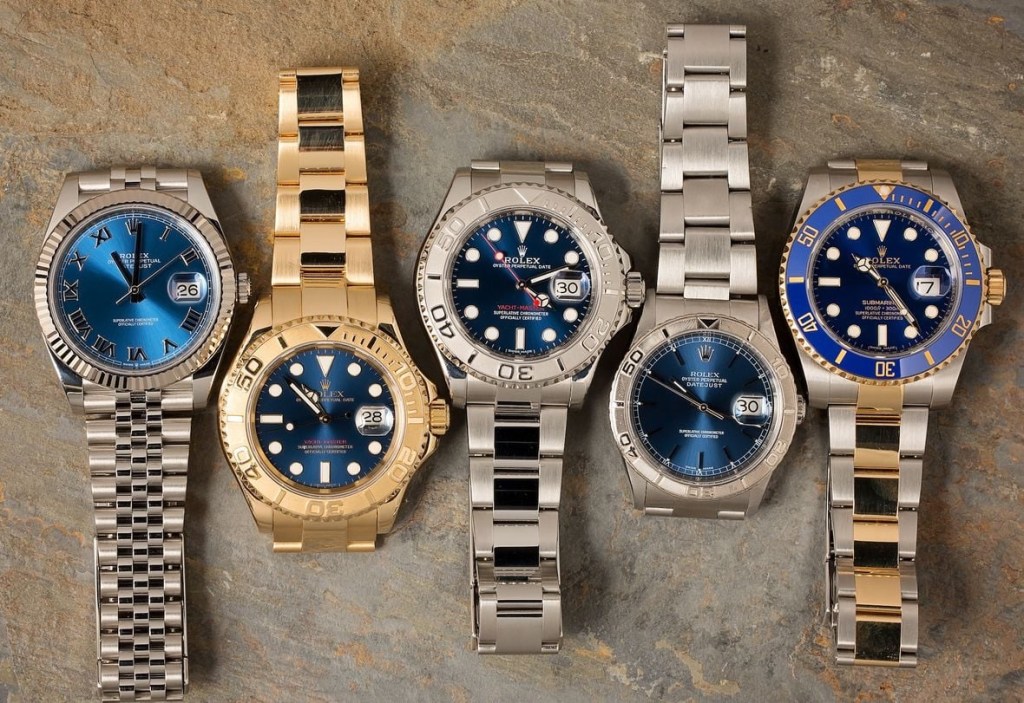
Rolex is the watch equivalent of saying, “I’ve arrived,” without actually speaking. It’s revered for precision, durability, and that status symbol effect that mysteriously gets you better service in restaurants.

Key Differentiator:

Unshakeable prestige and bulletproof reliability. Rolex doesn’t sell watches — it sells achievement.

Brand Archetype:

The Ruler. Think king, emperor, CEO, or that guy who somehow gets upgraded to business class every single time.

Omega: The Tech-Savvy Adventurer

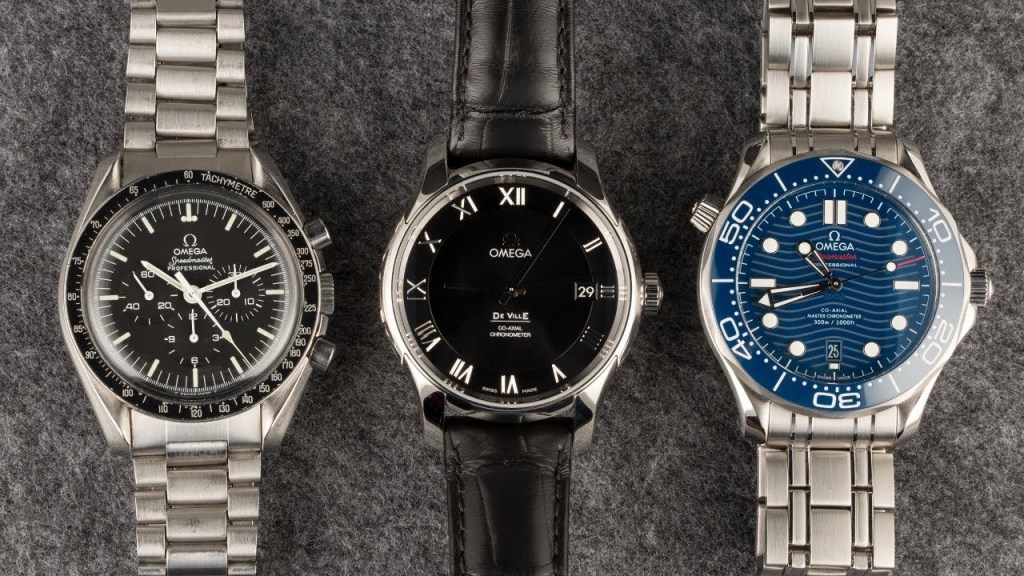
Omega is for the person who wants a luxury watch but also wants NASA’s approval. These are the watches that have literally been to the moon — which is a flex few brands can match.

Key Differentiator:

Cutting-edge innovation and high-precision performance. Omega is where science meets swagger.

Brand Archetype:

The Explorer — brave, bold, slightly reckless, and extremely well-timed.

Cartier: The Haute Couture of Timekeeping

Cartier isn’t just a watch brand; it’s a lifestyle. Its elegance meets heritage wrapped in Parisian charm with a velvet bow on top.

Key Differentiator:

Design-led luxury. Cartier watches are wearable jewelry with timekeeping as a bonus.

Brand Archetype:

The Lover — sensual, artistic, glamorous, and effortlessly romantic.

2. The Advertising Games They Play

Rolex: Classy, Quiet, and Unbothered

Rolex advertisements look like they were designed for the kind of person who says “I don’t check price tags.” Often featuring tennis courts, yachting competitions, or astronauts reflecting on life, Rolex relies heavily on heritage and association with global achievers.

Ad Style: Polished. Prestigious. Minimalist.

Even the ads feel like they’re wearing tuxedos.

Omega: Hollywood + NASA + Sports = Boom

Omega LOVES celebrities — especially ones who save the world. They have James Bond (yes, Daniel Craig himself), Olympic athletes, and of course, astronauts.

Ad Style: Cinematic. Tech-heavy. Heroic.

Expect slow-motion shots, spacesuits, and Bond walking in slow-motion whispering, “Time is on my side.”

Cartier: Pure Romance & Red Boxes

Luxury visual poetry. That’s a Cartier ad.

With their trademark red boxes, gold panthers, soft lighting, and Parisian rooftops, Cartier advertising is basically a perfume ad that happens to also involve a watch.

Ad Style: Artistic. Emotional. Seductive.

Their commercials make you want to fall in love, move to Paris, and sip champagne with someone named Pierre.

3. Brand Positioning: How They Sit in Your Imagination

Rolex Positioning: Achievement Unlocked

Rolex positions itself as the benchmark of success. It’s the watch you gift yourself when you finally get the promotion, sell your startup, or survive another family wedding.

Omega Positioning: Performance Meets Heritage

Omega sits right between innovation and legacy, targeting people who want sleek design but also want to feel like their watch can survive a trip to Mars.

Cartier Positioning: Timeless Elegance & Artistry

Cartier appeals to lovers of beauty, sophistication, and a little bit of drama.

It’s less about “look at what I achieved” and more about “look at my exquisite taste.”

4. Design & Aesthetic Differences

Rolex:

Colors: Mostly gold, black, silver, blue.

Look & Feel: Solid, sporty-luxe, confident.

Vibe: “I’m wealthy but disciplined.”

Omega:

Colors: Black, silver, grey, steel, sometimes bold red accents.

Look & Feel: Sleek, technical, masculine.

Vibe: “I’m smart and adventurous. Please ask me about NASA.”

Cartier:

Colors: Gold, rose gold, champagne, cream, and their signature sapphire-blue crown.

Look & Feel: Artistic, ornamental, geometric.

Vibe: “I collect art. And hearts.”

5. Longevity, Legacy, and Street Cred

Rolex:

Built to last longer than you, your kids, and possibly civilization. Known for insane resale value.

Omega:

Unmatched for technical innovation and reliability. Known for its “Moonwatch,” which is basically the Chuck Norris of watches.

Cartier:

Impeccable craftsmanship and timeless design. If Rolex ages like George Clooney, Cartier ages like Catherine Deneuve.

Comparison at a Glance

So, Which One Should You Buy?

If you want to say “I’ve made it” → get a Rolex. If you want to say “I might go to space someday” → get an Omega. If you want to say “I’m effortlessly stylish and probably French” → get a Cartier.

Final Verdict: All Three Brands Shine — But in Their Own Light

Rolex is the power move.

Omega is the smart move.

Cartier is the stylish move.

And no matter which one you choose, remember: at the end of the day, watches don’t just tell time — they tell stories.

And your story deserves a pretty fantastic watch.

Miu Miu: The Little Sister That Grew Up and Stole Everyone’s Wardrobe

If the fashion world were a family, Miu Miu would be the mischievous younger sibling who shows up late, steals your clothes, looks better in them, and somehow becomes the star of the family WhatsApp group. Born in 1993 as the playful offshoot of the legendary Prada, Miu Miu sits proudly under its holding company, the Prada Group, owned by designer royalty Miuccia Prada herself. Yes, it’s named after her nickname — because when you’re Miuccia Prada, you don’t need a naming agency. You are the naming agency.

But don’t be fooled by the cutesy name. Miu Miu may sound like a cat cartoon, but its branding claws are razor-sharp.

So, what exactly is Miu Miu?

Think of it as Prada’s rebellious alter ego: more daring, more youthful, more “I woke up and chose couture chaos.” It’s the brand that embraces contradictions with confidence — sweet yet subversive, naïve yet naughty, nostalgic yet insanely now. If Prada is the polished CEO, Miu Miu is the creatively chaotic Gen Z intern who somehow lands the Vogue cover.

Brand Values: Mischief, Modernity & ‘Why Not?’ Energy

Miu Miu’s DNA is stitched together with themes of freedom, experimentation, individuality, and a slightly sarcastic sense of femininity. It’s a brand that says women don’t have to fit into one aesthetic box — they can flirt with innocence in one outfit and power through irony in the next.

Its values?

• Unapologetic expression — Dress how you feel, even if how you feel is “I want to wear socks with heels and make it fashion.”

• Youthful rebellion — Not teenage rebellion, but chic rebellion. The kind that involves ribbons, leather, and a perfectly intentional bad-hair-day aesthetic.

• Craft with character — Italian-level craftsmanship delivered with a wink.

Brand Colors: Pretty but Punchy

Miu Miu embraces a palette often dominated by soft pinks, nudes, pastels, and unexpected jolts of red, black, and metallics. It’s feminine but not fragile — more “pink with personality” than “pink with permission.”

Why Has Miu Miu Become The It-Brand?

Let’s be honest: Miu Miu didn’t just get popular — it staged a heist. Suddenly everyone is wearing Miu Miu’s viral micro-mini skirts, ballet flats, and school-girl-meets-chaos-core looks. Why?

Perfect Timing: As fashion shifted to nostalgia and girlhood aesthetics (thanks TikTok), Miu Miu was already sitting there twirling a ribbon saying, “Welcome to my era.”

Influencer Catnip: Miu Miu pieces are extremely Instagrammable — and even more TikTokable. (Is that a word? If not, Miu Miu just made it one.)

Gen Z + Celebs = Rocket Fuel: From Emma Corrin to Hailey Bieber, the cool crowd treats Miu Miu like a personality trait. Bold Creativity: The brand’s campaigns are cinematic, cheeky, and sometimes confusing — but the kind of confusing that makes you feel smarter.

Why Miu Miu Is a Masterclass in Branding & Marketing

Here’s the real power move: Miu Miu didn’t chase trends; it set them. Brands spend fortunes trying to “connect with younger audiences.” Miu Miu simply looked at youth culture, stole its diary, and turned it into couture.

Their marketing is…

Consistent yet unpredictable — You know it’s Miu Miu, but you never know what they’ll do next.

Emotionally magnetic — Nostalgia sells. Subversion sells. Miu Miu sells both.

• Visually iconic — Their imagery feels like a coming-of-age film directed by a fashion scholar with a sense of humor.

The Lesson?

Branding isn’t about shouting the loudest. It’s about knowing who you are, owning it, exaggerating it a little, and inviting the world to play along. Miu Miu proves that authenticity paired with bold, consistent storytelling can turn a “little sister brand” into a global fashion phenomenon.

In short: Miu Miu didn’t just grow up. She grew up fabulously — and now the whole fashion world is taking notes.

Selling the OC – Season 4 Review : A Dramatic Detox or a Fresh-Brewed Mess?

If we’re being honest, I started Season 4 of Selling the OC mainly because I needed closure on the world’s longest-running “Are they? Aren’t they? Will they? Should they?” situationship between Alex Hall and Tyler Stanaland. It’s like the producers have a secret button labelled “EXTEND TENSION” and they keep slapping it like it owes them rent. And yes, I’m invested. I’m not proud of it, but here we are.

But even beyond the Alex-Tyler emotional hoagie sandwich, Season 4 felt like a reboot with a better personality upgrade than half the people at the Oppenheim office. We got three new cast members — Fiona, Kaylee, and Ashtyn — basically the OC version of “new kids in class who instantly know who the annoying ones are.”

Kaylee, for starters, is that girl you instantly like. The one who walks in, smiles at everyone, says, “Oh I don’t want drama,” and then proceeds to not cause drama. A revolutionary concept on this show. She’s straightforward, calls it like it is, and won’t let anyone steamroll her — which already makes her more emotionally stable than half the cast combined. She also manages to not fall into the Tyler-Hall Bermuda Triangle, which is honestly a heroic act.

Then there’s Fiona — a straight shooter who has opinions, a backbone, and a refreshingly low tolerance for nonsense. She might have her biases (don’t we all?), but she’s relatable. Like, “Yes, I too have wanted to walk out of a meeting full of chaos and narcissism, thank you.” She brings the kind of grounding energy the OC desperately needs, like sage smoke for a toxic friend group.

Now… Ashtyn. Ah, Ashtyn. If Season 4 needed a villain, she showed up in full Disney mode — minus the musical number, but with all the attitude. She’s the kind of person who could say “Good morning!” and still make you feel like she’s accusing you of something. Every show needs a dramatic antagonist, and she took that job with the seriousness of someone applying for the CIA.

Meanwhile, our OGs are still circling the emotional rollercoaster track.

Alex Hall, who I previously found a bit too sharp-edged and bossy, has now become weirdly… likeable? She’s evolved from “oh god, her again” to “wait, she actually makes sense.” She’s grown on me like a character arc that actually arced. Also, she’s smart, stylish, and gives us the emotional slow burns reality TV thrives on.

Alex Hall’s boyfriend Ian also makes an appearance this season. He seems like a perfectly nice guy — polite, steady, and well-intentioned — but you can’t shake the feeling that he’s trying to read a complicated novel using preschool flashcards. Alex Hall is layered, fiery, and beautifully complex, and Ian… well, he’s giving “sweet but slightly out of his depth,” like someone who wandered into a storm thinking it was a light breeze. It’s not that he’s wrong for her, but Season 4 makes it pretty clear that he just can’t quite keep up — and honestly, that feels like not just your opinion, but the collective audience’s sigh.

Tyler, of course, continues his reign as the universally swooned-over realtor of the west coast. Every woman on the show looks at him like he’s a scented candle that never burns out. Kaylee wisely swerves the temptation because she knows better — but even we, sitting safely behind screens, understand the gravitational pull of the Tyler vortex.

Now let’s talk about Gio. Ah, Gio. A man who has spent three seasons seeing his reflection not just in the mirror but also, metaphorically, in every shiny surface in the OC. But something weird has happened: he’s calmed down. Like someone put his ego on a low simmer instead of a rolling boil. Don’t worry — he still has bursts of peak Gio behavior, but at least this season I didn’t yell at the TV as much.

Then there’s Austin aka Furniture dad. I refuse to believe he has an actual storyline. He appears in scenes like a decorative vase — nice to have, but you wouldn’t notice if it disappeared for two episodes. Useful? Maybe. Memorable? Kinda not.

Of course, Polly. Sweet, whimsical, floating-like-incense-smoke Polly. She’s fairy-dust personified. She’s the crystal in the office no one asked for but everyone accepts. Watching her navigate drama is like watching a butterfly dodge raindrops — delicate, unpredictable, slightly dizzying

.

Jason and Brett glide in and out of the OC office with their trademark calm, watching the chaos unfold like proud ringmasters of a very glamorous circus.

So was Season 4 actually better than previous seasons? Hard to say. But did the Alex Hall–Tyler tension single-handedly boost the show’s TRPs? Absolutely. If Netflix could bottle their chemistry, it would outsell Dior.
And if we’re comparing Selling Sunset vs Selling the OC — honestly, they’re going toe-to-toe like two glam cousins fighting for the spotlight at a family reunion. Both are deliciously dramatic, unapologetically extra, and the perfect mental vacation after a long day of adulting.

Bottom line: Season 4 is dramatic, messy, watchable, and the right blend of chaos and comfort. It’s escapist TV at its glossy best — ocean views, overpriced houses, unreal friendships, and unfiltered emotions. In other words, the OC we keep coming back to.

Selling Sunset Season 9 Review— Glamour, Grit, and Grown-Woman Gossip at Its Finest

Streaming now on Netflix

Ah, Selling Sunset — the only show that can make a grown adult believe that wearing a sequined minidress to a house viewing is perfectly normal. Season 9 has finally dropped, and like many fans who survived the emotional chaos of Season 8, I braced myself for another high-gloss, high-drama, high-heels extravaganza. And honestly? It delivered — in diamonds, designer bags, and delicious drama.

Now, let’s be real: I don’t watch Selling Sunset for the “real estate.” I watch it for the real drama. The sprawling villas and ocean views are just the aesthetic side dishes — the main course is the gossip, the alliances, and the meltdowns delivered with perfect contouring and six-inch stilettos.

And can we talk about how good-looking this cast is? The entire Oppenheim Group looks like they were airlifted straight from a Barbie Dreamhouse and dropped into Los Angeles real estate. Every single one of them looks like a walking filter — glossy, golden, and suspiciously poreless. Between the chiseled Oppenheim twins and the army of glamazons running their empire, it’s less a brokerage firm and more of a runway with closing costs.

But what really makes Selling Sunset click (and binge-able) is its aspirational madness. It’s like watching your vision board come to life — perfect bodies, perfect houses, perfect cars, and perfectly chaotic personal lives. It’s escapism with extra contouring.

So what’s Season 9 got in store? Well, for starters — the drama’s still bubbling hotter than the Beverly Hills sun. Nicole is back, and she’s bringing enough tension to power a small city. Cold, calculating, and occasionally ditzy, she’s the human equivalent of a glass of champagne — bubbly but with a sharp bite. Chrishell, on the other hand, continues to be the show’s beating heart. She’s fiery, likable, and the only one who occasionally seems aware that selling $20 million homes while crying in designer heels might not be normal human behavior.

The Chrishell–Emma fallout was particularly heartbreaking this season. Watching two fan favorites clash felt like seeing your favorite brunch spot close down — tragic and unnecessary. While Chrishell’s logic made sense, Emma’s vulnerability (especially given her own personal struggles) made it impossible not to sympathize with her too. I’m rooting for a reconciliation — ideally over mimosas in a $10 million kitchen with marble counters.

And then there’s Mary — my least favorite of the Oppenheim bunch. She tries to play peacemaker but often ends up looking like she’s balancing on a fence wearing Louboutins. Her flip-out over a bouquet (yes, flowers!) was peak petty. Someone please tell Mary to pick bigger battles — and maybe a new storyline.

On the opposite end of the drama spectrum, we have Chelsea — my personal favorite this season. She’s fierce, unapologetic, and walks into every room like she’s about to host the Met Gala. She’s the sass the show needs, and thank heavens she didn’t exit as the rumor mill once predicted.

Brie, though? I’m still on the fence. She’s the definition of tough love in human form — all attitude and poker face. I can’t decide if I admire her or fear her a little. Probably both. I couldn’t care less about Amanza; sometimes I forget she’s on the show. As for the newcomer Sandra Vergara, she came across as trying too hard to hook in a storyline. Boring!

And of course, Jason and Brett Oppenheim — the twin CEOs who somehow manage to run the show while saying absolutely nothing of consequence. Their signature move remains “staying neutral,” though I did appreciate that they finally took a stand in getting Nicole out. It was the right call, even if it made the next couple of episodes feel like detoxing from drama.

By the end of Season 9, you’re left with all the ingredients that make Selling Sunset the delicious guilty pleasure it is — jaw-dropping homes, high-octane fashion, emotional chaos, and the kind of friendships that change faster than real estate prices.

Should you watch it? Absolutely. It’s pure, unapologetic escapism — a glossy peek into the world of the rich, the ridiculous, and the relentlessly well-dressed. So grab your popcorn, pour yourself something bubbly, and prepare to say things like, “Wait, they’re fighting again?” every five minutes.

Verdict: ★★★★☆

Selling Sunset Season 9: because nothing sells quite like scandal in stilettos.

Review: The Ex-Wife Season 1 — Love, Lies, and a Whole Lot of Ex-tra Drama

Streaming on Amazon Prime

Let’s start with the title — The Ex-Wife. Simple, sharp, and oh-so-suggestive. Because let’s be honest — if there’s one thing people love more than falling in love, it’s watching other people’s relationships fall apart. Add a messy triangle (or, in this case, something more like a Bermuda Triangle of emotions), and you’ve got the perfect recipe for a weekend binge.

The Ex-Wife spins a web of love, jealousy, and suspicion — the kind of domestic chaos that makes you feel better about your own relationship, no matter how messy it is. The story orbits around three key players: a husband, his much younger Gen Z wife, and — surprise, surprise — his ex-wife, who refuses to stay in the “past tense.” From the opening scenes, it’s pretty clear that this ex-wife isn’t going anywhere. She’s at the family gatherings, at the baby’s christening, and probably even has the new house key on her keychain.

The new wife, meanwhile, is a stay-at-home mom juggling a newborn and an emotional minefield. Her husband is a suave media executive — rich, charming, and, apparently, completely blind to boundaries. The poor girl starts noticing what everyone watching already has — that his ex-wife is way too involved for someone who’s supposed to be out of the picture. But instead of anyone acknowledging this as deeply weird, the entire family just shrugs like it’s perfectly normal. You almost start to wonder if they’re all in on some strange emotional cult.

Now, mild spoiler alert — or maybe a public service announcement — because things do get weird. Just when you think this love triangle can’t get any messier, the husband drops a bombshell: he’s still in love with his ex-wife. Yes, the same ex who’s been hovering around like an emotional tax audit. And here’s the kicker — he married his new wife because she could have a child, something his ex couldn’t.

Excuse me? That’s not romance — that’s a social experiment gone wrong. The revelation is meant to be emotional and tragic, but honestly, it feels more like someone accidentally flipped the channel to an absurd soap opera. You can’t help but feel bad for the young wife, who’s spent the entire series being gaslit, ignored, and side-eyed by a man who clearly should’ve stayed single (or stayed in therapy).

Still, credit where it’s due — The Ex-Wife is weirdly watchable. It’s not exactly Gone Girl, but it’s got that same popcorn-thriller pull. You find yourself glued to the screen, muttering things like, “No, don’t open that door,” or “Girl, please dump him already.” It’s addictive in the same way reality TV is — you know it’s dramatic nonsense, but you need to see how it ends.

As for performances — the husband nails the role of a man so insufferable, you’ll be tempted to throw a slipper at the screen. The young wife is believable and vulnerable, the emotional anchor in this chaos. And the ex-wife? She’s icy, intimidating, and deliciously intrusive — basically, the human version of a pop-up ad you can’t close.

The pacing is tight, the tone occasionally unsettling, and the overall effect — entertaining in a “this is so absurd, I can’t look away” kind of way. It’s the perfect binge when you want something thrilling, emotional, and just the right amount of unhinged.

So, is The Ex-Wife groundbreaking television? Not really. But it’s juicy, dramatic, and strangely satisfying — like scrolling through your ex’s new partner’s Instagram at 2 a.m. It’s not good for your brain, but it sure keeps your attention.

Verdict: ★★★☆☆

Watch it for the drama, the disbelief, and the reminder that exes should stay exes. And when it’s over, take a deep breath, hug your sanity, and maybe text your best friend: “You won’t believe this show.”

B*****ds of Bollywood Review

I’ll be honest — B*****ds of Bollywood wasn’t something I was dying to watch. In fact, when I first heard about it — the directorial debut of a star kid— I mentally filed it under Yet Another Nepo Experiment and moved on with my life. But as fate (and two overly persuasive friends) would have it, I caved. “You have to watch it,” they said. “It’s brilliant,” they said. So, armed with skepticism and low expectations, I pressed play.

And well… let’s just say, brilliance wasn’t quite the word that came to mind.

The show starts off with a lot of promise — the title itself hints at a deliciously dark, self-aware parody of the movie industry. I was expecting sharp satire, biting humor, and a cheeky behind-the-scenes peek into the glamorous yet grotesque underbelly of Bollywood. Instead, what I got was a confused mix of chaos, clichés, and cameos. Lots and lots of cameos.

To give credit where it’s due, the idea is interesting. A meta look at Bollywood, told through a satirical lens, could have been gold. But somewhere between the first episode and the final credits, the satire lost its sense of humor — and its direction. The writing seems to have gone through the same struggle as its protagonist — wanting to make it big, but not quite knowing how.

Speaking of the protagonist — Lakshya plays Aasman the typical wide-eyed hero who wants to make it in the movies. He’s the perfect son, dutifully looks after his parents, and dreams of stardom while being crushed by the big bad industry. Sound familiar? That’s because you’ve seen this story a hundred times before — in films, interviews, and even in real life. At this point, real Bollywood scandals are more original than this script.

To be fair, Lakshya does what he can with what he’s given. His performance isn’t bad, but his character feels like it was built from leftover clichés of every 90s hero. If the brief was “play a textbook Bollywood struggler,” then mission accomplished.

The love interest, meanwhile, exists mostly to be… well, the love interest. She’s fine — just not memorable. It’s the kind of role that could have been played by anyone with a decent Instagram following and a hair stylist on speed dial.

Now, let’s talk about the man who practically ate the screen every time he appeared — Bobby Deol. What a treat! He walks into every frame like he owns it (and frankly, he does). His performance is the perfect mix of eccentricity and gravitas — the kind that makes you wish the show had just been about him. If there’s one reason to watch B****ds of Bollywood, it’s Bobby.

Another surprise package was the female lead’s brother — a quirky, unpredictable character who brings much-needed energy to the show. Between him and Bobby, they carry around 70-80% of the entire series on their shoulders. The rest of the cast could’ve just taken the day off and nobody would’ve noticed.

And then there’s the friend of the lead character Raghav Juyal as Parvez— now, I’ve never been particularly fond of the “Chapritype” archetype, so it’s hard for me to gauge how realistic this character really is. He feels more like a caricature than a character — the kind who thrives on exaggerated swagger, flashy clothes, and misplaced confidence. Maybe that was the intention, maybe it wasn’t — but either way, it didn’t land for me. If the goal was to make him irritatingly real, then congratulations, mission accomplished. But if it was meant to make us empathize or connect, well, that train never quite left the station.

Then there’s Emraan Hashmi, popping up for what I can only describe as a glorified cameo. Underutilized, unnecessary, and frankly, forgettable. In fact, by the time the nth celebrity cameo showed up, I felt like I was watching an overenthusiastic awards night montage rather than a narrative.

And oh, Mona Singh — good enough in a role that requires her to do absolutely nothing, but to do it sincerely. She’s like the turtle in a race no one asked to run — steady, harmless, and mildly out of place.

What really lets B*****ds of Bollywood down, though, is its writing. The tone never settles It tries to juggle humor, satire, romance, pity and ends up dropping them all. The result is a patchy, messy narrative that doesn’t know what it wants to be.

The satire, too, feels watered down. There’s nothing sharp or scathing about it. It’s like someone tried to roast Bollywood but was too scared of offending anyone at the party. The jokes land softly, the commentary feels half-baked, and the punchlines often miss their mark entirely.

By the end of it all, I wasn’t angry — just indifferent. Which, in many ways, is worse. I didn’t hate it, but I didn’t like it either. It’s the kind of show that makes you shrug, say “hmm, okay,” and move on with your life.

As for Aryan Khan , the director, it’s clearly a valiant attempt — you can almost sense the weight he’s carrying, trying to step out from under the giant shadow of a super-famous father. It must be exhausting, really — to create, to be taken seriously, and to prove that you’re not just another legacy project in the glittery factory of privilege. His vision is undeniably refreshing in parts; you can see flashes of originality peeking through the gloss. But somewhere along the way, he seems torn between homage and rebellion. It’s as if he wants to burn the old Bollywood playbook but can’t quite stop quoting from it. There’s potential here, definitely — but he still has a long way to go before he finds a cinematic voice that’s completely his own.

B*******s of Bollywood isn’t a complete disaster — it has its moments, mostly thanks to Bobby Deol and a few flashes of self-awareness. But for the most part, it’s a forgettable attempt at satire that mistakes chaos for cleverness.

If you’re a die-hard Bollywood insider or a fan of cameos, sure, give it a go. Otherwise, you’re not missing much.

Consider this your friendly reminder that sometimes, even mediocrity can come with a star cast.

Review: Wilderness (Amazon Prime) – A Honeymoon Gone Homicidal

If you’ve ever wondered what would happen if Eat, Pray, Love went on a road trip with Gone Girl, Wilderness might just be your answer — minus the yoga and plus a hefty dose of simmering rage.

This slow-burn thriller series on Amazon Prime begins like a Pinterest-perfect love story — a young, attractive British couple, Liv and Will, pack up their dreams (and emotional baggage) and move to the glitzy chaos of New York City. Will has landed a cushy job in events — think swanky parties and smug client calls — while Liv, ever the supportive wife, has traded her own career for love. It’s all Manhattan brunches and Manhattan cocktails… until it isn’t.

Because beneath the glow of fairy lights and rooftop views, there’s something rotten in this marital apple pie.

Liv, whose childhood was marinated in her mother’s post-divorce bitterness (“All men cheat!” — the unofficial family motto), thinks she’s broken the cycle. She’s convinced Will is different — kind, loyal, maybe even allergic to adultery. But then, one night, her phone lights up with the kind of message that makes every partner’s blood run cold: the digital breadcrumb trail of infidelity.

And just like that, the perfect world crumbles — and the slow burn begins to sizzle.

Will, in classic male-defensive form, insists it was a “mistake” — a one-night stand, nothing emotional, barely even physical if you ask him. He repents, he grovels, he probably buys flowers. Liv, however, isn’t buying the act — especially when more secrets (and one damning video) tumble out like skeletons on caffeine. What begins as heartbreak morphs into obsession, and that obsession? Oh, it has murder written all over it.

But here’s where Wilderness gets deliciously twisted: instead of divorcing him, Liv decides to forgive him — with the kind of forgiveness that involves scenic mountains, a cross-country American road trip, and maybe a little accidental homicide. Nothing says “let’s save our marriage” quite like plotting your husband’s demise somewhere between the Grand Canyon and Yosemite.

Things, however, take a jaw-clenching turn when Will’s other woman (yes, that other woman) somehow ends up joining their road trip — with her own boyfriend in tow. What follows is a scenic, sun-drenched slow cooker of tension, deceit, and irony. It’s like watching a travel vlog that keeps threatening to turn into a true crime documentary.

Without spoiling too much (though let’s be honest, you’ll see it coming), murder happens — and it’s Liv’s turn to improvise. The rest of the series unravels like a tangled necklace: messy, glittery, and full of unexpected twists. The real fun is not who did it, but how she’s going to get away with it — and what new betrayals will be unearthed along the way. Because, spoiler alert: everyone here is a little bit awful.

What makes Wilderness stand out isn’t just the plot — it’s the pacing. It’s slow, yes, but purposefully so — simmering instead of sprinting. It allows you to soak in Liv’s unraveling psyche, the toxic dance between guilt and revenge, and the unnerving question of whether you ever truly know the person you share a bed with.

The cinematography deserves its own applause. America’s wide-open landscapes serve as the perfect backdrop to the claustrophobic intensity of their marriage. Every cliff edge, every winding road feels like a metaphor for the fragile line between love and lunacy.

By the end, Wilderness leaves you with more questions than closure — about relationships, trust, and the disturbing lengths we’ll go to protect our pride. It’s messy, moody, and a little maddening — just like marriage itself.

Would I recommend it? Absolutely — if you enjoy your thrillers with a side of emotional chaos and passive-aggressive road trips.

Would I watch it again? Probably not — once was enough to remind me why open communication (and not open caskets) is key to a healthy relationship.

Final Verdict: ★★★☆☆ (3 out of 5)

A gripping slow burn that proves revenge is a dish best served… somewhere in the Mojave Desert.

Vibe Marketing: When Brands Stop Selling and Start Feeling

You know that one friend who doesn’t talk much, but somehow, their energy just lights up the room? Yeah, that’s what Vibe Marketing is.

It’s not about shouting “Buy this now!” from the rooftops anymore. It’s about vibes only. The goal? To make people feel something before they even decide to buy something.

Welcome to the era where brands aren’t just selling products — they’re selling a mood, an aura, a whole experience.

💡 So, What Exactly Is Vibe Marketing?

Vibe Marketing is the art (and a little bit of sorcery) of creating emotional resonance between your brand and your audience.

Instead of hard-selling features, you’re crafting atmospheres, aesthetics, and feelings that make your brand cool by association. It’s storytelling, sensory cues, and social proof all rolled into one glowing Instagram reel.

In short:

Old Marketing said: “Look at me.” Vibe Marketing says: “Feel like me.”

It’s the difference between saying “We sell coffee” and saying “Welcome to your morning ritual.”

How Vibe Marketing Works (Without the Woo-Woo)

The trick isn’t just in looking good — it’s about feeling right. Here’s how brands do it effectively:

Aesthetic Consistency: Your visuals, tone, music, even your fonts — they all need to hum the same tune. Think of it as your brand’s Spotify playlist.

Cultural Alignment: Tap into what your audience cares about — sustainability, self-care, wanderlust, nostalgia — and wrap your brand around that emotion.

Community Building: Vibe-driven brands don’t have customers; they have tribes. People who wear the merch, quote the captions, and evangelize the lifestyle.

Sensory Triggers: From ambient music to scent branding, from lighting to digital filters — it’s all about building a multi-sensory identity.

Vibe Marketing isn’t a campaign. It’s a feeling that follows you around.

🌍 Three International Case Studies

1. Apple – The Minimalist Messiah of Vibes

Apple doesn’t sell gadgets. It sells simplicity with swagger. Every store feels like a meditation pod for design nerds. Their ads whisper, never scream. Their secret? They’ve made owning Apple feel like a personality trait.

2. Glossier – The “You Look Good” Club

Glossier didn’t market makeup; it marketed confidence. The brand’s soft pink, dewy aesthetic, and “skin first, makeup second” mantra created a movement. You weren’t just buying products; you were buying into a moodboard version of yourself.

3. Red Bull – The Energy of Adrenaline

Red Bull doesn’t talk about caffeine or sugar levels. It sells wings. It made energy a lifestyle, a culture of adventure. From extreme sports to space jumps, Red Bull doesn’t market drinks — it markets thrill as a state of mind.

🇮🇳 Three Indian Case Studies

1. Amul – The Nation’s Pulse in a Poster

Amul’s topical ads have been a vibe for decades — witty, playful, and always in tune with India’s collective mood. It’s not butter; it’s our daily chuckle with breakfast toast.

2. Sula Vineyards – The Wine Country Vibe

Sula doesn’t just sell wine — it sells the Sula life. Picnics, sunsets, jazz festivals, and that iconic yellow sun logo — it’s all about chill weekends and curated leisure. You don’t drink Sula; you experience it.

3. Fevicol – The Sticky Emotion of India

Fevicol made adhesive a cultural mascot. From humorous ads to festival floats, it created a vibe of trust, durability, and tongue-in-cheek humor that Indians genuinely connect with. “Fevicol ka jod” became folklore, not just a tagline.

🧠 The Pros and Cons of Vibe Marketing

The Pros:

🫶 Emotional Loyalty: People don’t just buy once — they belong.

🌈 Cultural Relevance: You stay effortlessly on trend (if done right).

💬 Word of Mouth Magic: People love sharing vibes — not specs.

The Cons:

😬 Substance Over Style Risk: Great aesthetics can’t save bad products.

💸 High Maintenance: Maintaining “cool” is like feeding a diva — expensive and constant.

🌀 Easily Misinterpreted: A misplaced tone or trend can kill the vibe fast.

In Conclusion

Vibe Marketing isn’t about manipulation — it’s about manifestation. It’s aligning your brand with emotions people already crave — belonging, peace, thrill, nostalgia.

When done right, your brand becomes that playlist people can’t skip, that café they keep going back to, that feeling they chase again and again.

Because in a world full of noise, the brands that vibe right — thrive right.

So, stop chasing customers. Start creating vibes they want to be part of.