The Wintour Way: How Anna Wintour, Prada, and the Met Gala Redefined Personal Branding

If high fashion were a blockbuster movie, Anna Wintour would be the enigmatic director whose every move sets the tone for an entire genre. In this glitter-dusted epic, we explore how one woman transformed herself into a brand, how the Met Gala became the runway of cultural renaissance, and how Prada played the supporting role with unrivaled finesse.

A Brief Intro to the Queen of Cool

Anna Wintour—just saying her name conjures images of oversized sunglasses, impeccably coiffed hair, and an air of icy confidence that could melt glaciers. As the editor-in-chief of Vogue for decades, Anna didn’t just cover fashion—she redefined it. She’s the high priestess of style, the one who can make or break a trend with a single raised eyebrow. But beyond her sartorial prowess, Wintour has mastered the art of personal branding, turning her persona into a cultural phenomenon.

Her influence stretches far beyond the glossy pages of Vogue. With a career spanning several decades, Wintour has become synonymous with the Met Gala—a lavish annual fundraiser for the Metropolitan Museum of Art’s Costume Institute that is as much a spectacle of celebrity as it is a showcase of fashion innovation. And where does Prada come in? Ah, Prada—the label that embodies both timeless elegance and provocative modernity. Together, these three icons have not only defined an era of fashion but have also taught the world a masterclass in branding.

The Genesis: How Anna Wintour Became a Brand

Born to Be Iconic

Anna Wintour wasn’t born with a silver spoon in her mouth—she was born with a vision. From her early days as a fashion assistant to her meteoric rise at Vogue, Wintour has always had a knack for knowing what’s next. Her personal style, characterized by bold decisions and a no-nonsense attitude, quickly set her apart in a sea of mediocrity. It wasn’t just about the clothes; it was about the attitude, the confidence, and that unmistakable air of “I’ve got this” that she exuded effortlessly.

Her signature bob, those ever-present dark sunglasses, and an unyielding sense of purpose all contributed to an image that screamed, “I’m in charge here!” This wasn’t mere fashion—it was the birth of a personal brand that would influence generations.

The Rise of the ‘Wintour Brand’

In the fashion world, reputation is everything. And Wintour’s reputation was built on a foundation of high standards, impeccable taste, and an uncanny ability to spot trends before they even hit the runway. By curating a magazine that was both aspirational and accessible, she transformed Vogue into more than just a publication—it became a lifestyle.

Her influence wasn’t confined to editorial pages; it seeped into every corner of the industry. Designers, models, and even critics would cite “the Wintour effect” when their work was either celebrated or quietly shelved. With a single nod or a subtle critique, she could make or break a career. And this power, wielded with the finesse of a seasoned maestro, turned her into a living, breathing brand.

Prada: The Perfect Partner in Crime

Prada’s Evolution: From Traditional to Transcendent

Prada, a name that resonates with timeless sophistication, has long been a symbol of luxury and innovation. Founded in 1913, the brand has managed to remain relevant through a careful balance of tradition and bold experimentation. But in the 1990s, when the fashion landscape was becoming increasingly competitive, Prada took a daring turn. Under the creative vision of Miuccia Prada, the label embraced modernity without sacrificing its storied past. And where does Anna come into this picture? Enter stage left: a brand savant who recognized that Prada’s blend of heritage and avant-garde sensibilities was exactly the kind of magic that could elevate the entire industry.

A Match Made in Fashion Heaven

The partnership between Anna Wintour and Prada wasn’t a secret affair—it was the stuff of legend. Wintour, with her unerring eye for style, was one of the early champions of Prada’s bold new direction. She didn’t just feature Prada in Vogue; she made it a cornerstone of her aesthetic narrative. And in doing so, she helped catapult Prada from a well-respected label to a must-have status among the fashion elite.

Prada, in return, provided Wintour with a playground of innovation. Its fearless approach to design and its willingness to challenge the status quo perfectly complemented her own brand of unapologetic elegance. Together, they created a virtuous cycle: Wintour’s endorsement lent Prada an air of inevitability, while Prada’s groundbreaking collections ensured that Wintour’s magazine remained at the cutting edge of fashion.

The Met Gala: A Cultural Carnival of Couture

The Met Gala: More Than a Party, It’s a Phenomenon

If the Met Gala were a person, it would be that enigmatic socialite who wows you with stories of globetrotting adventures and exclusive soirées. Originally conceived as a fundraiser for the Costume Institute at the Metropolitan Museum of Art, the Met Gala has evolved into a veritable cultural phenomenon. It’s where art meets fashion, where high society rubs shoulders with creative geniuses, and where every guest becomes part of an elaborate performance art piece.

Anna Wintour’s fingerprints are all over the Met Gala’s transformation. By taking the reins of the event and infusing it with her signature style, she elevated it from a niche museum fundraiser to the pinnacle of the fashion calendar. Under her stewardship, the Gala has become synonymous with cutting-edge design, jaw-dropping celebrity appearances, and, of course, unforgettable themes that spark global conversations.

How Anna Transformed the Met Gala

Before Wintour’s involvement, the Met Gala was a well-regarded but somewhat staid affair. Enter Anna, and suddenly the event began to mirror her own vision of fashion: bold, innovative, and a little bit mischievous. She introduced themes that pushed the envelope—each one a testament to the transformative power of fashion as an art form.

Her influence ensured that the Gala wasn’t just about what people wore, but about the stories they told with their attire. Every theme was a narrative waiting to be interpreted, and every outfit a statement that could set the trend for the year to come. The Met Gala, under Wintour’s watchful eye, became a stage where the boundaries between art, fashion, and culture blurred in the most delightful way.

The Symbiotic Relationship: When Brands Collide

Wintour, Prada, and the Met Gala: A Triple Threat

At the heart of this story is a symbiotic relationship where each element—Anna Wintour, Prada, and the Met Gala—feeds into the other, creating an ecosystem of influence that is both dynamic and enduring.

• Anna Wintour provides the vision. Her discerning taste and unyielding standards set the tone for everything she touches.

• Prada offers the innovation. Its fearless approach to design and willingness to challenge tradition perfectly complements Wintour’s editorial direction.

• The Met Gala acts as the grand stage. It’s the culmination of all the creative energy, where ideas are not just showcased but celebrated on a global scale.

Together, they create a loop of mutual reinforcement: Wintour’s influence propels Prada to even greater heights, while Prada’s groundbreaking designs add credibility to Wintour’s editorial choices. In turn, the Met Gala amplifies the impact of both, serving as a living, breathing testament to what happens when visionary branding meets uncompromising creativity.

The Ripple Effect

This relationship is not just about mutual admiration; it’s about the ripple effect they create in the broader fashion ecosystem. When Wintour champions a designer, it’s as if she’s handing them a golden ticket to the upper echelons of style. When Prada pushes the envelope with a daring collection, it sets the stage for new trends that ripple through the industry. And when the Met Gala takes center stage, it becomes the cultural moment that defines the year.

This symbiotic dynamic has turned all three into veritable brands in their own right. Anna Wintour isn’t just an editor; she’s a brand. Prada isn’t just a fashion label; it’s an institution. And the Met Gala isn’t just an event; it’s a phenomenon that shapes how we think about art, fashion, and society.

Personal Branding Lessons: The Wintour Way

So, what can you learn from this dazzling trio about personal branding? If you’ve ever wanted to craft a brand that is as indelible as Anna Wintour’s, here are some key takeaways:

1. Define Your Unique Voice

Anna Wintour didn’t try to be everyone’s cup of tea. Instead, she embraced her distinctive style—a blend of razor-sharp wit, impeccable taste, and a no-nonsense attitude. Your brand should be a reflection of who you are at your core. Don’t shy away from the quirks and idiosyncrasies that make you unique; they are your greatest assets.

2. Be Unapologetically Bold

In an industry that often rewards conformity, Wintour’s willingness to take risks set her apart. Whether it was endorsing Prada’s avant-garde designs or reinventing the Met Gala, she wasn’t afraid to push boundaries. Personal branding is about standing out. Dare to be different, and don’t be afraid to challenge the status quo—even if it means ruffling a few feathers along the way.

3. Cultivate Consistency and Quality

One of the secrets to Wintour’s enduring success is her unwavering commitment to quality. Every decision she made—be it on the pages of Vogue or the guest list of the Met Gala—was guided by an unyielding standard of excellence. Consistency is key. Build your brand on a foundation of quality, and over time, your reputation will become synonymous with reliability and excellence.

4. Master the Art of Storytelling

At its core, fashion is about storytelling, and Anna Wintour is a master storyteller. Each issue of Vogue, every Prada collection, and each Met Gala theme tells a story that resonates on a personal level with its audience. Your brand should do the same. Craft narratives that connect with people, evoke emotions, and create memorable experiences. Storytelling isn’t just a marketing tool—it’s the heartbeat of a compelling brand.

5. Embrace Collaboration

No one builds an empire alone. Wintour’s journey was enriched by strategic collaborations—whether with innovative designers like Prada or with the creative minds behind the Met Gala. Surround yourself with people who complement your vision and can help amplify your brand. Collaboration opens doors to new ideas, fresh perspectives, and opportunities that you might never have encountered on your own.

6. Adapt and Evolve

The fashion industry is notoriously fickle, and staying relevant requires constant evolution. Wintour’s career is a testament to the power of adaptation—whether it was evolving Vogue to reflect changing times or reinventing the Met Gala to remain a cultural touchstone. Embrace change, be willing to reinvent yourself, and always stay ahead of the curve. A successful brand is one that evolves without losing its core identity.

7. Cultivate an Aura of Mystery

Part of what makes Anna Wintour so magnetic is the mystery that surrounds her. She’s not an open book—she’s a well-guarded secret, and that air of mystery only adds to her allure. While authenticity is crucial, a little mystery can go a long way in creating a sense of intrigue and desirability. Let your brand have its secrets, its quirks, and its little moments of enigma that keep people coming back for more.

The Cultural Impact: Beyond Fashion

While our discussion so far has revolved around branding, style, and runway theatrics, there’s a broader cultural narrative at play here. Anna Wintour, Prada, and the Met Gala have collectively redefined how we perceive luxury, art, and even societal norms.

Shaping Cultural Conversations

The Met Gala, under Wintour’s influence, has transcended its origins as a mere fundraising event to become a cultural milestone. Every year, its theme sparks debates, discussions, and, yes, even controversies. Whether it’s a bold reinterpretation of a historical era or a futuristic vision of what art can be, the Gala sets the tone for cultural conversations that resonate far beyond the confines of fashion. It’s a living, breathing commentary on the times—one that challenges us to think, feel, and question the world around us.

Redefining the Luxury Narrative

Luxury isn’t just about opulence and exclusivity; it’s about innovation, creativity, and the courage to be different. In a market saturated with tradition-bound institutions, Prada’s daring designs and Wintour’s editorial genius have redefined luxury as something that’s dynamic, progressive, and accessible to those who dare to dream big. This redefinition has paved the way for a new era of luxury—one that values creativity over conformity and storytelling over stodginess.

Inspiring Future Generations

For young creatives and aspiring professionals, Anna Wintour’s journey is nothing short of inspirational. Her ability to maintain an indomitable presence in an industry as fickle as fashion is a powerful lesson in perseverance, vision, and the art of reinvention. She shows us that success is not about fitting into a mold; it’s about breaking the mold and creating one that’s uniquely your own.

Key Takeaways: The Ultimate Guide to Personal Branding, Wintour-Style

As we wrap up our glitter-filled exploration of Anna Wintour, Prada, and the Met Gala, here are the key lessons that any aspiring brand (personal or professional) can take away from this illustrious trio:

1. Define Your Essence:

Know who you are and what you stand for. Your personal brand should be a clear reflection of your values, your vision, and your unique style.

2. Be Bold, Be Brave:

Don’t be afraid to take risks. Whether it’s experimenting with new ideas or challenging industry norms, boldness is the cornerstone of memorable branding.

3. Consistency is Queen:

Maintain high standards in everything you do. Consistency builds trust and ensures that your brand remains synonymous with quality and reliability.

4. Tell a Story:

People connect with narratives. Craft stories that resonate with your audience, evoke emotions, and turn your brand into an experience rather than just a product or persona.

5. Collaborate and Conquer:

Surround yourself with creative minds who elevate your vision. Collaboration can unlock new opportunities and help your brand reach heights you never imagined.

6. Stay Relevant:

The world is constantly evolving. Adapt to new trends, embrace change, and reinvent yourself while staying true to your core identity.

7. Keep ‘Em Guessing:

A touch of mystery can be incredibly alluring. Let your brand have layers—allow people to discover new facets of your personality and expertise over time.

8. Influence with Integrity:

True influence comes from authenticity. Use your platform to inspire, to challenge, and to lead with integrity, much like Anna Wintour has done throughout her career.

In Conclusion: The Unstoppable Force of Iconic Branding

The story of Anna Wintour, Prada, and the Met Gala is more than just a chronicle of high fashion—it’s a masterclass in how to build a brand that transcends time, trends, and traditional boundaries. It’s about forging an identity so compelling that it not only defines an era but also shapes the future.

Wintour’s career teaches us that personal branding isn’t about following the herd; it’s about carving out your own niche, standing tall in your uniqueness, and relentlessly pursuing excellence. Prada’s evolution reminds us that innovation and tradition can coexist beautifully if you dare to experiment. And the Met Gala? It shows that when you combine creativity with strategic vision, you can create an event so iconic that it becomes a cultural phenomenon.

For anyone looking to build a brand—whether it’s a personal brand, a startup, or an international luxury label—the lessons from this dynamic trio are clear: be unapologetically bold, maintain an unwavering commitment to quality, and above all, never be afraid to reinvent yourself.

So here’s to Anna Wintour, the indomitable queen of couture; to Prada, the ever-evolving beacon of luxury; and to the Met Gala, the dazzling spectacle that turns fashion into art. May their stories continue to inspire us to push boundaries, break molds, and create brands that are as unforgettable as a perfectly tailored suit on a red carpet.

Now go ahead and channel your inner Wintour—because in the end, life’s too short to blend in with the crowd.

Miu Miu: The Rebellious Muse Redefining Luxury

If luxury were a royal ball, then Miu Miu would be that audacious cousin who crashes the party in a dazzling sequin jumpsuit, toppling the strict decorum with a wink and a rebel yell. While Prada, Louis Vuitton, Gucci, Armani, Chanel, and Dior may command the red carpet with timeless elegance, Miu Miu has stealthily, yet flamboyantly, carved its own niche as the most sought-after luxury brand of our times. And trust us when we say—once you experience Miu Miu, you’ll never look at high fashion the same way again.

In this viral deep dive, we’re about to spill the couture tea on why Miu Miu is not just another label on the luxury shelf but rather the cheeky, unpredictable heartbeat of modern style. Buckle up for a romp through Miu Miu’s quirky legacy, its daring departures from tradition, and five signature moves that make it stand head and shoulders above its staid peers. Grab a cup of artisan coffee (or a mimosa—your call), and let’s get into it.

The Miu Miu Phenomenon: A Brief Backstory

Before we dive into the nitty-gritty of Miu Miu’s meteoric rise, let’s set the stage. Miu Miu was born in 1993 as the alter ego of Prada, courtesy of the visionary Miuccia Prada. While Prada itself epitomizes polished, classic luxury, Miu Miu emerged as a daring counterpoint—youthful, eccentric, and unapologetically fun. Think of it as the cool indie band that suddenly becomes the cult favorite, even though its more established, mainstream sibling continues to dominate the charts.

Named after Miuccia Prada’s own nickname, “Miu Miu” is more than just a playful moniker. It embodies a spirit of rebellion, experimentation, and a refusal to be boxed into conventional standards. In a world where luxury brands are often seen as monolithic and meticulously curated, Miu Miu offers an alternative: luxury with a sense of humor, a dash of irreverence, and a generous helping of “why not?”

Why Has Miu Miu Become the Darling of the Luxe Set?

1. The Unapologetic Quirkiness

Let’s be honest: luxury isn’t supposed to be dull. But many established brands seem to have forgotten that once upon a time, high fashion was synonymous with daring and innovation. Miu Miu, however, has never been afraid to get a little weird. Their designs often feature unexpected silhouettes, playful details, and a delightful disregard for the “rules” of conventional luxury. This spirit of irreverence appeals to a new generation of fashion enthusiasts who want to stand out, not blend in with the beige crowd.

Imagine strolling down a high-end shopping district and spotting someone wearing a dress that’s equal parts edgy and elegant, paired with accessories that scream personality. That’s Miu Miu for you—a brand that transforms every outfit into a conversation starter, a veritable party of colors, textures, and ideas.

2. Runway Shows That Are More Like Avant-Garde Performances

While other luxury brands parade their collections in a format that resembles a meticulously choreographed ballet, Miu Miu’s runway shows are like a well-rehearsed improv comedy—unexpected, dynamic, and brimming with surprises. The brand’s presentations often blur the lines between fashion, art, and performance. Expect to see models strutting down the catwalk in ensembles that defy gravity and logic, with each show delivering an emotional punch that leaves audiences laughing, gasping, and (most importantly) talking about it for days.

3. Cultural Relevance with a Dash of Pop

Miu Miu has mastered the art of cultural commentary without coming off as preachy or contrived. Its campaigns often reference pop culture, music, art, and even internet memes, blending high fashion with lowbrow humor. In doing so, Miu Miu makes luxury accessible and relatable to a broader audience. It’s as if the brand is saying, “Hey, we’re luxury, but we’re also in on the joke.” This unique approach has earned it a dedicated following among millennials and Gen Zers who crave authenticity over antiquated elitism.

4. A Commitment to Experimentation

Where other brands rely on seasonal formulas and safe bets, Miu Miu thrives on experimentation. The brand is notorious for its willingness to take risks—be it in fabric choices, design cuts, or even in the themes of its collections. This fearless experimentation has led to groundbreaking collections that not only challenge the status quo but also set new trends in the industry. In essence, Miu Miu is a laboratory of style where innovation is the only constant.

5. Iconic Collaborations That Redefine Luxury

Luxury is often synonymous with isolation—think closed-door design houses with secretive, unapproachable vibes. Miu Miu, however, loves to collaborate. Whether it’s teaming up with emerging artists, high-profile celebrities, or even brands outside the fashion sphere, Miu Miu’s collaborations are as diverse as they are groundbreaking. These partnerships inject fresh energy into the brand and continuously push its creative boundaries, keeping it at the forefront of modern luxury.

The Legacy of Miu Miu: More Than Just a Brand

While many luxury brands are built on legacies that date back centuries, Miu Miu’s heritage is both refreshingly modern and deeply rooted in tradition—albeit a tradition of bold experimentation. Here’s how Miu Miu has cemented its place in the annals of fashion history:

A. The Rebellious Spirit of Miuccia Prada

Miu Miu is the embodiment of Miuccia Prada’s personal journey—a constant dance between tradition and modernity, seriousness and silliness. Her willingness to break away from the rigid conventions of high fashion has given birth to a brand that’s as unpredictable as it is unforgettable. This legacy of rebellion continues to inspire designers and fashion lovers worldwide, setting Miu Miu apart from brands that are content with simply playing it safe.

B. The Cult of the Unconventional

Over the years, Miu Miu has built a cult following not by adhering to the standards of classic luxury, but by shattering them. Its collections are not just clothes—they’re statements. Each piece challenges preconceived notions of beauty and elegance, inviting wearers to reimagine what luxury can be. This subversive approach has transformed Miu Miu from a mere label into a cultural movement—a beacon for those who dare to dream differently.

C. Celebrating Diversity and Inclusivity

In a fashion world that’s often criticized for its lack of diversity, Miu Miu has taken a refreshing stand. The brand’s campaigns and runway shows celebrate a wide spectrum of styles, identities, and cultures. This commitment to inclusivity is not just a trend; it’s a core part of the brand’s DNA. By championing diversity, Miu Miu has become a voice for the unconventional, echoing the desires of a global audience that craves authenticity and representation.

D. The Art of Storytelling Through Design

At its core, Miu Miu is a storyteller. Every collection is a narrative—a carefully crafted tale that weaves together disparate threads of emotion, culture, and history into a coherent, albeit unconventional, whole. The brand’s ability to tell stories through fabric and form has redefined what luxury can be, making each collection a piece of living art that resonates on a personal level with its audience.

5 Things Miu Miu Does That Other Luxury Brands Don’t

Now, let’s get down to brass tacks. What are the five signature moves that Miu Miu pulls off so effortlessly that even the stalwarts of luxury are left scratching their heads? Here’s the lowdown:

1. Embracing Playful Rebellion

While most luxury brands meticulously guard their image with an air of exclusivity and reserve, Miu Miu throws that rulebook out the window. The brand isn’t afraid to mix patterns, play with proportions, or incorporate unexpected details that seem to say, “Who cares about convention when you can be spectacularly different?” This playful rebellion is not just about being different—it’s about celebrating individuality. In a world of cookie-cutter luxury, Miu Miu is the wild card that keeps the deck interesting.

2. Turning Runway Shows into Experiential Performances

When other brands roll out their collections like a series of polished slides, Miu Miu stages its runway shows as immersive, theatrical experiences. Think of it as the difference between watching a carefully curated museum exhibit and stumbling upon a pop-up street performance that leaves you laughing, gasping, and wanting more. Miu Miu’s runway events are as much about the spectacle as they are about the clothes, turning fashion shows into epic narratives that challenge your perceptions of art and luxury.

3. Fusing High Fashion with Pop Culture

Miu Miu has mastered the art of integrating pop culture into its DNA. While traditional luxury brands may dip their toes in mainstream trends only to come out the other end looking staid, Miu Miu plunges headfirst into the zeitgeist. Whether it’s through cheeky advertising campaigns, unexpected celebrity collaborations, or designs that riff on current trends, Miu Miu makes luxury feel fresh, accessible, and undeniably cool. It’s luxury with a wink and a nudge—sophisticated yet streetwise.

4. Championing Bold, Unfiltered Storytelling

Luxury brands often tiptoe around controversy in an effort to maintain their pristine image. Miu Miu, on the other hand, revels in unfiltered storytelling. Its campaigns are raw, honest, and frequently humorous—challenging societal norms, poking fun at itself, and encouraging consumers to embrace their quirks. This bold approach not only sets Miu Miu apart from its competitors but also endears the brand to a younger, more progressive audience who appreciates authenticity over artifice.

5. Redefining What It Means to Be “Luxury”

Perhaps the most profound way in which Miu Miu disrupts the luxury landscape is by redefining the very notion of luxury itself. Instead of being a static symbol of status, Miu Miu sees luxury as fluid, multifaceted, and inherently personal. It’s not just about wearing a designer label—it’s about curating an identity, crafting a narrative, and living life on your own terms. This redefinition resonates with a generation that values experience over exclusivity and authenticity over ostentation.

Key Takeaways: The Miu Miu Manifesto

Before you sprint off to scour your nearest boutique (or perhaps check your online cart), let’s distill the essence of what makes Miu Miu the ultimate disruptor in the luxury space:

• It’s a Rebellion in High Heels:

Miu Miu isn’t content with playing by the old rules. It’s a brand that revels in the unexpected, daring you to break free from the mundane and embrace your inner maverick.

• Luxury as an Experience, Not a Status Symbol:

While other brands serve up luxury as a badge of elitism, Miu Miu treats it as a vibrant, evolving experience—a journey where every collection is a new chapter in a never-ending story.

• A Voice for the Bold and the Unconventional:

Miu Miu’s unapologetic celebration of diversity, inclusivity, and authentic self-expression sets it apart in an industry that can sometimes feel overly polished and homogeneous.

• Innovation with a Sense of Humor:

In an era where creativity is king, Miu Miu’s willingness to inject humor and playfulness into its brand narrative not only humanizes luxury but makes it irresistibly relatable.

• Collaborative Spirit and Cultural Relevance:

From its daring runway shows to its savvy pop culture references, Miu Miu continuously redefines the boundaries of luxury, making it a brand that is as much about conversation as it is about couture.

The Final Word: Why Miu Miu Will Continue to Rule

As we wrap up our deep dive into the eccentric world of Miu Miu, one thing becomes abundantly clear: this is no ordinary luxury brand. Miu Miu is a living, breathing embodiment of rebellion, creativity, and pure, unadulterated fun. While its more traditional counterparts may rest on their laurels of heritage and legacy, Miu Miu marches to the beat of its own drum—a drum that’s loud, unapologetic, and impossible to ignore.

In a market saturated with predictable glamour and polished perfection, Miu Miu dares to be different. It challenges conventions, reimagines luxury, and, most importantly, invites you to join in on the revolution. Whether you’re a seasoned fashion aficionado or a curious newcomer ready to dip your toes into the world of high fashion, Miu Miu promises an adventure that’s as unexpected as it is unforgettable.
So next time you think about luxury, don’t just picture pristine runways and quiet, opulent ballrooms. Instead, imagine a brand that shouts, “Dare to be different!”—a brand that turns every outfit into an act of rebellion and every accessory into a conversation piece. That, dear reader, is the magic of Miu Miu.

In Conclusion

Miu Miu isn’t just a brand—it’s a movement. A movement that refuses to be confined by the traditional dictates of luxury, embracing instead a world where fun, innovation, and individuality reign supreme. It’s the luxury brand that laughs in the face of convention, turning the established order on its head and inviting everyone to join the party.

From its audacious designs to its groundbreaking runway spectacles, Miu Miu continues to redefine what it means to be luxurious in the modern age. Its legacy is built not on a history of conformity, but on a daring spirit that values creativity over convention. And as the fashion landscape continues to evolve, one thing is clear: Miu Miu will always be a beacon for those who dare to dream differently, to dress boldly, and to live life unapologetically.

Key Reminders for the Modern Fashion Enthusiast:

1. Embrace Your Inner Rebel:

Fashion is an art form meant to challenge and inspire. Don’t be afraid to break the mold—channel your inner Miu Miu and let your style speak volumes.

2. Celebrate the Unconventional:

The beauty of Miu Miu lies in its willingness to defy norms. Embrace the quirks, the eccentricities, and the unexpected details that make your look uniquely yours.

3. Invest in Experiences, Not Just Labels:

While a designer label is undeniably cool, the real magic of luxury lies in the experiences it creates. Miu Miu invites you to be part of a story—one that’s as unpredictable as it is unforgettable.

4. Stay Curious and Open-Minded:

In a world that’s constantly changing, the key to staying ahead is to remain curious. Let Miu Miu inspire you to explore new ideas, new trends, and new ways of expressing yourself.

5. Have Fun With It:

At the end of the day, fashion should be fun. So why settle for the ordinary when you can be extraordinary? Celebrate your individuality and let your wardrobe be a canvas for your wildest dreams.

In the grand tapestry of luxury fashion, Miu Miu is the vibrant splash of color that reminds us all that life—and style—is meant to be lived boldly, without apologies. So here’s to Miu Miu: the audacious, irreverent, and downright delightful champion of a new era in luxury. May its legacy of rebellion continue to inspire us to take risks, break boundaries, and above all, never take ourselves too seriously.

Zomato vs Swiggy: The Great Indian Food Fight

If there’s one battle that’s been fought longer and harder than the one between Coke and Pepsi, Messi and Ronaldo, or Delhi vs Mumbai street food—it’s Zomato vs Swiggy. These two food delivery giants have been at war for our appetites (and our wallets) for years, and while they both essentially do the same thing—bring food to our doors—they go about it in completely different ways.

Let’s break down their branding differences and see how they have carved out distinct identities in the cutthroat world of food delivery.

1. Brand Perception: The Cool Rebel vs The Dependable Buddy

Zomato: The Quirky Bad Boy of Food Delivery

If Zomato were a person, it would be that one friend who always has the best memes, roasts you for fun, and somehow convinces you to order biryani at 2 AM. Zomato thrives on wit, humor, and a no-holds-barred attitude in its branding.

• Their social media is full of snarky one-liners, relatable food struggles, and the occasional brand war banter (yes, they have subtly trolled Swiggy on multiple occasions).

• They’re the rebels who don’t mind stirring up controversy—whether it’s a cheeky ad campaign or a tweet that makes some people chuckle and others scream “boycott.”

• Zomato is positioned as the cool, meme-friendly, Twitter-savvy brand that doesn’t just talk to customers—it jokes with them.

Swiggy: The Reliable, No-Drama Best Friend

Swiggy, on the other hand, is your go-to guy—the reliable, always-there-for-you buddy who makes sure you never go hungry. Their branding is centered around:

• Convenience and speed—their messaging makes it clear that they are the fastest and most efficient option.

• Subtle humor—they are fun, but in a safe, family-friendly way that doesn’t offend anyone.

• No unnecessary drama—while Zomato thrives on controversy, Swiggy prefers to keep things smooth and drama-free.

Who wins?

If you love snark, memes, and a little bit of chaos, Zomato takes the crown. If you prefer reliability and a no-nonsense approach, Swiggy is your guy.

2. Regional Popularity: Who’s Winning Where?

Like a Bollywood blockbuster, every food delivery app has its biggest fans in different cities.

• Zomato dominates in North India—Delhi, Chandigarh, and Jaipur love Zomato’s quirky branding and slightly premium restaurant listings.

• Swiggy is the king of the South—Bangalore, Hyderabad, and Chennai have given their hearts (and their late-night dosa orders) to Swiggy.

• Mumbai is the battleground—The city that never sleeps also never stops eating, and both brands have a strong presence here.

The reason for this divide?

• Zomato started as a restaurant discovery platform, and many premium restaurants in the North partnered with them early on.

• Swiggy focused on hyperlocal deliveries and on quick commerce, which resonated better with South India’s startup culture.

Who wins?

If you’re in Delhi, you might say Zomato is king. If you’re in Bangalore, you probably swear by Swiggy Genie. It’s a draw, depending on where you live.

3. Ad Campaigns: Who Sells Hunger Better?

Both brands have brilliant ads, but their strategies are wildly different.

Zomato’s Ads: The Meme Factory

Zomato’s ads look like they were made by your funniest friend after three cups of coffee.

• Their “Har Customer Hai Star” campaign took real customer complaints and turned them into hilarious testimonials.

• They once ran an ad with just a single word: “Food.” That’s it. That was the ad. And it went viral.

• They’re not afraid of pop culture references—Game of Thrones, Bollywood, and even political memes find their way into Zomato’s ads.

Swiggy’s Ads: Heartfelt and Relatable

Swiggy focuses on emotion, nostalgia, and everyday food moments.

• Their “Ghar Ka Khana, Bas Ek Tap Door” ad hit home for everyone missing mom’s food.

• Their IPL ads show funny, relatable delivery situations—like the guy who orders pani puri in the rain.

• They are more family-friendly and feel-good, avoiding the sharp wit that Zomato thrives on.

Who wins?

If you love punchy humor and unexpected creativity, Zomato wins. If you prefer warm, relatable storytelling, Swiggy takes it home.

4. Emailers & Push Notifications: Who Makes You Click First?

Zomato: The Meme Lord of Notifications

Zomato’s push notifications are straight-up hilarious.

• “Roses are red,

Violets are blue,

You have no plans,

Order butter chicken for two.”

• “Your soulmate might not text you back, but we will.”

• “A wise man once said, ‘Life is short. Order the dessert.’”

Swiggy: The Smart Salesman

Swiggy keeps it crisp, direct, and offers-driven.

• “50% off on your next order! Because you deserve it.”

• “Hunger doesn’t wait. Neither should you.”

• “You left biryani in your cart. It’s crying.”

Who wins?

If you want laugh-out-loud notifications, Zomato wins hands down. If you want straightforward, money-saving deals, Swiggy is your best bet.

5. Look & Feel: The Visual Branding War

Zomato: The Bold Red & White

• Red = Hunger, urgency, excitement.

• The minimalist, clean design makes Zomato feel modern and premium.

• Their app and website are straightforward, easy to use, and visually uncluttered.

Swiggy: The Warm Orange & White

• Orange = Energy, fun, friendliness.

• Their design is playful and inviting, making Swiggy feel approachable and casual.

• Swiggy’s UI is slightly more playful with rounded edges and fun illustrations.

Who wins?

If you love bold, premium aesthetics, Zomato wins. If you prefer warm, friendly vibes, Swiggy takes the prize.

6. Brand Voice: Sarcasm vs Sweetness

Zomato: The Snarky Millennial

• Full of witty comebacks, meme references, and cheeky humor.

• Speaks to young, urban, social media-savvy audiences.

Swiggy: The Nice Guy

• More about comfort, reliability, and relatability.

• Speaks to a wider, more family-friendly audience.

Who wins?

It depends on your personality! Zomato if you love sarcasm, Swiggy if you like warmth.

At the end of the day, it’s your hunger, your choice. Zomato makes you laugh, Swiggy makes sure you eat. Either way, your stomach wins.

Hungry yet?

Meme-ify Your Marketing: How Memes Became the Secret Sauce for Brand Virality

Ah, memes. Those delightful snippets of internet culture that make us chuckle during our lunch breaks and keep us scrolling into the wee hours. But did you know that memes have evolved beyond cat videos and “Doge” references? They’ve become a powerhouse in the marketing world, helping brands connect with audiences in ways traditional advertising can only dream of. Buckle up, because we’re about to dive into the wild, wacky world of meme marketing.

What Exactly Are Memes?

Before we embark on this meme-tastic journey, let’s get our definitions straight. A meme (pronounced “meem,” not “me-me” as your grandma might say) is a piece of media, often humorous, that spreads rapidly online. It can be an image, video, phrase, or even a dance move. Memes are the inside jokes of the internet, evolving and mutating as they’re shared, remixed, and repurposed across platforms.

Why Should Brands Care About Memes?

Great question, hypothetical reader! Memes are more than just digital chuckles; they’re a language—a cultural currency that resonates, especially with younger audiences. Here’s why brands are hopping on the meme train:

Relatability: Memes tap into shared experiences and emotions, making brands appear more human and approachable.

Virality: A well-crafted meme can spread like wildfire, amplifying brand reach without the hefty ad spend.

Engagement: Memes encourage likes, shares, and comments, fostering a sense of community around the brand.

How to Use Memes in Marketing (Without Being Cringe)

Venturing into meme territory requires a delicate balance. Here’s how to do it right:

1. Know Your Audience: Ensure the meme aligns with your target demographic’s humor and cultural references.

2. Stay Current: Memes have a short shelf life. Jump on trends while they’re hot, or risk looking outdated.

3. Brand Alignment: The meme should reflect your brand’s voice and values. Forced memes are as appealing as soggy toast.

4. Quality Over Quantity: One well-executed meme is better than a dozen half-baked attempts.

Global Brands That Mastered Meme Marketing

Let’s take a world tour of brands that have harnessed the power of memes to boost their marketing mojo.

1. Netflix’s “Bird Box” Challenge

When Netflix released “Bird Box,” the internet exploded with memes of characters blindfolded to avoid unseen horrors. Fans took it a step further with the “Bird Box Challenge,” attempting daily tasks blindfolded. Netflix embraced the buzz, sharing memes while cautioning viewers against hazardous reenactments. The result? Massive engagement and viewership. 

2. Wendy’s Sassy Twitter Roasts

Wendy’s social media team deserves a standing ovation. Known for their sharp-witted roasts, they’ve turned Twitter interactions into viral events. Their National Roast Day invites followers to request a roast, leading to hilarious exchanges that keep the brand trending. The takeaway? A distinctive brand voice can set you apart. 

3. Popeyes vs. Chick-fil-A: The Chicken Sandwich Showdown

In 2019, Popeyes launched a new chicken sandwich, sparking a Twitter feud with Chick-fil-A. The playful banter led to a meme frenzy, with users debating which sandwich reigned supreme. Popeyes sold out nationwide, proving that a little friendly competition (and a lot of memes) can boost sales. 

4. Gucci’s “That Feel When” Campaign

High fashion meets internet culture. Gucci embraced meme aesthetics by collaborating with artists to create “TFW Gucci” memes, blending luxury with relatable humor. This unexpected move resonated with younger audiences, showcasing the brand’s adaptability.

5. KFC’s “11 Herbs and Spices” Twitter Stunt

KFC followed exactly 11 people on Twitter: the five Spice Girls and six individuals named Herb. This subtle joke (“11 herbs and spices”) went unnoticed until a fan pointed it out, leading to viral acclaim. The lesson? Clever, understated humor can leave a lasting impression.

6. Old Spice’s “The Man Your Man Could Smell Like

Old Spice revitalized its image with a series of absurdly humorous ads featuring Isaiah Mustafa. The over-the-top scenarios became meme fodder, propelling the brand into internet stardom and rejuvenating sales.

7. Spotify’s “Wrapped” Campaign

Spotify’s annual “Wrapped” provides users with personalized listening stats, presented in a shareable, meme-worthy format. This user-centric approach turns listeners into brand ambassadors, flooding social media with free promotion.

8. Denny’s Surrealist Twitter Posts

Denny’s diner took a leap into surreal humor with bizarre, meme-like tweets that resonated with younger audiences. Their offbeat approach revitalized the brand’s image, proving that even established companies can benefit from a fresh, unconventional voice.

9. Skittles’ “Taste the Rainbow” Campaign

Skittles embraced absurdity with their “Taste the Rainbow” ads, featuring bizarre scenarios that became meme sensations. This whimsical approach reinforced brand identity and kept audiences engaged.

10. Doritos’ “No Logo” Campaign

Doritos launched a campaign featuring their iconic chip and packaging without any logos or brand names, relying on their distinctive design. This bold move sparked conversations and memes, highlighting brand recognition’s power.

Indian Brands Riding the Meme Wave

Now, let’s journey to India, where brands are infusing local flavor into meme marketing.

1. Zomato’s Relatable Food Memes

Zomato, the food delivery giant, has mastered the art of tapping into everyday food dilemmas and cravings. Their witty memes resonate with a diverse audience, making the brand a household name. 

2. Swiggy’s “Swiggy Instamart” Campaign

Swiggy introduced Instamart with memes highlighting the convenience of quick deliveries. By addressing common kitchen emergencies humorously, they positioned themselves as the go-to solution for instant needs.

3. Netflix India’s Pop Culture References

Netflix India engages viewers with memes referencing popular shows and movies, blending global content with local humor. This strategy fosters a strong connection with the Indian audience. 

4. Amul’s Topical Cartoons

Amul’s iconic cartoons have been commenting on current events with humor for decades. Their timely and witty illustrations keep the brand relevant across generations.

5. Dunzo’s Quirky Social Media Posts

The delivery service Dunzo uses memes to highlight their efficiency and versatility, turning mundane tasks into entertaining content that resonates with urban millennials.

6. Fevicol’s Creative Advertisements

Fevicol, the adhesive brand, is known for its clever ads that play on the theme of bonding. Their humorous take on current events keeps the brand in the public eye.

7. Unstop & Flipkart GRiD: Engineering Engagement

In a bid to connect with engineering students across India, Unstop collaborated with Flipkart GRiD 6.0 to launch a meme-centric campaign. They tapped into Gen Z’s penchant for humor by disseminating memes and relatable content across over 100 engineering colleges. This approach not only amplified awareness but also fostered a community of engaged participants. 

8. Aisle’s #FindAnkit Campaign: Turning Relatable Moments into Viral Sensations

Dating app Aisle struck gold with their #FindAnkit campaign. By highlighting a common dating app scenario—losing a potential match—they crafted a meme that resonated deeply with users. The campaign’s humor and relatability propelled it to viral status, showcasing the power of tapping into shared experiences. 

9. AltBalaji’s Original Meme Content

Streaming platform AltBalaji stands out by creating original memes tailored to their shows. Instead of merely riding existing trends, they infuse their unique brand of humor, making their content fresh and engaging. This strategy not only promotes their shows but also establishes a distinct brand voice in the crowded OTT space. 

10, Unacademy’s Educational Memes

Unacademy, an online learning platform, leverages trending memes to make educational content more appealing. By blending academic topics with popular meme formats, they make learning fun and relatable, thereby engaging a younger audience. 

11. Brand Factory India’s Inoffensive Humor

Brand Factory India employs meme marketing with a focus on inoffensive, light-hearted humor. Their approach ensures broad appeal without alienating any segment of their audience, striking the right balance between humor and sensitivity. 

12. Pepsi India’s Simple Yet Effective Memes

Pepsi India keeps their meme game strong by embracing simplicity. Their memes are easy to understand, shareable, and align seamlessly with their brand image, proving that sometimes less is more. 

13. Nestle’s Nescafe with Disha Patani

Nestle’s Nescafe cold coffee campaign featured brand ambassador Disha Patani in a series of hilarious memes. The content immediately garnered thousands of comments and shares, demonstrating the effectiveness of combining celebrity appeal with meme culture. 

14. All India Bakchod’s Branded Content

Comedy collective All India Bakchod (AIB) seamlessly integrated branded content into their humorous sketches. Collaborations with brands like Swiggy and TrulyMadly were presented in a way that entertained while subtly promoting the products, setting a benchmark for content-driven meme marketing. 

15. KTM India’s Cautionary Tale

While many brands have found success with memes, KTM India’s experience serves as a reminder of the potential pitfalls. A meme campaign that didn’t resonate well led to negative feedback, highlighting the importance of understanding audience sentiment and cultural nuances in meme marketing. 

16. Burger King’s Whopper Reply

Burger King India engaged in a playful banter with its audience by encouraging them to send direct messages for a surprise. This interactive approach led to personalized memes being sent to users, fostering a sense of community and boosting brand engagement.

The Meme Manifesto: Best Practices for Brands

Diving into meme marketing? Keep these commandments in mind:

1. Authenticity is Key: Ensure your memes align with your brand’s voice and values. Forced humor can be spotted a mile away.

2. Stay Updated: The meme landscape evolves rapidly. Regularly monitor trends to keep your content fresh and relevant.

3. Know Your Audience: Craft memes that resonate with your target demographic’s sense of humor and cultural references.

4. Quality Over Quantity: A single well-crafted meme can have more impact than numerous low-effort ones.

5. Engage, Don’t Exploit: Use memes to foster genuine interaction, not just as a sales gimmick.

Conclusion: Meme Your Way to Marketing Mastery

Memes have transcended their role as mere internet jokes to become potent tools in a brand’s marketing arsenal. When executed thoughtfully, meme marketing can humanize brands, foster engagement, and propel virality. However, it’s crucial to approach this strategy with authenticity, cultural awareness, and a genuine desire to connect. So, the next time you’re crafting a marketing plan, consider adding a dash of meme magic. After all, in the world of digital marketing, a little humor can go a long way.

The 7 Ps of Marketing: Your Ultimate Guide to Crafting a Winning Strategy

Hello, fellow marketers, business enthusiasts, and curious minds! Buckle up, because today we’re diving deep into the magical world of the 7 Ps of Marketing. Whether you’re a seasoned pro or just starting out, understanding these seven elements can transform your marketing game from “meh” to “marvelous.”

What Are the 7 Ps of Marketing?

Before we get ahead of ourselves, let’s lay down the basics. The 7 Ps of Marketing is a classic marketing model that helps businesses refine their strategies to meet customer needs effectively. Originally, there were just 4 Ps (Product, Price, Place, Promotion), but as markets evolved, three more were added to the mix: People, Process, and Physical Evidence. Together, they form a comprehensive framework to ensure your marketing strategy covers all bases.

1. Product: More Than Just a Pretty Face

What Is It?

In the marketing universe, the Product is the star of the show. It’s what you’re offering to your customers, be it a tangible good, a service, or even an experience. But it’s not just about having something to sell; it’s about having something that meets the needs and desires of your target audience.

Why It Matters

Imagine trying to sell ice to an Eskimo. Not the best strategy, right? Your product needs to solve a problem or fulfill a need. It’s the foundation upon which all your other marketing efforts are built.

Case Study: IKEA’s Flat-Pack Revolution

Let’s take a leaf out of IKEA’s massive catalog. IKEA didn’t just sell furniture; they sold a solution to a common problem: expensive and cumbersome home furnishings. By offering stylish, affordable, and easy-to-assemble furniture, they tapped into a vast market of young, budget-conscious consumers. Their products are designed with the customer in mind, making them a global household name.

2. Price: Show Me the Money!

What Is It?

Price is the amount of money customers are willing to part with to get their hands on your product or service. It’s a delicate balancing act between being competitive and ensuring profitability.

Why It Matters

Set your price too high, and you might scare away potential customers. Set it too low, and you could devalue your brand or cut into your profits. Pricing strategies can also position your brand in the market, signaling quality or affordability.

Case Study: Microsoft’s Subscription Success

Remember when software came in a box? Microsoft shifted from one-time purchases to subscription-based models with services like Office 365. This pricing strategy ensured a steady revenue stream and kept customers engaged with continuous updates and cloud features. It was a win-win!

3. Place: Right Place, Right Time

What Is It?

Place refers to how your product or service is distributed and where customers can find it. It’s all about making your offerings available in the right locations to maximize accessibility and convenience.

Why It Matters

Even the best product won’t sell if customers can’t find it. Your distribution channels need to align with your target audience’s purchasing habits.

Case Study: McDonald’s Global Domination

McDonald’s didn’t become a fast-food giant by accident. They strategically placed their restaurants in high-traffic areas like highways, city centers, and malls. By being where their customers are, they’ve made grabbing a Big Mac as easy as pie.

4. Promotion: Shout It from the Rooftops

What Is It?

Promotion encompasses all the ways you tell customers about your product or service. This includes advertising, public relations, sales promotions, and more.

Why It Matters

You could have the cure for hiccups, but if no one knows about it, it’s not going to sell. Effective promotion raises awareness, generates interest, and persuades potential customers to take the plunge.

Case Study: Marriott’s Bonvoy Campaign

Marriott’s Bonvoy campaign is a masterclass in promotion. By utilizing a mix of digital advertising, influencer partnerships, and exclusive member benefits, they created buzz and attracted a younger demographic to their loyalty program. The result? Increased bookings and brand loyalty.

5. People: The Heartbeat of Your Brand

What Is It?

People refers to everyone involved in the delivery of your product or service, from your frontline staff to your behind-the-scenes team. It’s also about understanding your customers and ensuring their experience is top-notch.

Why It Matters

Your team can make or break your brand’s reputation. Exceptional service can turn customers into loyal advocates, while a single bad experience can deter potential business.

Case Study: Pizza Hut’s Customer-Centric Approach

Pizza Hut places a strong emphasis on training their staff to provide excellent customer service. By ensuring their team is knowledgeable, friendly, and efficient, they’ve maintained a loyal customer base and stood out in the competitive pizza market.

6. Process: Smooth Operators

What Is It?

Process involves the procedures and systems that deliver your product or service to the customer. It’s about ensuring efficiency and consistency in every customer interaction.

Why It Matters

A streamlined process ensures that customers receive the same high-quality experience every time, building trust and reliability in your brand.

Case Study: IKEA’s Self-Service Model

IKEA’s unique self-service warehouse system allows customers to pick up and transport their furniture, reducing costs and wait times. This efficient process has become a hallmark of their brand, appealing to DIY enthusiasts and cost-conscious shoppers alike.

7. Physical Evidence: Tangible Proof

What Is It?

Physical Evidence encompasses the tangible aspects that support your brand’s promise, such as your storefront, packaging, online presence, and even customer testimonials.

Why It Matters

Physical evidence reassures customers of the quality and legitimacy of your product or service. It’s the visual and tactile proof that your brand delivers on its promises.

Case Study: Marriott’s Luxurious Ambiance

Marriott’s hotels are designed to exude luxury and comfort, from their elegant lobbies to their plush bedding. This physical evidence reinforces their brand promise of providing a premium experience, attracting discerning travelers worldwide.

Conclusion: The Perfect Marketing Mix

And there you have it—the 7 Ps of Marketing, decoded and delivered with real-world examples! Each of these elements plays a crucial role in crafting a successful marketing strategy. Think of them as ingredients in a recipe: get the balance right, and you’ve got a Michelin-starred campaign; mess up one, and your marketing efforts might leave a bad taste.

From IKEA’s product innovation to McDonald’s strategic placement and Marriott’s promotional genius, these case studies prove that when the 7 Ps work together, magic happens. Whether you’re a startup finding your footing or an established brand looking to reinvent yourself, applying this framework ensures you’re covering all the essential touchpoints.

So, marketers, take a step back and assess your own strategy—are all 7 Ps aligned? If not, it’s time to tweak, refine, and optimize because, in marketing, the perfect mix isn’t a luxury—it’s a necessity.

Edge Bar, Alila Diwa Goa- Restaurant Review

There comes a moment in every Goan’s regular life when the usual haunts begin to feel… well, too usual. The same faces. The same menus. The same cocktail that somehow still isn’t quite strong enough. And so, on a Saturday night, in the spirit of adventure (and a deep need for a place that wouldn’t drown us in beach shack nostalgia), we made our way to Alila Diwa, a resort in South Goa.

Entrance of Alila Diwa
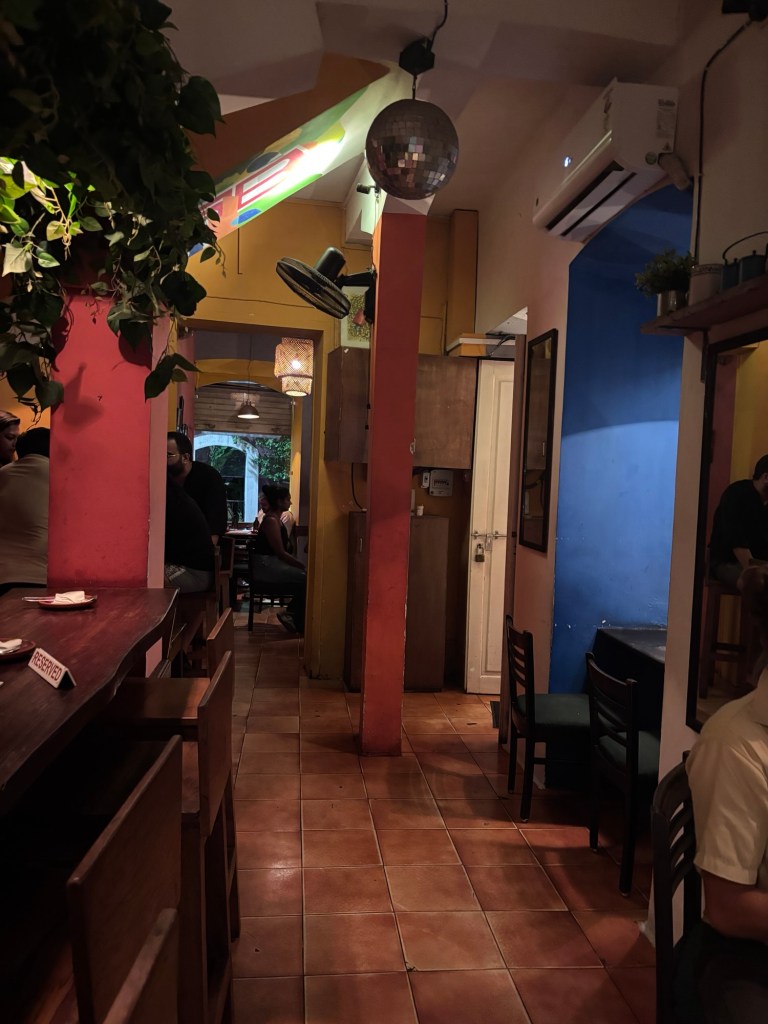
Alila Diwa interiors

Now, Alila offers options. There’s Spice Studio, sophisticated and promising serving Coastal Cuisine and Vivo, which seemed lovely but wasn’t calling our name. And then there was Edge—a pool-facing, bar-cum-diner that immediately gave off the vibe of somewhere you could sip a drink, feel vaguely important, and pretend to have life figured out. Decision made.

Edge by the Poolside

Edge is stylish but relaxed, a careful balance between “casual” and “you should’ve worn something slightly nicer.” It’s open, airy, and decked out in chic green hues.

More importantly, it isn’t one of those places where you spend dinner elbow-dueling strangers. Plenty of space. Good lighting. A pool view. If nothing else, Edge is a place where you’ll feel like you made a good choice.

Edge Interiors
Edge Interiors
Open Kitchen
Pool table
Indoor Bar Setup

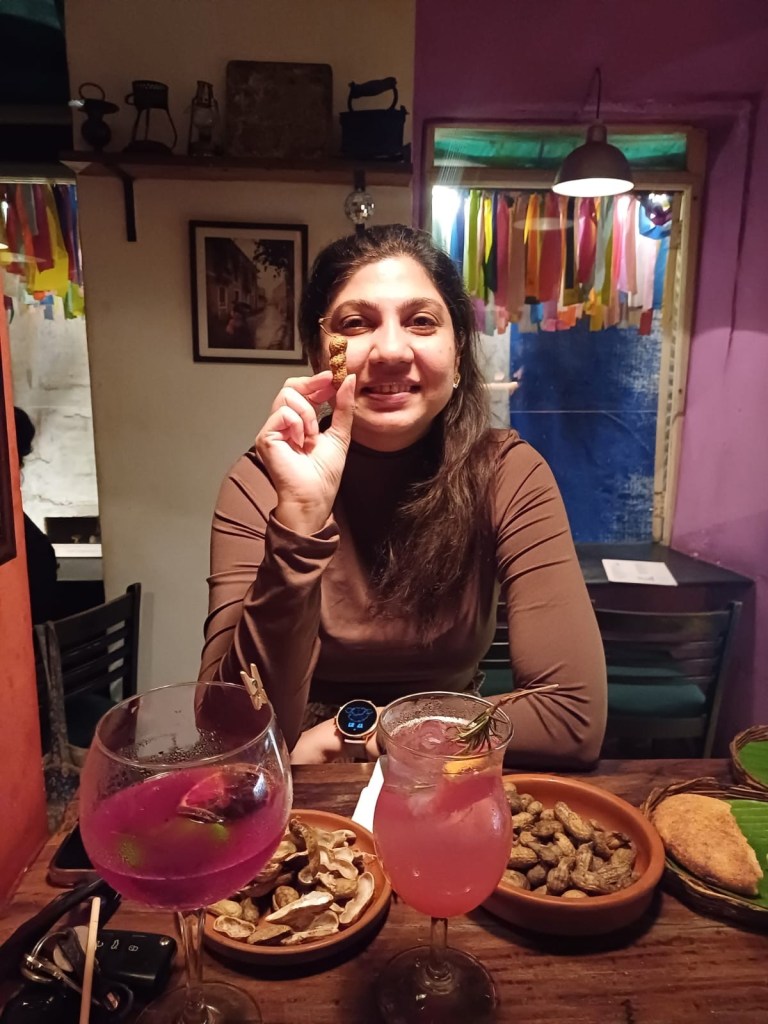
We started with a Bira Beer—cold, refreshing, the kind of tap beer that instantly convinces you that yes, this night was an excellent idea. Then came the food.

Tap Beer

First up: burrata salad, which was creamy, delicate, and made me briefly consider whether I should move to Italy and dedicate my life to cheese.

Burrata salad

Next, cafreal poi sliders, which were small but mighty—spiced, juicy, and tucked into a cloud of poi bread.

Chicken Cafreal Poie Sliders

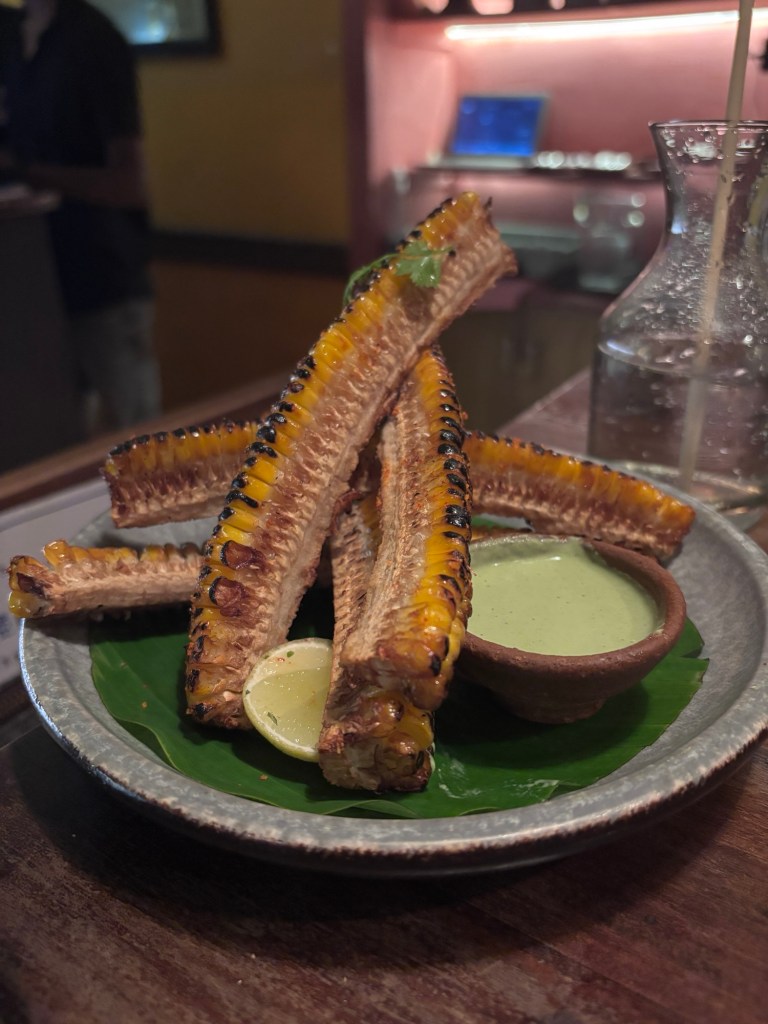
And then, guacamole and flatbread, which arrived perfectly crisp, the guac just the right level of fresh and zesty.

Guacamole with Flatbread

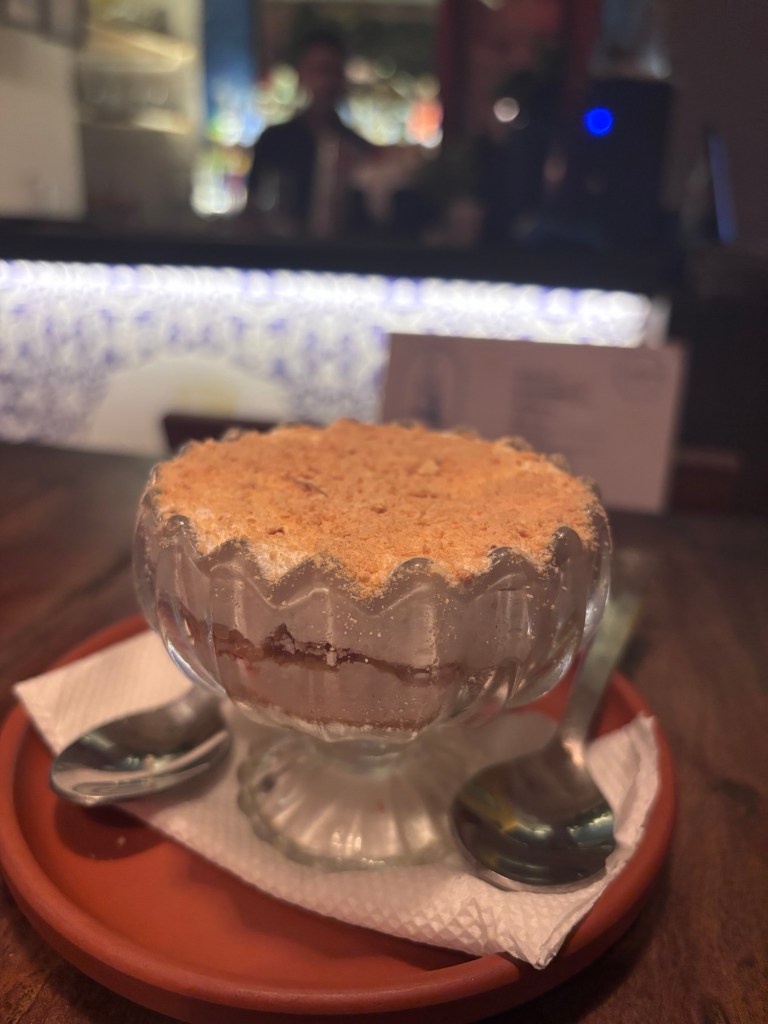
Then came dessert. Now, I wanted to love the banoffee pie. But somehow it was a bit too creamy for my liking. I could give it a miss. Not one of my favourites of the evening.

Banoffee Pie

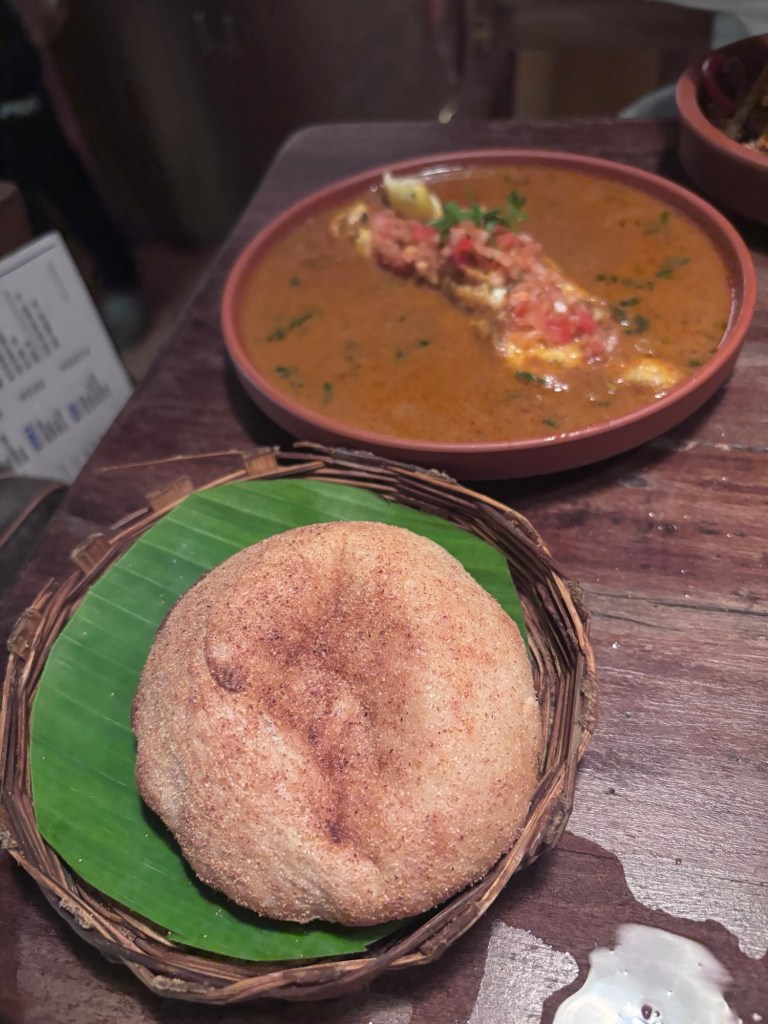
One highlight, however: the poi bread with garlic butter. An unexpected delight. The sort of thing that makes you want to abandon all pretense and just ask for another plate of only that.

Poi bread with garlic butter

Would I go back? In a heartbeat. The food was excellent, the vibe was spot on, and honestly, I’d like another go at that beer-and-bread combination.

Alila Diwa Infinity Pool

If you’re ready to trade routine for a night that’s as refreshingly cool as it is subtly subversive, Edge is waiting with open arms and a wry smile.

25 Social Media Post Types That Went Viral: The Secret Sauce Behind Their Success

Ever wondered why some social media posts spread like wildfire while others barely spark a flame? Buckle up, because we’re about to embark on a rollercoaster ride through 25 viral post types that have taken the internet by storm. We’ll dissect each one, sprinkle in some juicy case studies, and uncover the magic ingredients that made them irresistible. Ready? Let’s dive in!

1. The Challenge Craze

Remember the Ice Bucket Challenge? Of course, you do. This chilly dare had everyone from your grandma to your favorite celebrity dumping ice-cold water over their heads. The secret? It combined a good cause with a dash of daredevilry, making it fun and philanthropic. Plus, nominating friends added a personal touch, creating a domino effect of participation.

Case Study: The Ice Bucket Challenge raised over $115 million for ALS research. Participants challenged friends, leading to a chain reaction that flooded social media feeds worldwide.

2. User-Generated Content (UGC) Contests

Who doesn’t love a good contest? Brands that encourage followers to create content not only boost engagement but also build a community. When users see their creations featured, they feel valued, and their friends are more likely to join the fun.

Case Study: Starbucks’ White Cup Contest invited customers to doodle on their cups and share photos. The winning design became a limited-edition template, generating thousands of entries and massive buzz.

3. Behind-the-Scenes Sneak Peeks

People are nosy by nature. Giving them a backstage pass to your brand’s world satisfies that curiosity and builds a deeper connection.

Case Study: GoPro often shares behind-the-scenes footage of extreme sports shoots, showcasing the product’s capabilities and the adventurous spirit of the brand.

4. Memes with a Twist

Memes are the internet’s inside jokes. Brands that cleverly adapt popular memes to fit their message can ride the viral wave.

Case Study: Netflix nailed it by using the “Is this a pigeon?” meme to promote their shows, blending humor with timely references.

5. Interactive Polls and Quizzes

Engagement 101: Ask a question. People love sharing their opinions, and interactive content like polls and quizzes makes it easy and fun.

Case Study: BuzzFeed’s personality quizzes (e.g., “What type of bread are you?”) have been shared millions of times, feeding into the human desire for self-discovery and sharing quirky results.

6. Heartwarming Stories

Tug at the heartstrings, and the shares will follow. Emotional narratives resonate deeply, prompting people to spread the love.

Case Study: Humans of New York shares poignant personal stories accompanied by portraits, fostering empathy and connection among millions of followers.

7. Breaking News and Hot Takes

Being the first to comment on trending topics positions your brand as timely and relevant. Just ensure your take adds value and isn’t merely jumping on the bandwagon.

Case Study: Wendy’s Twitter account is famous for its quick-witted responses to current events, earning praise and retweets for its sharp humor.

8. Epic Fails and Honest Blunders

Sharing mistakes humanizes your brand. It shows authenticity and can endear you to your audience.

Case Study: When KFC ran out of chicken in the UK, they published a cheeky apology ad rearranging their logo to spell “FCK.” The humorous acknowledgment turned a potential PR disaster into a viral moment.

9. Time-Limited Offers and Flash Sales

Urgency can spur action. Limited-time deals encourage followers to act quickly and share the opportunity with others.

Case Study: Fashion Nova frequently promotes flash sales on Instagram, creating a sense of urgency that drives immediate traffic and purchases.

10. Live Streams and Real-Time Engagements

Going live offers unfiltered interaction, making audiences feel like insiders. It’s raw, real, and relatable.

Case Study: Twitch streamers have built massive followings by engaging with viewers in real-time, fostering a loyal and interactive community.

11. Surprise Giveaways

Who doesn’t love free stuff? Unexpected giveaways delight followers and encourage sharing to increase reach.

Case Study: Oreo’s spontaneous Twitter giveaways reward quick responders, boosting engagement and follower loyalty.

12. Collaborations with Influencers

Partnering with influencers expands your reach to their established audiences, lending credibility and relatability to your brand.

Case Study: Daniel Wellington watches grew rapidly by collaborating with Instagram influencers, leveraging their followers to build brand awareness.

13. Humorous Observations and Witticisms

A good laugh is worth sharing. Witty posts that tickle the funny bone can quickly go viral.

Case Study: Old Spice’s “The Man Your Man Could Smell Like” campaign used absurd humor to reinvent the brand’s image, leading to a significant sales boost.

14. Infographics Packed with Value

Visual representations of data make complex information digestible and shareable.

Case Study: Buffer creates infographics summarizing social media trends, providing valuable insights in an easily consumable format.

15. Customer Spotlights and Testimonials

Highlighting satisfied customers builds trust and encourages others to share their positive experiences.

Case Study: Airbnb shares stories of hosts and guests, showcasing diverse experiences and fostering a sense of community.

16. Seasonal and Holiday-Themed Posts

Tapping into the festive spirit aligns your brand with current celebrations, making your content timely and relevant.

Case Study: Google’s annual April Fools’ Day pranks, like the “Google Nose” feature, entertain users and generate buzz.

17. Educational Tutorials and How-Tos

Teaching something valuable positions your brand as an authority and provides content worth sharing.

Case Study: Home Depot’s DIY project tutorials empower customers to take on new projects, driving engagement and sales.

18. User Polls and Opinion Solicitation

Asking for feedback makes followers feel valued and can provide insightful data.

Case Study: Spotify engages users with polls about music preferences, fostering interaction and personalizing recommendations.

19. Countdowns to Big Events

Building anticipation for a launch or event keeps your audience engaged and excited.

Case Study: Apple’s countdowns to product announcements create buzz and speculation, amplifying interest.

20. Behind-the-Scenes of Product Development

Sharing the journey of creating a product builds transparency and investment from your audience.

Case Study: Tesla’s updates on vehicle development keep enthusiasts informed and engaged, fostering a loyal community.

21. Celebrating Milestones and Achievements

Sharing your successes invites your audience to celebrate with you, strengthening the brand-community bond.

Case Study: Patagonia celebrates environmental milestones and initiatives, aligning their achievements with their brand values.

22. Exclusive Previews and Sneak Peeks

Offering a glimpse of upcoming products or features makes followers feel special and in-the-know.

Case Study: Marvel Studios teases upcoming movie trailers, generating excitement and discussion among fans.

23. Interactive Stories and Choose-Your-Own-Adventure Posts

Engaging your audience in storytelling where they influence the outcome fosters participation and investment.

Case Study: Netflix’s interactive film “Black Mirror: Bandersnatch” allowed viewers to make decisions affecting the plot, leading to widespread discussion and multiple viewings to explore different storylines.

24. Animated GIFs and Looping Videos

Short, looping visuals can capture attention quickly and are easily shareable, making them prime candidates for virality.

Case Study: Tumblr has seen numerous animated GIFs go viral due to their concise and entertaining nature. Research indicates that animated GIFs tend to get reblogged more and have higher recurrence rates than static images or videos. 

25. Emotional Outpourings and Vulnerability

Sharing raw, authentic emotions can create deep connections with audiences, prompting empathy and shares.

Case Study: Individuals posting tearful videos online often do so to connect with others and seek validation. These vulnerable displays can garner significant engagement, driving traffic and sometimes even launching social media careers. 

The Secret Sauce: Why These Posts Go Viral

While the content types vary, viral posts often share common ingredients:

Relatability: Content that resonates on a personal level encourages sharing.

• Emotional Impact: Evoking strong emotions—be it joy, surprise, or empathy—compels audiences to engage.

Shareability: Easily digestible and shareable formats, like GIFs or memes, lower the barrier for spreading content.

Timeliness: Capitalizing on current events or trends makes content relevant and urgent.

Authenticity: Genuine and transparent posts build trust and encourage community building.

By understanding and incorporating these elements, you can craft social media posts that not only capture attention but also inspire action and sharing. So, go forth and create content that resonates, engages, and, most importantly, gets shared!

From Chhaava to Passion of the Christ: Why Myth, History, and Emotion Make Blockbusters

Why Do Some Films Create Frenzy?

Ever wondered why some films, no matter their budget, star power, or marketing spend, become unstoppable cultural tsunamis while others, despite ticking all the “hit film” checkboxes, barely make a ripple?

It’s not just about action, VFX, or even a star-studded cast. The secret sauce? Cultural sentiment.

The greatest cinematic epics of our time – whether it’s Chhaava, Padmaavat, or Passion of the Christ – aren’t just movies. They’re cultural events. They resonate because they don’t just tell a story – they tap into something primal, emotional, and deeply rooted in identity.

And now, with Chhaava starring Vicky Kaushal as Shivaji Maharaj’s son Sambhaji, the formula continues. Part glorified history, part fact, 100% cultural adrenaline.

The Epic Formula: Myth, History & Identity

Here’s the deal. Films like Bajirao Mastani, Jodha Akbar, and Ponniyin Selvan didn’t just succeed because of lavish sets and A-list actors. They became blockbusters because they connected with people’s cultural roots.

• They tell larger-than-life stories about heroes, kings, warriors, and deities.

• They build on cultural nostalgia and pride.

• They mix history with cinematic fiction—creating a spectacle wrapped in sentiment.

And people LOVE it.

When you tell a story that aligns with people’s historical, religious, or national identity, it’s no longer just a movie. It’s personal.

Let’s break it down with case studies from India and around the world.

🎥 Bollywood & South India: When History Meets Hysteria

1. Chhaava (2024) – The Rise of Sambhaji

Vicky Kaushal playing Sambhaji Maharaj? Enough said. Maratha pride is at an all-time high, and this film will ride that wave like a warrior on horseback. Expect packed theaters, social media wars, and an emotional rollercoaster that could give Baahubali a run for its money.

2. Padmaavat (2018) – Controversy = Free Marketing

Rajput history, Rani Padmavati, Alauddin Khilji, and a truckload of controversy. A film that wasn’t just a film—it was a cultural war. Protests, bans, and debates only fueled the frenzy. Result? ₹585 crore worldwide.

3. Bajirao Mastani (2015) – Love, War & Identity

Maratha warrior? Check. Epic love story? Check. Stunning visuals? Check. Sanjay Leela Bhansali knew exactly what he was doing. The film didn’t just win at the box office—it reignited interest in Bajirao and Mastani’s real-life love story.

4. Ponniyin Selvan (2022) – Tamil History on the Big Screen

Why did this film explode in Tamil Nadu? Simple: It tapped into regional pride. The Chola dynasty is legendary, and Mani Ratnam delivered a spectacular cinematic tribute to an already beloved Tamil literary classic.

5. Jodha Akbar (2008) – Mughal Meets Romance

A historical love story between Akbar and Jodha Bai? Irresistible. The grandeur, the politics, the controversy—it had everything.

6. RRR (2022) – Fictionalized History, Global Frenzy

A pre-independence action spectacle based on real-life revolutionaries? Add some tiger fights, friendship goals, and Naatu Naatu, and boom—Oscar win.

7. Kesari (2019) – The Unsung Heroes’ Moment

A film about 21 Sikh soldiers taking on 10,000 Afghan invaders? Patriotism, history, and bravery wrapped in gut-wrenching drama. Akshay Kumar’s turban-clad warrior look sealed the deal.

8. The Legend of Bhagat Singh (2002) – Revolution on Reel

Freedom fighters always make for compelling cinema. Bhagat Singh’s story resonates across generations, making this one of Bollywood’s most powerful patriotic films.

9. Veer (2010) – When Salman Went Historical

Okay, it wasn’t exactly history, but Salman Khan’s warrior flick tried to tap into the grand epic format. (Let’s just say, not all historical movies hit the mark.)

10. Upcoming Ramayana Films (2025) – Mythology Meets Mega Budget

Ranbir Kapoor as Lord Ram? Sai Pallavi as Sita? Yash as Ravan? This is shaping up to be India’s biggest mythological film ever. Expect cultural buzz, social media storms, and record-breaking box office numbers.

🎬 Global Case Studies: The Worldwide Epic Obsession

1. Passion of the Christ (2004) – Religion Meets Cinema

Mel Gibson took the most powerful story in Christianity and turned it into a brutal, emotional, and sentimental film. Over $600M in earnings.

2. Gladiator (2000) – When Rome Ruled the Box Office

Russell Crowe’s “Are you not entertained?” speech alone could sell out theaters. Historical spectacle + revenge drama = instant classic.

3. Braveheart (1995) – Scottish Pride, Hollywood Style

Mel Gibson again, this time tapping into Scottish nationalism with swords, war paint, and speeches that made audiences want to charge into battle.

4. Troy (2004) – Homer Would Be Proud

Brad Pitt as Achilles? Epic. Ancient Greek battles? Even more epic. Historical accuracy? Eh, who cares, it made $497M.

5. Kingdom of Heaven (2005) – Crusades on Screen

Orlando Bloom in medieval armor, religious wars, and Ridley Scott behind the camera. Enough said.

6. The Last Samurai (2003) – Hollywood Meets Samurai Culture

A historical East meets West tale with Tom Cruise? Japan loved it. So did the rest of the world.

7. 300 (2006) – Abs, Spears & Spartan Glory

A heavily stylized, testosterone-fueled take on the Battle of Thermopylae. “This. Is. Sparta!” became a cultural meme.

8. Ben-Hur (1959) – Old Hollywood’s Epic Formula

Before CGI, before mega budgets, Ben-Hur proved that religion, history, and a chariot race could define cinema.

9. Apocalypto (2006) – Mayan Civilization on the Edge

Mel Gibson again (yes, he loves history). A film about Mayan warriors, survival, and spectacle.

10. Dunkirk (2017) – War in Its Purest Form

Christopher Nolan took WWII history and made it a heart-pounding experience. No traditional storytelling—just raw emotion and survival.

Conclusion: Why These Films Always Work

From Chhaava to Gladiator, from Ponniyin Selvan to 300, these films succeed because they aren’t just entertainment—they are identity, history, and belief rolled into one.

In an era where cultural and historical narratives are more powerful than ever, expect more of these blockbusters. Because when a film aligns with what people already feel deeply about—it’s not just a hit.

It’s a phenomenon.

Would love to hear your thoughts—which historical/mythological epic is your all-time favorite? Drop it in the comments!

Why Trend Forecasting is Your Marketing BFF

Picture this: You’re at a party, and someone starts a conga line. Do you join immediately, or do you wait until it’s the cool thing to do? In the marketing world, waiting means missing out on the fun—and the profits. Enter trend forecasting, your backstage pass to the next big thing. Let’s dive into this mystical realm where data meets divination, and discover how peeking into the future can make your brand the life of the party.

Trend Forecasting

What is Trend Forecasting in Marketing?

Imagine having a sixth sense that tingles every time a new fad is about to explode. Trend forecasting is precisely that—minus the crystal ball and mystic mumbo jumbo. It’s the art and science of predicting future consumer behaviors, preferences, and market dynamics based on a cocktail of data analysis, cultural insights, and a dash of intuition. By identifying these trends before they become mainstream, businesses can tailor their strategies to ride the wave rather than being swept away.

Five Global Case Studies: Brands That Nailed the Trend Game

1. Zara: The Fast Fashion Forerunner

The Trend: Rapid response to emerging fashion styles.

The Move: Zara’s secret sauce is its lightning-fast supply chain. Spotting runway trends, the brand can design, produce, and stock new styles in stores within weeks. This agility keeps fashionistas flocking for the latest looks without the haute couture price tag.

The Win: By the time competitors catch up, Zara’s already onto the next trend, ensuring they remain ahead in the fast fashion race.

2. Starbucks: Brewing Digital Delight

The Trend: Digital transformation and mobile integration.

The Move: Starbucks embraced mobile ordering and payment systems early on, creating a seamless experience for tech-savvy coffee lovers. Their app not only streamlines purchases but also offers personalized rewards, making caffeine fixes both convenient and gratifying.

The Win: With millions of active app users, Starbucks has cultivated a loyal customer base that’s just a tap away from their next latte.

3. Nike: Just Doing It with Sustainability

The Trend: Eco-conscious consumerism.

The Move: Nike introduced the “Move to Zero” campaign, aiming for zero carbon and zero waste. By launching products like the Space Hippie line—shoes made from recycled materials—they’ve aligned with the green movement without sacrificing style or performance.

The Win: Nike appeals to environmentally aware consumers, enhancing brand image and tapping into a growing market segment.

4. Apple: The Augmented Reality Pioneer

The Trend: Augmented Reality (AR) integration.

The Move: Apple has been embedding AR capabilities into its devices, offering features like ARKit for developers and AR experiences for users. From gaming to home design, they’ve opened new dimensions for app interaction.

The Win: By staying ahead in AR, Apple maintains its reputation as an innovator, attracting both developers and consumers eager for cutting-edge tech.

5. Coca-Cola: Personalization Perfection

The Trend: Customized consumer experiences.

The Move: Remember the “Share a Coke” campaign? By replacing their iconic logo with popular names, Coca-Cola created a personal connection with consumers, encouraging them to find bottles bearing their names and share their experiences on social media.

The Win: This personalized touch boosted sales and generated a social media frenzy, proving that a little customization goes a long way.

Five Indian Case Studies: Homegrown Heroes of Trendspotting

1. Urbanic: Wooing Gen Z with Micro-Influencers

The Trend: Influencer marketing in tier-1 cities.

The Move: Urbanic, a fast-fashion brand, collaborated with micro-influencers in cities like Mumbai and Delhi. By tapping into the followers of these local trendsetters, they resonated with the Gen Z crowd seeking affordable yet stylish apparel.

The Win: This strategy led to a surge in brand awareness and sales among young urbanites.

2. FabIndia: Going Regional with Nano Influencers

The Trend: Hyper-local marketing.

The Move: FabIndia expanded its reach by partnering with nano influencers—individuals with a modest but dedicated following—in various regions. These influencers showcased FabIndia’s products in culturally relevant contexts, appealing to local sensibilities.

The Win: The brand strengthened its presence in diverse markets, fostering community engagement and boosting regional sales.

3. Durex: Empowering Women and Rural Consumers

The Trend: Female empowerment and rural market penetration.

The Move: Durex shifted its focus in India to target women and rural consumers. Recognizing the low contraceptive use influenced by traditional norms, they reformulated products and launched campaigns emphasizing women’s sexual wellness.

The Win: By addressing previously overlooked demographics, Durex expanded its market share and promoted important conversations about sexual health.

4. ICH NEXT: Forecasting Fashion for the Indian Market

The Trend: Culturally tailored fashion forecasting.

The Move: ICH NEXT, India’s first indigenous fashion forecast service, provides trend predictions specific to the Indian market. By analyzing local consumer behavior, socio-economic influences, and cultural trends, they offer insights that resonate with domestic brands.

The Win: Retail giants like Myntra and Amazon India utilize these forecasts to curate collections that appeal to Indian consumers, leading to increased relevance and sales.

5. Paperboat: Nostalgia in a Pouch

The Trend: Nostalgia marketing.

The Move: Paperboat packages traditional Indian beverages in school-style pouches, evoking childhood memories. This design choice connects emotionally with consumers, transporting them back to simpler times.

The Win: The nostalgic appeal differentiates Paperboat in the beverage market, fostering brand loyalty and repeat purchases.

The Pros and Cons of Trend Forecasting

Like any strategy, trend forecasting comes with its own set of perks and pitfalls. Let’s break it down:

Pros

1. Proactive Planning: Anticipating trends allows brands to prepare in advance, ensuring they’re ready to meet consumer demands head-on.

2. Competitive Edge: Being a trendsetter rather than a follower positions your brand as an industry leader, attracting attention and admiration.

3. Enhanced Relevance: Aligning products and campaigns with emerging trends keeps your brand pertinent in the ever-evolving market landscape.

4. Risk Mitigation: Informed predictions can help avoid investments in fads likely to fizzle out, safeguarding resources.

5. Customer Connection: Understanding upcoming consumer preferences enables personalized experiences, fostering deeper relationships.

Cons

1. Uncertainty: Even the best predictions aren’t foolproof. Trends can be unpredictable, and betting on the wrong horse can lead to losses.

2. Resource Intensive: Effective trend forecasting requires significant investment in research, data analysis, and talent.

3. Short-Lived Trends: Some trends have the lifespan of a mayfly. Investing heavily in fleeting fads can result in wasted resources once the novelty wears off.

4. Overreliance on Data: Numbers don’t capture the full human experience. Solely relying on data can overlook the emotional and cultural nuances that drive consumer behavior.

5. Potential for Misalignment: Misinterpreting trends or misapplying them to your brand can lead to campaigns that feel forced or inauthentic.

Conclusion: To Trend or Not to Trend? That is the Question

Trend forecasting in marketing isn’t just a fancy buzzword—it’s the closest thing we have to time travel. It separates the pioneers from the latecomers, the innovators from the imitators, and the brands that boom from those that bust. But here’s the catch: it’s not about blindly chasing every new fad like an overenthusiastic puppy. Instead, it’s about strategically identifying which trends align with your brand’s core values and consumer needs.

Think of it like surfing. If you spot the wave early and position yourself right, you’ll ride it all the way to success. If you’re too slow, you’ll be stuck paddling while others steal the show. And if you pick the wrong wave (hello, short-lived TikTok trends), you might just wipe out.

At the end of the day, trend forecasting is about staying curious, adaptable, and prepared. It’s about knowing when to make a move and when to wait. And, most importantly, it’s about making sure your brand stays relevant, fresh, and ahead of the curve.

So, whether you’re a startup trying to make a splash or a legacy brand looking to reinvent itself, remember: the future belongs to those who forecast it. Now, go forth and predict the next big thing before your competitors do!

India’s Got Latent Fiasco: The Rollercoaster Ride of Content Creators

Grab your popcorn, folks, because the digital world is serving up a drama hotter than a masala chai on a winter morning. Let’s dive into the “India’s Got Latent” controversy, where humor met its match with cultural sensitivity, and see how our beloved content creators are navigating this storm.

The Plot Twist: What Went Down?

Picture this: a ‘dark humor’ YouTube show, “India’s Got Latent,” hosted by comedian Samay Raina, featuring the ever-charismatic Ranveer Allahbadia (aka BeerBiceps) and the witty Apoorva Mukhija. The episode was meant to be a light-hearted banter, but one remark from Ranveer about parents and intimacy hit a sour note. The internet, as it does, exploded faster than a viral dance challenge. The video was taken down, but not before it had been shared, reshared, and meme-ified across the digital universe.

The Backlash: Who’s Throwing Shade?

  • Kharaj Mukhopadhyay: The seasoned actor didn’t mince words, stating that while such humor might fly abroad, it doesn’t quite land in Indian culture.
  • Mir: Another content creator, Mir emphasized the need for self-censorship and cultural sensitivity, suggesting that creators should be mindful of their audience’s values.
  • NCW (National Commission for Women): They’ve stepped into the ring, summoning the trio for their remarks. However, citing concerns over personal safety, prior travel commitments, and other logistical challenges, many failed to attend in person.
  • Dhruv Rathee: The political commentator and YouTuber expressed his opposition to Samay Raina’s content, making it clear that he does not support or align with Raina’s views.

The Support Squad: Who’s Got Their Back?

  • Gaurav Taneja: The aviation YouTuber and fitness enthusiast defended Ranveer, questioning why the focus isn’t on global tech leaders like Sundar Pichai when it comes to cultural sensitivity.
  • Ankita Ghosh: The stand-up comic defended provocative humor, stressing that it should elicit genuine laughter.

The Consequences: The Good, The Bad, and The Ugly

Cons:

  • Brand Partnerships: Companies might hesitate to collaborate with creators embroiled in controversy, fearing backlash from their audience.
  • Legal Scrutiny: The NCW’s involvement means there’s a possibility of legal repercussions if the creators are found guilty of promoting inappropriate content.
  • Public Image: Even with a supportive fan base, the creators might face a tarnished reputation, especially among audiences who value cultural sensitivity.

Pros:

  • Increased Visibility: Controversy often leads to a surge in views and subscribers. Our trio might just see their numbers skyrocket.
  • Audience Engagement: This incident could spark meaningful conversations about cultural sensitivity and the role of humor in media.

My Two Cents:

While the remarks made were undoubtedly off-key, let’s not turn this into a witch hunt. Ranveer, Samay, and Apoorva are products of a digital age where humor often crosses boundaries. Instead of lynching them, perhaps it’s time for a collective introspection on the kind of content we consume and promote. There are far more pressing issues in India that deserve the attention of the moral police, real police, and politicians.

Conclusion:

The “India’s Got Latent” fiasco serves as a wake-up call for content creators and consumers alike. In a world where memes are currency and viral videos are the norm, it’s essential to strike a balance between freedom of expression and cultural sensitivity. As we navigate this digital age, let’s remember that while humor is subjective, respect is universal.