Founder-Led Branding: When CEOs Become the Brand

The Rise of the Rockstar Founder

Some people build brands. Others become the brand.

We live in an era where CEOs aren’t just boardroom strategists anymore—they’re on your Instagram feed, cracking jokes on Twitter, hosting YouTube shows, and dropping truth bombs on LinkedIn. They aren’t hiding behind corporate jargon; they’re out there, talking like humans, pulling off PR stunts, and in some cases, even launching spaceships.

This is Founder-Led Branding—when the face behind the company becomes as (or more) famous than the company itself. Think of it as personal branding on steroids, but with a billion-dollar business attached.

But is it all smooth sailing? Or does putting a founder’s face at the forefront come with its own risks? Let’s dig in.

What is Founder-Led Branding or Marketing?

Founder-led branding is when the founder or CEO actively represents, markets, and shapes the identity of the brand. Instead of just signing off on marketing campaigns from a distance, these founders become the campaign.

It’s the difference between:

A. A generic corporate ad saying, “We value innovation.”

B. Elon Musk tweeting, “We’re gonna make a robot. It might kill you. LOL.”

People don’t trust faceless corporations, but they do trust people—especially charismatic, authentic, and sometimes slightly eccentric founders.

Founder-led marketing is raw, personal, and engaging—it cuts through corporate noise and makes a brand feel real.

How Can You Do Founder-Led Branding or Marketing?

Not everyone can be Steve Jobs or Richard Branson, but with the right strategy, any founder can make an impact.

1. Be Real, Not Robotic

People connect with personalities, not press releases. Show up as yourself—flaws, quirks, and all. Authenticity is magnetic.

2. Tell Your Story (And Make It a Good One)

How did you start? Why did you start? What insane hurdles did you cross? People love origin stories, especially the underdog kind.

3. Show Up Where Your Audience Is

Whether it’s Twitter, LinkedIn, YouTube, or even TikTok—be present, be active, and engage. The more accessible you are, the more your brand feels relatable.

4. Stand for Something Bigger

Founder-led branding works best when there’s a mission beyond money. Be vocal about what you believe in—whether it’s sustainability, women’s empowerment, or overthrowing boring corporate culture.

5. Be the Face (But Don’t Be the Only Face)

Yes, you’re the brand, but don’t overshadow the actual product. If your company is selling software, don’t turn it into a reality show about you. Find the balance.

5 Global Case Studies of Founder-Led Marketing

1. Elon Musk (Tesla, SpaceX, X, etc.)

Musk’s marketing strategy? Be the internet’s favorite (and most controversial) billionaire.

He tweets product updates, makes memes, and announces cars being sent to space. His approach is so effective that Tesla has never spent a dime on traditional advertising.

2. Steve Jobs (Apple)

Jobs made Apple’s product launches feel like rock concerts. He turned the unveiling of a phone into must-watch global events. Even years after his passing, his influence on Apple’s brand remains legendary.

3. Richard Branson (Virgin Group)

Branson’s personal brand is all about being an adventurer, rule-breaker, and daredevil. From dressing up as a flight attendant to attempting world records, he ensures Virgin isn’t just a company—it’s a lifestyle.

4. Oprah Winfrey (OWN, O Magazine, Weight Watchers, etc.)

Oprah isn’t just a brand. She’s an empire. Her name is enough to turn anything into gold. When she promotes a product, it doesn’t just get attention—it gets sold out.

5. Gary Vaynerchuk (VaynerMedia, VeeFriends, etc.)

Gary Vee built his business empire by documenting, not creating. He shares his journey, insights, and personal hustle on social media—turning every speech, podcast, and post into an organic marketing machine.

5 Indian Case Studies of Founder-Led Marketing

1. Ritesh Agarwal (OYO)

From being a teen entrepreneur to creating one of India’s biggest hospitality brands, Ritesh leveraged his personal journey to build OYO’s credibility. His presence at events and on social media has kept OYO in the public eye.

2. Nikhil Kamath (Zerodha, True Beacon)

Nikhil’s strategy? No-BS, straight talk about finance. His candid takes on investing, wealth-building, and even failures make him a relatable and trusted voice in the fintech space.

3. Kunal Shah (CRED, FreeCharge)

Kunal Shah’s Twitter game is legendary. Instead of just talking about his company, he shares sharp, witty, and insightful takes on startups, psychology, and business. This has built a massive personal following that indirectly benefits CRED.

4. Baba Ramdev (Patanjali)

The OG of founder-led branding in India. Baba Ramdev is literally the face of Patanjali. His yoga sessions, TV appearances, and strong personal brand helped Patanjali become a household name.

5. Deepinder Goyal (Zomato)

Deepinder doesn’t just talk about Zomato’s business—he lives it. His tweets, product updates, and behind-the-scenes insights make Zomato feel transparent and relatable to millions of users.

Key Takeaways: Do’s & Don’ts

✅ Do’s

✔ Be authentic – People connect with real, not rehearsed.

✔ Be accessible – Engage with your audience, answer questions, and interact.

✔ Tell a compelling story – Make people care about your journey.

✔ Use your platform – Social media, podcasts, YouTube—wherever your audience is.

✔ Stay consistent – Branding is a marathon, not a sprint.

❌ Don’ts

✖ Don’t turn it into an ego show – The brand should still be the hero.

✖ Don’t overshare – Personal branding is good, but your life doesn’t need to be a reality show.

✖ Don’t ignore criticism – If you’re public-facing, expect scrutiny. Handle it well.

✖ Don’t force it – If you’re not comfortable being in the limelight, let your work speak for itself.

✖ Don’t be Elon Musk unless you’re Elon Musk – The man operates on a different playbook.

Final Thoughts: Should Every Founder Do This?

Not necessarily. Founder-led branding is powerful, but it’s not for everyone. Some people thrive in the spotlight; others prefer working quietly in the background. And that’s okay.

But if done right, it can transform a company. It builds trust, fosters loyalty, and makes a brand feel human. In an age where people crave real connections, a relatable, visible, and engaging founder might just be the best marketing tool your brand ever had.

So, if you’re a founder wondering whether to step into the limelight, here’s my advice: Find your voice. Tell your story. And most importantly, have fun with it.

Because at the end of the day, people don’t just buy products. They buy into people.

MTW Bar, Panjim (Review): A Red-Hot Secret Behind a Doorbell

Some bars want you. They flash neon signs, blast music loud enough to shatter your eardrums, and throw bouncers at you like overenthusiastic recruiters. MTW Bar, however, plays hard to get. You don’t just walk in. You ring a bell.

So, there we were, standing outside a nondescript door in Panjim on a Saturday night, post-dinner, post-cocktails, post-that-questionable last shot someone insisted was a “good idea.” We rang the bell. A pause. A moment of suspense. And then—entry granted.

Welcome to the Red Room

Oh. My. Goodness. MTW isn’t a bar. It’s a portal. One moment, you’re in Goa; the next, you’re in a world bathed in red. It’s as if someone took a regular bar, dipped it in a pot of molten neon, and then said, You know what this needs? An office theme.

Yes, an office theme. But not the kind with sad sandwiches and printers that never work. The cool kind. The kind where the lighting is low and moody, where everything feels deliberately effortless, where the bar is stocked better than some people’s retirement funds.

To the left? A wall of past patrons’ photos. Some look like legends. Some look like they barely survived the night. All of them probably rang the same bell and walked into this scarlet dream, much like us.

The Crowd: A Cocktail of Its Own

The people at MTW are as eclectic as the decor. A mix of foreigners, locals, hipsters, people who look like they own yachts, and people who look like they haven’t paid rent in months but somehow still know where all the cool places are. Everyone is just… there, vibing, as if this is the only place that matters in the world.

The Drinks: Well, We Had Beer

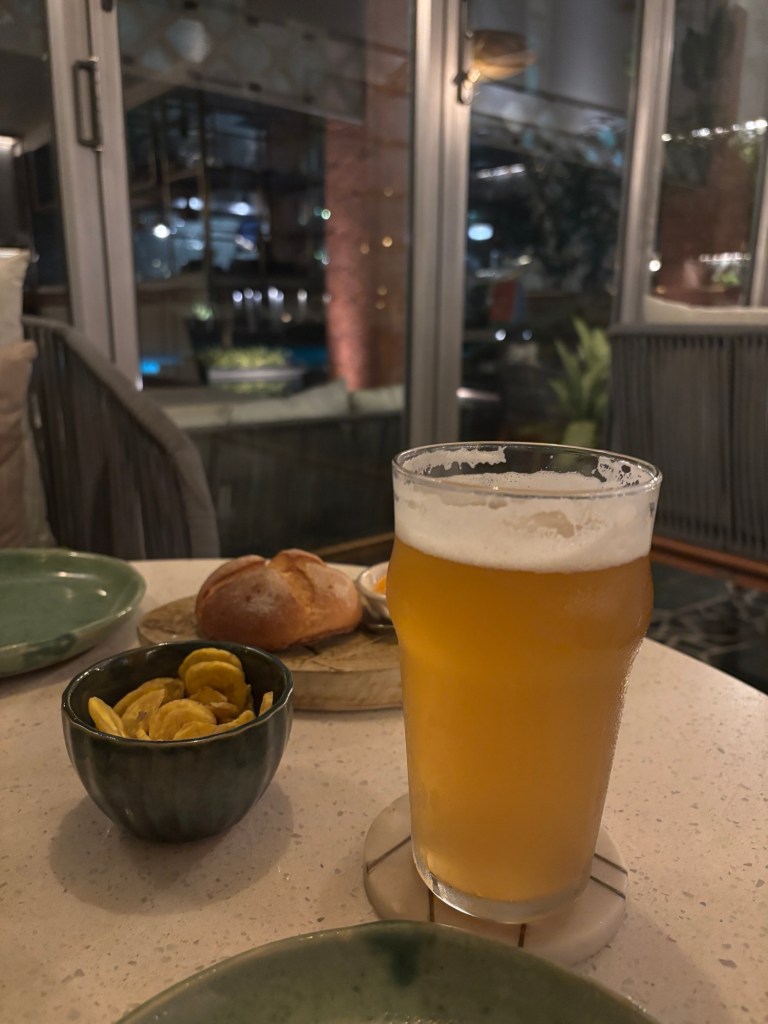
Look, I’d love to wax poetic about MTW’s cocktails—how they’re mixed, how they taste, how they make you feel like a better version of yourself. But we didn’t have any. Because we’d already downed enough cocktails earlier in the night.

So, beers it was. Cold, crisp, and just what we needed to settle into the place.

The Food: Probably Great, But We Wouldn’t Know

We got a few bar snacks. They looked good. Probably tasted good too. But we weren’t here to eat. We were here to sit back, soak in the atmosphere, and enjoy whatever strange, wonderful energy was flowing through this place.

The Ambience: Super Chill, Super Cool, Super Everything

MTW doesn’t scream for your attention—it lures you in and keeps you there. The music? Fantastic. The playlist? On point. The whole place had that perfect level of buzz—not too loud, not too quiet, just right.

And honestly? We could have stayed longer. But life, responsibility, and the unfortunate reality of needing sleep eventually pulled us away.

Would I Go Back? 100%. Would I Recommend It? Absolutely.

MTW isn’t for everyone. It’s for people who like their bars with a bit of mystery, their drinks with a side of character, and their nights out with a hint of something slightly surreal. It’s not your typical Goa bar. It’s better.

So, if you like your after-work drinks somewhere that feels like a secret, go ring the bell.

Feri Bar, Goa, Review :The Kind of Place You Wish More People Knew About (But Also Hope They Never Do)

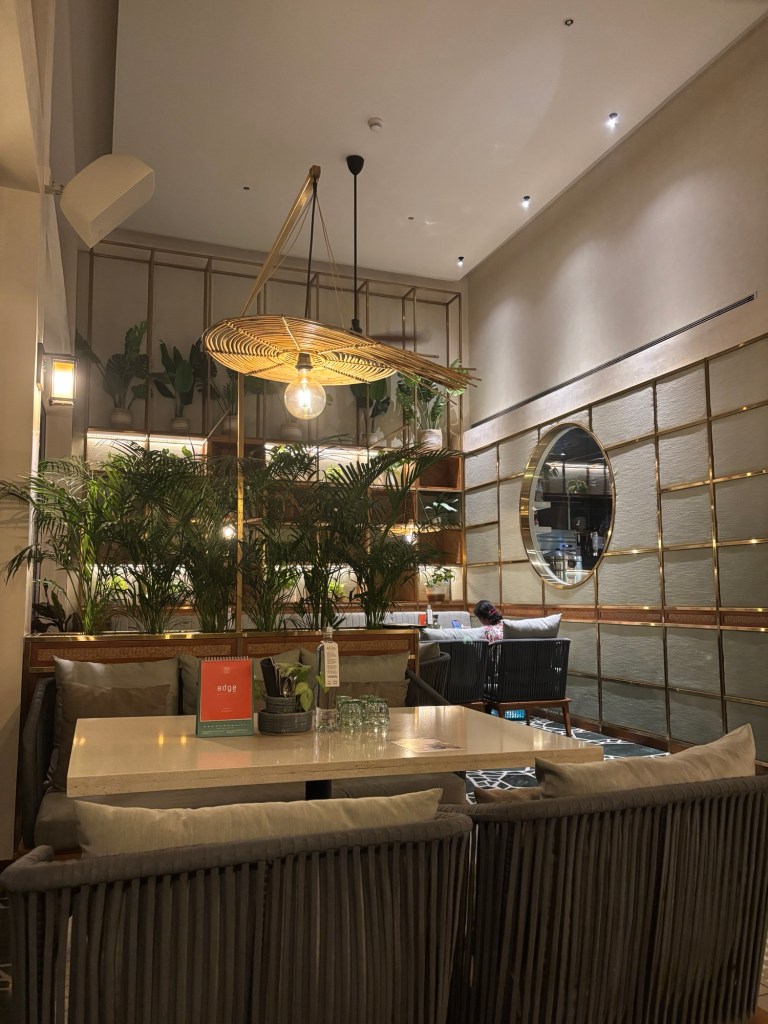
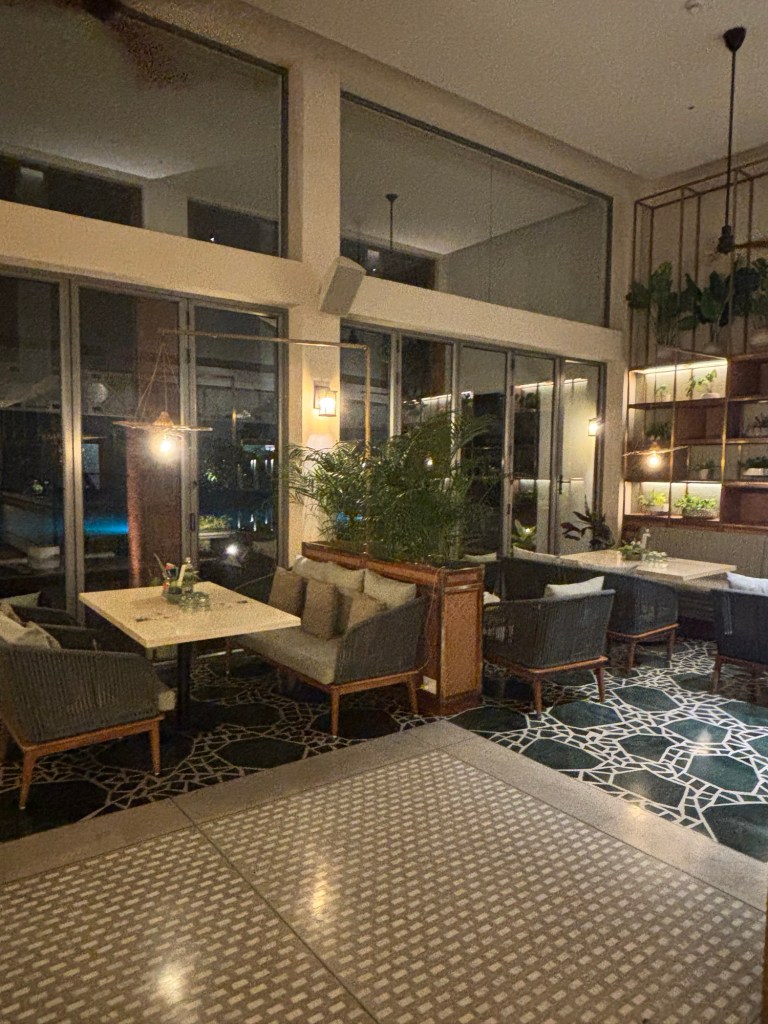
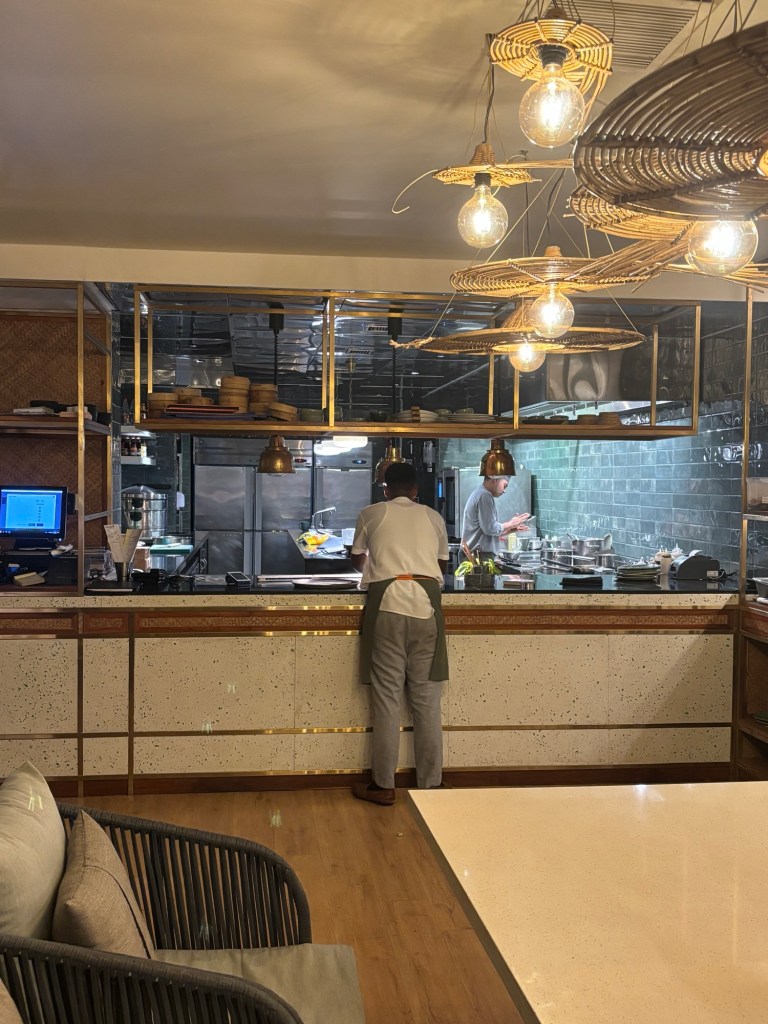
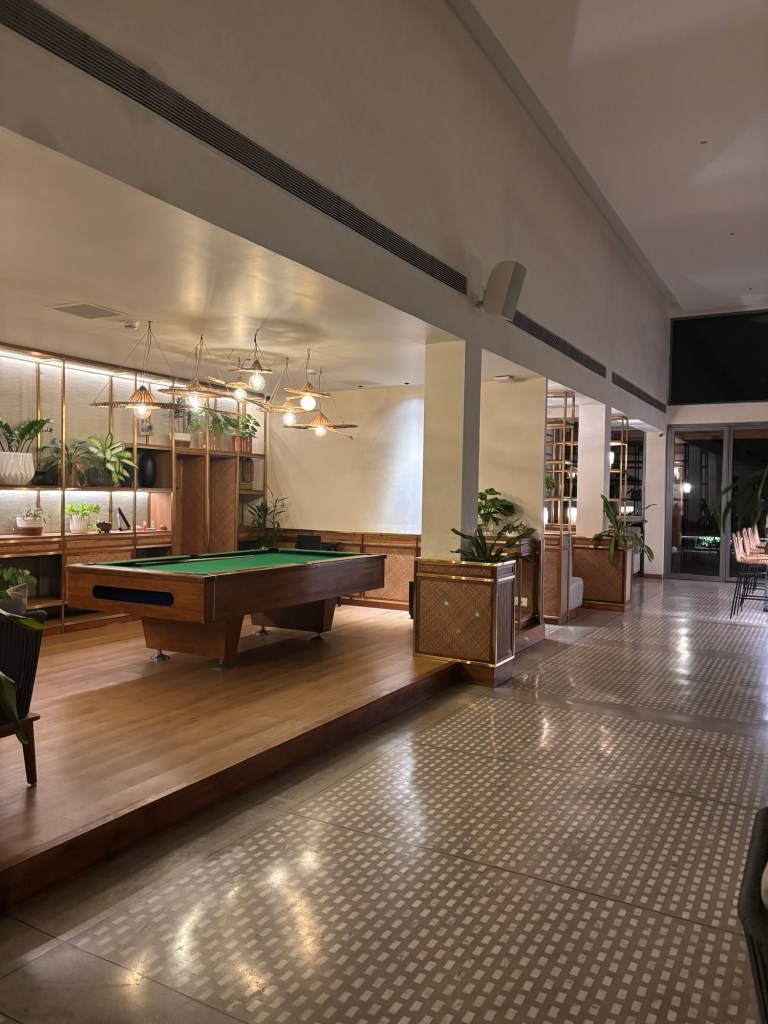
By some cosmic miracle—or perhaps just sheer avoidance of the typical Saturday night madness—we found ourselves at Feri Bar in North Goa, a place that offers a much-needed reprieve from the stampede of Goa’s party-chasing, cocktail-spilling, “Wooo, Goa!” shouting weekend warriors. Instead of squeezing through a crowd thicker than a Delhi traffic jam, we chose the path less trampled. And honestly, we may have won at life that night.

First Impressions: Interiors That Make You Stay

We arrived at Feri Bar around 9 PM, which, on a Saturday night in Goa, is a delicate balancing act—late enough to feel like we’re participating in nightlife, but early enough to avoid regretting all our life choices. The moment we walked in, the interiors wrapped around us like a warm hug.

Wood and green accents give the place a warm, polished, yet unfussy vibe—like the home of a cool friend who knows the perfect ratio of effort to effortless charm.

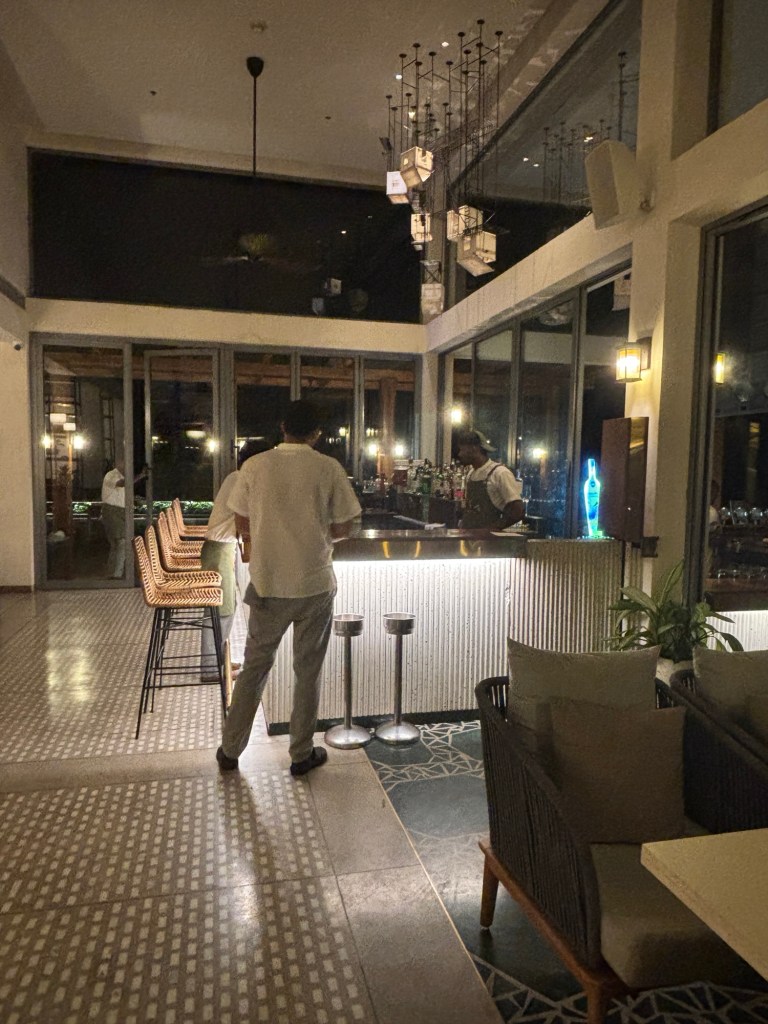
The bar itself looked rather tempting—well-stocked, well-lit, and well-prepared to fix whatever stress life had thrown at us during the week. The space is smartly utilized, avoiding the usual restaurant sin of cramming in too many tables just to maximize covers. It’s cozy but not claustrophobic.

The View: A Million-Dollar Panorama (For the Price of a Cocktail)

Now, let’s talk about the view—because Feri is not just about aesthetics inside but also beyond. The place overlooks the Panjim riverscape, and at night, the boats, casinos, and distant lights shimmer like Goa itself decided to dress up for the evening. You sit back, drink in hand, and suddenly, you’re not just out for dinner—you’re having a cinematic moment.

The Food: Small Bites, Big Surprises

We’re not here for a ten-course tasting menu; this is a bar first, a restaurant second, so naturally, the food leans towards snacks that pair beautifully with a drink. We ordered the Spring Chicken, and let me tell you, it turned out to be one of those “Oh wow, I wasn’t expecting this” moments. It came with poie bread, which sounds far more hipster than it tastes—it was just good, comforting, and surprisingly refined.

Spring Chicken

Then came the potato wedges (because if you don’t order potatoes with your drinks, are you even living?) and the cheesy jalapeño pops, which felt like the edible version of a warm blanket on a rainy day—simple, satisfying, and just spicy enough to keep things interesting. If you’re looking for a full-fledged Goan seafood feast, you’ll be barking up the wrong tree, but if you understand the assignment—good drinks, great nibbles, and zero stress—this place absolutely delivers.

Potato Wedges
Cheesy Jalapeño Pops

Drinks & Vibe: Good Tunes, Good Booze, and a Curious Lack of People

The drinks were solid, mixed with just the right amount of flair but not the over-the-top “look at me!” dramatics of a bartender who thinks he’s auditioning for a Netflix mixology show. They hit the sweet spot between well-made and strong enough to make you linger over conversations rather than just gulp and order the next round.

The vibe? Chilled, relaxed, and curiously empty. Aside from one other couple in the corner, the place was surprisingly quiet. And this, my friends, is what truly baffles me about Goa.

Why do people insist on queuing up for overcrowded, overhyped bars, when little gems like Ferry exist? Is it some strange psychological need to be where everyone else is? Do people fear the silence of a peaceful evening? Or is it simply because places like this don’t scream for attention?

Final Thoughts: The Hidden Gem Dilemma

We had a fantastic time here. The kind of time that makes you want to tell everyone about it—but also not tell too many people because you want it to stay exactly the way it is.

So, should you visit Feri Bar?

Yes. Absolutely. But only if you appreciate good views, great drinks, and a peaceful escape from Goa’s usual chaos.

And if you’re the kind of person who needs a crowd to feel like you’re having fun?

Well, there’s a neon-lit, overcrowded club somewhere with your name on it. We’ll be here, enjoying the view.

Festival Branding: How to Make Your Festival the Main Event

Imagine a festival so well-branded that even if you blindfolded someone, dropped them in the middle of the crowd, and muted all the sounds—they’d still know exactly where they were. That’s the power of festival branding. It’s not just about slapping a cool logo on a banner; it’s about creating an identity so strong that people feel the vibe before they even step in.

From Coachella’s Insta-perfect aesthetic to Diwali’s glow-up in marketing campaigns, festival branding has become a powerful tool to attract audiences, create massive FOMO, and—let’s be real—sell more tickets and merch.

So, let’s dive into the art and science of festival branding—what it is, why it matters, and the best examples from around the world. Buckle up, this is going to be a ride as colorful as Holi and as loud as Tomorrowland!

What is Festival Branding?

Festival branding is the process of creating a strong, unique identity for a festival using visuals, music, storytelling, merchandise, digital presence, and on-ground experiences. It’s what makes Burning Man feel like a spiritual awakening, Oktoberfest feel like a Bavarian dream, and Sunburn feel like Goa’s heartbeat.

Good festival branding ensures that people don’t just attend—they become loyal fans, evangelists, and most importantly, repeat attendees.

What Makes a Festival’s Brand Identity?

Logo & Aesthetic – Think Coachella’s dreamy pink and blue hues.

Slogan & Messaging – “Tomorrowland: Live Today, Love Tomorrow, Unite Forever.”

Music & Sound – The instantly recognizable beats of Ultra Music Festival.

Experiential Marketing – Burning Man’s larger-than-life art installations.

Social Media & Digital Presence – A killer Instagram strategy, epic FOMO marketing.

Merchandising – Hoodies, caps, and even NFT drops (yes, it’s a thing now).

Festival branding is what turns an event into a cultural phenomenon.

How to Do Festival Branding (And Why It’s Necessary!)

Now, let’s get to the fun part—how do you actually brand a festival?

1. Build a Strong Visual Identity

People should recognize your festival just by the colors, fonts, and design. Think about the neon, futuristic branding of Tomorrowland versus the soft, indie-boho aesthetic of Coachella. Each festival has its own visual language.

2. Craft an Unforgettable Narrative

Your festival needs a story. Why does it exist? What’s the vibe? Who is it for? Burning Man is about self-expression and art, whereas Comic-Con is a geek paradise. The story makes people feel connected.

3. Use Social Media Like a Boss

Festivals today live and die on Instagram, TikTok, and Twitter. The goal? Generate FOMO. If people don’t feel like they’re missing out, you’ve already lost.

4. Offer Killer Merch

A festival without merch is like Diwali without sweets—something’s missing. Think of Glastonbury’s classic band tees or Sunburn’s neon hoodies. Good merch turns attendees into walking billboards for your brand.

5. Create a Multi-Sensory Experience

Great festivals don’t just look good; they feel, sound, and even smell amazing. Have a signature scent (yes, that’s a thing), a specific sound cue, or mind-blowing stage designs.

6. Collaborate with Big Brands

The best festival branding happens when major brands jump in on the action. Pepsi sponsoring music festivals? Check. Red Bull owning extreme sports festivals? Genius.

7. Make it Exclusive

Limited-edition tickets, secret parties, VIP sections—people love feeling special.

10 Global Case Studies of Festival Branding

1. Coachella (USA) – The Instagram Dream

Coachella isn’t just a festival—it’s a fashion trend, a social media movement, and an influencer paradise. The desert-based music festival has nailed branding by making every inch of its experience Instagrammable.

Branding Secrets:

✅ Signature Aesthetic – Soft pastels, dreamy desert hues, boho-chic fashion.

✅ Influencer Power – Top celebrities and influencers make it a must-attend event.

✅ Social Media FOMO – The first weekend is the place to be; the second weekend is for those who couldn’t make it.

✅ Limited-Edition Merch – Exclusive collaborations with brands like Adidas and H&M.

2. Tomorrowland (Belgium) – The Fantasy World of Music

Tomorrowland isn’t just a music festival; it’s a story-driven fantasy world. Every edition has a theme, and they go all out to make attendees feel like they’ve entered another universe.

Branding Secrets:

✅ A Thematic Experience – Each year brings a new magical world (e.g., ‘The Book of Wisdom’).

✅ Mind-Blowing Stage Designs – Gigantic, otherworldly sets that make it more than just a concert.

✅ Exclusive Tickets & Packages – Hard-to-get tickets that make people desperate to attend.

✅ Signature Sound & Anthem – A curated electronic music identity that defines the festival.

3. Glastonbury (UK) – The Ultimate Music Pilgrimage

Glastonbury is legendary for its mud, music, and magic. It’s not just about big-name artists; it’s about the experience of camping in a field with thousands of others who share the love of music.

Branding Secrets:

✅ Old-School Cool – Keeps an authentic, grassroots feel despite being massive.

✅ Sustainability Focus – Eco-friendly initiatives keep it ahead of the curve.

✅ Festival Culture Over Celebs – Unlike Coachella, Glasto is about the music, not the influencers.

✅ No Ads, Only Legacy – No sponsorships, just pure cultural credibility.

4. SXSW (USA) – The Innovation Festival

South by Southwest (SXSW) is more than a festival—it’s a cultural and business phenomenon that combines music, film, and tech.

Branding Secrets:

✅ Innovation Hub – A platform for startups, creatives, and tech disruptors.

✅ Crossover Appeal – Where Hollywood, Silicon Valley, and the music industry collide.

✅ Early Adopter Playground – The place where trends and game-changing ideas launch.

5. Oktoberfest (Germany) – The Beer Festival with a Brand

Oktoberfest isn’t just a beer festival—it’s THE beer festival. Over 6 million visitors flock to Munich every year to drink, dance, and dress in traditional Bavarian attire.

Branding Secrets:

✅ Traditional Yet Global – Keeps Bavarian culture at the core but attracts the world.

✅ Merch Madness – Lederhosen, beer mugs, hats—you name it, they sell it.

✅ ‘Happiest’ Tagline – Reinforces its feel-good, inclusive brand identity.

✅ Festival Experience Over Music – It’s about beer, food, and socializing, not just performances.

6. Burning Man (USA) – The Anti-Festival Festival

Burning Man is where creativity, radical self-expression, and temporary utopia collide.

✔ No corporate sponsorships – True counterculture appeal.

✔ Participation-driven – No spectators, only participants.

✔ Unique aesthetic – The desert, art, and community-driven culture.

7. Rio Carnival (Brazil) – The World’s Biggest Party

A riot of colors, culture, and samba, making it a global tourism phenomenon.

✔ Unmatched visual identity – Samba dancers, costumes, and street parties.

✔ City-wide engagement – The whole of Rio turns into a stage.

✔ Live-streaming & worldwide coverage – Making the world want to join in.

8. Cannes Film Festival (France) – The Festival of Prestige

From red carpets to elite networking, Cannes is the gold standard of film festivals.

✔ Exclusive & aspirational branding – If your film gets into Cannes, you’ve made it.

✔ The world’s biggest fashion moment – The red carpet isn’t just for movies.

✔ High-end sponsorships – Luxury brands flock here.

9. La Tomatina (Spain) – A Viral Sensation

A tomato-throwing festival turned into one of Spain’s biggest global attractions.

✔ Pure visual spectacle – Who wouldn’t want to join a giant food fight?

✔ Global tourism driver – Tourists from all over the world participate.

✔ Clever marketing & movies – Even Bollywood films have promoted it.

10. Edinburgh Fringe Festival (Scotland) – The Comedy Capital

The world’s biggest arts festival, where comedy and theatre thrive.

✔ No barriers to entry – Any artist can participate.

✔ A launchpad for stars – Big names like John Oliver started here.

✔ City-wide branding – The whole of Edinburgh transforms.

Best Indian Case Studies of Festival Branding

1. Sunburn (India) – The EDM Capital of Asia

Sunburn started as a Goan EDM festival and has now grown into a multi-city music brand.

Branding Secrets:

✅ Vibrant, Youth-Centric Aesthetic – Neon, EDM vibes, and an energetic look.

✅ Aggressive Social Media Marketing – Engaging countdowns, behind-the-scenes content, and influencer collaborations.

✅ Merchandise & Lifestyle Integration – Sunburn is more than a festival; it’s a brand you wear.

✅ Festival Expansion – Taking Sunburn to different cities across India amplified its reach.

2. Jaipur Literature Festival – The Intellectual Carnival

The Jaipur Literature Festival (JLF) is not your average festival—it’s where book lovers, intellectuals, and celebrities converge.

Branding Secrets:

✅ Elite Yet Accessible – High-brow discussions with a festival-like energy.

✅ Beautiful Visual Identity – Traditional Rajasthani designs mixed with modern aesthetics.

✅ Global Presence – JLF editions now happen in the US, UK, and other countries.

3. NH7 Weekender – The Happiest Music Festival

This indie music festival has built a cult following with its quirky, community-driven branding.

Branding Secrets:

✅ DIY Aesthetic – A fun, grassroots visual vibe.

✅ Loyal Fanbase – People return not just for the artists, but for the experience.

4. Hornbill Festival (Nagaland) – The Festival of Festivals

Nagaland’s Hornbill Festival is a brilliant example of culture-driven branding.

Branding Secrets:

✅ Authentic Cultural Storytelling – Celebrates Naga heritage in an immersive way.

✅ Destination Marketing – Positions Nagaland as a must-visit during the festival.

✅ Visual Identity – A distinct mix of tribal motifs and vibrant aesthetics.

5. Durga Puja (Kolkata) – The Ultimate Cultural Brand

Durga Puja isn’t a ‘festival’ in Kolkata—it’s a way of life. The branding around it has evolved into a global showcase of Bengal’s art, culture, and traditions.

Branding Secrets:

✅ Thematic Pandals & Storytelling – No two Durga Puja pandals look the same, making each one a branded experience.

✅ Massive Social Media Presence – Hashtags like #DurgaPujaDiaries trend worldwide.

✅ Luxury Brand Collaborations – Fashion brands tap into the Durga Puja spirit with special collections.

6. Rann Utsav (Gujarat) – Branding a Desert

A festival that transformed Rann of Kutch into a must-visit destination.

7. Ziro Festival (Arunachal Pradesh) – Music Meets Nature

A sustainability-focused indie music festival in the hills.

8. Goa Carnival – Where Tourism Meets Festivity

An explosion of Portuguese heritage, music, and dance.

9. Pushkar Camel Fair – Selling Culture Like an Experience

A camel fair turned into a global festival with storytelling.

10. Dubai Shopping Festival (Adopted by Indian Retailers)

Though it started in Dubai, Indian brands have leveraged DSF-style discounts to drive festival sales.

Key Takeaways of Festival Branding

• Create a Distinct Identity – Festivals must have a unique look, feel, and vibe.

• Tell a Compelling Story – Whether it’s music, culture, or books, a strong narrative makes people care.

• Make it Social Media-Friendly – If your festival isn’t trending, it’s losing attention.

• Use Merch to Build Hype – People love wearing their favorite festival’s brand.

• Expand Strategically – Multi-city or international versions can amplify reach.

Conclusion: Festivals Are Brands, Not Just Events

The best festivals become bigger than their lineups, their location, and even their original purpose. They evolve into global brands, where people go not just for the event—but for the experience.

Want your festival to be legendary? Build a brand, not just a party.

Sonic Boom: How Aural or Audio Branding Can Make Your Brand Sing (Literally!)

Imagine walking into a store, and before you even see the products, a familiar jingle plays—suddenly, you’re humming along. Or think about unlocking your phone and that signature “ding” makes you feel right at home. Ever wondered why the Netflix Tudum gives you an instant dopamine hit?

That, my friend, is the magic of Aural Branding—also known as Sonic Branding or Audio Branding—where brands don’t just talk to you; they sing, chime, and whisper their way into your subconscious.

In a world overloaded with visuals, sound has become the secret weapon of branding. Let’s dive into the soundwaves of branding brilliance and uncover how you can make your brand heard (and remembered!).

What is Aural, Sonic, or Audio Branding?

Simply put, Aural Branding is the strategic use of sound and music to create a unique brand identity. Just like a logo or color scheme, a brand’s sonic signature becomes its audio DNA—instantly recognizable and emotionally powerful.

It can be:

✅ A jingle (McDonald’s “I’m Lovin’ It”)

✅ A sound logo (Intel’s iconic “Bong” sound)

✅ A brand theme song (Coca-Cola’s “Taste the Feeling”)

✅ A UI sound (WhatsApp’s message ping)

✅ A narrative voice (Amitabh Bachchan’s deep baritone for Navratna Oil or Morgan Freeman for Visa)

In short, if your brand had a soundtrack, what would it be?

How to Create Aural Branding That Strikes a Chord

So, how do you turn sound into a branding superpower? Here’s a step-by-step guide:

1. Define Your Brand’s Sound Personality

Just like your brand has a tone of voice, it also needs a tone of sound. Are you luxury (deep, smooth, elegant sounds)? Are you playful (light, bubbly, quirky beats)? Are you futuristic (synths, AI-driven sounds)?

💡 Pro Tip: Close your eyes and imagine your brand as a song. What instruments are playing? Is it jazzy, orchestral, electronic, or minimalistic? That’s your starting point!

2. Create a Sonic Logo

A sonic logo is like a brand’s mic-drop moment—short, sharp, and instantly recognizable. Think Netflix’s “Tudum” or Intel’s five-note chime. Work with a sound designer to craft something catchy, yet simple.

🎵 Exercise: Try saying “Ding-ding-ding!” like Intel. Bet you just did it right!

3. Craft a Jingle (Optional, but Iconic!)

Jingles may seem old-school, but they stick. If you don’t believe it, sing “Ba da ba ba ba… I’m lovin’ it.” Yep, McDonald’s nailed it.

Jingles work because they combine melody with messaging—like a brain tattoo. But make sure it’s fresh, not cheesy (unless you’re selling cheese, then go wild).

4. Implement Sonic Branding Across Touchpoints

Where should your brand’s sound live? Everywhere!

🔊 Ads & commercials

🔊 Apps & UI sounds

🔊 Product interactions (startup sounds, notification pings)

🔊 Events & stores (background music, welcome tones)

Seamless, multi-sensory branding = memorable brand experiences.

5. Keep It Consistent

Once you have a sound, own it. The more people hear it, the more they associate it with you. Keep it consistent across all platforms, tweak it for different moods, but don’t reinvent the wheel (or soundwave).

Case Studies: Brands That Mastered Aural Branding

Let’s talk about the brands that made your ears their playground.

Global Brands

1. Netflix – “Tudum”

That deep, cinematic Tudum before every show? It’s only three seconds, but it’s powerful enough to trigger instant excitement. Netflix even explored adding a heartbeat before it but kept it short and punchy instead. Smart move!

2. Intel – The Five-Note Chime

Intel’s “Bong” sound is so iconic that even non-tech people recognize it. This simple sequence of five notes creates a techy, futuristic feel that aligns perfectly with their brand.

3. McDonald’s – “I’m Lovin’ It” Jingle

Launched in 2003, this jingle is the most successful fast-food branding tune ever. The genius? It’s not just a melody; it’s a marketing campaign in a soundbite. They don’t even need to say “McDonald’s” anymore—you just know.

4. Apple – The Startup Chime

Turn on any Mac, and that iconic startup sound plays. It’s reassuring, premium, and unmistakable. Apple even trademarked it!

5. BMW – The Car Door Chime

BMW engineered a subtle, high-quality chime when you open its car doors—because even a beep can feel luxurious when done right.

Indian Brands

1. Airtel – AR Rahman’s Tune

Airtel’s 2002 tune, composed by AR Rahman, is one of India’s most recognized jingles. Even two decades later, it’s synonymous with the brand.

2. Kingfisher – “Oo La La La Le O”

This peppy tune became an earworm and perfectly represented Kingfisher’s fun, vibrant, and youthful brand personality.

3. Britannia – “Ting Ting Ti Ting”

That small, simple “Ting Ting Ti Ting” sound at the end of Britannia ads is proof that even a short sonic signature can become legendary.

4. Tata Sky – “Poochne Mein Kya Jaata Hai

The catchy background music combined with the memorable tagline ensured Tata Sky became a household name.

5. Nirma – “Washing Powder Nirma

Try saying “Washing Powder Nirma” without singing it. You can’t. This jingle is the gold standard of audio branding in India.

Key Takeaways: Sounding Off the Right Way

✔ Sound is Branding Gold – Aural branding builds deep emotional connections.

✔ Less is More – Simple, short, and distinctive sounds work best.

✔ Jingles Still Rule – If done right, they become unstoppable earworms.

✔ Sonic Logos Are a Must – Make it unique, memorable, and on-brand.

✔ Integration is Key – Use sound consistently across ads, apps, products, and stores.

Conclusion: Make Your Brand Heard (Literally!)

In a world where brands are fighting for attention, sound gives you an unfair advantage. It’s psychological, emotional, and instantly recognizable. Your audience may scroll past your logo, but they won’t ignore a sound that triggers nostalgia, excitement, or trust.

So, the big question is: What does your brand sound like?

If the answer is silence, it’s time to turn up the volume and let your brand be heard!

Destination Rebranding: How to Give a Place a Glow-Up (Without a Filter!)

Imagine this: You’re a beautiful, historic, culturally rich destination. But no one visits you. People think you’re outdated, boring, or worse—unsafe. Meanwhile, your flashy neighbor (let’s call it Paris) is stealing all the attention. What do you do? You rebrand!

Welcome to the fascinating world of destination rebranding, where cities, countries, and entire regions undergo a PR makeover to change perceptions, attract visitors, and sometimes, completely rewrite their identity.

In this blog, we’ll explore:

✔ What destination rebranding is (and why it’s like a midlife crisis—but in a good way)

✔ Why places rebrand (hint: nobody wants to be “that” destination)

✔ How to do it right (without looking desperate)

✔ 10 epic destination glow-ups (with their killer campaigns)

✔ Key takeaways for a destination that needs an image boost

Let’s dive in!

What is Destination Rebranding?

Think of destination rebranding like a travel influencer’s Instagram feed—one day, they’re all about Bali’s beaches, the next, they’re hiking in Patagonia. The vibe, messaging, and audience shift, but the goal remains the same: Get noticed. Get loved. Get visited.

Essentially, rebranding a destination means changing how people perceive it. This can include:

• A new logo, slogan, and visuals

• A fresh marketing campaign

• Targeting a different audience

• Revamping infrastructure to match the new image

• Cleaning up reputational messes (we’re looking at you, cities once known for crime and pollution!)

Some places do it subtly, while others go all out—think “Las Vegas: What Happens Here, Stays Here.” That’s branding genius at work!

Why Do Destinations Rebrand?

There’s always a reason behind a rebrand, and usually, it’s one (or more) of these:

1. Outdated Image Syndrome

• Some places are stuck in the past. (Looking at you, cities still advertising with brochures from the ‘90s!)

• Example: Dubai—once a sleepy desert trading hub, now a futuristic tourism powerhouse.

2. Damage Control

• A destination’s reputation takes a hit due to crime, natural disasters, or negative press.

• Example: Colombia—once known for cartels, now a rising hotspot for adventure travel.

3. Too Much of One Thing

• Places famous for a single attraction might rebrand to highlight new experiences.

• Example: Amsterdam—moving away from its “red-light district” reputation to focus on arts and culture.

4. Targeting New Travelers

• Want millennials? Rebrand. Need luxury tourists? Rebrand. Looking for eco-conscious travelers? You know what to do.

• Example: Costa Rica—rebranded as an eco-tourism haven.

5. Major Events Coming Up

• Hosting a World Cup? An Olympics? You better look good!

• Example: South Africa before the 2010 FIFA World Cup—total rebrand!

How to Rebrand a Destination Effectively

Rebranding isn’t just slapping a new logo on a city and hoping for the best. Here’s how to do it right:

1. Understand What’s Wrong

Before you fix an image, you need to know what’s broken. Conduct surveys, analyze tourist data, and monitor social media chatter.

2. Find Your Unique Selling Point (USP)

Every place has something special. Whether it’s food, history, nature, or nightlife—highlight what makes you different.

3. Create a Killer Campaign

A strong tagline, stunning visuals, and a clear message are key. (Bonus points if it goes viral!).

4. Improve Infrastructure & Experience

No one likes a place that looks great in ads but feels disappointing in person. Fix roads, improve public spaces, and enhance tourist experiences.

5. Engage Locals

If your own residents aren’t excited about the rebrand, neither will visitors be. Make sure locals are part of the journey!

6. Use Influencers & Social Media

Because let’s be honest—if it’s not on Instagram, did it even happen?

Epic Destination Rebranding Success Stories

1. Colombia: From Cartels to Culture

The Problem

In the 1980s and 1990s, Colombia was synonymous with drug cartels, violence, and kidnappings. Shows like Narcos reinforced this dark image, scaring off potential tourists. Even after the country improved, the stigma remained.

The Rebrand

Colombia launched an aggressive tourism campaign to highlight its vibrant cities, adventure tourism, and warm hospitality.

Tagline: “Colombia: The Only Risk is Wanting to Stay.”

What Worked:

• Promoted adventure tourism (hiking, diving, coffee plantations).

• Focused on cultural gems like Medellín’s street art and Cartagena’s colonial charm.

• Highlighted safety improvements, reducing crime rates significantly.

The Result

From under 600,000 tourists in 2000 to over 4 million in 2019. Today, Medellín is considered one of the most innovative cities in the world.

Old Perception: Dangerous, drug cartels, unsafe.

New Image: Vibrant, colorful, adventure-packed paradise.

Campaign: “Colombia: The Only Risk is Wanting to Stay”

What Worked: Focused on adventure tourism, street art, coffee culture, and improved safety.

2. Dubai: From Desert to Dream City

The Problem

Dubai was once a small desert town known for its oil economy, lacking any major global tourism appeal.

The Rebrand

Dubai decided to position itself as the ultimate luxury and innovation hub.

Tagline: “Definitely Dubai.”

What Worked:

• Constructed iconic landmarks (Burj Khalifa, Palm Jumeirah).

• Focused on luxury tourism, with extravagant hotels like the Burj Al Arab.

• Hosted world-class events like Expo 2020 and the Dubai Shopping Festival.

The Result

Dubai now welcomes over 16 million tourists annually, becoming one of the most visited cities in the world.

Old Perception: Barren desert, oil economy.

New Image: Luxury, innovation, and world-class tourism.

Campaign: “Definitely Dubai”

What Worked: Futuristic attractions (Burj Khalifa, Palm Jumeirah), world-class events, and global marketing.

3. Amsterdam: Beyond the Red Lights

The Problem

Amsterdam was widely perceived as a party city—known for its red-light district, cannabis culture, and rowdy tourists.

The Rebrand

The city wanted to attract a more cultured and responsible audience.

Tagline: “I amsterdam.”

What Worked:

• Shifted focus to museums, arts, and sustainability.

• Restricted mass tourism by discouraging excessive stag parties.

• Promoted biking culture and eco-friendly travel.

The Result

A shift from backpackers to a more diverse set of travelers interested in history, art, and lifestyle.

Old Perception: Party city, weed tourism, stag parties.

New Image: Cultural, artistic, sustainable.

Campaign: “I amsterdam”

What worked : Biking culture, and local experiences while cracking down on nuisance tourism.

4. New Zealand: The Middle-Earth Magic

The Problem

New Zealand was often overlooked as a small, remote island without much global appeal.

The Rebrand

With the help of The Lord of the Rings franchise, New Zealand embraced its fantasy landscapes and adventure tourism.

Tagline: “100% Pure New Zealand.”

What Worked:

• Leveraged Hobbiton and Middle-Earth tourism.

• Promoted extreme sports (bungee jumping, skydiving).

• Highlighted eco-tourism and conservation.

The Result

Tourism jumped from 1.8 million in 2000 to over 4 million before the pandemic.

Old Perception: A quiet island nation.

New Image: The adventure capital of the world.

Campaign: “100% Pure New Zealand”

What Worked: Leveraged The Lord of the Rings fame, focused on nature and adventure sports.

5. South Africa: A World Cup Win

The Problem

South Africa struggled with negative perceptions of crime and post-apartheid instability.

The Rebrand

Hosting the 2010 FIFA World Cup helped change South Africa’s image to one of diversity, sport, and adventure.

Tagline: “Alive with Possibility.”

What Worked:

• Used the World Cup as a global marketing platform.

• Focused on wildlife tourism (Kruger National Park).

• Promoted Cape Town’s beauty and Johannesburg’s urban revival.

The Result

South Africa’s tourism industry boomed post-2010, with an increase in international arrivals by 200%.

Old Perception: Crime-ridden, apartheid history.

New Image: Sport, wildlife, and culture hub.

Campaign: “Alive with Possibility”

What Worked: World Cup hosting boosted tourism and confidence.

6. Iceland: From Crisis to Tourism Boom

The Problem

Before the 2008 financial crisis, Iceland was seen as expensive and unapproachable.

The Rebrand

With its economy in trouble, Iceland turned to tourism as a savior.

Tagline: “Inspired by Iceland.”

What Worked:

• Launched a viral social media campaign featuring locals.

• Focused on natural wonders (Northern Lights, Blue Lagoon).

• Encouraged budget airlines to offer stopover deals.

The Result

Tourism skyrocketed from 500,000 visitors in 2010 to 2.3 million by 2019.

Old Perception: Cold, remote, expensive.

New Image: Hip, Instagrammable, nature-packed escape.

Campaign: “Inspired by Iceland”

What Worked: Viral marketing, social media campaigns, and influencer collaborations.

7. Las Vegas: The Ultimate Party Rebrand

The Problem

Las Vegas was primarily marketed as a gambling hub, but as interest in casinos declined among younger generations, the city needed to broaden its appeal.

The Rebrand

Vegas expanded beyond casinos, positioning itself as an entertainment and experience-driven destination.

Tagline: “What Happens Here, Stays Here.”

What Worked:

• Focused on live entertainment (Cirque du Soleil, music residencies).

• Promoted high-end dining and nightlife beyond just casinos.

• Built family-friendly attractions (The High Roller, The Sphere).

The Result

Tourism rebounded, attracting younger audiences with music festivals, sports events, and luxury experiences.

Old Perception: Mafia town, gambling hub.

New Image: Entertainment capital of the world.

Campaign: “What Happens Here, Stays Here.”

What Worked: Embraced the bad image and turned it into a marketing goldmine.

8. Bhutan: Selling Exclusivity

The Problem

Bhutan, a small Himalayan kingdom, was relatively unknown and lacked mass tourism infrastructure.

The Rebrand

Bhutan rebranded itself as an exclusive, sustainable travel destination, emphasizing its unique “Gross National Happiness” philosophy.

Tagline: “Happiness is a Place.”

What Worked:

• Limited tourism by implementing a high daily visitor tariff ($200–$250 per person).

• Promoted cultural preservation and eco-tourism.

• Highlighted Bhutan’s commitment to being carbon-negative.

The Result

Bhutan positioned itself as a high-value, low-impact travel destination, attracting mindful travelers instead of mass tourism.

Old Perception: Unknown, isolated.

New Image: The last Shangri-La, sustainable tourism paradise.

Campaign: “Happiness is a Place”

What Worked: Limited tourists, high-value experiences, focus on Gross National Happiness.

9. Spain’s Basque Country: Beyond Bullfights and Beaches

The Problem

Spain’s Basque Country was once associated with ETA separatist violence and overshadowed by cities like Madrid and Barcelona.

The Rebrand

The region focused on its culinary excellence, modern architecture, and rich culture.

Tagline: “Basque Country: A Different Spain.”

What Worked:

• Highlighted Michelin-starred restaurants in San Sebastián.

• Showcased the Guggenheim Museum in Bilbao as a cultural landmark.

• Emphasized its surf-friendly coastline and green landscapes.

The Result

Basque Country now attracts foodies, art lovers, and adventure travelers, distinguishing itself from the rest of Spain.

10. Peru: From Ruins to Riches

Old Perception: Only about Machu Picchu.

New Image: Culinary and cultural hotspot.

Campaign: “Peru, the Richest Country in the World”

What Worked: Promoted Peruvian cuisine, cultural heritage, and adventure tourism.

11. Japan: From Workaholic Image to Cool Cultural Hub

The Problem

Japan was often viewed as a corporate, rigid, and expensive destination.

The Rebrand

Japan embraced its pop culture, heritage, and futuristic appeal to attract younger and more diverse travelers.

Tagline: “Japan. Endless Discovery.”

What Worked:

• Leveraged anime, gaming, and pop culture (Akihabara, Studio Ghibli).

• Promoted historical and natural sites (Kyoto, Mt. Fuji).

• Introduced visa-free travel and affordable transport options.

The Result

Japan’s tourism soared from 8 million visitors in 2012 to 32 million by 2019.

Key Takeaways for an Effective Destination Rebrand

✅ Fix the problems first. No amount of marketing can hide bad infrastructure or safety concerns.

✅ Find your unique identity. Don’t copy another destination—highlight what makes you special.

✅ Create a bold, memorable campaign. A great slogan + strong visuals = winning formula.

✅ Leverage social media and influencers. Because let’s face it—word of mouth is digital now.

✅ Make sure locals love it too. Happy residents = happy tourists.

So, is your city or country in need of a rebrand? Time to give it the glow-up it deserves!

What’s your favorite destination rebrand? Let’s chat in the comments! 🚀

The Most Controversial Marketing Campaigns That Went Spectacularly Wrong

Let’s face it—marketing is a tricky game. One moment, you’re riding high on the creative genius train, and the next, you’re a viral meme for all the wrong reasons. Some ad campaigns are remembered for their brilliance, others for their cringe-worthy blunders, and then there are those special ones—the controversial gems that leave us wondering, “Who greenlit this?!”

From tone-deaf taglines to jaw-dropping visuals that missed the mark by a mile, these campaigns have one thing in common: they made headlines for all the wrong reasons. But hey, what’s a little global outrage if it gets people talking, right?

So, grab your popcorn (or a Pepsi, if you dare), and let’s dive into the most eyebrow-raising, jaw-dropping, “I-can’t-believe-they-did-that” marketing disasters of recent years. If nothing else, these examples are proof that in the wild world of advertising, there’s a fine line between bold and bonkers. Buckle up—it’s going to be a controversial ride!

Here are some notable examples of marketing campaigns that sparked controversy, either due to poor judgment, insensitivity, or miscommunication. These examples serve as cautionary tales for brands trying to walk the fine line between bold and offensive.

1. Pepsi’s Kendall Jenner Ad (2017)

What Happened:

Pepsi released an ad starring Kendall Jenner, where she joined a protest and handed a police officer a Pepsi as a gesture of peace. The ad was meant to evoke unity but instead trivialized serious social justice movements like Black Lives Matter.

Why It Backfired:

The ad was accused of co-opting activism for profit, portraying a complex issue with superficial and tone-deaf imagery. The idea that a soft drink could solve societal divides was seen as laughable and insulting. Pepsi quickly pulled the ad and issued an apology.

Takeaway:

Don’t oversimplify or exploit social issues for branding. Authenticity and sensitivity are key when tackling serious topics.

2. Dove’s “Body Wash Transformation” Ad (2017)

What Happened:

Dove posted an ad showing a Black woman removing her shirt to reveal a white woman underneath, followed by another woman. The implication of transformation from “dirty” to “clean” angered audiences, who saw it as reinforcing racial stereotypes.

Why It Backfired:

The visual framing appeared to equate skin tone with cleanliness. While Dove claimed the ad was meant to celebrate diversity, it failed to consider how its imagery would be interpreted.

Takeaway:

Diversity campaigns need to be carefully reviewed for unintended implications. Representation matters, but it must be handled thoughtfully.

3. Burger King’s “Women Belong in the Kitchen” Tweet (2021)

What Happened:

Burger King UK tweeted, “Women belong in the kitchen,” as part of a campaign to promote scholarships for women in the culinary arts. However, the tweet was posted without context, sparking outrage.

Why It Backfired:

The provocative headline came off as sexist when stripped of its intended context. Even though the subsequent tweets explained the scholarship initiative, the initial shock value alienated many.

Takeaway

Clickbait can backfire. If your campaign relies on context, make sure it’s immediately clear. Nuance is often lost in the fast-paced world of social media.

4. H&M’s “Coolest Monkey in the Jungle” Hoodie (2018)

What Happened:

H&M faced backlash for featuring a Black child wearing a hoodie with the phrase “Coolest Monkey in the Jungle” in an ad. Critics called out the racist connotations and lack of cultural sensitivity.

Why It Backfired:

The oversight was seen as a glaring example of systemic racism in advertising. The brand faced boycotts, and high-profile figures like The Weeknd cut ties with H&M.

Takeaway:

Cultural sensitivity is non-negotiable. Diverse teams and thorough reviews can help prevent tone-deaf decisions.

5. Heineken’s “Lighter is Better” Ad (2018)

What Happened:

Heineken released an ad where a bartender slides a beer past several Black people to a lighter-skinned woman, accompanied by the tagline “Sometimes, lighter is better.”

Why It Backfired:

The ad was widely criticized for its racial undertones, with many interpreting the tagline as promoting colorism. Even though Heineken claimed the message referred to the beer’s low-calorie nature, the damage was done.

Takeaway:

Be aware of how visual and verbal elements interact. Seemingly innocuous phrases can take on harmful meanings in the wrong context.

6. Gillette’s “The Best Men Can Be” Campaign (2019)

What Happened:

Gillette launched a campaign addressing toxic masculinity, showing men correcting bad behavior and standing up against harassment. While praised by some, it also sparked backlash from those who felt it stereotyped all men as toxic.

Why It Backfired:

Some viewers saw the ad as preachy and alienating, accusing the brand of pandering and virtue signaling. This polarizing response led to debates about whether the campaign hurt or helped the brand.

Takeaway:

When addressing cultural issues, expect divided opinions. Brands need to be prepared to defend their stance if the message is polarizing.

7. Kendall and Kylie’s “Vintage Band T-Shirts” (2017)

What Happened:

The Jenner sisters launched a line of T-shirts featuring their faces superimposed over iconic band logos, including those of The Notorious B.I.G. and Tupac.

Why It Backfired:

The move was seen as disrespectful to the legacy of the artists. Biggie’s estate even called the merchandise “exploitation at its worst.” The shirts were pulled following backlash.

Takeaway:

When using iconic imagery, always get permissions and consider the cultural significance. Missteps here can quickly become PR disasters.

8. Urban Outfitters’ “Kent State Sweatshirt” (2014)

What Happened:

Urban Outfitters released a “vintage” sweatshirt featuring the Kent State University logo with what appeared to be bloodstains. The design evoked memories of the tragic 1970 Kent State shooting, where four students were killed during a protest.

Why It Backfired:

The public found the sweatshirt tasteless and exploitative. Urban Outfitters claimed the stains were unintentional, but the damage was already done.

Takeaway

Historical references should be handled with care. Brands should avoid anything that could be interpreted as mocking or trivializing tragedies.

9. Peloton’s Holiday Ad (2019)

What Happened:

Peloton released an ad showing a woman documenting her year of fitness after receiving a Peloton bike from her husband. Critics labeled the ad sexist, suggesting it portrayed a husband pressuring his wife to lose weight.

Why It Backfired:

The portrayal felt out of touch with modern values, and many viewers criticized the ad as tone-deaf. The backlash sparked memes and parodies, turning Peloton into the butt of jokes.

Takeaway:

When depicting relationships, ensure the messaging aligns with evolving cultural norms. Avoid anything that could be seen as reinforcing outdated gender roles.

10. Sony’s “White PSP” Ad (2006)

What Happened:

Sony promoted its white PSP with an ad showing a white woman grabbing a Black woman’s face, accompanied by the tagline “White is coming.”

Why It Backfired:

The imagery was widely criticized as racist and offensive, with many questioning how it even made it past Sony’s marketing team. The ad was pulled shortly after its release.

Takeaway:

Controversial imagery is rarely worth the risk. Test campaigns with diverse audiences to catch problematic messaging before it’s too late.

Conclusion

These examples remind us that marketing is a high-stakes game. The line between edgy and offensive is razor-thin, and brands must tread carefully. Whether it’s cultural insensitivity, poor timing, or a complete lack of awareness, the consequences of a misstep can be devastating.

The golden rule? Think twice, consult diverse perspectives, and always, ALWAYS ask: “Could this backfire?” If the answer is yes, it’s probably time to go back to the drawing board.

The Beauty Blunder: YesMadam’s Controversial Marketing Stunt That Left Everyone in Shock

What happens when a beauty startup tries to highlight workplace stress with a marketing stunt that hits too close to home? You get YesMadam’s mass layoff-that-never-was debacle. Buckle up, because this story has all the makings of a wild Netflix drama: shocking twists, a PR nightmare, and a whole lot of “what were they thinking?”

Let’s break it down.

Who Is YesMadam?

First, a little background on our protagonist: YesMadam. If you’re imagining a posh butler with a towel draped over his arm, let’s set the record straight. YesMadam is an Indian beauty and wellness startup that launched in 2016. Think beauty-on-demand. They offer a wide range of at-home salon services—from facials to massages—all booked through their app or website. Basically, they’re here to bring the spa experience to your living room while saving you the hassle of battling traffic or bad salon lighting.

The brand has grown steadily in the competitive beauty tech industry, carving out a niche as a customer-focused, convenience-driven service. But, as you’ll soon see, their recent marketing stunt has made them infamous for more than just glowing skin treatments.

The Controversial Marketing Stunt

Imagine you’re an employee at YesMadam. You’re sipping your morning chai, scrolling through emails, when BAM—you get an official notice saying you’ve been laid off. No warning, no “it’s not you, it’s us,” just a cold, corporate “you’re out.”

This wasn’t a drill. Well, actually, it was.

In an effort to highlight workplace stress (yes, really), YesMadam sent fake layoff emails to employees who had previously indicated in a company survey that they were feeling stressed. The survey itself was pitched as a workplace wellness initiative—a way for the company to understand their employees better. So, naturally, those who answered honestly were greeted with the news that they were fired. How’s that for solving workplace stress?

And here’s the kicker: the stunt went public. Screenshots of the emails began circulating on social media faster than you can say “PR nightmare.”

The Effect of the Stunt

The internet, as you might guess, went absolutely ballistic.

Employees: Some were understandably furious, feeling betrayed by a company they trusted. Others were confused—was this real? Was it a joke? Was this some kind of stress test designed by a sadistic HR team?

Social Media: The public reaction was swift and brutal. Twitter erupted with hashtags like #YesMadamNoThankYou and #FiredByEmail. Memes followed shortly after, with people jokingly updating their LinkedIn bios to “Fake layoff survivor at YesMadam.”

Media Coverage: The stunt made headlines across major outlets, turning a niche beauty brand into a household name for all the wrong reasons. Articles lambasted the company for its “insensitive” approach to addressing mental health, with some even calling for boycotts.

Why Did They Do It?

Believe it or not, there was a reason behind the madness.

According to YesMadam’s CEO, Mayank Arya, the stunt was designed to raise awareness about workplace stress and mental health. The idea was to start a conversation about how job insecurity contributes to anxiety and stress in modern workplaces. In theory, it was meant to be a thought-provoking campaign that sparked dialogue.

Arya later clarified that employees were informed in advance that this was part of a campaign. However, that little detail seems to have gotten lost in the execution—or conveniently omitted when the emails went viral.

In an apology statement, the company admitted they had underestimated how their “awareness campaign” would be received. Because, you know, nothing says “we care about your mental health” like pretending to fire you.

The Consequences of the Stunt

When you play with fire, you’re going to get burned. Here’s how the stunt backfired for YesMadam:

1. Loss of Trust

For employees, this was a massive breach of trust. Even if the layoffs weren’t real, the emotional toll was. Who wants to work for a company that thinks your mental health is fair game for a social experiment?

2. Negative Publicity

While the stunt did achieve one goal—getting people to talk about YesMadam—it did so at the expense of their reputation. Instead of being seen as an innovative beauty startup, they’re now the poster child for what NOT to do in marketing.

3. Customer Backlash

Many customers vowed to stop using YesMadam’s services, arguing that a company so tone-deaf about employee wellbeing couldn’t possibly care about its customers either. Some even left scathing reviews on Google Play and App Store, further damaging the brand’s image.

4. Industry Criticism

Marketing and HR professionals were quick to condemn the stunt as an irresponsible and unethical attempt at gaining attention. It became a cautionary tale in boardrooms across the globe.

Key Takeaways

So, what can we learn from this fiasco?

1. Sensitivity Matters

When dealing with serious issues like mental health and job insecurity, sensitivity is key. A campaign designed to address workplace stress should never cause more stress.

2. Communication Is Crucial

If employees were truly informed about the stunt in advance, that message clearly didn’t reach everyone. Clear and consistent communication could have mitigated some of the backlash.

3. Know Your Audience

What works as a provocative idea in a brainstorming session doesn’t always translate well in the real world. Always consider how your target audience (and your employees) will perceive your campaign.

4. Social Media Is a Double-Edged Sword

YesMadam probably hoped this stunt would go viral for being bold and innovative. Instead, it went viral for being insensitive and cruel. The internet has no mercy, and companies need to tread carefully.

5. Think Long-Term

Sure, this stunt got people talking, but at what cost? A short-term spike in attention isn’t worth long-term damage to your brand’s reputation.

Conclusion

YesMadam’s controversial marketing stunt is a textbook example of how good intentions can go horribly wrong when poorly executed. While the company aimed to spark a conversation about workplace stress, they ended up becoming the topic of a very different conversation—one about tone-deafness and bad PR.

The incident serves as a cautionary tale for brands everywhere: in the quest for virality, don’t lose sight of empathy and common sense. Because at the end of the day, no amount of publicity is worth alienating your employees, customers, and the internet.

So, next time you think about pulling off an “edgy” marketing campaign, just ask yourself: “Is this something YesMadam would do?” If the answer is yes, you might want to reconsider.

FAAS: Friction as a Service – The New Frontier in Marketing

Picture this: You’re trying to buy a pair of sneakers online, but somewhere between picking your size and entering your card details, you give up because—ugh, too much effort. That, my friend, is friction at work. Now imagine a world where friction isn’t just some annoying roadblock; instead, it’s a carefully crafted marketing tool used to influence decisions, enhance brand loyalty, and even make products and services irresistible. Welcome to the world of Friction as a Service (FAAS)—a game-changing (and borderline diabolical) strategy for marketers.

Before you roll your eyes, thinking, “Great, another buzzword,” hear me out. FAAS isn’t about annoying your customers; it’s about strategically using friction to enhance the user experience, create exclusivity, or even increase perceived value. Yes, friction, when used wisely, can actually help brands grow. Buckle up—this blog will take you through the concept, case studies, pros, cons, and everything you need to know about this fascinating marketing tool.

What Is FAAS (Friction as a Service)?

At its core, FAAS is the deliberate use of small obstacles, barriers, or “speed bumps” in the customer journey to drive behavior. It’s the opposite of the “smooth and easy” UX everyone tells you to aim for. Instead of removing every barrier, FAAS introduces controlled friction to:

• Slow down impulsive decision-making (for better long-term choices).

• Make customers feel like they’ve earned something.

• Create an illusion of scarcity or exclusivity.

• Add a layer of excitement or engagement.

Think of it as sprinkling just enough challenge to make things interesting without completely frustrating the user. It’s marketing’s version of a treasure hunt: you have to work for the reward, but that makes it even sweeter.

How Can FAAS Help Marketers?

FAAS is a marketer’s secret weapon for:

1. Boosting Engagement: Controlled friction makes users pause, reflect, and engage with your brand rather than mindlessly scrolling past it.

2. Driving Loyalty: Customers who put effort into earning rewards are more likely to stay loyal. It’s called the “I worked for this, so I value it more” effect (also known as the IKEA effect).

3. Creating Exclusivity: Friction can make your product feel like a members-only club. People love what they can’t easily get.

4. Encouraging Word-of-Mouth: When customers go through an experience that feels unique, they’re more likely to talk about it. (Think: “You HAVE to try this—it’s wild!”).

How FAAS Can Help Products, Services, and Brands Grow

When used strategically, friction can:

• Increase perceived value: Products that aren’t easily accessible are often seen as more valuable (hello, luxury brands).

• Enhance user experience: Wait, friction and “better experience” in the same sentence? Yep. Think of how games use levels—you work a little, win a little, and feel amazing.

• Drive emotional connection: Overcoming friction creates a sense of achievement and a stronger emotional bond with the brand.

• Filter out non-serious users: A bit of friction can separate casual browsers from serious buyers, increasing conversion rates.

Case Studies: Brands Winning with FAAS

1. Supreme: The King of Friction

Ever tried buying a Supreme hoodie? It’s not just shopping—it’s an Olympic sport. Supreme thrives on friction by making its products available only in limited quantities, through exclusive drops, at odd times. The result? Frenzied demand, mile-long lines, and items reselling for 10x their original price.

Takeaway: Controlled scarcity plus a bit of chaos = skyrocketing demand.

2. Duolingo’s Daily Streaks

Duolingo doesn’t make language learning easy—and that’s the point. The app uses streaks and leaderboards to introduce just enough friction to keep users engaged. Skip a day, and you feel the pang of losing your streak. That tiny barrier motivates users to keep coming back.

Takeaway: Add friction to build habits and loyalty.

3. Amazon Prime’s “Wait or Pay” Strategy

Amazon Prime is all about instant gratification—until you choose “no-rush shipping.” By offering incentives (like digital credits) for opting out of fast shipping, Amazon adds a layer of choice friction that benefits both the user and the company.

Takeaway: Give customers a choice, and make friction rewarding.

4. Clubhouse’s Invite-Only Model

Remember when Clubhouse was all the rage? Its invite-only launch created a sense of exclusivity that made everyone want to join. The friction of needing an invite turned it into a status symbol overnight.

Takeaway: Exclusivity, powered by friction, is a growth hack.

5. Nike’s Sneaker Drops

Nike’s SNKRS app turns buying shoes into a competitive game. Limited-edition sneakers are released at random times, and only the fastest fingers win. The app’s friction-filled process—alerts, countdowns, and lotteries—creates hype and loyalty.

Takeaway: Make the buying process exciting, not easy.

6. Rolex: The Master of Time—and Friction

Rolex is the ultimate example of luxury friction. Want to walk into a store and buy a Rolex Daytona today? Good luck. Rolex thrives on friction through artificial scarcity and exclusivity. The brand intentionally limits supply, even for its most popular watches. The waitlists are long, and only select customers (those with a relationship with the retailer or proven “worthiness”) are offered access to the most sought-after models.

Even after getting the opportunity to buy one, customers face the unspoken expectation of owning several Rolex watches before they can buy the “holy grail” models like the Daytona. Rolex’s friction is designed to create desire, fuel brand mystique, and turn the watch-buying process into an emotional journey.

Takeaway: Exclusivity created by friction makes luxury brands aspirational and coveted.

7. Hermès: The Birkin Waiting Game

The Hermès Birkin bag is not just a handbag—it’s a status symbol, thanks to its legendary friction-filled journey. First, you can’t simply walk into an Hermès store and buy a Birkin. You have to earn it. This often involves building a purchase history with the brand and proving you’re a loyal customer. Even then, the bags are released in limited quantities, with unpredictable color and size options, making each purchase feel like winning the lottery.

Hermès deliberately uses friction to elevate the perceived value of its products. The effort involved in obtaining a Birkin adds to its allure and justifies its hefty price tag (anywhere from $10,000 to $500,000). The scarcity and exclusivity are so effective that the Birkin has become a pop culture icon, and its resale market often exceeds retail prices.

Takeaway: Friction can transform a product into an icon by making the purchase process part of the allure.

8. Tesla’s Reservation System

While Tesla is not a traditional luxury brand, it uses FAAS principles to create excitement and exclusivity. When Tesla launches a new model, customers can’t simply order the car and drive off. Instead, they must pay a deposit to secure their spot in line—and then wait.

For instance, when the Cybertruck was announced, Tesla required a $100 reservation fee for a vehicle that wouldn’t be delivered for years. This friction not only built anticipation but also created a sense of exclusivity and loyalty among early adopters. Customers felt like they were part of an elite club waiting for something revolutionary.

Takeaway: Controlled delays and pre-order systems can create hype and build emotional investment in a product.

9. Chanel: The Price Hike Strategy

Chanel, one of the world’s most iconic fashion houses, uses friction in the form of scarcity and intentional price increases. The brand regularly raises prices on its classic handbags, like the Chanel 2.55 or the Classic Flap bag, by as much as 15% annually.

The result? Customers feel a sense of urgency to buy before the next price hike, knowing the bag will become even more expensive. Chanel also limits its product availability, ensuring that only select pieces are offered in specific stores. This combination of friction—price increases and scarcity—creates exclusivity, elevates perceived value, and drives demand.

Takeaway: Controlled friction, such as price hikes and limited availability, can increase a product’s aspirational appeal.

10. Gucci’s DIY Program

Gucci has added a unique twist to its luxury offerings by introducing the “DIY” (Do It Yourself) personalization program for certain products, including their iconic Ace sneakers and Dionysus bags. But here’s the catch: customization comes with friction.

First, the DIY options are only available at select flagship stores. Second, the process is complex—you’ll have to make an appointment with a Gucci specialist to guide you through the intricate customization journey. It’s not a simple online checkbox; it’s a deliberate and immersive process.

Gucci’s DIY program adds friction to elevate the personalization experience. Customers feel like they’ve co-created something unique, increasing their emotional attachment to the product.

Takeaway: Friction in the form of personalized experiences can make customers feel special and drive loyalty.

These luxury brand case studies highlight how friction isn’t just about inconvenience—it’s about creating meaning, exclusivity, and desire. Whether it’s through scarcity, waiting, or personalization, friction has the power to transform luxury products into cultural icons.

Pros and Cons of FAAS

Pros:

1. Increased engagement: Friction keeps customers hooked.

2. Enhanced brand value: Scarcity and exclusivity can boost your brand’s perception.

3. Stronger loyalty: Customers value what they work for.

4. Unique experiences: FAAS sets your brand apart from competitors.

Cons:

1. Risk of frustration: Too much friction, and customers will walk away.

2. High stakes: Miscalculating the balance can backfire spectacularly.

3. Limited audience: Not everyone has the patience for friction-heavy experiences.

4. Implementation challenges: FAAS requires careful planning and execution.

Key Takeaways

1. Balance is everything: The right amount of friction is exciting; too much is maddening.

2. Know your audience: FAAS isn’t one-size-fits-all. What works for sneakerheads might not work for grocery shoppers.

3. Make it rewarding: Friction is tolerable—even enjoyable—when there’s a clear payoff.

4. Use storytelling: Friction works best when it’s part of a larger brand narrative.

5. Experiment and iterate: Test different levels of friction to find what resonates with your customers.

Conclusion

Friction as a Service might sound counterintuitive, but it’s a brilliant way to stand out in a world obsessed with ease and instant gratification. By adding small, purposeful challenges, brands can create more engaging, memorable, and rewarding customer experiences.

But remember: FAAS is a double-edged sword. Use it wisely, or you’ll risk alienating your audience faster than you can say “abandoned cart.”

So, the next time you’re designing a marketing campaign or product experience, ask yourself: How can I use friction to make this unforgettable? Because sometimes, the road less traveled is the one your customers will love the most.

Now, go forth and embrace the art of strategic inconvenience—and watch your brand grow like never before!

Blink Twice: Movie Review (Netflix)

Let me start by saying: when I saw Channing Tatum’s name pop up as the lead in Blink Twice on Netflix, my first thought was, “Wait—Magic Mike meets suspense thriller? Really?” I mean, Channing’s known for his dance moves and charming smirk, not exactly for brooding roles in movies where the plot takes a dark turn. But let me tell you—Blink Twice is a refreshing surprise, and Channing’s performance is anything but shallow. This movie takes you on a ride that starts with luxury, indulgence, and the promise of romance before spiraling into a dark, menacing thriller that’ll leave you questioning what’s real and what’s not.

The Setup: From Scandal to Solitude

The story kicks off with Channing Tatum playing a billionaire named Eli Stone, who has the kind of charisma that makes you want to forgive him even before you know what he’s done wrong. But trust me, he’s done plenty. The movie doesn’t waste time spelling out his crime—there are whispers of financial fraud, some murky political connections, and a PR scandal so juicy that it sends the media into a frenzy. Facing public outrage, Eli steps up to the mic and delivers the classic billionaire apology: regretful yet somehow still dripping with arrogance. You know the type—lots of vague promises about “making things right” and “reflecting on his actions.”

But Eli doesn’t just go on an apology tour—he takes things to the next level. He announces he’s leaving the chaos of his empire to retreat to an organic, eco-friendly island. Cue the eye rolls. Seriously, who doesn’t love a billionaire trying to spin their guilt into some kind of back-to-nature redemption arc? The island, he claims, is his personal Eden, a place to reset his moral compass while living “simply” with a handful of close friends. Spoiler alert: nothing about this island is simple, and everything about it is a red flag.

Enter the Waitress

Now, here’s where the story gets interesting. Enter our main girl, Maddie (played by an actress who, while not a household name yet, absolutely steals the show). Maddie’s a struggling waitress with big dreams and an even bigger fascination with Eli Stone. She’s not your typical star-struck admirer, though—there’s a complexity to her curiosity about him that makes her relatable. Maddie is skeptical but intrigued, drawn to the magnetic pull of power and privilege that Eli exudes. She also has a best friend-slash-roommate, Jenna (played brilliantly by another up-and-comer), who serves as Maddie’s sounding board and comic relief. Jenna’s witty one-liners and skeptical nature add a much-needed dose of humor to the otherwise tense narrative.

Through a chance encounter—or maybe not so chance—Maddie finds herself at one of Eli’s highly publicized talks. The chemistry between them is palpable from the get-go. Channing Tatum brings a surprising depth to Eli, portraying him as both charming and vulnerable, a man who’s clearly hiding something but knows exactly how to distract you from asking too many questions. When Eli invites Maddie (and by extension, Jenna) to visit his island, they jump at the chance. After all, who wouldn’t want a front-row seat to the life of a billionaire turned “simple man”?

Paradise with a Dark Twist

At first, the island is everything you’d expect: picture-perfect beaches, endless champagne, gourmet meals, and late-night bonfires. Eli’s inner circle—a group of beautiful, enigmatic people—welcomes Maddie and Jenna with open arms. Everything feels like a dream, but as the days pass, the cracks in the façade begin to show. There’s an unnerving vibe beneath the surface, amplified by the presence of an eerie maid (an Asian actress who nails the role of “quietly terrifying”). Her silent stares and cryptic warnings are enough to make your skin crawl.

Things start to unravel when substances come into play—there’s a haze of indulgence that leaves everyone questioning what’s real and what’s imagined. Maddie begins to notice strange behavior among the island’s residents, including a woman who seems envious of the growing bond between Maddie and Eli. Meanwhile, Jenna, ever the skeptic, starts piecing together the sinister undertones of the island’s “paradise.” When Jenna mysteriously disappears, Maddie is the only one who remembers she was ever there. It’s a chilling moment that sets the tone for the film’s descent into chaos.

Channing Tatum: More Than Just a Pretty Face

Let’s pause here to give credit where it’s due: Channing Tatum delivers a performance that’s equal parts charismatic and unsettling. He walks the fine line between protagonist and antagonist so well that you’re never quite sure whether to root for him or fear him. There’s a scene where he delivers a monologue about redemption, and it’s so convincing you almost forget the shady circumstances surrounding him. Almost.

The Girls Take Control

One of the movie’s standout themes is female empowerment. Maddie’s transformation from an awestruck admirer to a resourceful survivor is both believable and satisfying. She starts connecting the dots, uncovering the horrors hidden beneath the island’s glossy exterior. The final act is a rollercoaster of revelations, with Maddie using her wit and determination to expose Eli’s true intentions.

The Ending: A Gen Z Masterstroke

Without giving too much away, let’s just say the ending is bold, modern, and unapologetically Gen Z. It’s not about fairy-tale romance or neatly tied-up resolutions—it’s about survival, resilience, and rewriting the rules. Maddie’s final move is so clever and audacious that you’ll find yourself slow-clapping in your living room. It’s the kind of ending that feels grounded in today’s world, where young women are rewriting narratives and taking charge of their own destinies.

Final Thoughts: Worth the Watch?

Blink Twice is a rare gem in the suspense thriller genre. It combines elements of psychological drama, romance, and social commentary in a way that feels fresh and engaging. The plot is packed with twists and turns, the acting is top-notch, and the cinematography beautifully captures the duality of the island’s paradise-and-prison dynamic.

Channing Tatum proves he’s more than just a dancer or a rom-com heartthrob—he’s a genuinely talented actor capable of adding depth to complex roles. The supporting cast, particularly Maddie and Jenna, bring humor, heart, and grit to the story.

If you’re in the mood for a movie that keeps you guessing and leaves you thinking long after the credits roll, Blink Twice is the perfect pick. It’s a wild ride that reminds us of the dangers of power, the strength of women, and the fact that paradise is never as perfect as it seems. So go ahead, add it to your Netflix queue—you won’t regret it.