There comes a point in every design era when everyone collectively looks at a pristine white wall, a polite sans-serif headline, a tasteful amount of breathing space—and thinks: Yes, but what if we added… everything?
Welcome to 2026.
Welcome to Horror Vacui.

If minimalism was the calm yoga instructor whispering “less is more” while burning sage, Horror Vacui is the aunt who arrives with jewellery clinking, stories overlapping, three opinions per sentence, and a handbag full of heirlooms. And frankly? She’s far more entertaining.
Horror Vacui—Latin for fear of empty space—is the design style that refuses to let a surface go quietly into the night. No blank walls. No shy margins. No negative space lounging about doing nothing. Every inch must earn its rent.
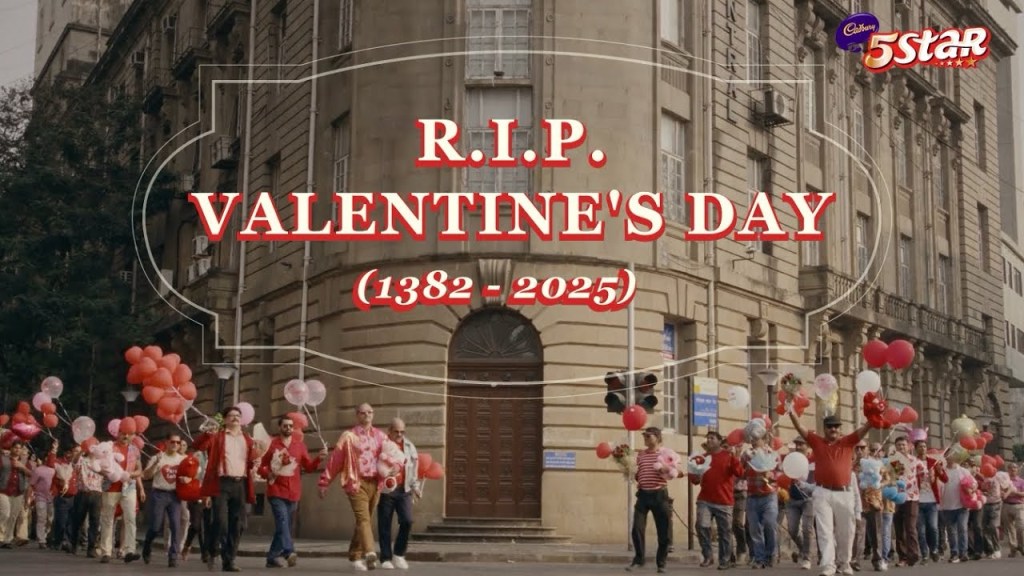
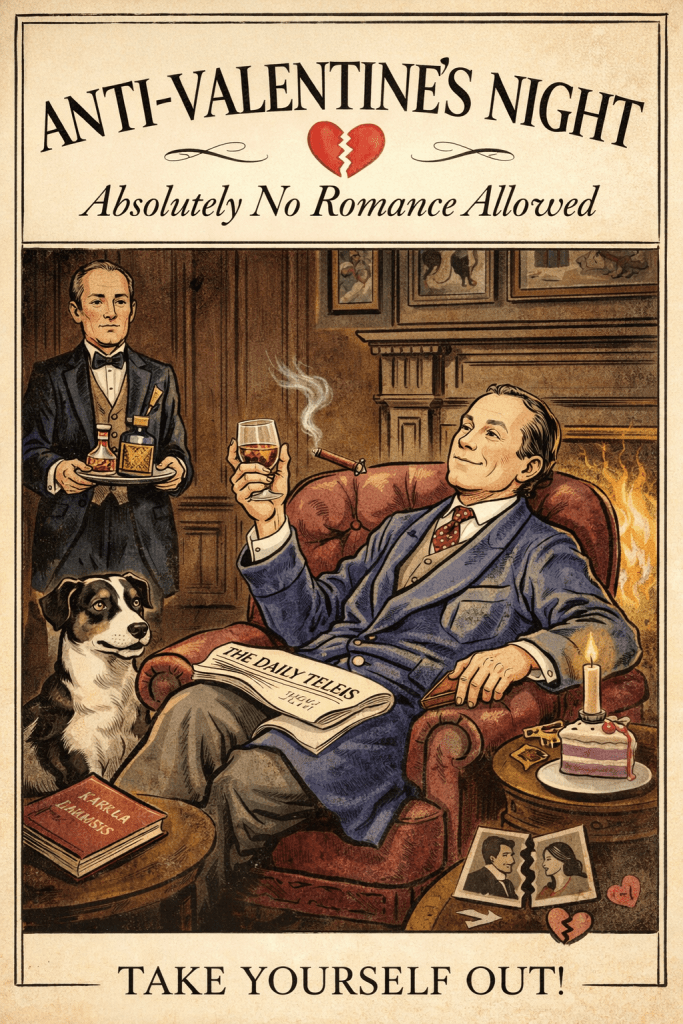
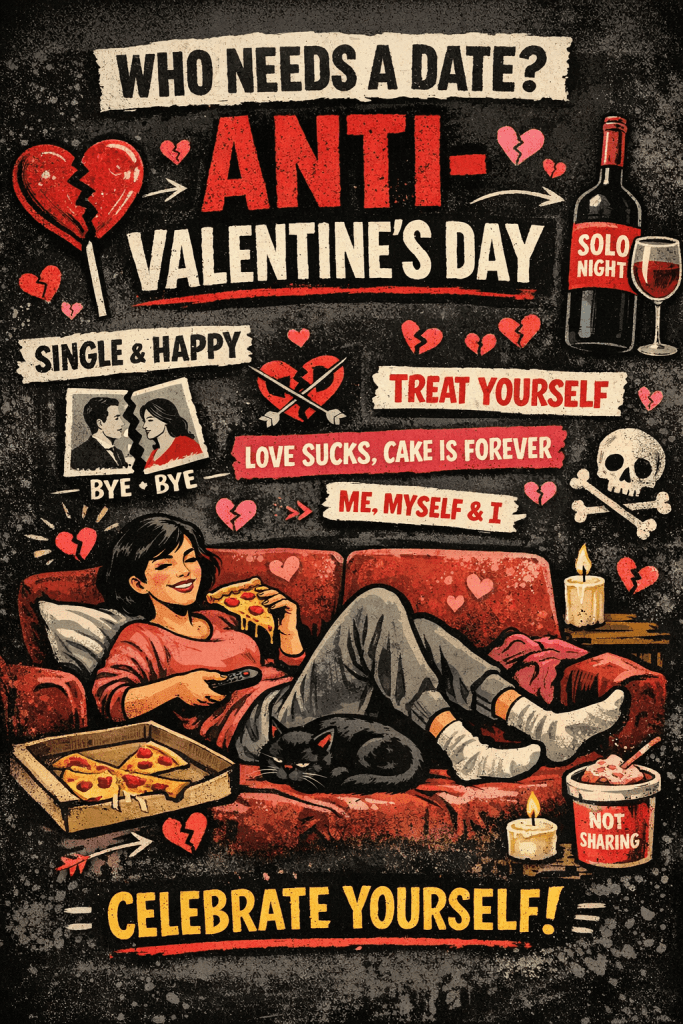
And before you roll your eyes and mutter “maximalism again,” let’s get one thing straight: Horror Vacui is not random clutter. It’s not design hoarding. It’s intentional excess. Curated chaos. Controlled madness. Think orchestra, not traffic jam.
A Very Brief History of Filling Things Up
Humans have never really trusted empty space. Medieval manuscripts were crammed with vines, saints, demons, marginalia and the occasional angry rabbit. Baroque churches looked at simplicity and said, “Absolutely not.” Victorian homes layered rugs on rugs on rugs, just in case one rug felt lonely.


Horror Vacui has always been there, lurking beneath the surface, waiting patiently for modernism to exhaust itself.
And exhaust itself it did.
After a decade of clean grids, beige branding, “calm technology” and logos that look suspiciously identical, the pendulum has swung—hard. The world is messy, loud, contradictory, overstimulated. Design, inevitably, has followed suit.
Horror Vacui isn’t nostalgia. It’s psychological realism.
What Horror Vacui Actually Looks Like (And No, It’s Not Just Noise)
At first glance, Horror Vacui designs look busy. Stay with them a little longer and you realise they’re layered.

You’ll see:
Patterns stacked on patterns (florals arguing with geometrics, paisleys photobombing stripes)
Typography that behaves like a dinner-table conversation—interrupting itself, changing tone, getting dramatic.
Illustration, collage, photography, hand-drawn scribbles, embroidery textures, foil accents, all cohabiting peacefully
Colour palettes that refuse to whisper
Importantly, there is hierarchy. The eye is guided, not assaulted. There’s a main story, several subplots, and at least one delightful Easter egg you only notice on your third viewing.
This is design that rewards attention rather than begging for it.

Why Horror Vacui Is Having a Moment (And Why It Makes Sense)
Let’s address the obvious question: Why now?
Because minimalism has become corporate wallpaper.
Once upon a time, minimalism signalled confidence. Today it often signals fear—fear of offending, fear of personality, fear of commitment. When every brand strips itself down to neutrality, standing out requires doing the opposite.
Horror Vacui says:
We have a story. We are not afraid of complexity. We expect you to spend time with us.
In a world of infinite scroll, that’s a radical stance.
Who’s Already Doing It

India: Where Horror Vacui Never Really Left
Let’s be honest: India didn’t discover Horror Vacui. We’ve been living in it.
From temple architecture to wedding cards to textile traditions, Indian visual culture has always embraced density as richness. What’s changed is that contemporary brands are now owning it unapologetically.

Sabyasachi is the most obvious example. His brand universe—stores, campaigns, packaging, Instagram feed—is a masterclass in controlled abundance. Every object feels storied. Every corner whispers lineage. Nothing is empty because nothing is meaningless.

Many new-age Indian craft, jewellery and fashion brands are following suit—rejecting globalised minimalism in favour of maximal identity.
Globally: The Return of Personality
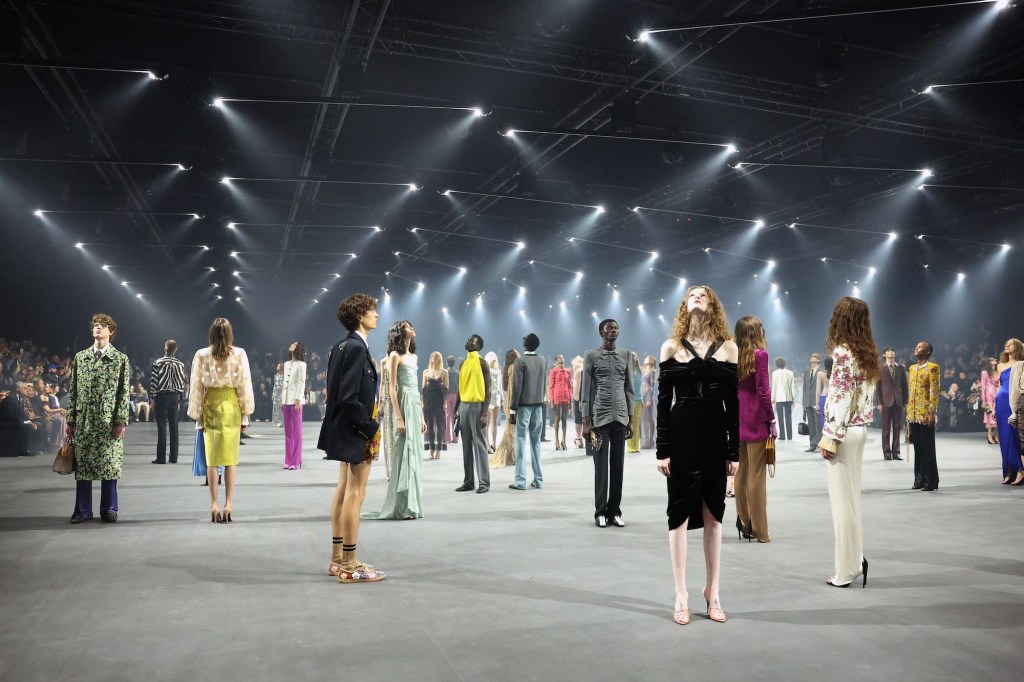
Internationally, fashion houses led the charge. Gucci’s Alessandro Michele era practically rewrote the rulebook, turning excess into a philosophy.

The ripple effects are everywhere—from boutique hotels that look like curated attics to packaging that feels like a collector’s item.
Even digital brands are loosening up. Websites are becoming richer, more illustrative, more expressive—less interface, more experience.
Horror Vacui ≠ Lack of Discipline (This Is Important)
Here’s where many people get it wrong.
Horror Vacui does not mean:
Throwing everything on the page and hoping for the best Ignoring hierarchy Sacrificing usability at the altar of “vibes”
In fact, this style demands more discipline, not less.

Every element must answer a question:
Why are you here? What story do you serve? Could you be removed without losing meaning?
If the answer is “yes, probably,” it shouldn’t be there.
How Brands Can Use Horror Vacui in 2026 (Without Embarrassing Themselves)
Here’s the practical bit. Clip this. Screenshot it. Pretend you thought of it.
1. Start With Story, Not Decoration
Horror Vacui is storytelling first, aesthetics second. Decide what you’re layering towards—heritage, rebellion, indulgence, craftsmanship—and let everything orbit that core.
2. Design Like a Museum, Not a Mall
Curated density beats commercial clutter. Think artefacts, not offers. Narratives, not noise.
3. Create Visual Chapters
Break the chaos into readable sections. Let the eye travel. Let curiosity do the work.
4. Use Digital Thoughtfully
On screens, Horror Vacui works best through interaction—hover reveals, micro-animations, scroll-based storytelling. Make exploration feel intentional, not accidental.
5. Packaging Is Your Playground
If there was ever a time to make packaging worth keeping, this is it. Layers, textures, inserts, surprises. Turn unboxing into theatre.
6. Contrast Is Your Secret Weapon
Dense outside, calm inside. Loud campaign, serene product shot. Horror Vacui works best when it knows when to pause.
The Pitfalls (Because Not Everything Needs More)
A quick reality check:
Clutter without meaning is still clutter. Unreadable typography is not edgy, it’s lazy. Fake heritage is instantly obvious and deeply embarrassing.
Audiences today are visually literate. They know when you’re dressing up emptiness.
So… Is Horror Vacui for Everyone?
No. And that’s the point.
Horror Vacui suits brands with:
Stories to tell
Layers of meaning
Cultural depth
Confidence
If your brand proposition is thin, no amount of ornamentation will save it. If your product lacks substance, the noise will expose it faster.
But if you have something to say—and the courage to say it loudly—Horror Vacui gives you a language rich enough to hold it.
Let’s Talk about Advertising
Specifically, the kind of advertising that looked at a clean layout, a single hero image, and a tasteful amount of white space—and decided that was all a bit… underdressed.
Because while design conferences were busy debating how much air a logo needs to breathe, some brands were quietly stuffing the frame with culture, colour, pattern, attitude, and story.
Not accidentally.
Not messily.
But with intent.
Which is where Horror Vacui sidles into advertising, adjusts its cufflinks, and says, “You rang?”
Nike
Take Nike, for instance. Now Nike can do minimalism in its sleep. A swoosh, a stare, a three-word manifesto. Job done. But when Nike chooses to go visual-heavy—especially in its illustrated and poster-led campaigns—it goes all in.
Look at the Nike posters coming out of collaborations with illustrators and studios (Boomranng Studio being a fine example).


These aren’t sparse motivational billboards. They’re layered cultural maps. Energy trails, graphic elements, motion lines, local iconography, typography that doesn’t sit politely but moves. They feel like the visual equivalent of a city at full volume. Every inch is doing work. Every inch is saying something.
That’s Horror Vacui in spirit. Not clutter, but abundance with purpose. Nike isn’t filling space because it doesn’t know what to do with it. It’s filling space because sport, culture, and identity are not quiet things. They’re noisy. Messy. Emotional. And the design reflects that.
Absolut Vodka
Then there’s Absolut Vodka, the patron saint of “let’s turn the entire ad into an idea.” For decades, Absolut has been practising a very elegant form of Horror Vacui without ever calling it that. The bottle is always there, yes—but everything around it becomes a canvas.

City series ads. Artist collaborations. Cultural references. Illustration-heavy posters where the bottle is woven into architecture, festivals, skylines, fabrics, and symbols. These ads don’t rely on emptiness to feel premium. They rely on craft. On detail. On visual cleverness. On the confidence that the viewer will stay long enough to decode what’s going on.

Absolut understood early what Horror Vacui champions today: density can be luxurious. White space isn’t the only shorthand for sophistication. Sometimes richness—visual, cultural, conceptual—is the real flex.
Coca-Cola
Coca-Cola is what happens when a brand understands minimalism perfectly—and therefore knows exactly when to ignore it.
Most of the year, Coke behaves. Red. Script. Bottle. Restraint. But the moment emotion enters the room—Christmas, the World Cup, a wedding season, a collective sigh of happiness—Coca-Cola throws open the doors and lets Horror Vacui march right in.

Look at their festive and global celebration ads. Nothing is empty. People everywhere. Lights everywhere. Red everywhere. Music, movement, nostalgia, sentiment—all layered into frames so full they feel warm. That density isn’t decorative; it’s emotional. Empty space would feel rude.
Share a Coke did the same thing at scale. Names multiplied. Shelves became visual chaos. Identity piled on identity. And that clutter? Entirely the point. People aren’t minimalist. Celebrations aren’t minimalist. Coke understood that before anyone else tried to “clean it up.”

The genius lies in control. Coke never loses itself in the noise. The logo anchors the madness. The bottle is always recognisable. You’re never confused—just comfortably overwhelmed.
Coca-Cola proves Horror Vacui isn’t about being loud. It’s about being generous. When the moment is full, Coke fills the frame and pours another round.
And then we have the broader category of ads that lean unapologetically into illustration and pattern. These are the campaigns that refuse to be a photograph with a logo slapped on as an afterthought. They build worlds. Collaged worlds. Illustrated worlds. Worlds where motifs repeat, symbols reappear, and the eye keeps finding new details like a particularly rewarding museum visit.


These ads often feel editorial rather than transactional. They don’t scream “buy now.” They whisper—or occasionally sing—“come closer.” They reward attention. And in an era where attention is the rarest currency of all, that’s not indulgent. That’s strategic.
What unites all these campaigns—Nike’s high-energy posters, Absolut’s art-led print legacy, illustration-rich brand advertising—is not just visual busyness. It’s confidence. Confidence that the audience is not stupid. Confidence that people don’t always want things simplified into beige oblivion. Confidence that story, culture, and visual generosity still matter.
That’s where Horror Vacui earns its keep in advertising.
Used badly, it’s visual indigestion. Used well, it’s world-building.
And here’s the important bit: none of these campaigns are dense everywhere, all the time. They know when to pull back. When to let the product breathe. When to let the message land. Horror Vacui in advertising works because it’s selective excess, not chaos for chaos’ sake.
So if you’re a brand wondering whether Horror Vacui has a place in modern advertising, the answer is already on the walls, in the magazines, on the posters you stopped scrolling for.
It’s there whenever a brand decides that one image isn’t enough.
That one idea deserves layers.
That culture can’t be summarised—it must be shown.
And frankly, in a world drowning in sameness, that refusal to leave space unused might just be the most intelligent thing an ad can do.
Final Thought
Horror Vacui is not a rejection of good design principles. It’s a rejection of design timidity.
In 2026, the bravest thing a brand can do is stop whispering.
Fill the space.
Tell the story.
Trust the audience to stay.
And if someone complains it’s “too much”?
Smile politely.
They were never going to linger anyway.