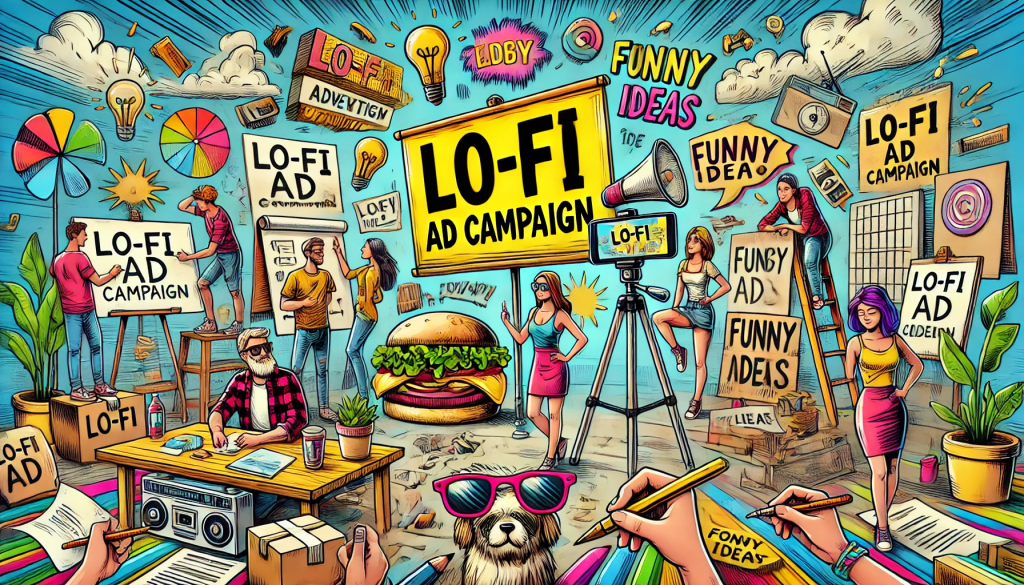
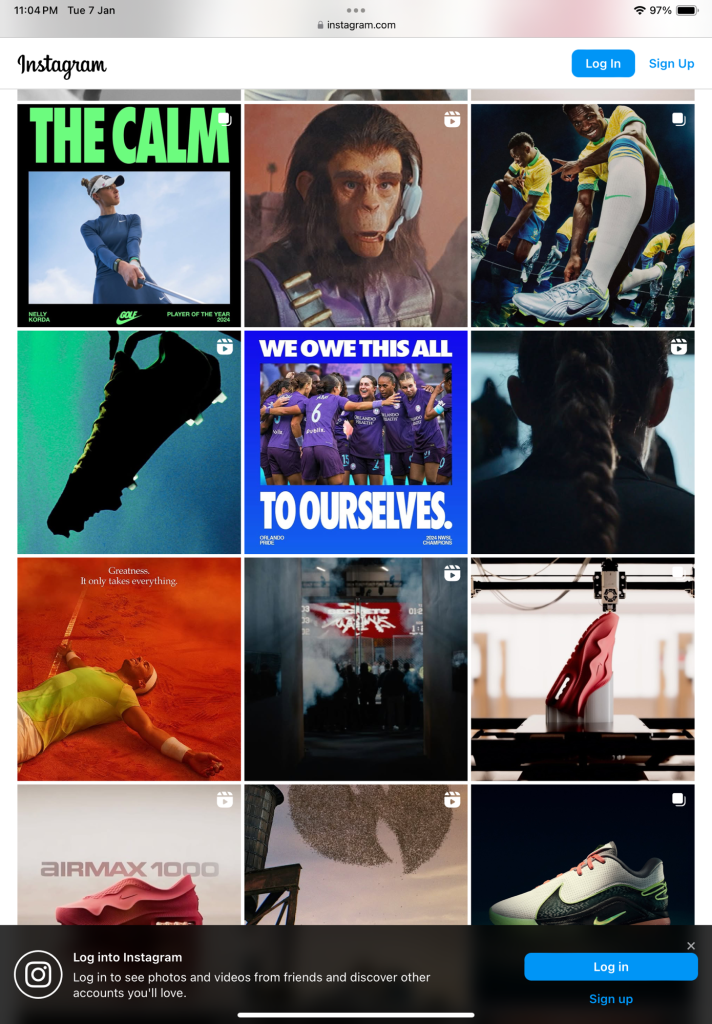
In a world of glossy, high-budget commercials and cinematic ad masterpieces, something weird is happening. Brands are going low. I mean, really low-fi. Forget drone shots and million-dollar CGI. Lo-fi ad campaigns are here, and they’re messy, clumsy, and (surprise!) absolutely brilliant.
But wait… what is a lo-fi ad campaign?
What the Heck Is a Lo-Fi Ad Campaign?
Think of lo-fi ads as the “sweatpants” of the advertising world—relaxed, relatable, and refreshingly real. These ads ditch the polish of big-budget productions and embrace simplicity, rawness, and authenticity. Lo-fi campaigns are often shot on smartphones, use unpolished visuals, and rely on humor, irony, or nostalgia. They’re the TikTok videos of advertising: real, relatable, and sometimes hilariously awkward.
The beauty of lo-fi? It’s not trying too hard. And in an era where audiences can smell fake authenticity from a mile away, this unpolished approach feels like a breath of fresh air.
Lo-Fi Ad Campaign
Why Are Lo-Fi Campaigns Taking Over?
1. Relatability is King: People love seeing ads that feel like something they (or their clumsy cousin) could’ve made.
2. Budget-Friendly: Why spend $10 million on a Superbowl ad when you can shoot a TikTok in your backyard and get the same attention?
3. Social Media Gold: Lo-fi content fits perfectly into platforms like Instagram, TikTok, and YouTube, where audiences crave authentic, engaging posts.
4. Nostalgia Appeal: These campaigns often mimic old-school aesthetics, giving off retro vibes that Millennials and Gen Z adore.
5. Anti-Perfection Movement: People are tired of airbrushed perfection. Lo-fi ads scream, “We’re just like you!” (even if they’re not).
How to Create a Lo-Fi Ad Campaign in 5 Simple Steps
Ready to embrace the mess? Here’s how to cook up a lo-fi ad campaign that slaps:
Step 1: Ditch the Fancy Gear
Put down the $5,000 camera and pick up your phone. Bonus points if your footage is a little shaky or slightly out of focus. Authenticity trumps production value.
Step 2: Embrace Awkward Humor
The best lo-fi campaigns lean into cringey, self-aware humor. Think of that one friend who’s unintentionally funny because they’re so awkward—that’s the vibe you’re going for.
Step 3: Keep It Real
Your talent doesn’t need to be models or actors. Use your intern, your neighbor, or your dog. The more “real,” the better.
Step 4: DIY Everything
From props to costumes, make it yourself (or borrow from your mom’s garage). Handwritten signs? Perfect. Cardboard props? Even better.
Step 5: Be Platform-Native
Lo-fi thrives on TikTok, Instagram Stories, and YouTube Shorts. Create content that feels like it belongs on the platform—not an ad interrupting it.
5 Viral Lo-Fi Ad Campaigns That Got It Right
Let’s look at some brands that nailed the lo-fi aesthetic and made millions laugh along the way.
1. Ryan Reynolds’ Mint Mobile Ads
When Ryan Reynolds launched his budget wireless company, Mint Mobile, he didn’t spend millions on slick ads. Instead, he used green screens, awkward jokes, and even stock footage to keep things hilariously simple. One ad featured a bar graph comparing Mint Mobile’s pricing to competitors with Reynolds narrating, “Look at this—it’s science!” The lo-fi charm was chef’s kiss.
Why It Worked: People loved the self-deprecating humor and the budget aesthetic—it matched the brand’s “affordable and honest” image.
2. TikTok’s Own Ads
TikTok’s ads about… TikTok? Meta. Instead of overthinking it, they showed users making goofy, relatable content. One ad was just a series of TikTok creators dancing badly, pulling pranks, and lip-syncing poorly. And you know what? It worked.
Why It Worked: It showcased the raw, lo-fi nature of TikTok itself. The campaign felt like an extension of the platform, not a corporate ad trying too hard.
3. Supreme’s Grainy VHS-Style Campaign
Streetwear brand Supreme went retro with a lo-fi campaign shot entirely on grainy VHS tape. The shaky footage, random cuts, and muffled audio felt like a 90s home video—and fans couldn’t get enough.
Why It Worked: It tapped into nostalgia while perfectly aligning with Supreme’s edgy, counter-culture vibe.
4. Burger King’s Moldy Whopper
Burger King made headlines by releasing an ad showing their Whopper decomposing over 34 days. Shot in time-lapse with no fancy editing or voiceover, the campaign boldly declared, “We’re removing artificial preservatives.”
Why It Worked: It was raw, real, and almost too gross to look away. The lo-fi aesthetic made the message (natural is better) even more powerful.
5. Fenty Beauty’s TikTok Campaigns
Instead of hiring Hollywood talent, Fenty Beauty tapped into TikTok creators to make lo-fi, user-generated-style content. These influencers showed off Fenty products with quirky transitions, clumsy dances, and relatable reviews.
Why It Worked: It felt organic and blended seamlessly with everyday TikTok content, making users trust the brand.
The Secret Sauce of Lo-Fi Ads
So, what’s the magic ingredient in lo-fi campaigns? It’s not about looking cheap. It’s about feeling real. Audiences today want brands to talk to them, not at them. Lo-fi ads make brands seem approachable, like that cool friend who doesn’t care about looking perfect.
When Should You Avoid Lo-Fi?
Not every brand can—or should—go lo-fi. Imagine if a luxury watch company tried to make a lo-fi campaign. Rolex with shaky camera work? Nope. Lo-fi works best for brands that:
• Have a playful, casual, or rebellious image.
• Want to connect with younger audiences.
• Can afford to experiment without harming their reputation.
Final Thoughts: Lo-Fi Is Here to Stay
Lo-fi ad campaigns are more than a trend—they’re a shift in how brands communicate. In a world where everyone’s trying to keep it “real,” these campaigns cut through the noise by actually doing it. So, embrace the awkward, the messy, and the wonderfully imperfect. Your audience will thank you (and maybe even laugh along).
Now go make a lo-fi ad. Just remember: the shakier, the better.
What’s your favorite lo-fi campaign? Share your thoughts in the comments below!
Branding isn’t just about slapping a logo on something and calling it a day. It’s about crafting a personality so strong that your customers would recognize your brand even if it were blindfolded and whispering in Morse code. Enter Jean-Noël Kapferer’s Brand Identity Prism—a six-sided gem that helps you polish your brand to dazzling perfection.
Whether you’re building a startup or revamping a century-old business, the Brand Prism is the ultimate tool to define your brand’s essence, identity, and emotional connection with your audience. Let’s dive into this gem of a framework and learn how it works, along with 10 sparkling case studies to bring it to life.
What Is the Brand Identity Prism?
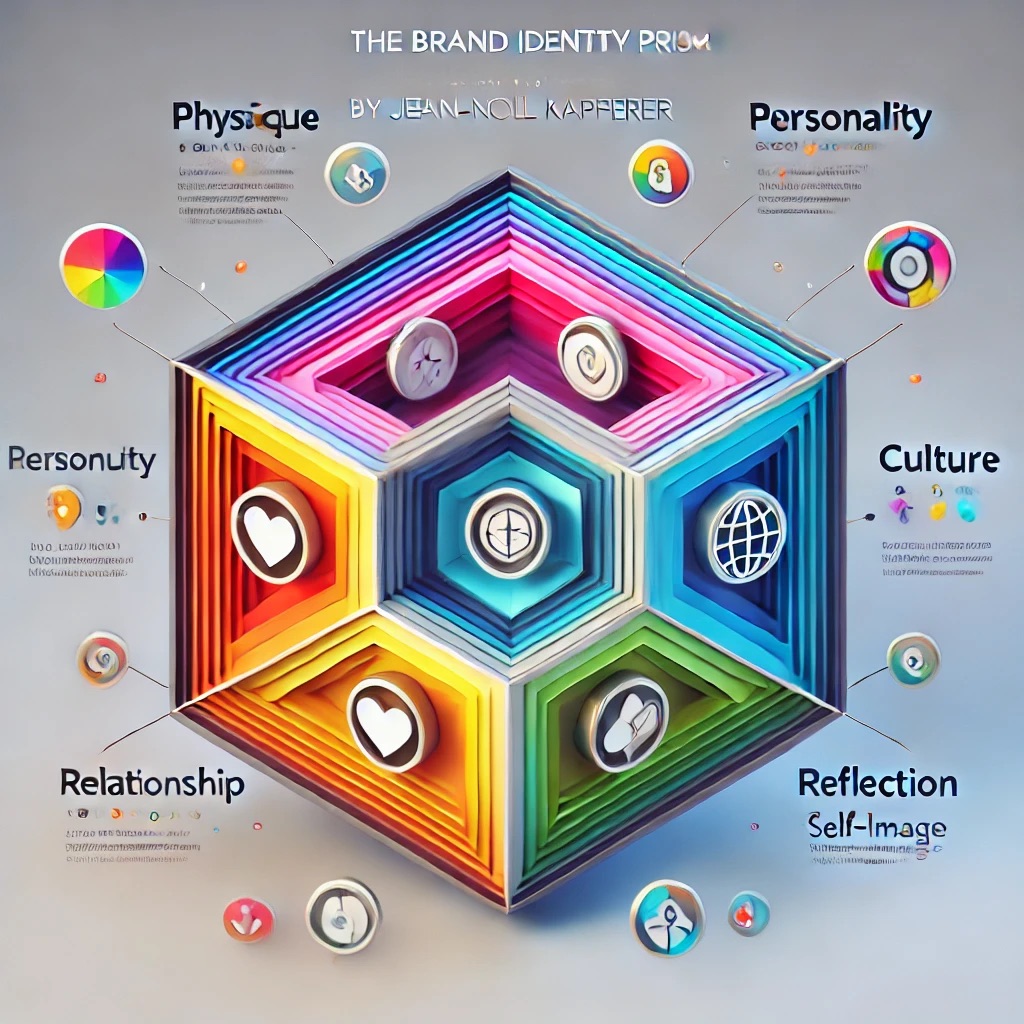
Jean-Noël Kapferer’s Brand Prism is a six-sided framework that helps brands articulate their identity. Think of it as your brand’s DNA—your defining traits, personality, and how you interact with the world. Each side of the prism represents an essential element of your brand:
1. Physique – What your brand looks like (logo, colors, design).
2. Personality – The brand’s character (quirky, professional, bold).
3. Culture – Your brand’s values and heritage.
4. Relationship – How your brand engages with customers.
5. Reflection – How customers perceive themselves through your brand.
6. Self-Image – How your customers feel when they use your brand.
Kapferer’s genius lies in how these elements work together to create a cohesive, multidimensional identity. Let’s explore each facet with witty explanations and real-world examples.
1. Physique: The Face of Your Brand
The physique is the visual and tangible representation of your brand. It’s what people first notice—logos, packaging, jingles, or even the iconic shape of your product.
Case Study: Coca-Cola
• Physique: The contoured glass bottle, the iconic red-and-white logo, and that unmistakable font.
• Impact: Even if “Coca-Cola” were written in Greek, you’d know it’s Coke.
Witty Tip: Make your brand physique so recognizable that even a toddler can pick it out of a lineup.
2. Personality: Your Brand’s Alter Ego
The personality is how your brand talks, behaves, and comes across. Is it fun and flirty like Tinder or serious and reliable like The Wall Street Journal?
Case Study: Old Spice
• Personality: Witty, over-the-top, and ridiculously confident.
• Campaign: “The Man Your Man Could Smell Like” turned quirky masculinity into a global sensation.
Witty Tip: Give your brand a personality your audience would want to hang out with—unless you’re a bank. Then, maybe just be dependable.
3. Culture: Your Brand’s Soul
Culture is the foundation of your brand—it’s your values, ethics, and heritage. This is where you showcase your roots and what you stand for.
Case Study: Patagonia
• Culture: Sustainability and environmental activism.
• Initiatives: “Don’t Buy This Jacket” campaign encouraged conscious consumption.
• Impact: Customers love Patagonia not just for its products but for its values.
Witty Tip: If your brand were a person, what would it passionately argue about at a dinner party?
4. Relationship: How You Engage
Relationships define how your brand interacts with its audience. Are you a mentor, a friend, or that cool neighbor who always has the latest gadget?
Case Study: Zomato
• Relationship: Quirky and relatable.
• Engagement: Their witty tweets and memes make them more than a food delivery app—they’re your online buddy.
• Impact: High engagement and top-of-mind recall for foodies everywhere.
Witty Tip: Build a relationship so good that your customers slide into your DMs—not your competitors’.
5. Reflection: The Mirror Effect
Reflection is how your customers perceive themselves through your brand. Does it make them feel adventurous, elegant, or like the life of the party?
Case Study: Nike
• Reflection: Customers see themselves as athletes, even if their “marathon” is just a 10-minute jog.
• Campaign: “Just Do It” inspires everyone, from couch potatoes to Olympians.
Witty Tip: Your brand should reflect your customers’ best selves—or at least their Instagram selves.
6. Self-Image: The Inner Self
Self-image is how your customers feel about themselves when they use your brand. It’s deeply personal and highly emotional.
Case Study: Apple
• Self-Image: Sophisticated, creative, and ahead of the curve.
• Impact: Owning an Apple product makes customers feel like part of an exclusive, innovative club.
Witty Tip: Make your customers feel like superheroes when they interact with your brand.
Here are some more examples of brands in relation to the Brand Prism Framework :
1. Amazon
• Physique: A to Z logo.
• Personality: Efficient and customer-obsessed.
• Culture: Relentless innovation.
• Relationship: Convenient and reliable.
• Reflection: Savvy shopper.
• Self-Image: Smart and resourceful.
2. Swiggy
• Physique: Fun, vibrant orange branding.
• Personality: Cheeky and spontaneous.
• Culture: Food-loving.
• Relationship: Quick and delightful.
• Reflection: Foodie explorer.
• Self-Image: “I make life delicious!”
3. Tesla
• Physique: Sleek car designs.
• Personality: Bold and visionary.
• Culture: Sustainability and innovation.
• Relationship: Aspiration meets functionality.
• Reflection: Futuristic thinker.
• Self-Image: “I’m part of the future!”
4. Starbucks
• Physique: Green logo, earthy vibes.
• Personality: Warm and inviting.
• Culture: Community-focused.
• Relationship: Your personal coffee artist.
• Reflection: Socially conscious individual.
• Self-Image: “I’m classy but down-to-earth.”
5. IKEA
• Physique: Blue and yellow logo, flat-pack furniture.
• Personality: Functional yet fun.
• Culture: Swedish efficiency.
• Relationship: Your home-design partner.
• Reflection: DIY expert.
• Self-Image: “I’m resourceful and creative.”
6. Louis Vuitton
• Physique: Iconic monogram.
• Personality: Luxurious and elegant.
• Culture: French heritage and craftsmanship.
• Relationship: A trusted luxury partner.
• Reflection: Worldly and sophisticated.
• Self-Image: “I’m part of the elite.”
7. Dove
• Physique: Simple, clean logo.
• Personality: Gentle and supportive.
• Culture: Body positivity and inclusivity.
• Relationship: Your skincare confidant.
• Reflection: Confident and beautiful.
• Self-Image: “I’m comfortable in my skin.”
8. Netflix
• Physique: Bold red logo.
• Personality: Fun and unpredictable.
• Culture: Disruptive and innovative.
• Relationship: Your binge-watching companion.
• Reflection: Trend-savvy entertainment buff.
• Self-Image: “I’m cool and up-to-date.”
9. McDonald’s
• Physique: Golden arches.
• Personality: Friendly and fast.
• Culture: Family-oriented.
• Relationship: Affordable indulgence.
• Reflection: Easygoing and fun.
• Self-Image: “I enjoy the simple pleasures.”
10. Adidas
• Physique: Three stripes.
• Personality: Athletic and competitive.
• Culture: Sports and streetwear.
• Relationship: Performance enhancer.
• Reflection: Fit and stylish.
• Self-Image: “I’m active and trendy.”
Why the Brand Prism Works
The Brand Prism forces you to think beyond just “selling stuff.” It makes you consider:
• How your brand looks (physique).
• How it behaves (personality).
• What it believes (culture).
• How it connects (relationship).
• What it reflects (customer perception).
• How it makes people feel (self-image).
This holistic approach helps you build an identity that sticks.
Closing Thoughts
The Brand Identity Prism by Jean-Noël Kapferer is the ultimate toolkit for creating a multidimensional brand. With its six facets, you’ll understand not just what your brand is, but how it makes people feel, think, and act. In a world where brands fight for attention like gladiators in the Colosseum of consumerism, mastering your Brand Prism could be the edge you need to win hearts (and wallets).
Whether you’re a budding entrepreneur or a seasoned marketer, Jean-Noël Kapferer’s framework is your roadmap to crafting a brand that’s not just seen but remembered. And who knows? With a little wit, personality, and purpose, your brand might just be the next Coca-Cola, Nike, or Netflix.
Let’s face it: your brand deserves to shine. So, polish that prism, and let the light shine through!
Ah, branding—the mysterious art of making people fall head over heels for a product or service. It’s like dating but with logos, taglines, and an unreasonable obsession with color palettes. In a world where everyone’s shouting, “Look at me!” how do you make your brand stand out? Simple: you need a solid branding framework.
Lucky for you, we’re diving into the top 10 branding frameworks that help brands strut their stuff. And because branding is part science, part magic, we’ve included real-life case studies to show these frameworks in action. Grab your coffee (or wine—no judgment) and let’s unravel the secrets of iconic branding, one witty metaphor at a time.
1. The Brand Prism by Jean-Noël Kapferer
What It Is: Think of your brand as a diamond with six facets: physique, personality, culture, relationship, reflection, and self-image. This framework ensures your brand shines from every angle.
Case Study: Coca-Cola
• Physique: The iconic red and white logo, bottle shape, and refreshing fizz.
• Personality: Optimistic, friendly, and always the life of the party.
• Culture: Rooted in sharing moments and global togetherness.
• Relationship: Coca-Cola isn’t just a drink—it’s your companion at every celebration.
• Reflection: You’re youthful, fun-loving, and carefree (even if you’re not).
• Self-Image: Drinking Coke = living your best life.
Key Takeaway: When every aspect of your brand aligns, you become unforgettable.
2. The Golden Circle by Simon Sinek
What It Is: Start with why, then figure out how and what. People don’t buy what you do—they buy why you do it.
Case Study: Apple
• Why: Apple believes in challenging the status quo and thinking differently.
• How: By designing sleek, user-friendly, and innovative technology.
• What: Macs, iPhones, iPads, and more.
Key Takeaway: Lead with your purpose, and people will follow you like moths to a flame—or like techies to an Apple Store.
3. Archetype Framework by Carl Jung
What It Is: Every brand fits into one of 12 archetypes, like the Hero, the Caregiver, or the Rebel. It’s psychology meets marketing.
Case Study: Harley-Davidson (The Rebel)
• Harley isn’t just selling motorcycles; it’s selling freedom, individuality, and the thrill of breaking the rules.
• Its customers aren’t just bikers—they’re rebels with a cause (or at least a leather jacket).
Key Takeaway: When your brand embodies a personality, customers see themselves in you.
4. Brand Positioning by Al Ries and Jack Trout
What It Is: Own a specific spot in the customer’s mind—be the go-to for something.
Case Study: Volvo
• Volvo positioned itself as the safest car in the world.
• While other car brands bragged about speed or luxury, Volvo owned safety like a boss.
Key Takeaway: Find your unique value and shout it from the rooftops (or billboards).
5. The AIDA Model
What It Is: Attention, Interest, Desire, Action. Hook them, keep them interested, make them want it, and close the deal.
Case Study: Zomato
• Attention: Quirky social media posts grab eyeballs.
• Interest: Relatable memes keep audiences scrolling.
• Desire: Targeted offers make you crave that pizza at 2 a.m.
• Action: A seamless app experience ensures you order within seconds.
Key Takeaway: Marketing is a game of seduction. Be irresistible.
6. The Experience Economy by Pine & Gilmore
What It Is: Customers value experiences over products. Make every interaction with your brand unforgettable.
Case Study: Disney
• Disney doesn’t just sell movies or theme parks—it sells magic.
• From the cheerful staff to immersive rides, every moment feels like stepping into a fairytale.
Key Takeaway: Turn your brand into an experience, and you’ll have lifelong fans.
7. The Brand Key Model
What It Is: A strategic model that outlines your brand’s DNA, including its essence, benefits, values, and more.
Case Study: Dove
• Essence: Real beauty for real women.
• Benefits: Confidence and self-esteem.
• Values: Inclusivity, authenticity, and empowerment.
• Personality: Gentle, supportive, and caring.
Key Takeaway: Your brand’s essence should resonate deeply with your audience.
8. The 4Ps of Marketing
What It Is: Product, Price, Place, Promotion—the OG framework of marketing.
Case Study: Nike
• Product: High-quality sportswear that combines style and performance.
• Price: Premium but justified by the value it delivers.
• Place: From flagship stores to e-commerce platforms, Nike is everywhere.
• Promotion: Just Do It campaigns featuring iconic athletes.
Key Takeaway: Nail the basics before you get fancy.
9. The Flywheel Model
What It Is: Instead of a linear funnel, the flywheel focuses on momentum. Happy customers fuel your growth through word-of-mouth.
Case Study: Swiggy
• Swiggy turns customers into advocates with referral programs, rewards, and memorable experiences.
• Their user-friendly app ensures repeat orders, and customers spread the word like wildfire.
Key Takeaway: Build a brand that customers love so much, they can’t stop talking about it.
10. The Hero’s Journey by Joseph Campbell
What It Is: Frame your customer as the hero, and your brand as the guide who helps them achieve greatness.
Case Study: Grammarly
• Grammarly positions users as the heroes of their own stories. Whether it’s acing a work email or writing a novel, Grammarly is the trusty guide.
• The result? Millions of loyal users who feel empowered by their words.
Key Takeaway: Your brand isn’t the star. Your customer is.
11. The Laddering Framework
What It Is: This framework is all about climbing the psychological ladder of your customer’s mind. Start with functional benefits (what your product does), move to emotional benefits (how it makes people feel), and end with personal values (how it reflects their identity).
Case Study: Gillette
• Functional Benefit: A close, smooth shave.
• Emotional Benefit: Confidence in looking your best.
• Personal Value: You’re a man who’s always prepared and sharp (pun intended).
What It Is: Forget competition! Create a new market space where you’re the star. This framework encourages innovation to make the competition irrelevant.
Case Study: Cirque du Soleil
• The Innovation: They ditched traditional circus elements like animals and clowns. Instead, they combined acrobatics, music, and theater.
• Result: A unique entertainment category with no direct competitors.
Key Takeaway: Stop fighting for scraps in a crowded market. Build your own table.
13. The Branding Wheel
What It Is: A circular model that defines your brand’s core, outer identity, and interaction with the audience. The center is your brand essence, surrounded by personality, tone, and behaviors.
Case Study: Starbucks
• Core Essence: The “third place” between work and home.
• Personality: Warm, welcoming, and premium.
• Behaviors: Personalized service, cozy ambiance, and consistent quality.
Key Takeaway: The Branding Wheel ensures consistency across all customer touchpoints.
14. Havas Meaningful Brands Framework
What It Is: This model focuses on creating brands that improve people’s quality of life while also driving business growth. It connects functional benefits, personal well-being, and collective well-being.
Case Study: Patagonia
• Functional: High-quality, durable outdoor gear.
• Personal Well-Being: Encourages sustainable lifestyles.
• Collective Well-Being: Advocates for environmental conservation.
Key Takeaway: A meaningful brand connects with customers on a deeper level, beyond just products.
15. The StoryBrand Framework by Donald Miller
What It Is: Every brand needs a clear, compelling story. This framework positions your customer as the hero and your brand as the guide that helps them overcome challenges.
Case Study: Slack
• The Hero (Customer): Busy professionals drowning in emails.
• The Guide (Slack): A streamlined communication tool to simplify work life.
• The Plan: A user-friendly platform that centralizes conversations.
• The Success: Happier, more productive teams.
Key Takeaway: Stories captivate, clarify, and convert.
Want a Few More for Inspiration?
If you’re hungry for additional frameworks, consider:
• The Lovemarks Framework by Kevin Roberts: Create loyalty beyond reason with brands people emotionally adore.
• The House of Brands and Branded House Models: Decide whether to unify sub-brands under one name or give them distinct identities (e.g., Unilever vs. Apple).
• The North Star Framework: Focus on one guiding principle that defines your brand’s purpose and direction.
What’s Next?
These additional frameworks give you plenty of strategies to build, refine, and strengthen your brand. Whether you’re designing a killer logo or crafting an unforgettable customer experience, there’s a framework here to guide you. And remember: branding isn’t a sprint—it’s a marathon. Keep your story consistent, your purpose clear, and your execution flawless.
Final Thoughts: Pick Your Framework, Build Your Empire
Branding isn’t just a logo or a tagline—it’s how you make people feel, think, and act. Whether you’re building the next Apple or running a neighborhood bakery, a strong framework is your secret weapon.
So, go ahead: pick a framework (or three), infuse it with your brand’s unique personality, and watch your audience fall head over heels. Because at the end of the day, great branding is like great coffee—addictive, memorable, and impossible to live without.
Let’s be real: marketing isn’t about selling products. It’s about hand-holding your customers through a magical, multi-step adventure called the Customer Journey. Think of it as a courtship—only instead of roses and chocolates, you’re wooing them with discounts, clever ads, and maybe the occasional cat meme.
In this blog, we’ll explore the five stages of the customer journey. Ready to impress your customers faster than a flash sale? Let’s go!
The Customer Journey
What Is the Customer Journey?
The customer journey is the path a potential buyer takes from discovering your brand to becoming a loyal customer (and sometimes, even a brand ambassador). It’s not linear—it’s more like a toddler on a sugar high: unpredictable but always worth the effort.
Stage 1: Awareness — “Wait, Who Are You Again?”
At this stage, your customer doesn’t know you from a hole in the wall. Your job? Introduce yourself in a way that’s so memorable, they can’t stop thinking about you (without being creepy).
Case Study 1: Old Spice
Back in 2010, Old Spice wasn’t exactly the talk of the town. Then came The Man Your Man Could Smell Like campaign.
• What They Did: Old Spice ran a series of hilarious commercials featuring an absurdly charming guy talking directly to women about buying Old Spice for their partners.
• Result: Social media buzz exploded, sales skyrocketed by 125%, and Old Spice became a meme-worthy brand.
Key Takeaway: Be bold, be funny, and don’t be afraid to poke fun at yourself. Customers love a brand that doesn’t take itself too seriously.
Stage 2: Consideration — “Hmm… Tell Me More”
Now they know who you are, but they’re not sold yet. This stage is all about proving you’re worth their time and money.
Case Study 2: Airbnb
Airbnb turned the concept of couch-surfing into a billion-dollar business.
• What They Did : Instead of shouting, “We’re cheaper than hotels!” Airbnb leaned into storytelling. They shared real user stories and travel experiences, showing how their platform created unique, memorable stays.
• Result: Customers felt a personal connection to the brand and chose Airbnb over traditional accommodations.
Key Takeaway: People buy emotions, not products. Show them the life they could have with your brand, and you’ll win their hearts (and wallets).
Stage 3 : Decision/ Acquisition
This is the tipping point—your customer is ready to buy but still needs a little nudge. Think of this as your final rose ceremony.
Case Study 3: Amazon
Amazon is the king of nudging customers toward that “Buy Now” button.
• What They Did: They created FOMO (fear of missing out) with tactics like “Only 2 left in stock!” and “Today’s Deal Ends in 6 Hours!” Oh, and let’s not forget the product recommendations that make you go, “I do need this banana slicer!”
• Result: Amazon’s seamless buying process turned “browsers” into “buyers” faster than you can say “Prime shipping.”
Key Takeaway: Use urgency, scarcity, and a ridiculously easy checkout process to seal the deal.
Stage 4: Retention/ Service— “Still Thinking About You…”The sale doesn’t end after the checkout page. In fact, the real magic begins here. You want your customers to come back—and bring friends!
Case Study 4: Starbucks
Starbucks has mastered the art of retention with its Rewards Program.
• What They Did: Customers earn points for every purchase, which they can redeem for free drinks, snacks, and exclusive perks. Plus, they sprinkle in fun challenges like “Order 3 frappuccinos this week to earn 50 bonus stars!”
• Result: Starbucks created a loyal fanbase that keeps coming back for more overpriced coffee.
Key Takeaway: Loyalty programs aren’t just about freebies—they’re about creating a sense of exclusivity and fun.
Stage 5: Advocacy — “Everyone Needs to Know About This!”
If you’ve done your job right, your customers will love your brand so much they’ll shout it from the rooftops (or at least post about it on Instagram).
Case Study 5: Glossier
Glossier didn’t become a billion-dollar beauty brand by accident. They made their customers the stars of their marketing.
• What They Did: Glossier encouraged real users to share their experiences online. Their “Top Shelf” series featured everyday customers talking about their favorite products, and they reposted user-generated content religiously.
• Result: Glossier created a cult-like following of brand ambassadors who did the marketing for them.
Key Takeaway: Empower your customers to tell your story, and they’ll become your biggest cheerleaders.
How to Optimize the Customer Journey
The journey doesn’t end with these five stages. Here are some pro tips to make every step as smooth as butter:
1. Map It Out
Use tools like Trello, HubSpot, or a napkin to sketch out your customer journey. Identify gaps and opportunities.
2. Personalize, Personalize, Personalize
Quote: “In marketing, the future belongs to personalization. Everyone wants to feel like the only customer in the world.” — David Meerman Scott
3. Automate the Boring Stuff
From welcome emails to abandoned cart nudges, automation can save you time while keeping customers engaged.
4. Ask for Feedback
Every journey can be improved. Send surveys or simply ask customers what they loved (or hated) about their experience.
5. Keep Testing
The customer journey is never “done.” Test new strategies, measure results, and tweak your approach regularly.
Why the Customer Journey Matters
Because, honestly, if you’re not guiding your customers, someone else will. A seamless, delightful journey builds trust, loyalty, and revenue.
“The best marketing doesn’t feel like marketing. It feels like a story unfolding in real-time.” — Tom Fishburne
In Conclusion
The customer journey isn’t just a map; it’s a love story between your brand and your customers. When you understand their needs, exceed their expectations, and keep them coming back for more, you’re not just selling products—you’re creating fans for life.
Now go forth and create customer journeys so magical, even Disney would be jealous. And remember: if all else fails, a clever cat meme never hurt anyone!
Welcome to the jungle of marketing! A world where the rules are as endless as TikTok trends and just as crucial to survival. But don’t worry—I’ve got your back! This post isn’t just a list of “meh” principles; it’s a juicy deep dive into 10 marketing rules you need to know. Whether you’re selling mangoes in the UK or cat-shaped tea infusers online, these rules will guide you to marketing stardom.
Marketing Rules
So, grab your coffee (or chai), and let’s dive into these golden rules, complete with real-life examples and a sprinkle of sass.
1. The 7×7 Rule: How to Be Everywhere Without Being Annoying
Imagine you’re a brand, and your crush (the customer) needs to notice you. You can’t just wave once and expect them to fall in love. Nope! They need to see your message seven times in seven ways before they say, “Okay, fine. I’ll buy your overpriced organic soap.”
Example: Nike
• Billboard: “Just Do It” in your face while stuck in traffic.
• Social Media Ad: “Get 20% off running shoes, champ!”
• YouTube Pre-roll: Inspirational video of someone sweating buckets.
• Email Campaign: “Ready to crush your 2025 goals? Shop now!”
• Influencer Post: Some fitness guru running in Nike.
• TV Commercial: A montage of people smashing records (and stereotypes).
• App Notification: “Run 2 miles today and earn a badge!”
By the time you’ve interacted with Nike seven times, you’re either motivated to run or at least wear the shoes while binge-watching Netflix.
2. The 80/20 Rule: Focus on the VIPs
Here’s the tea: 80% of your profits come from 20% of your customers. Translation? Stop chasing every random shopper and focus on the ones who love you.
Example: Starbucks Rewards
• Starbucks doesn’t just make coffee; it makes you feel special with its rewards app.
• 20% of customers (loyal members) drive 80% of their sales by constantly reloading their cards for Pumpkin Spice Lattes.
• They get exclusive deals, free birthday drinks, and feel like VIPs while Starbucks laughs all the way to the bank.
3. The Rule of 7: Be Patient, Grasshopper
They’ve seen your ad once? Great. Twice? Cool. But they need seven interactions to finally buy that Himalayan salt lamp you keep promoting. Repetition isn’t annoying; it’s how you turn “maybe later” into “take my money!”
Example: Spotify Wrapped
Every December, Spotify spams us with our “Top Songs” and “Minutes Listened.”
• You get the notification.
• It shows up on your Instagram feed.
• Your friends are sharing theirs.
• Ads pop up saying, “Get Premium for better Wrapped next year.”
By the seventh touchpoint, you’ve either upgraded to Premium or deleted the app in self-defense. Either way, they win.
4. The 60-30-10 Rule: Balance Is Everything
Marketing content isn’t all about sales pitches. Keep it balanced like a millennial’s avocado toast.
• 60%: Useful, educational content. (“5 ways to clean your house using vinegar!”)
• 30%: Entertaining content. (“Watch this dog try to clean its house!”)
• Connection: Apple events make you feel like part of an exclusive club.
9. The Rule of One: Don’t Be Extra
Stick to one clear message per campaign. No one likes a confusing ad that’s trying to sell 12 things at once.
Example: Coca-Cola
Their campaigns focus on one idea: happiness.
• Whether it’s “Share a Coke” or holiday polar bears, you always associate Coke with joy.
10. The Rule of Reciprocity: Give Before You Take
Offer value first—freebies, insights, or samples—and watch the sales roll in. People love to reciprocate.
Example: Dropbox
When Dropbox launched, they gave free storage for every referral.
• Users happily promoted Dropbox to their friends because they got something valuable in return.
Conclusion: Marketing Rules Are More Like Guidelines
Sure, these rules are helpful, but remember: marketing is part science, part art. Test, tweak, and experiment until you find what works for you. And above all, don’t take yourself too seriously—your audience will thank you.
Now go forth and conquer the marketing world, one witty campaign at a time. And remember: marketing is like dating—be persistent but not creepy!
Design is like fashion for your brand—sometimes it’s all about the latest trends, other times it’s about timeless classics. Let’s embark on a whimsical journey through the kaleidoscope of design styles that have strutted down the branding runway, each with its own flair and personality.
1. Neo-Brutalism: The Rebel Without a Pause
Description: Imagine if your website had a bad hair day and decided to embrace it. Neo-Brutalism is the design equivalent of wearing mismatched socks on purpose. It’s raw, it’s bold, and it doesn’t care if you understand it.
Case Study:Figma, the design tool that makes designers feel like wizards, has dabbled in this style. Their marketing campaigns and community-driven landing pages use bold, contrasting colors with raw, grid-based layouts. It’s like they threw a design party and invited every color in the crayon box.
Example:Figma’s Config 2023 event webpage. It’s like a design mosh pit—chaotic, energetic, and oddly satisfying.
2. Minimalism: Less Is More, Except When It’s Not
Description: Minimalism is the design world’s version of a diet—cutting out the unnecessary to focus on the essentials. It’s clean lines, ample white space, and the occasional splash of color to keep things interesting.
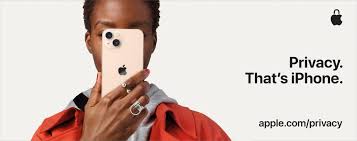
Case Study: Apple, the tech giant that makes you feel inadequate for not owning their latest gadget, is a minimalist maestro. Their marketing campaigns focus on minimalist aesthetics, showcasing their products against white or muted backgrounds. It’s like they invented the concept of ‘less is more’ and then patented it.
Example: iPhone ads highlighting a single feature with ample white space. It’s like they’re saying, “Look at this feature. Isn’t it amazing? Now, look at this empty space. Isn’t it amazing too?”
3. Maximalism: More Is More, Baby
Description: If minimalism is the diet, maximalism is the all-you-can-eat buffet. It’s an explosion of patterns, textures, and bold colors. Think of it as design’s way of saying, “Why settle for one when you can have ten?”
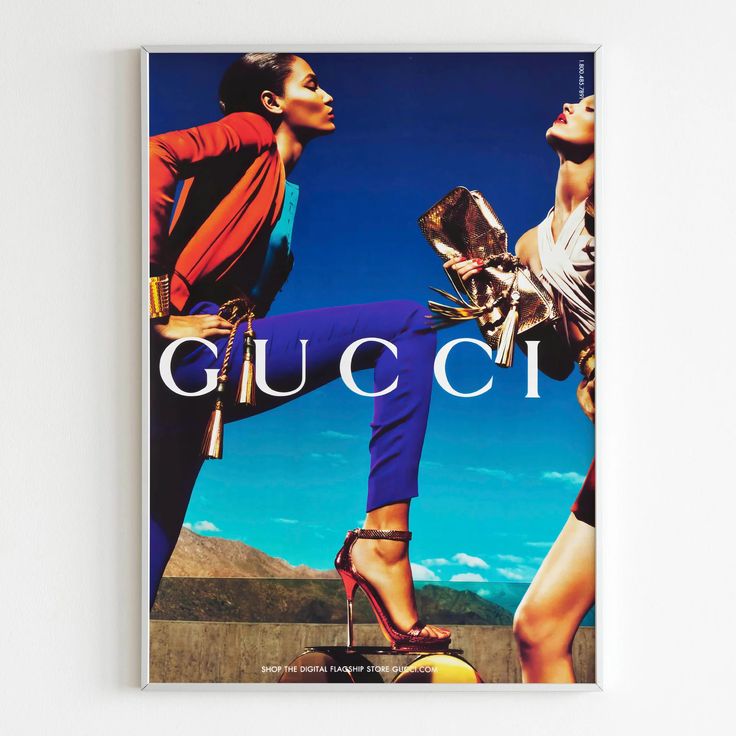
Case Study: Gucci, the brand that makes you question your entire wardrobe, is a maximalist’s dream. Their campaigns are known for combining multiple patterns, textures, and colors, creating a luxurious and eclectic visual identity. It’s like they threw a design party and invited every pattern and color they could find.
Example: Gucci’s “Gucci Aria” collection ads. It’s like a design fever dream—vibrant, eclectic, and a little bit dizzying.
4. Retro Futurism: Yesterday’s Tomorrow, Today
Description: Retro Futurism is like looking at the past through a sci-fi lens. It combines vintage elements with futuristic aesthetics, creating a nostalgic yet forward-thinking vibe.
Case Study: Netflix’s promotional content for “Stranger Things” is a masterclass in retro-futuristic design. They’ve leveraged neon colors and 80s-inspired typography to create a sense of nostalgia with a modern twist. It’s like they time-traveled to the 80s, grabbed some design elements, and brought them back to the future.
Example: Posters for “Stranger Things” Season 4. It’s like a neon-lit trip down memory lane, with a few unexpected detours.
5. Art Deco: The Gatsby of Design
Description: Art Deco is the design equivalent of a jazz age party—glamorous, opulent, and a little bit over the top. Characterized by geometric patterns, metallic finishes, and luxurious details, it’s like design’s way of saying, “Go big or go home.”
Case Study: Chanel, the brand that makes you feel like you should be sipping champagne in a Parisian café, often incorporates Art Deco motifs. From symmetrical lines to ornate details, their designs exude luxury and sophistication. It’s like they took the Roaring Twenties, added a dash of modern flair, and created timeless elegance.
Example: Vintage Chanel perfume posters. It’s like stepping into a black-and-white movie—elegant, timeless, and just a little bit mysterious.
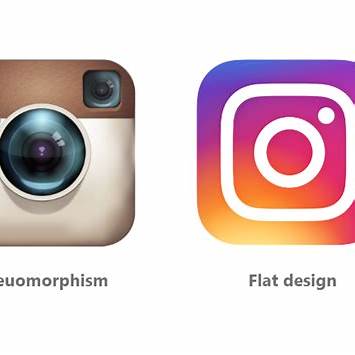
6. Flat Design: No Frills, Just Thrills
Description: Flat Design is the minimalist’s cousin who doesn’t believe in gradients or textures. It’s all about simplicity, focusing on clean, 2D graphics without any unnecessary embellishments.
Case Study: Google’s Material Design is a prime example of Flat Design. It simplifies user interfaces, focusing on flat, clean layouts with pops of vibrant color. It’s like they took the ‘less is more’ mantra and turned it into a design philosophy.
Example: Android interface and Google Drive app design. It’s like using a digital tool that’s as straightforward as a paperclip—functional, efficient, and no nonsense.
7. Skeuomorphism: The Imitation Game
Description: Skeuomorphism is like the design world’s method acting—mimicking real-world objects to make digital interfaces feel familiar. It’s about creating elements that resemble their real-world counterparts, complete with textures and shadows.
Case Study: Apple’s early iOS designs were the poster child for Skeuomorphism. Apps like Notes resembled a notepad, and Calendar looked like a physical calendar. It was like they were saying, “Don’t worry, this digital thing is just like the real thing.”
Example: iOS 6 interface. It’s like using a digital device that feels like a cozy, familiar object—until you realize it’s actually a sleek piece of technology.
8. Abstract Expressionism: The Art School Dropout
Description: Abstract Expressionism is the rebellious teenager of design styles. It throws out the rulebook and says, “Let’s just make something that feels right.” It’s all about vibrant, unconventional shapes and emotions.
Case Study: Absolut Vodka’s bottle design often features bold, abstract elements representing themes like seasons or cities. It’s like they took a blank canvas and splattered it with creativity.
Example: Absolut “Cities” campaign. It’s like a visual rollercoaster—unexpected, thrilling, and a little bit dizzying.
9. Swiss Design (International Style): The Overachiever
Description: Swiss Design is the straight-A student of design styles. It’s grid-based, clean, and focused on functionality. It’s like the design equivalent of a well-organized closet—everything has its place.
Case Study: Brands like American Airlines and Lufthansa use Helvetica in branding to exude clarity and professionalism. It’s like they hired a design tutor to make sure everything looks just right.
Example: Lufthansa’s clean and consistent branding. It’s like a design symphony—everything in harmony, nothing out of place.
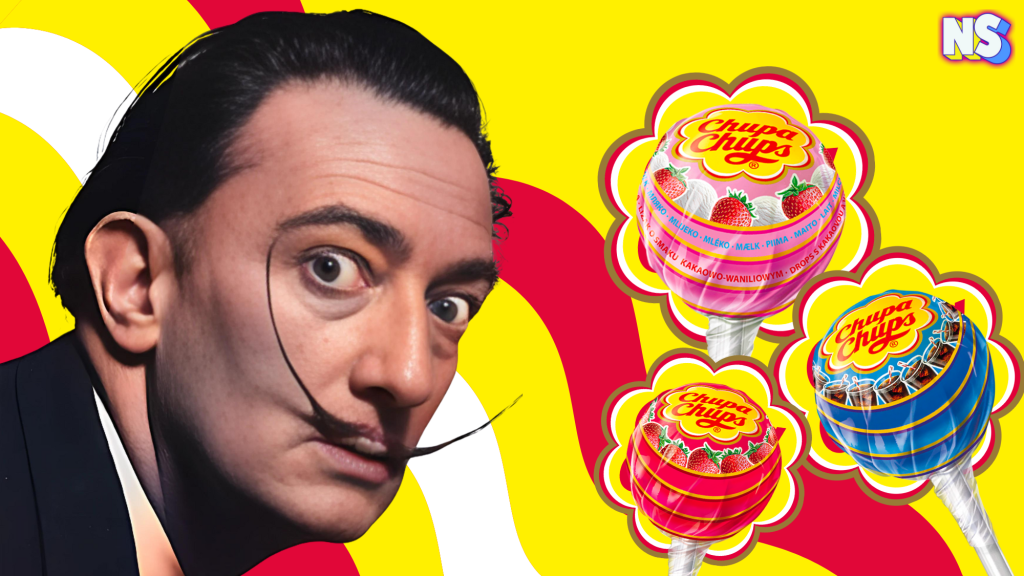
10. Surrealism: The Dreamer’s Playground
Description: Surrealism is like the design world’s dream sequence—realistic elements blended with dreamlike visuals. It’s about creating a sense of wonder and intrigue.
Case Study: Salvador Dalí’s collaboration with Chupa Chups infused surrealistic elements into the brand’s playful aesthetic. It’s like they took a candy and turned it into a piece of art.
Example: Chupa Chups logo and branding campaigns. It’s like a visual riddle—fun, quirky, and a little bit puzzling.
11. Memphis Design: The Party Animal
Description: Memphis Design is like the life of the design party—playful, colorful, and geometric. It’s all about making things fun and exciting.
Case Study: Spotify’s early campaigns used Memphis-inspired elements to appeal to younger audiences. It’s like they threw a design rave and invited everyone.
Example: 2019 “Wrapped” campaign. It’s like a design confetti explosion—vibrant, energetic, and impossible to ignore.
12. Bauhaus Design: The Functionalist
Description: Bauhaus Design is like the design world’s engineer—functionality meets aesthetics, emphasizing geometric forms and primary colors. It’s about making things that are both beautiful and useful.
Case Study: Airbnb’s branding subtly incorporates Bauhaus principles through clean layouts and intuitive UI design. It’s like they built a design bridge between form and function.
Example: Airbnb’s website redesign (2014). It’s like a design handshake—welcoming, efficient, and well-structured.
13. Cyberpunk: The Neon Dream
Description: Cyberpunk is like the design world’s neon-lit dystopia—futuristic, edgy, and a little bit rebellious. It’s about blending high-tech with low-life.
Case Study: CD Projekt Red’s “Cyberpunk 2077” promotional materials embody the essence of cyberpunk, featuring neon lights and urban chaos. It’s like they built a digital cityscape and invited you to explore.
Example: Cyberpunk 2077 launch posters. It’s like a visual acid trip—vibrant, chaotic, and utterly captivating.
14. Organic Design: The Nature Lover
Description: Organic Design is like the design world’s tree-hugger—flowing shapes, earthy tones, and a love for nature. It’s about creating designs that feel natural and harmonious.
Case Study: Aesop’s packaging and retail store designs reflect organic principles with minimal, nature-inspired aesthetics. It’s like they took a walk in the forest and brought back some design inspiration.
Example: Aesop skincare stores. It’s like stepping into a botanical garden—calming, refreshing, and beautifully designed.
15. Vintage/Retro Design: The Nostalgic Soul
Description: Vintage/Retro Design is like the design world’s time traveler—evoking nostalgia using elements from specific past decades. It’s about bringing back the good old days with a modern twist.
Case Study: Coca-Cola uses vintage branding for limited-edition products to create nostalgia. It’s like they bottled up a piece of history and handed it to you.
Example: Coca-Cola’s 125th Anniversary Campaign. It’s like a design time capsule—classic, timeless, and always refreshing.
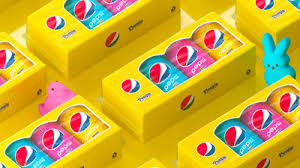
16. Kitsch Design: The Quirky Entertainer
Description: Kitsch Design is like the design world’s party animal—bold, playful, and unapologetically over the top. It’s all about embracing the gaudy, the sentimental, and the downright tacky, often with a wink and a nod. Think of it as the design equivalent of wearing socks with sandals—it’s so wrong, it’s right.
Case Study: Pepsi’s collaboration with Peeps, the marshmallow candy, is a prime example of Kitsch Design. They combined pastel colors, quirky patterns, and a sense of fun to create a product that was both nostalgic and novel. It’s like they took a sugar rush and turned it into a beverage.
Example: Pepsi x Peeps packaging (2021). It’s like a candy-colored fever dream—sweet, sticky, and impossible to ignore.
17. Grunge Design: The Rebel
Description: Grunge Design is the design world’s bad boy—distressed textures, muted tones, and a gritty, rebellious vibe. It’s about embracing imperfection and celebrating the raw, unpolished side of life. Think of it as the design equivalent of a leather jacket—edgy, cool, and a little bit dangerous.
Case Study: Nirvana’s album covers and merchandise epitomize Grunge Design. They used distressed fonts, dark colors, and a DIY aesthetic to capture the angst and energy of the grunge movement. It’s like they took a flannel shirt and turned it into art.
Example: Nevermind album artwork. It’s like a visual mosh pit—chaotic, raw, and full of attitude.
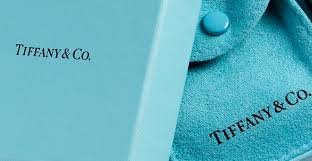
18. Monochromatic Design: The Minimalist’s Dream
Description: Monochromatic Design is like the design world’s zen master—using shades, tints, and tones of a single color to create harmony and simplicity. It’s about finding beauty in uniformity and creating a cohesive, soothing aesthetic. Think of it as the design equivalent of a single-origin coffee—pure, unadulterated, and satisfying.
Case Study: Tiffany & Co.’s exclusive use of Tiffany Blue in its packaging and marketing defines its luxurious identity. They’ve turned a single color into a symbol of elegance and exclusivity. It’s like they took a color and made it a status symbol.
Example: Tiffany & Co. boxes and ads. It’s like a visual lullaby—calming, consistent, and unmistakably chic.
19. Isometric Design: The 3D Illusionist
Description: Isometric Design is like the design world’s magician—creating 3D-like, detailed compositions on a 2D plane. It’s about adding depth and dimension without the need for perspective, making flat designs pop. Think of it as the design equivalent of a hologram—mesmerizing, intricate, and a little bit mind-bending.
Case Study: Slack’s illustrations for onboarding and marketing frequently use Isometric Design to explain complex ideas simply. They’ve mastered the art of making the complicated look easy and engaging. It’s like they took a Rubik’s Cube and turned it into a user-friendly interface.
Example: Slack’s website graphics. It’s like a visual puzzle—intricate, engaging, and rewarding to explore.
20. Asymmetrical Design: The Rule Breaker
Description: Asymmetrical Design is like the design world’s rebel—breaking symmetry rules for a dynamic effect. It’s about creating tension and interest by deliberately avoiding balance, making designs feel more organic and lively. Think of it as the design equivalent of a jazz solo—unexpected, thrilling, and full of surprises.
Case Study: Nike’s advertisements use Asymmetry to focus attention on athletes and their movements. They’ve turned the human form into a dynamic, ever-evolving design element. It’s like they took a sprint and turned it into a visual masterpiece.
Example: “Just Do It” campaign visuals. It’s like a visual sprint—fast-paced, energetic, and impossible to look away from.
Conclusion: The Design Buffet
In the grand buffet of design styles, there’s something for every palate. Whether you’re craving the bold flavors of Maximalism, the clean lines of Minimalism, or the rebellious spirit of Grunge, the world of design offers a smorgasbord of aesthetics to feast upon. So, the next time you’re planning a branding campaign or designing a new product, consider which design style best serves your message and resonates with your audience. After all, in the world of design, as in life, variety is the spice of creativity.
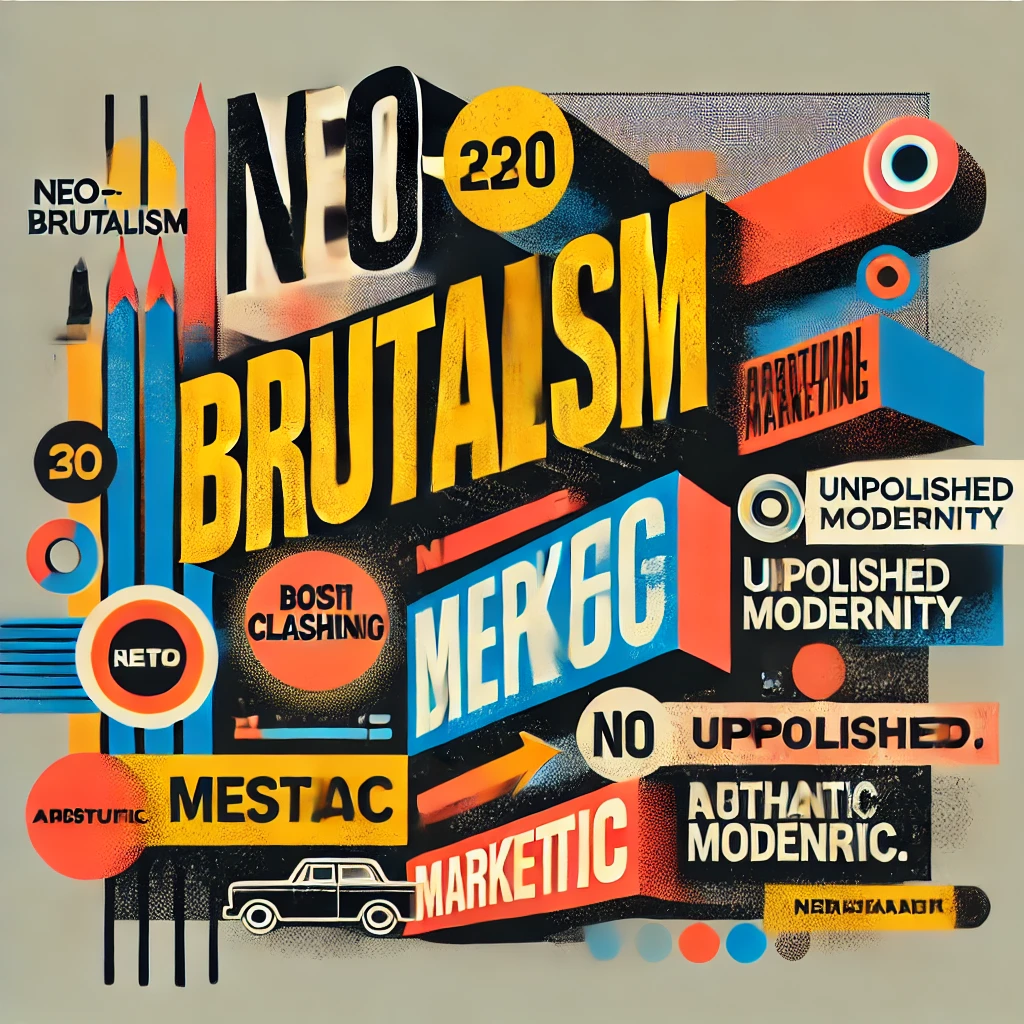
Welcome to 2025, where design is taking a hard left turn into a raw, edgy aesthetic that’s as unapologetic as your Gen Z cousin at a family reunion. That’s right—Neo-Brutalism is here, and it’s ready to bulldoze the overly polished, pastel-drenched world of marketing we’ve been living in.
So, buckle up as we dive into what Neo-Brutalism is, why it’s making waves in marketing, and how it’s setting the stage to revolutionize design trends in 2025. Think of this as your VIP pass to a gritty, vibrant, and slightly chaotic marketing rave.
What is Neo-Brutalism?
Neo-Brutalism is like the rebellious younger sibling of Brutalism, the architectural movement of the mid-20th century. While its predecessor gave us stark concrete buildings that screamed “function over form,” Neo-Brutalism has brought that ethos into the digital age with a twist of irony, boldness, and punk-rock flair.
In marketing design, Neo-Brutalism is all about:
1. Raw Elements: Bold fonts, clashing colors, unpolished textures.
2. Minimalism Meets Chaos: Clean layouts interrupted by bold disruptions.
3. Nostalgia with an Edge: A retro vibe with a futuristic punch.
It’s a visual style that feels authentic and raw, catering perfectly to audiences craving honesty in a world of airbrushed perfection.
Why Neo-Brutalism is Trending in Marketing
1. The Death of the Glossy Aesthetic
We’ve had enough of sterile, hyper-sanitized designs. People are craving something real, raw, and relatable—enter Neo-Brutalism. It’s like saying, “Here’s our brand, flaws and all.”
Example:
Look at Supreme’s 2025 Campaign. With its use of gritty textures, bold block typography, and unapologetically clashing colors, it’s a Neo-Brutalist dream.
2. Gen Z’s Love for Authenticity
Gen Z doesn’t just want brands; they want real brands. Neo-Brutalism aligns perfectly with their desire for transparency. This aesthetic screams, “No filters, no fluff—just us.”
Example:
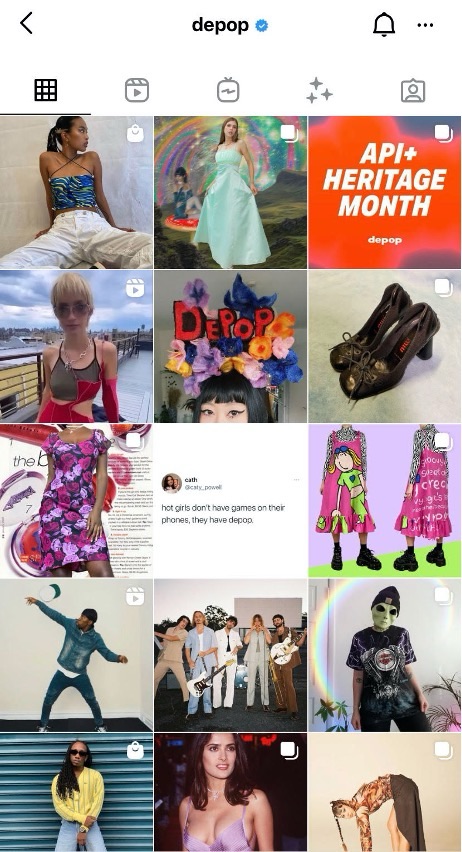
Depop, the fashion resale app, leans heavily into Neo-Brutalism with raw, user-generated content combined with edgy design elements that resonate with its Gen Z audience.
3. The Revival of Nostalgia
Neo-Brutalism taps into our collective nostalgia while keeping things fresh. It takes the gritty charm of the 80s and 90s and fuses it with 2025 tech vibes.
Example:
Remember Spotify Wrapped 2024? It had all the hallmarks of Neo-Brutalism: clashing neon hues, blocky text, and chaotic yet captivating layouts.
4. Standing Out in the Crowd
In a sea of Canva templates, Neo-Brutalism dares to be different. It grabs attention with its raw energy, making it perfect for brands trying to disrupt.
Example:
VICE Media has fully embraced Neo-Brutalism. Their 2025 rebranding campaign featured raw, unfiltered visuals that looked like a mixtape cover from the 80s—pure brilliance.
How Neo-Brutalism is Revolutionizing Design Trends in 2025
1. Web Design: Say Goodbye to Symmetry
Websites are becoming chaotic (in a good way). Think asymmetrical grids, bold colors, and oversized typography.
Case Study:
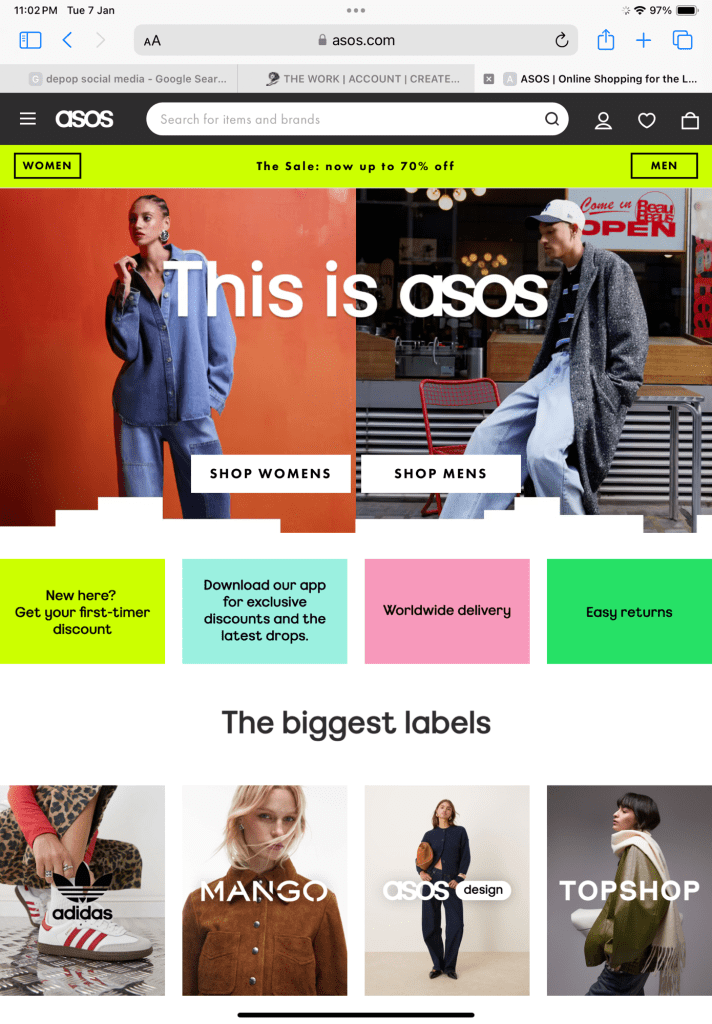
The 2025 website relaunch of ASOS used Neo-Brutalist web design to create a bold, dynamic shopping experience. Oversized images, broken layouts, and raw, unpolished textures were a hit with younger audiences.
2. Social Media Graphics: From Polished to Punk
Brands are ditching overly curated feeds for designs that feel spontaneous and raw.
Case Study:
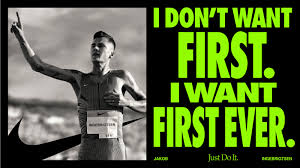
Nike’s Social Media in 2025 is a Neo-Brutalist playground. Their posts feature unfiltered athlete shots, clashing color palettes, and graffiti-inspired typography.
3. Advertising Campaigns: Bold and Unapologetic
Traditional ad campaigns are embracing the raw, authentic vibe of Neo-Brutalism.
Case Study:
Gucci’s 2025 Campaign threw out the rulebook with a series of ads that looked like torn magazine collages, complete with scrawled text and deliberately rough edits.
4. UI/UX Design: Function Meets Grit
Neo-Brutalist UI/UX design blends stark minimalism with bold, disruptive elements that challenge the user (in a good way).
Case Study:
Apple’s AR Experience in 2025 uses Neo-Brutalism to create an engaging, slightly chaotic interface that feels fresh and exciting.
5. Packaging Design: Art Meets Anarchy
Neo-Brutalism is making product packaging a statement piece.
Case Study:
Pepsi’s Limited Edition Neo-Brutalist Cans featured raw, hand-drawn graphics and clashing colors that became a collector’s item overnight.
6. Event Marketing: Raw and Experiential
Events are becoming immersive Neo-Brutalist experiences with unpolished, industrial vibes.
Case Study:
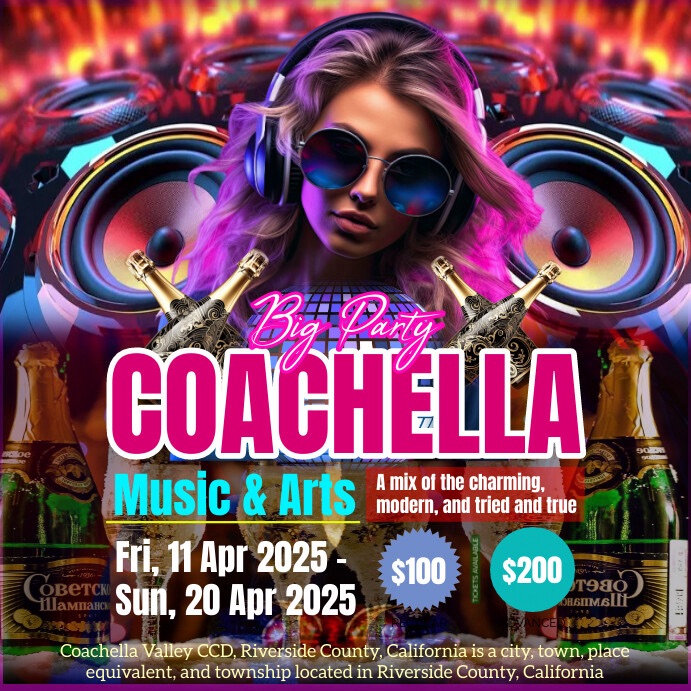
The 2025 Coachella Marketing Campaign featured raw, gritty visuals that matched the festival’s edgy, rebellious vibe.
How to Embrace Neo-Brutalism in Your Marketing
1. Be Bold: Experiment with clashing colors and oversized typography.
2. Keep it Raw: Let your imperfections shine—authenticity is key.
3. Ditch the Rules: Asymmetry and chaos can be your best friends.
4. Add Texture: Bring in unpolished, gritty textures for depth.
Why Neo-Brutalism is Here to Stay
The rise of Neo-Brutalism isn’t just a trend; it’s a reaction to the polished perfection we’ve been inundated with for years. It’s a movement toward honesty, creativity, and individuality.
As we navigate the chaotic world of 2025, this aesthetic feels more relevant than ever—it’s real, raw, and refreshingly human. So, whether you’re a marketer, designer, or just someone who loves bold visuals, get ready to embrace the brutal (in the best way possible).
After all, 2025 isn’t about fitting in—it’s about standing out, and Neo-Brutalism is here to help us do just that.
What do you think? Ready to dive into the world of Neo-Brutalism? Or is this aesthetic too raw for your taste? Share your thoughts in the comments—let’s get brutally honest!
Marketing can be a lot like a first date. Too much enthusiasm? You scare them off. Too little? They forget you. Enter the 7:7 rule, a game-changing principle that balances frequency and impact, ensuring your brand becomes memorable without being annoying. Whether you’re a startup or a global empire, this rule is the marketing equivalent of finding the sweet spot. Let’s dive in!
What Is the 7:7 Rule of Marketing?
The 7:7 rule states that:
1. A prospect needs to interact with your brand at least 7 times before they trust you enough to convert.
2. Your messaging needs to be consistent across at least 7 different platforms or touchpoints.
Why 7? It’s a magical number for the human brain. Research shows that our memory thrives on repetition, but not too much. Seven interactions allow familiarity to grow without overwhelming the audience.
Think of it as planting seeds. The first time someone hears about your brand, they’re skeptical. By the seventh time, they’re intrigued.
Why the 7:7 Rule Works
1. Repetition Builds Trust:
• Trust isn’t built overnight. The more people see your brand in positive, helpful contexts, the more they associate you with reliability.
2. Consistency Wins Hearts:
• Scattered messaging confuses people. The 7:7 rule ensures your story stays uniform, making it easier to connect emotionally.
3. Diverse Platforms, Diverse Audiences:
• Being on multiple platforms increases your chances of catching someone’s attention where they already spend time.
How to Apply the 7:7 Rule in Marketing
1. Know Your Audience
Before you even think about “7,” you need to know who you’re talking to. Is your audience binge-watching TikTok, scrolling LinkedIn, or casually Googling solutions to their problems? Map out their online behavior.
Pro Tip: Use tools like Google Analytics and social media insights to see where your audience hangs out.
2. Craft a Core Message
Your core message should act like the chorus of a song—consistent and catchy. Whether it’s “Just Do It” or “Think Different,” repetition of your core message across platforms builds brand recall.
3. Leverage Multiple Platforms
To follow the 7-platform rule, spread your message across:
• Social Media: Facebook, Instagram, TikTok, LinkedIn, Twitter.
• Content Marketing: Blogs, videos, and infographics.
• Paid Ads: Google Ads, Meta Ads, etc.
• SEO: Optimize your site for organic traffic.
• Events or Webinars: Create real-time touchpoints.
• Influencer Collaborations: Partner with credible voices in your niche.
Pro Tip: Repackage content to fit platform-specific requirements. A blog post can be turned into a TikTok series, a LinkedIn article, and an Instagram carousel.
4. Use Retargeting Wisely
Ever searched for a product and started seeing its ads everywhere? That’s retargeting. It ensures your brand stays top of mind for potential customers.
But remember:
• Keep it subtle.
• Don’t bombard users.
• Make sure the ads are relevant and engaging.
5. Focus on Emotional Connections
Think about brands you love. They’re not just selling products—they’re selling feelings. Nike inspires greatness. Coca-Cola sells happiness. Your brand should evoke emotions that resonate deeply.
Case Studies: The 7:7 Rule in Action
1. Nike: Just Doing It Everywhere
Nike doesn’t just tell you to “Just Do It” once. It tells you on Instagram with athlete endorsements, reinforces it in their apps through gamified challenges, and makes sure you see it on TV during major sporting events.
Nike’s 7 platforms:
1. Social media ads
2. TV commercials
3. Sponsored athletes
4. In-app notifications
5. Email newsletters
6. Billboards
7. Physical stores
By the seventh touchpoint, you’re lacing up your running shoes.
pple: Simplicity That Speaks
2. Apple
Apple’s branding feels like a zen master whispering in your ear: “Buy me. I’ll make your life easier.” Their message—innovation through simplicity—is echoed on their website, in their minimalist product packaging, in-store experience, and even in keynote presentations.
Apple’s 7 platforms:
1. Website design
2. Product packaging
3. Social media campaigns
4. Keynotes
5. Email marketing
6. Apple stores
7. Television ads
After seven interactions, you’re not just buying a phone; you’re joining a lifestyle.
3. Coca-Cola: Taste the Feeling Everywhere
Coca-Cola’s branding is all about emotions. From seasonal campaigns (Holidays are Coming!) to grassroots community events, their message—joy and togetherness—follows you everywhere.
Coca-Cola’s 7 platforms:
1. Seasonal TV ads
2. Social media campaigns
3. Event sponsorships
4. Billboards
5. Influencer collaborations
6. Vending machines with personalized cans
7. Merchandising (think T-shirts and mugs)
By the seventh encounter, you’re smiling while sipping.
4. Airbnb: Belong Anywhere
Airbnb’s message is consistent: “You’re not just booking a room; you’re living like a local.” Their multi-channel strategy ensures you understand this whether you’re scrolling through their app or watching a Super Bowl ad.
Airbnb’s 7 platforms:
1. Instagram stories
2. User-generated content
3. TV commercials
4. SEO-optimized blog posts
5. Mobile app notifications
6. Email campaigns
7. Partnerships with local influencers
By the time you’ve seen it all, you’re planning your next vacation.
5. Spotify: Wrapped in Personalization
Spotify’s yearly Wrapped campaign is a masterclass in the 7:7 rule. It hits you on social media, through email, and in-app notifications, reminding you why you love them.
Spotify’s 7 platforms:
1. Personalized in-app playlists
2. Social media shareable graphics
3. Email updates
4. Sponsored podcasts
5. YouTube ads
6. Billboard ads
7. Brand partnerships (e.g., Starbucks playlists)
After seven interactions, you’re proudly sharing your Wrapped playlist with the world.
6. Tesla: Driving Change
Tesla doesn’t do traditional advertising. Instead, it leverages word-of-mouth, a compelling website, and Elon Musk’s social media presence to tell its story.
Tesla’s 7 platforms:
1. CEO’s Twitter feed
2. Tesla website
3. Product launches
4. Email updates
5. YouTube product reviews
6. Social media fan pages
7. Test drive events
By the seventh touchpoint, you’re considering an electric future.
7. Patagonia: Activism Meets Adventure
Patagonia’s branding isn’t just about selling outdoor gear—it’s about saving the planet. From their “Don’t Buy This Jacket” campaign to their environmental activism, every interaction reinforces their core values.
Patagonia’s 7 platforms:
1. Social media advocacy posts
2. Eco-friendly email newsletters
3. Event sponsorships
4. Branded YouTube documentaries
5. In-store sustainability initiatives
6. Product labeling (repair guides!)
7. Website content on environmental causes
By the seventh interaction, you’re a customer and an advocate.
8. Netflix: Entertainment Everywhere
Netflix is more than just a streaming service—it’s a cultural phenomenon. Its recommendation engine, pop culture references, and marketing campaigns ensure it’s always top of mind.
Netflix’s 7 platforms:
1. In-app recommendations
2. Social media memes
3. Push notifications
4. Billboards for original series
5. YouTube trailers
6. Email updates
7. Partnerships with influencers
After seven touchpoints, you’re binge-watching your next obsession.
9. Dove: Real Beauty, Real Impact
Dove’s Real Beauty campaigns use every touchpoint to deliver a message of self-esteem and inclusivity, from viral videos to educational workshops.
Dove’s 7 platforms:
1. Viral YouTube campaigns
2. Instagram reels
3. Real Beauty workshops
4. In-store product displays
5. Magazine ads
6. Email newsletters
7. Billboards
By the seventh encounter, you’re inspired to redefine beauty.
10. Red Bull: Gives You Wings Everywhere
Red Bull is synonymous with energy and adventure. Its branding spans extreme sports events, social media, and even a space jump (remember Felix Baumgartner?).
Red Bull’s 7 platforms:
1. Extreme sports sponsorships
2. Viral YouTube stunts
3. Branded event merchandise
4. Instagram reels
5. TV commercials
6. Email newsletters
7. On-the-ground events
By the seventh touchpoint, you’re feeling the adrenaline.
The 7:7 rule isn’t just a marketing gimmick—it’s a tried-and-true formula for staying relevant and memorable. By using multiple platforms and consistent messaging, you can take your brand from obscure to unforgettable.
Now it’s your turn:
• Map out 7 touchpoints your audience interacts with.
• Create a consistent message that resonates across these platforms.
• Track your progress and tweak as needed.
VRemember, the seventh time’s not just the charm—it’s the conversion!
Common Mistakes to Avoid
1. Overexposure:
Bombarding your audience with the same ad on every platform can backfire. Nobody likes a pushy salesperson.
Solution: Make interactions subtle and value-driven.
2. Inconsistent Messaging:
If your tone is serious on LinkedIn but goofy on Instagram, you confuse your audience.
Solution: Stay consistent with your brand voice everywhere.
3. Ignoring Analytics:
You can’t apply the 7:7 rule blindly. Measure your results to see what’s working.
Solution: Use KPIs like click-through rates, engagement rates, and conversions to fine-tune your strategy.
Conclusion: The 7:7 Rule Is Marketing Gold
Think of the 7:7 rule as your marketing GPS. It guides you to the perfect balance of frequency and variety, helping your brand stay top of mind without overstepping.
So, what’s your next move? Craft your message. Find your platforms. And let the magic number 7 work its charm.
After all, the seventh time’s the charm. Or as I like to say, the seventh time’s when the sale happens.
In the age of influencer culture and personal branding, have you ever wondered how yesteryear’s leaders would stack up as brands? Imagine Napoleon Bonaparte launching a bold “Conquer the World” cologne or Abraham Lincoln endorsing a “Unity & Freedom” leadership program. From shaping empires to rallying revolutions, these historical icons weren’t just leaders; they were the original masters of personal branding.
In this blog, we’ll analyze the “brand personalities” of some of history’s most prominent leaders, including Napoleon, Adolf Hitler, Abraham Lincoln, and more. What made them resonate with millions? And if they were alive today, how would their “brands” thrive in our world of hashtags and viral trends? Let’s dive in.
1. Napoleon Bonaparte: The Ambitious Overachiever Brand
Brand Archetype: The Ruler
Tagline: “Destined for Greatness”
Napoleon’s brand was all about ambition and authority. At just 5’6” (or so the rumors go), he became a towering figure in European history. He embodied the Ruler archetype, obsessed with control, structure, and expanding his empire.
Attributes of Brand Napoleon:
• Strategic Genius
• Determined Visionary
• Relentless Overachiever
Modern Brand Parallel: Steve Jobs
Like Jobs, Napoleon had a knack for thinking several steps ahead. He was uncompromising in his pursuit of perfection and innovation (case in point: his Code Napoléon still influences legal systems today).
Napoleon in Today’s World:
Napoleon’s LinkedIn bio would read: “Driven leader with a track record of unifying nations under my vision. Skilled in strategy, leadership, and outsmarting coalitions.” Expect Napoleon to launch a line of management books titled “Think Big, Rule Bigger.”
2. Abraham Lincoln: The Honest Idealist Brand
Brand Archetype: The Sage
Tagline: “Truth. Integrity. Freedom.”
Lincoln’s brand exuded wisdom, empathy, and justice. He was a true Sage, offering knowledge and inspiration to a divided nation. His leadership during the Civil War and his commitment to abolishing slavery cemented his status as an enduring symbol of moral authority.
Attributes of Brand Lincoln:
• Empathy and Integrity
• Persuasive Orator
• Resilient Visionary
Modern Brand Parallel: Nelson Mandela
Both leaders inspired change through calm resolve and unshakeable belief in equality and justice.
Lincoln in Today’s World:
Imagine Lincoln hosting a TED Talk titled “Leadership in the Darkest Hour.” His viral quote? “Whatever you are, be a good one.” Expect Honest Abe to dominate Twitter with motivational snippets.
3. Adolf Hitler: The Dark Charismatic Brand
Brand Archetype: The Rebel (for destructive ends)
Tagline: “One Vision. Total Control.”
Adolf Hitler’s brand was built on propaganda, manipulation, and a dangerously magnetic charisma. As the Rebel, he used anti-establishment rhetoric to incite radical change. However, his brand is a cautionary tale of the destructive power of unchecked ambition and populism.
Attributes of Brand Hitler:
• Master Manipulator
• Charismatic Orator
• Ruthless Propagandist
Modern Brand Parallel: None (but his manipulation techniques are studied extensively in marketing and psychology).
Hitler in Today’s World:
Hitler’s branding would likely thrive in the darkest corners of social media, where echo chambers amplify divisive narratives. He would weaponize algorithms for propaganda, showing the dark side of branding’s power.
4. Cleopatra: The Seductive Strategist Brand
Brand Archetype: The Lover
Tagline: “Power Wrapped in Passion.”
Cleopatra’s brand was a masterclass in leveraging beauty, intelligence, and allure for political advantage. As the Lover, she built powerful alliances with Julius Caesar and Mark Antony, using her charm to secure Egypt’s sovereignty.
Attributes of Brand Cleopatra:
• Enigmatic Charm
• Political Acumen
• Fearless Leader
Modern Brand Parallel: Rihanna
Cleopatra’s blend of charisma, strategy, and boldness resembles Rihanna’s unapologetic approach to personal branding.
Cleopatra in Today’s World:
Picture Cleopatra launching a luxury beauty line called “Nile Secrets,” complete with gold-infused skincare products. Instagram? Dominated by her selfies with captions like, “Empires are built on confidence, darling.”
5. Mahatma Gandhi: The Minimalist Revolutionary Brand
Brand Archetype: The Innocent
Tagline: “Change Begins with Simplicity.”
Gandhi’s brand was rooted in humility and non-violence. As the Innocent, he appealed to universal values of peace and justice, earning global respect as the moral compass of India’s independence movement.
Attributes of Brand Gandhi:
• Simplicity and Humility
• Relentless Activism
• Visionary Leadership
Modern Brand Parallel: Greta Thunberg
Like Gandhi, Greta uses peaceful resistance and moral conviction to inspire change on a global scale.
Gandhi in Today’s World:
Gandhi would be the ultimate influencer for sustainable living, promoting zero-waste lifestyles and ethical consumerism. His YouTube channel? Tutorials on spinning your own clothes, of course.
6. Winston Churchill: The Resilient Bulldog Brand
Brand Archetype: The Hero
Tagline: “Keep Calm and Lead On.”
Churchill’s brand was one of resilience, humor, and unshakable determination. As the Hero, he inspired hope during World War II, famously stating, “We shall never surrender.”
Attributes of Brand Churchill:
• Commanding Orator
• Stubborn Determination
• Strategic Visionary
Modern Brand Parallel: Elon Musk
Both men are divisive yet undeniably brilliant, combining visionary ideas with dogged execution.
Churchill in Today’s World:
Churchill would have a podcast titled “Courage Under Fire,” filled with stories of wartime leadership and witty one-liners. Twitter? A storm of quotable mic-drops.
7. Joan of Arc: The Fearless Visionary Brand
Brand Archetype: The Explorer
Tagline: “Lead with Faith.”
Joan of Arc’s brand was fearless and visionary, rooted in her spiritual conviction. As the Explorer, she challenged societal norms and inspired loyalty through her divine mission.
Attributes of Brand Joan:
• Unwavering Faith
• Fearless Leadership
• Visionary Spirit
Modern Brand Parallel: Malala Yousafzai
Both young women stood against oppression, becoming symbols of courage and resilience.
Joan in Today’s World:
Joan would headline motivational conferences with talks like “Faith Over Fear.” Her Instagram feed? Inspirational quotes over dramatic battlefield imagery.
8. Theodore Roosevelt: The Action-Oriented Adventurer Brand
Brand Archetype: The Hero/Explorer
Tagline: “Dare Greatly.”
Roosevelt’s brand was about action, energy, and living life to the fullest. He embodied the Hero and Explorer archetypes, leading with courage while exploring uncharted territories.
Attributes of Brand Teddy:
• Adventurous Spirit
• Boundless Energy
• Inspiring Leadership
Modern Brand Parallel: Bear Grylls
Like Grylls, Roosevelt’s adventurous persona would translate seamlessly into modern branding.
Roosevelt in Today’s World:
Teddy would dominate YouTube with outdoor adventure vlogs, featuring survival tips and motivational speeches. His brand? Rugged outdoor gear called “Rough Rider.”
Final Thoughts: History’s Leaders, Modern Lessons
While these leaders lived in different eras, their legacies reflect timeless branding lessons. Whether it’s Lincoln’s honesty, Cleopatra’s charisma, or Churchill’s resilience, they all understood how to connect with their “audience.” In today’s digital age, these figures would thrive (or falter) based on how well they adapted their branding strategies to a hyper-connected world.
Who’s your favorite historical figure, and how do you think their brand would evolve today? Let us know in the comments!
Ah, the Brand Essence Wheel. It’s like the Rosetta Stone of branding—decipher it, and suddenly everything makes sense. Yet, while the concept sounds like something you’d learn at an Ivy League marketing class (cue dramatic PowerPoint transitions), it’s really just about understanding one simple thing: What makes your brand tick?
If your brand were a person, what would they say, wear, or binge-watch on Netflix? The Brand Essence Wheel helps answer those questions, albeit in a slightly more structured (and less awkward) way. Think of it as speed dating for brands.
Ready to jump in? Let’s decode this mighty wheel of wonder in the most unboring way possible.
What Is the Brand Essence Wheel?
Imagine your brand as an onion—layered, complex, and sometimes tear-inducing. The Brand Essence Wheel is how you peel back those layers without making a mess. It’s a framework that breaks your brand into components, moving from the tangible to the intangible, ultimately revealing your brand’s core essence—its soul.
Here’s the basic structure:
1. Attributes: The facts about your brand (the “what”).
2. Benefits: The value it brings (the “why”).
3. Personality: How it behaves (the “who”).
4. Values: What it stands for (the “purpose”).
5. Essence: The distilled truth, the “Aha!” moment that defines your brand.
How Does It Work?
Think of it like assembling a lasagna (because who doesn’t love lasagna?). You layer each part carefully:
1. Start with the noodles (attributes).
2. Add the sauce (benefits).
3. Sprinkle the cheese (personality).
4. Bake it with love (values).
5. Serve the perfect slice (essence).
Once done, you’ve got a dish—or brand essence—that customers can’t resist.
Why Should You Care About the Brand Essence Wheel?
Well, without it, your brand might end up like a forgettable side salad—functional but utterly unremarkable. The Wheel ensures every layer of your brand story aligns, resonates, and leaves an unforgettable taste (metaphorically speaking).
Think of Coca-Cola. Its brand essence is happiness. Every ad, every jingle, every bright red can screams joy. Without a defined essence, Coke would just be sugar water.
Breaking Down the Wheel: Examples That Rock the Brand Essence Game
1. Attributes: What’s the Deal?
These are the features and facts about your brand. Attributes are like your brand’s LinkedIn profile—polished, professional, but a little stiff.
• Example: IKEA
• Affordable furniture.
• DIY assembly.
• Scandinavian design.
• Meatballs (yes, they’re part of the brand vibe).
2. Benefits: Why Should We Care?
Here’s where we transition from cold facts to warm feelings. Benefits show customers how your brand makes their life better.
• Example: IKEA
• Affordable home solutions.
• Flexibility to customize.
• The joy of pretending you’re a carpenter (until you curse at missing screws).
3. Personality: If Your Brand Were a Person
Brands, like humans, have quirks, moods, and the occasional bad haircut. Personality is what makes your brand relatable and likeable—or, in some cases, gloriously weird.
• Example: Old Spice
• Quirky, confident, and ridiculously over-the-top.
• The guy who’d show up to a wedding riding a dolphin, but somehow still steal the show.
• Example: Tesla
• Visionary, innovative, and a little cheeky.
• Like the tech-savvy friend who talks about AI and space travel but still makes time to binge sci-fi.
4. Values: The Brand’s Moral Compass
Values are the heartstrings. They reflect what your brand stands for, beyond profits and product launches.
• Example: Patagonia
• Environmental stewardship.
• Sustainability.
• Activism (and the guts to say, “Don’t buy this jacket”).
• Example: Dove
• Real beauty.
• Empowerment.
• Breaking stereotypes, one Photoshop-free ad at a time.
5. Essence: The Holy Grail
Finally, we arrive at the golden nugget—the essence. This is your brand’s North Star, its raison d’être. If your brand were reduced to one sentence, this would be it.
• Example: Nike
• Empowerment through movement.
• Whether you’re an Olympian or someone jogging in dad sneakers, Nike whispers, “Just do it.”
• Example: Airbnb
• Belong anywhere.
• More than just accommodation—it’s a key to feeling at home, wherever you are.
Why the Brand Essence Wheel Works
It’s flexible, universal, and brutally honest. You can use it to refine a startup, revamp a legacy brand, or figure out why your side hustle feels “meh.”
But here’s the catch: The Wheel only works if you’re ready to face some hard truths. Is your brand actually funny, or does it just post memes? Are you really innovative, or are you just throwing in buzzwords?
Tips for Creating Your Brand Essence Wheel
1. Start with a Team Brainstorm: Ask everyone—designers, salespeople, your office cat—what they think the brand stands for.
2. Get Feedback from Customers: Your audience often sees your brand more clearly than you do.
3. Keep It Simple: Your essence isn’t a novel; it’s a tagline in disguise.
4. Iterate and Test: Brands evolve, and so should your Wheel. Revisit it annually, like a performance review but way cooler.
When Things Go Wrong: Brand Essence Fails
• Pepsi’s 2017 Ad: Attempting to equate soda with social justice? Oof.
• Gap’s Logo Redesign: Overnight, they ditched decades of heritage for a bland logo no one liked.
Both examples missed the essence of their brands, and customers called them out loudly.
Final Thoughts: Spin That Wheel!
The Brand Essence Wheel might sound like a fancy marketing buzzword, but it’s really just a mirror for your brand’s soul. Get it right, and your customers will feel like they’re connecting with a lifelong friend.
So, ready to create your Wheel? Start peeling back those layers—and remember, even the best brands sometimes shed a tear or two in the process.
Now, if you’ll excuse me, I’m off to eat some lasagna (and ponder what my personal brand essence might be).
Want to share your thoughts on the Wheel? Drop a comment below—let’s spin the branding conversation forward!