Pantone Color of the Year 2026: Cloud Dancer

Brace yourselves, colour connoisseurs: Pantone has flung open its celestial paint cupboard and bestowed upon the world… white.

Not the “I’ve washed my favourite T-shirt with a rogue red sock” kind of white.

Not even “hospital corridor at 3am” white.

This is Cloud Dancer (PANTONE 11-4201) — a white so serene, so delicate, so self-assured that it practically wafts into the room humming a spa playlist.

Pantone calls it “a lofty white” and “a symbol of calming influence.” Which is polite branding-speak for: We’ve all collectively had enough, so here’s a colour that refuses to raise its voice under any circumstances.

Look at Cloud Dancer as the universal white T-shirt of the colour world — except this one doesn’t shrink in the wash and has been given a formal personality analysis by Pantone’s global colour wizards.

Who Selected Pantone Color of the Year 2026?

The decision, contrary to popular belief, is not made by a group of interns spinning a colour wheel after lunch.

No, this is the work of the Pantone Color Institute, a team of colour anthropologists — yes, that’s a real job — who spend the year studying trends in design, culture, technology, and the general emotional soup humanity is simmering in.

Led by Leatrice Eiseman and Laurie Pressman, they observe everything from runway shows to memes, to the way people decorate their sourdough starters (remember that phase?), and declare:

“Aha! This is the colour that captures the global mood.”

In 2026, that mood is: For heaven’s sake, can we please have some calm?

Thus: Cloud Dancer.

Why Did Pantone Choose This Color for 2026?

You may be thinking: White? Seriously?

But Pantone didn’t just pick white — they picked a philosophical white, which is very different from the kind you paint over your landlord’s questionable taste in wall art.

Here’s why Cloud Dancer takes the 2026 crown:

1. Calming Influence

Pantone calls it “a whisper of calm and peace.”

Imagine the colour equivalent of a yoga instructor who only eats steamed vegetables and has never raised their voice.

2. Fresh Start & Renewal

It’s the blank canvas of colours — therapy, but make it matte.

Pantone says it symbolises clarity and new beginnings. It’s basically telling us:

“You’ve rebooted your WiFi router. Now reboot your life.”

3. Simplicity & Balance

In a world filled with push alerts, opinion threads, and 47 tabs open at once, Cloud Dancer is the colour that gently taps your shoulder and says:

“Let’s all settle down.”

4. Global Mood Reset

After years of collective chaos, white feels safe, clean, and healing.

It’s the aesthetic equivalent of freshly washed hotel sheets — the only truly pure thing left in this world.

Applications of Pantone Color of the Year 2026

Cloud Dancer won’t just sit quietly on a shelf at Pantone HQ. No, it will infiltrate your fashion, your home, your gadgets, and possibly your personality.

Fashion & Apparel

2026 fashion will be a runway of people dressed like very chic marshmallows.

Think “quiet luxury,” but quieter. Whisper luxury.

Cloud Dancer makes everything look expensive, even if it came from a mid-season sale bin.

Beauty & Cosmetics

Expect:

Off-white highlighters Frosty white eyeliners Nail polishes called things like “Distilled Serenity”

Packaging will be minimalist, serene, and guaranteed to look stunning in a flat-lay shot.

Home Décor & Interiors

Interior designers will behave like Cloud Dancer is the second coming of sliced bread.

Picture:

Off-white walls that say “I read Architectural Digest for fun” Soft furnishings that look like cumulonimbus clouds with a mortgage Dining rooms where you’re absolutely not allowed to eat spaghetti.

Art & Design

Minimalist pieces. Ethereal sculptures. Posters that simply read breathe.

Graphic designers will use Cloud Dancer as a background and insist it “makes the typography sing.”

Technology & Gadgets

Ah yes — the era of white gadgets.

Prepare for:

Cloud Dancer smartphones

Cloud Dancer headphones

Possibly even Cloud Dancer air fryers (because aesthetic snacks taste better)

Where to See Pantone Color of the Year 2026

Fashion Shows

Designers from New York to Paris will send models down runways looking like editorial snowflakes.

Retail Stores

Every store display will scream:

“Buy this. It will make your life look cleaner than it actually is.”

Advertising

Expect glossy ads featuring Cloud Dancer walls, Cloud Dancer products, and Cloud Dancer models named something like Astrid.

Social Media

Influencers will milk this colour like it’s a limited edition oat milk flavour.

Prepare for:

#CloudDancer2026 All-white outfit challenges Influencers drinking matcha in aggressively white rooms

Everyday Life

You’ll start seeing off-white cars, houses, handbags, shoes — a sea of slightly warm whites everywhere you turn.

It’s subtle. It’s serene. It’s everywhere.

Final Thoughts

Cloud Dancer may not shout. It may not sparkle. It may not even look like much at first glance.

But that’s its superpower.

It’s the colour of simplicity, serenity, and a world that desperately needs both. A colour that promises a reset — without making you meditate on a cliff at sunrise.

So go ahead, embrace Cloud Dancer. Paint a wall. Buy a coat. Post a photo of your coffee cup on an off-white table and hashtag it like you mean it.

2026 is going to be quietly glamorous — and wonderfully white.

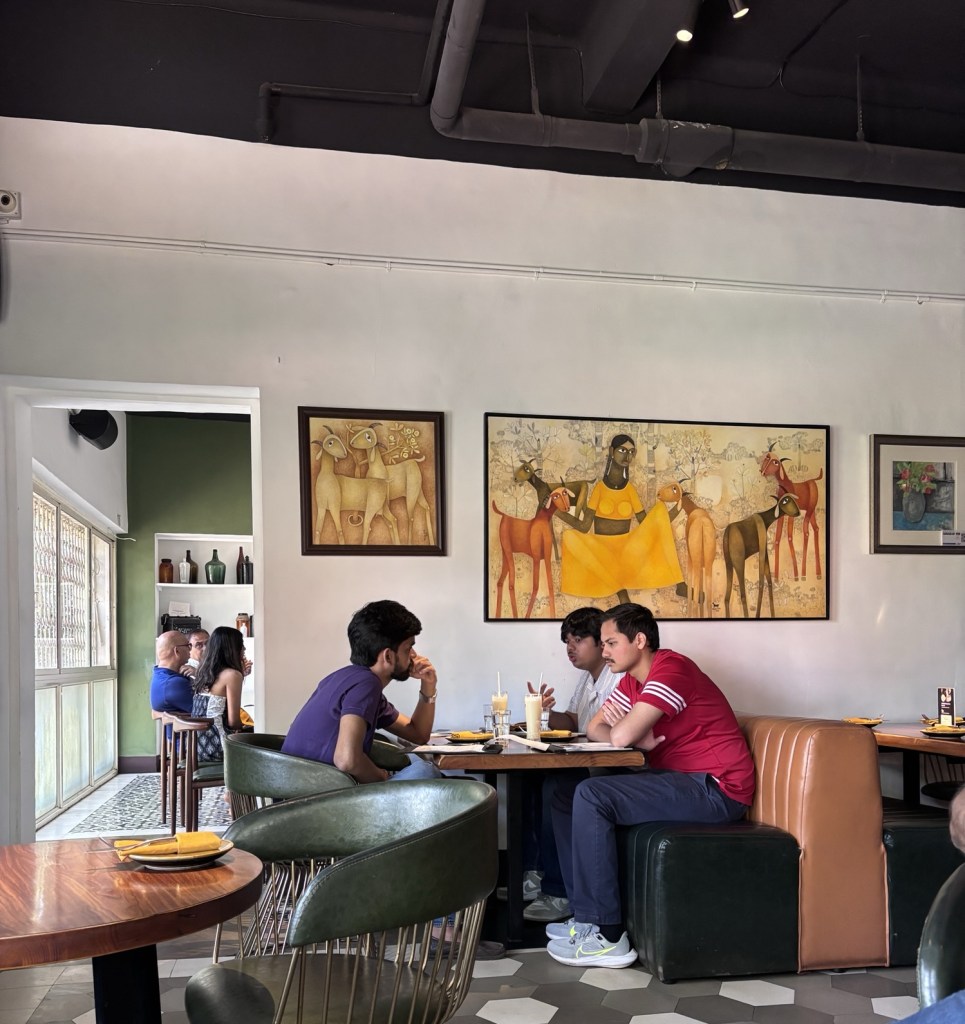
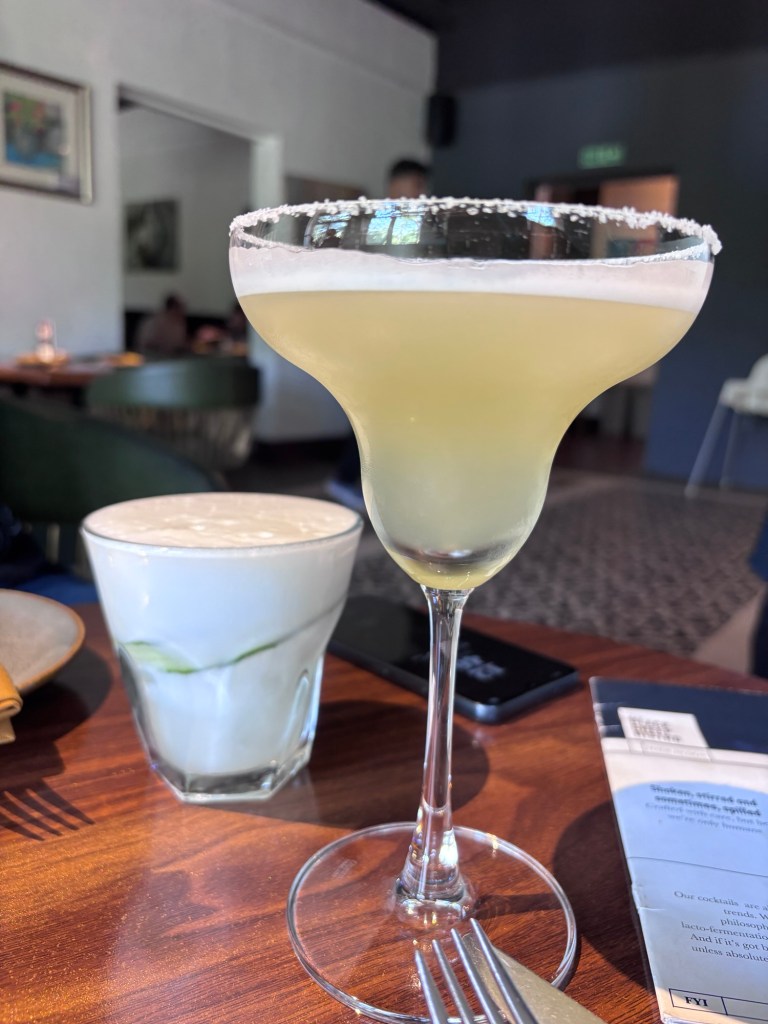
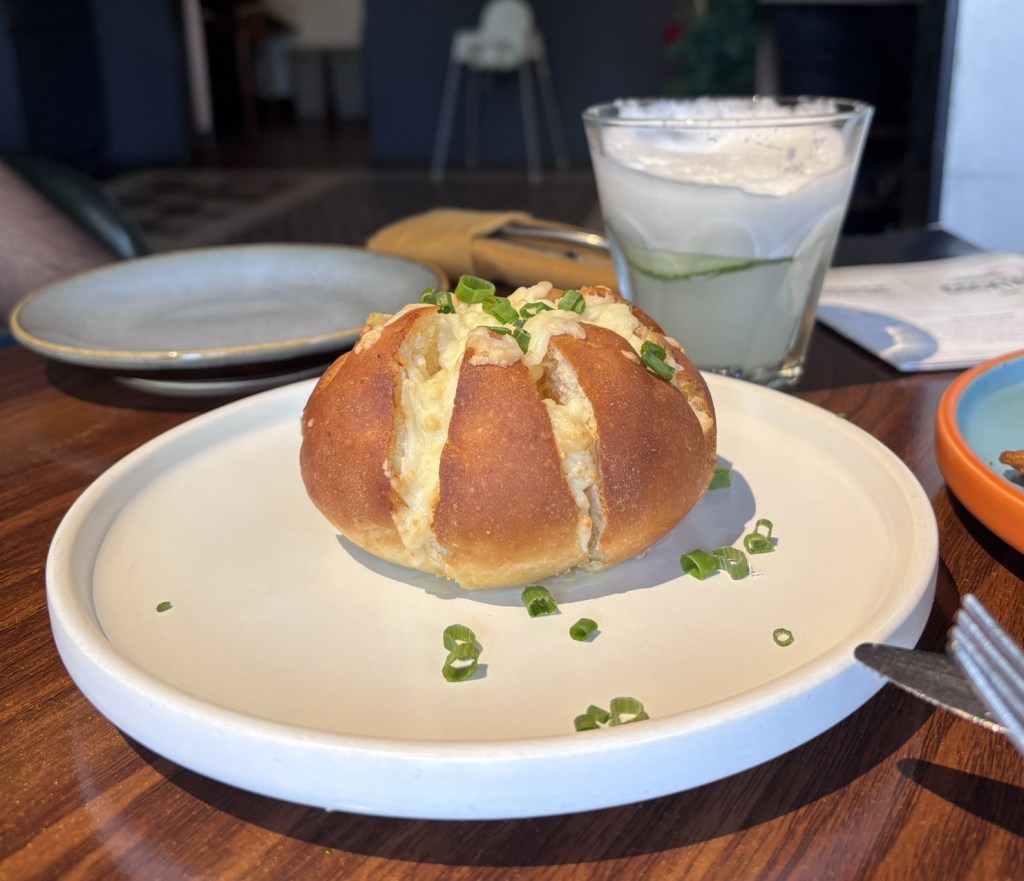
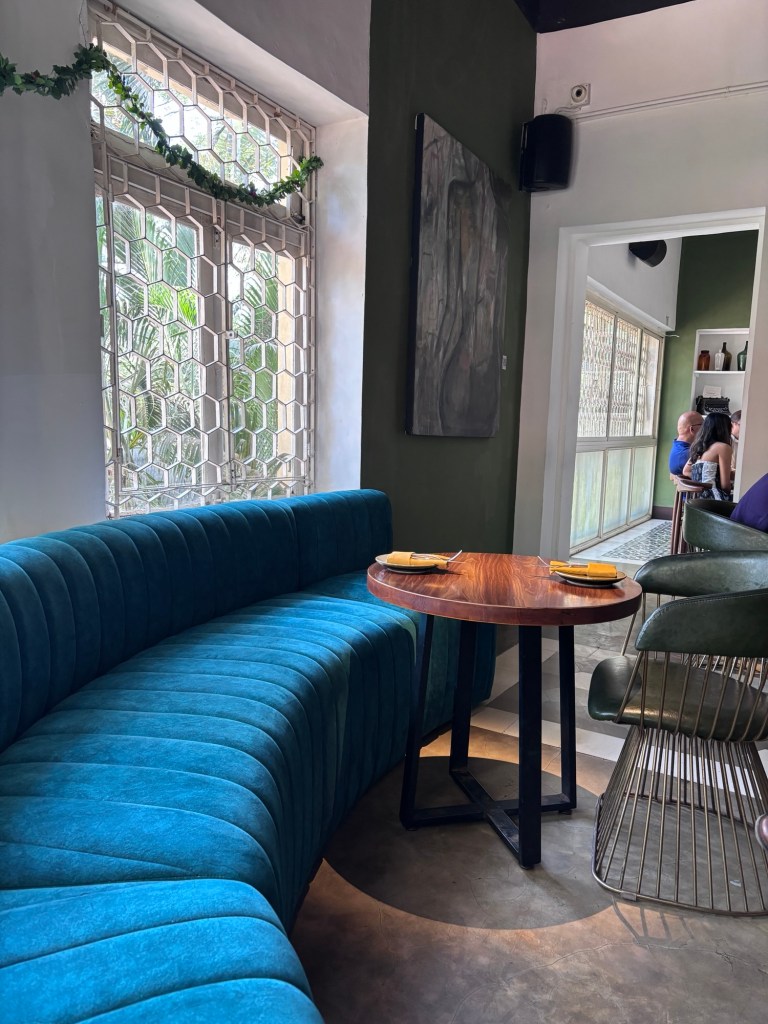
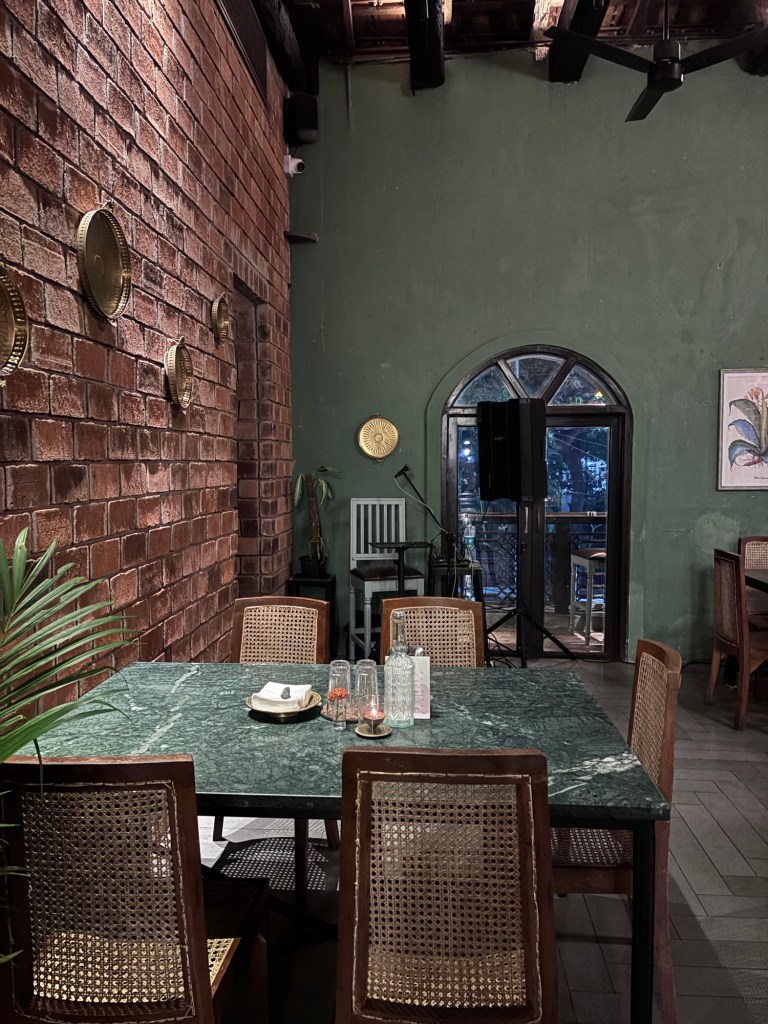
Saint Cloud Café, Sangolda — where Goa takes a brief holiday in Paris

Somewhere along Chogm Road in Sangolda — that eternally winding strip where cafés appear with the frequency of monsoon puddles — we came upon a relatively newish establishment calling itself Saint Cloud. Café-goers in Goa, note the name: it’s borrowed from a leafy Parisian suburb, which immediately raises expectations of elegance, patisserie wizardry, and the occasional artfully dishevelled barista. To its credit, Saint Cloud seems perfectly willing to rise to the challenge.

Inside, the aroma hits you first — that soothing, grown-up smell of fresh coffee which suggests that whatever sins you committed the night before can and will be forgiven. The décor is chic without being smug, all warm lighting and modern lines, the sort of place where you could unwind, write a novel, or gossip enthusiastically about people who aren’t present. In other words: perfect.

We’d only stopped because we were craving something sweet — a need as primal and legitimate as oxygen — and Saint Cloud presented itself like a sign from the pastry gods.

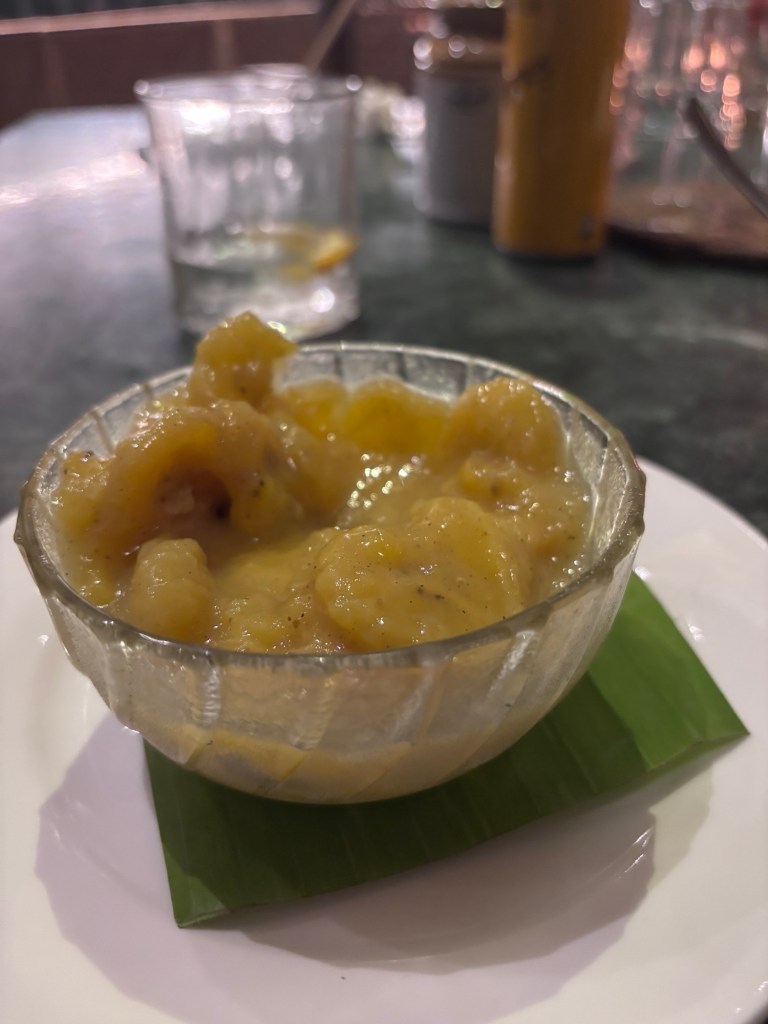
In the display, there were pastries, brownies, cakes and cookies that looked like they could double as a sophisticated paperweights. There were also more playful creations: Tiramisu Latte, doing its best impression of dessert in a mug; a Choris Berliner that seemed to wink at passersby; and flights of other sweet temptations clearly designed to seduce the weak-willed.

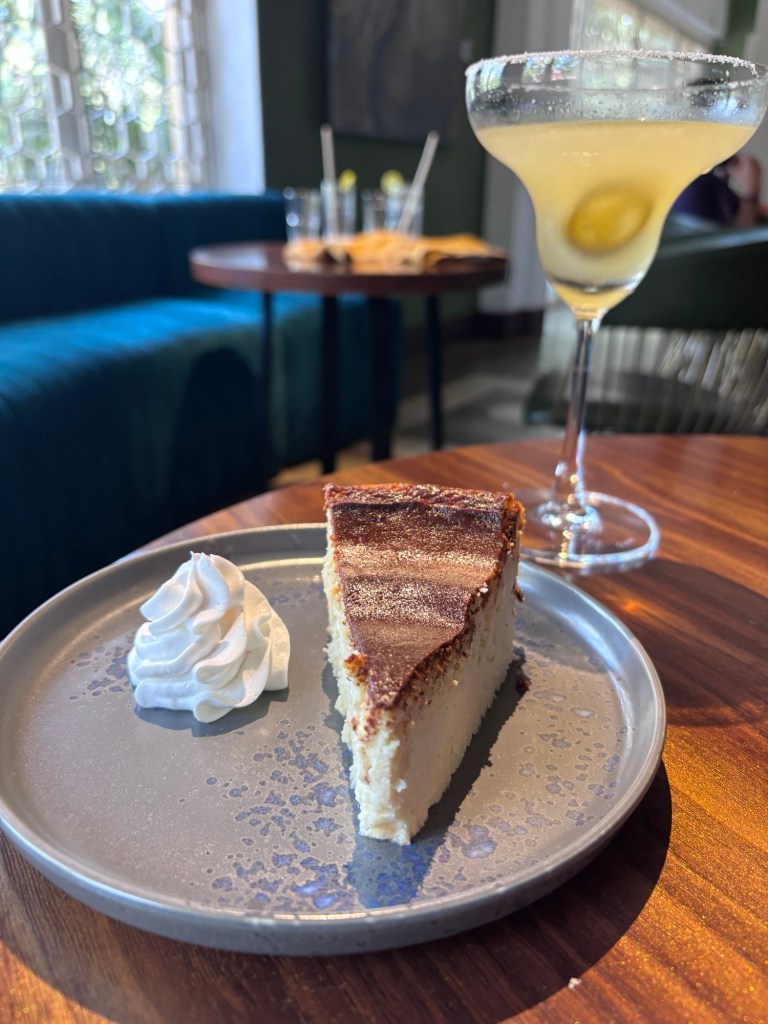
We ordered two cappuccinos, one Basque cake, and the Belgian choco chip pecan cookie. The cappuccinos arrived frothy and bold; the cookie, rich and satisfyingly hefty; the cake moist and springy with a faint swagger that all Basque cakes seem to possess.

Basque cake
Belgian chocolate chip Pecan cookie

Behind the counter, the kitchen stretched out — expansive, gleaming, the stainless-steel equivalent of a freshly sharpened scalpel. Spic and span. Hygienic enough to perform minor surgery in.

Those avoiding caffeine will be relieved to find a lineup of refreshing iced teas, clinking with ice and self-respect, along with savoury offerings — sandwiches, quiches, and a few other light bites — all of which suggest someone in the back takes flavour seriously.

As for the service, the manager (or perhaps the owner) displayed that uniquely Goan blend of warmth and unhurried charm — affable without being intrusive.
By the time we were polishing off the last sweet crumbs, it dawned on us that Saint Cloud isn’t one of those cafés screaming for Instagram validation or begging to be the next Big Thing. It’s far more civilised than that. It’s the sort of place that ambles into your afternoon, tucks a blanket around your metaphorical knees and hands you something warm to sip.

We left with that gentle, glowing contentment you only get from somewhere that does the simple things well — the sort of café you find once by accident and then keep returning to on purpose.

PRADA × VERSACE: Inside the Fashion Takeover That Will Rewrite Luxury Forever

The Love Story No One Saw Coming

In the high-stakes drama of luxury fashion, where every stitch whispers “exclusive,” sometimes the biggest bombshell isn’t a daring runway look — it’s a takeover. On 2 December 2025, Prada officially completed its acquisition of Versace, after months (years, really) of behind-the-scenes courtship. 
Yes: the house of sleek, understated “ugly-chic” Prada is now—in business terms, and soon perhaps in spirit—the parent of the house of loud Medusas, golds, and neon-lit nightlife glam, Versace. A merger of aesthetics, cultures — and perhaps ego.

History buffs, take note: this isn’t just another corporate buy-out. This is the return of Versace to Italian ownership (it had gone to U.S.-based Capri Holdings in 2018), now reclaiming its roots under the same roof as Prada and its youth-driven subsidiary Miu Miu. 

Why Prada Did It — and Why the Fashion World Is in Shock (and Delight)

🔹 Because Versace needed a lifeline

Versace, once the poster-child of flamboyant glamour — the queen of Medusa, the jungle prints, the red carpets — had seen a lull. Under Capri Holdings, their shine began to fade post-pandemic. Sales slowed; brand relevance dipped; the house risked becoming a nostalgia act. 

For Prada, this was an opportunity wrapped in gold satin: a huge name with heritage, awareness, and latent potential — waiting for someone with vision (and deep pockets) to revive it. Prada’s leadership explained that Versace met key criteria: “not too risky financially” and “too valuable globally” to ignore. 

🔹 Because opposites attract

Prada’s DNA: restrained minimalism, intellectual fashion, “ugly-chic” avant-garde. Versace’s DNA: bold maximalism, sensuous glam, unapologetic flamboyance. Marrying the two? A genius move. It’s like mixing black coffee with champagne — contrasting, intoxicating, unexpected.

The idea: coexistence, not cannibalisation. Prada aims to keep Prada, Miu Miu and Versace distinct — each wearing their own signature, each speaking to different souls. Versace for the glitzy nights; Prada for the quiet boardroom; Miu Miu for the street-smart youths. According to analysts, there’s little product overlap — which means wide net, minimal friction. 

🔹 Because vintage Versace might just get its second life — with Prada-level discipline

Part of Prada’s backstage plan: build up manufacturing muscle. The group has already poured hundreds of millions into ramping up factories, modernizing production, investing in artisan-training, and reviving “Made in Italy” quality. 

Under this umbrella: Versace could regain its runway swagger — but with tighter balance sheets, smarter supply chains, and perhaps fewer “dear-god-did-that-just-happen” design moments. Whether that’s a blessing or a tragedy depends on who you ask in fashion.

What’s Changing… and What’s Staying (For Now)

Leadership reboot: As part of the deal, Lorenzo Bertelli — heir of the Prada empire — will become Executive Chairman of Versace after full integration. 

Creative team update: Earlier in 2025, Versace had appointed Dario Vitale (formerly with Miu Miu) as its Chief Creative Officer. Meanwhile, Donatella Versace, longtime creative head, steps back — though she remains involved as brand ambassador. 

Business model revamp: Versace will now tap into Prada’s supply-chain excellence, manufacturing infrastructure, and possibly benefit from increased investment in product quality and reach. 

Brand identities stay — at least for now: No immediate plan to merge brand aesthetics. Prada execs have emphasised that Versace will retain its identity, and not be “Pradified.” 

So for now: the glam remains glam, the minimalism stays minimal. It’s a ménage-à-trois of luxury houses, each keeping its bedroom intact.

Pop Culture + Street Buzz: What Everyone’s Saying (Or Will Say)

Because “Instagram vs Boardroom” just got real.

On social media, lots of fashion stans are calling the merger “the greatest plot twist since couture invented heels.” Some compare it to when a heavy-metal band signs with a classical orchestra—absurd on paper, but strangely hypnotic. Fashion critics are calling it “the biggest stylistic cocktail since cargo pants met chiffon.”

Financial and industry watchers? They’re more pragmatic. Many see this as a strategic consolidation against rising global competition — especially from mega-conglomerates.

But the true test will be: Versace 2026. Will we get the old wild Versace — or a refined, Prada-backed, runway-ready reinvention?

What This Means for the Future of Luxury Fashion

🌍 A Renaissance of Italian Fashion — But With Corporate Muscle

The takeover signals that family-historic houses aren’t guaranteed to stay independent forever — even in Italy. But this is also a hopeful move. The return of Versace to Italian stewardship (after years under a U.S. group) might rejuvenate the “Made in Italy” spirit: craftsmanship, artistry, and strategic growth without sacrificing heritage. 

Moreover, it establishes a new template: houses with very different brand DNA can co-exist under a single umbrella — as long as the parent company respects and preserves their uniqueness. It’s diversification — not dilution.

📈 Bigger Revenues, Broader Audience, More Risk — All in One Package

With Versace on board, Prada’s portfolio becomes more versatile. It can now target boardrooms (Prada), youth streets (Miu Miu), and red-carpet runways (Versace). That’s a wider catchment of customers, demographics, tastes.

But with that comes risk: balancing three distinct brand identities, preventing internal cannibalisation, and ensuring none feels “less premium.” Also: managing creative direction for Versace without killing its edgy spirit.

🎭 A Chapter of Fashion Reinvention (Or Overhaul?)

If Prada plays it well: 2026 onward could see Versace evolve into a hybrid — maintaining flamboyant style but with smarter operations, better quality, and sharper positioning.

If it goes wrong: Versace risks being domesticated — losing its wild edges, becoming a “safe glam” label, and alienating the very fans who loved its audacious spirit.

Your Expectations (As a Style/Business/Pop-Culture Fan)

Expect Versace runway shows to get slicker production, higher quality fabrics, maybe even more refined cuts — but hopefully not at the cost of boldness.

Expect collaborations between Prada, Miu Miu, and Versace — or at least some cross-pollination in marketing, campaigns, visuals. The possibilities: seductive minimalism, edgy youth-glam, or “versatile luxury.”

Expect brand repositioning: Versace might launch more deluxe ready-to-wear, couture-style collections aimed at global luxury markets, supported by Prada’s financial muscle. Expect buzz, gossip, and a lot of memes. Fashion lovers adore drama — and this merge gives them backpacks full.

But There Are Dark Clouds on the Runway Too — What Could Go Wrong?

Identity dilution — What if Versace becomes “Just another premium label”? If corporate processes overshadow creative freedom, the myth of Versace could slowly fade. Alienating core fans — Versace’s original fans loved its unapologetic audacity — not baby steps toward “safer luxury.” If it loses its edge, it risks losing the crowd that made it iconic.

Too many brands under one roof — Maintaining three strong, unique brands (Prada, Miu Miu, Versace) requires strategic genius. One misstep could make the portfolio look scattered and confused.

Financial pressure — Big investment, big expectations. Prada must now prove that the acquisition boosts overall performance — not just add a shiny name to its ledger.

Fashion’s Biggest “What’s Next?” Questions — and My Verdicts

Will Versace keep its flamboyance or tone down under Prada?

Hybrid mode. Expect glamour with a hint of polish — think “Versace, but with Italian tailoring from Prada.”

Will we see Prada-Versace or Miu Miu-Versace collabs?

Yes — eventually. Prada knows the marketing gold in brand mash-ups. Imagine flamboyant prints with minimalist cuts.

Will this shift the larger luxury industry?

Definitely. Other midsize houses struggling post-pandemic may look for such strategic mergers.

Will Versace’s loyal fans like the “new” Versace?

Mixed bag. Some for sure will mourn the original rawness; others will welcome reinvention if quality goes up.

Is this a long-term masterstroke or a gamble?

Both. If executed wisely, legend. If mismanaged, a cautionary tale about corporate castles erasing creative souls.

Scene 2026: A (Stylised) Day in the Life of “New Versace”

Picture this: A celebrity — let’s call her “Glamora” — walks into a Milan flagship store. She touches a Versace dress: the gold is still gleaming, the cuts still bold; the fabric feels richer, more refined. Nearby: a Prada section, muted, elegant; Miu Miu popping with youthful energy. The store vibe: clean, luxurious, but layered.

Later that week: on social media, #PradaVersaceChallenge trends. Young stylists remix Versace’s bold prints with Prada’s structured jackets. Street-style photographers go wild. Fashion editors call it “controlled chaos.” And all the while, the business world watches, pens out, calculating the next play.

Because this isn’t just a buyout. It’s a gamble on creativity + commerce + culture.

Final Word: Why This Takeover Could Re-Write Luxury — Or Crack It Open

Luxury fashion is often about heritage, identity, and illusion. You sell a lifestyle, a dream, a status. What Prada and Versace have done is gamble that dreams can be re-packaged — that glamour and minimalism aren’t enemies, but two languages of the same universal aspiration: to feel extraordinary.

If Prada manages to preserve Versace’s soul — its audacity, its flair — while injecting discipline, quality control, and strategic backing, this takeover could spark a renaissance: an era where luxury is bold, but sustainable; flamboyant, but thoughtful; daring, but structured.

If it fails? Well — we might see another illustrious name fade into quiet complacency. Versions of “But it’s not the old Versace” will haunt runway reviews and Instagram comment threads.

For now? Pop the champagne: the runway has just gotten a new power alliance. The real show’s about to begin.

The Seven Stages of Brand Building

If you’ve ever attempted to build a brand, you already know it’s rather like trying to teach a goldfish to play the violin. A noble pursuit, yes, but one that involves a great deal of flapping, splashing, and “good heavens, what now?” moments.

Nevertheless, for the brave of heart and stout of spreadsheet, the journey can be divided neatly — or as neatly as anything ever is in this business — into Seven Stages.

1. The “Aha!” Stage (a.k.a The Big Brainwave)

This is where you believe you’ve had a revelation so profound the universe should really pause to applaud.

You bolt upright at 3 a.m. whispering, “Yes! Edible yoga mats!”

Or, “Self-watering jeans!”

You’re convinced it’s genius.

Your friends are convinced you need rest.

But fear not — every brand begins as a mildly unhinged idea.

2. The Product–Market Fit Stage

Ah yes, the classic dance between what you want to sell and what the public is willing to tolerate.

You present your creation to the world, chest puffed.

The world, in return, says, “Hmm… but why?”

Here you learn the sacred truth:

The customer is always right, except when they’re dreadfully wrong — but still inexplicably in charge.

Product–market fit is essentially finding a group of people who think your madness is marvellous.

3. The Positioning Stage

This is when you attempt to explain your brand in a way that does not cause polite coughing or raised eyebrows.

Are you premium? Affordable? Eco-friendly?

Do you stand for joy? Rebellion? Discounts?

Do people wear your product to weddings, gym sessions, or court appearances?

A brand without clear positioning is like a gentleman without trousers — shocking, confusing, and unlikely to be invited anywhere again.

4. The Identity Stage (Colours, Fonts & Emotional Trauma)

Here you select your brand colours — usually after 87 rounds of arguments, three breakdowns, and one designer fleeing to the Himalayas.

You choose fonts that say,

“Yes, we are respectable,”

without accidentally saying,

“Yes, we sell funeral insurance.”

Your logo must be simple, elegant, memorable… and not suspiciously similar to a certain global tech company’s fruit-shaped icon.

5. The Product–Channel Fit Stage

This is where you match your product with the right channel.

Do you sell artisanal goat-milk toner? Instagram loves you.

Do you sell industrial-grade staplers? LinkedIn awaits.

Do you sell both? Seek help.

A channel is the runway on which your brand struts. Choose wisely, lest your luxury perfume ends up advertised between videos of aggressive power-washing.

6. The Multiplier Stage (The Hype Machine)

Once your brand is neatly positioned and reasonably clothed, it’s time to multiply your audience.

Influencers, ads, collaborations, PR stunts, social media drama — throw it all in.

You become a sort of enthusiastic magician, pulling rabbits, hashtags, and discount codes out of every conceivable hat.

The goal?

Momentum!

The glorious moment when people buy your product not because they need it, but because everyone else is buying it.

7. The Moat Stage (Building Your Castle Wall)

Finally, you must defend your brand from imitators, rivals, and that one competitor who copies you so blatantly you suspect they’ve bugged your office plants.

A moat could be:

a proprietary formula a cult-like community patented tech or simply customer love so strong they’d defend you in street fights

This is when your brand evolves from “fun little project” to “actual empire,” preferably without any dragons.

🥂 In Conclusion

Building a brand is part science, part art, part sorcery, and entirely chaos.

But if you navigate these seven stages with wit, wisdom, and the occasional strong beverage, you’ll emerge victorious — monocle intact, brand roaring, and competitors weeping softly into their mood boards.

Viral AI Tools You Must Try Before 2026

Welcome to the Era Where AI Works Harder Than You Do

Remember the time when “Artificial Intelligence” sounded like something only Elon Musk, NASA scientists, and that one nerd in your class cared about? Well, it’s 2025 now, and AI has basically marched into our living rooms, offices, kitchens, and even relationships (yes, there are AI girlfriends… let’s not go there).

Today, AI is writing essays, creating 4K videos, counseling teenagers, designing logos in 30 seconds, managing entire businesses, and even predicting breakups (shocking accuracy, by the way).

If you’re not using AI yet, you’re basically showing up to a Formula 1 race on a bicycle.

So buckle up.

Because here are the viral, mind-bending AI tools you MUST try before 2026 — not because it’s trendy, but because they’ll save you time, earn you money, and make you look like a genius while doing absolutely nothing.

Let’s dive in.

1. ChatGPT-5: Your 24/7 Thinking Partner

By 2025, ChatGPT isn’t just a chatbot — it’s your ghostwriter, marketing head, business consultant, therapist, and personal idea factory.

What It Can Do

Write ad campaigns

Build full business plans

Create movie scripts in your tone

Summarize 300-page PDFs

Write 10,000-word blogs in minutes

Answer existential questions at 3 AM

Build apps with simple prompts

Why It’s Viral

Because humans love shortcuts.

And ChatGPT-5 is the shortcut to EVERYTHING.

Try This Prompt

“Create a 30-day content calendar for Instagram with hooks, captions, hashtags, and a viral reel idea for each day.”

Try it.

You will feel emotions.

2. Sora by OpenAI: The Video Generator That Broke the Internet

We’ve officially entered the “You can make movies without a camera” era.

OpenAI’s Sora is the viral video tool turning everyone into a filmmaker.

What It Can Do

Create 1-minute realistic videos from text

Generate cinematic scenes (better than some Bollywood VFX)

Produce ads, short films, and music videos

Create product shots and explainer videos

Animate cartoons, fantasy worlds, wildlife scenes

Why It’s Viral

Because a chai shop owner can now make a Netflix-level commercial without spending ₹10 lakh.

Creators are using Sora to:

Make animated ads

Generate travel videos

Shoot music clips

Produce real estate walkthroughs

Create fashion model videos

This is the future.

3. Midjourney V7: The God of AI Art

If Da Vinci, Picasso, and a very caffeinated graphic designer fused into one entity, the result would still not be as powerful as Midjourney V7.

What It Can Do

Hyper-realistic portraits

Fantasy art

Logo design

Fashion concepts

Architectural renders

Storyboard design

Why It’s Viral

Because brands now create entire campaigns using Midjourney.

Even product prototypes are designed here BEFORE being manufactured.

Try This Prompt

“Create a premium skincare product photoshoot with glass textures, soft beige lighting, and water droplets.”

You’ll stare at the result for 30 seconds straight.

4. Runway Gen-3 Alpha: AI Video Editing That Feels Illegal

Runway has single-handedly changed filmmaking.

Top Features

Realistic video generation

Style transfers

Motion tracking

Face swaps

AI green screen

Instant scene extension

Why It’s Viral

Because even movie studios are using it.

Runway has been used in:

Hollywood films

Music videos

Fashion films

Ads

And for YouTubers — it’s a miracle.

Imagine creating:

A drone shot in Santorini

A car chase in New York A

fantasy scene with dragons

…all without leaving your room.

5. Adobe Firefly 2: The Magic Wand for Designers

Firefly is Adobe’s answer to Midjourney, and the upgrade is insane.

What It Can Do

Expand photos beyond their borders

Replace objects instantly

Generate images inside Photoshop

Convert text to vector graphics

Make composite designs rapidly

Why It’s Viral

Because designers now finish 3-hour jobs in 15 minutes.

Every brand, agency, and freelancer loves Firefly.

And if you run a business?

Your posters, flyers, brochures can be made in-house — zero cost.

6. ElevenLabs: The Voice of the Future

If you’ve ever wanted:

Morgan Freeman to narrate your life

SRK to promote your startup

Or your own voice to speak Japanese

ElevenLabs is your toy.

Why It’s Viral

Its voice cloning is scary real.

You can:

Create audiobooks

Voice YouTube videos

Make dubbing in 29+ languages

Create characters for games

Add voiceovers to ads

Podcasters are obsessed with this tool.

7. HeyGen: The Viral AI Avatar Maker

You’ve definitely seen this on Instagram.

People talking in perfect English with perfect lip-sync — but it’s not them. It’s HeyGen.

What It Can Do

Multilingual lip-sync

Talking avatars for YouTube

Sales pitch videos

AI spokesperson for your brand

Why It’s Viral

Because you can create 100 videos in 100 languages without ever turning on your camera.

Game changer for:

Coaches, Realtors, Founders, Social media creators

8. Descript: The Editing Tool That Feels Like Magic

Descript is viral among podcasters and YouTubers.

What It Does

Edit videos like text documents

Remove filler words (“um,” “uh,” “like”)

Remove background noise

Clone voices

Add captions automatically

Why It’s Viral

Because even editing beginners can now create professional-looking videos.

9. Leonardo AI: The Designer’s Secret Weapon

If Midjourney is Art, Leonardo is Creativity + Control.

Features

Product mockups

3D renders

Texture generation

Anime art Game assets

Why It’s Viral

Because it produces designs FAST — and with stunning accuracy.

E-commerce owners especially love Leonardo for product mockups.

10. Pika Labs: AI That Turns Text Into Film Scenes

Pika is another viral AI video generator.

Best For :

Music videos

Short films

Animated clips

Trailers

Pika’s strength is aesthetics — cinematic, artsy, emotional videos.

Filmmakers are experimenting with this wildly.

11. Gemini Advanced: Google’s Most Powerful AI

Gemini has become a productivity beast.

What It Can Do

Explain scientific concepts

Generate coding scripts

Summarize YouTube videos

Help with research papers

Detect AI-generated content

Why It’s Viral

Because students, researchers, and professionals use it as their “work buddy.”

12. Perplexity AI: The Search Engine That Threatens Google

Google is sweating.

Perplexity is the most accurate AI search tool right now.

What’s Special

Gives direct answers, not links Real-time updated data Perfect for research Cites its sources

Why It’s Viral

Because people are tired of scrolling through ads on Google.

Perplexity gives:

Clear answers

Clean summaries

Instant citations

It’s addictive.

13. Notion AI: The King of Productivity Tools

If your life is messy (like everyone’s), Notion AI will make you feel organized.

What It Does

Build daily planners

Write emails

Create project plans

Summarize meeting notes

Organize your work

Why It’s Viral

Because it saves HOURS every week.

14. Recraft AI: Viral for Branding & Design

Recraft is a new favorite among:

Logo designers

Illustrators

Marketing teams

Why It’s Viral

It can create an entire brand identity kit in minutes:

Color palettes, Icons, Logo styles, Mascots, Brand graphics

Perfect for agencies and creators.

15. Udio & Suno AI: The AI Music Revolution

This is wild.

You can create full songs — vocals, instruments, mixing — EVERYTHING — using just text.

Why It’s Viral

Musicians use it.

Brands use it.

TikTokers use it.

Even people with zero talent use it (and go viral).

16. Tome AI: The Presentation Maker That Replaces PowerPoint

Tome generates beautiful slide decks instantly.

Why It’s Viral

Great for pitches

Great for proposals

Great for classrooms

No more ugly slides.

17. Durable AI: Build a Website in 30 Seconds

Yes, literally.

Durable is the AI website builder that:

Creates pages

Writes content

Designs images

Adds a contact form

Why It’s Viral

Because everyone wants a website — and nobody wants to hire developers.

18. Claude 3.5 Sonnet: The Smartest Writer AI

Claude is the emotional, polite, literary AI.

Why It’s Viral

Writers, poets, storytellers love it.

It writes:

Novels, Scripts, Essays, Emotional content

If ChatGPT is the brain, Claude is the heart.

19. Luma Dream Machine: The New AI Video Revolution

This one is blowing up fast.

What It Can Do

Cinematic sequences,

Dancing characters

Animated storytelling

Fantasy landscapes

Luma videos look like movie shots, not AI.

20. Opus Clip: The Viral Shorts Generator

Every creator is using Opus Clip to turn long videos into viral short clips.

Perfect for:

Reels

YouTube Shorts

TikTok

Why It’s Viral

Because it finds the BEST moments and adds captions automatically.

2026 is going to be wild.

The people who embrace AI NOW will dominate:

content marketing, education, business, freelancing design, filmmaking

AI won’t replace you.

But a person who knows how to use AI absolutely will.So before 2026 arrives, try these viral, game-changing tools — and give yourself a massive head start.

The Holdovers; Netflix Movie Review

Well, The Holdovers is one of those films you click on when you’re feeling adventurous but not in the mood to risk two hours of your life on a Marvel sequel.

You start it with the emotional distance of a person watching someone else assemble IKEA furniture. And then—somehow, somewhere—you’re sucked in. Against your better judgement. Like a cat deciding it will sit in that cardboard box after all.

At first glance, the movie seems engineered for an all-boys boarding school alumni WhatsApp group—full of adolescent chaos, petty rebellions, and the unmistakable aroma of teenage overconfidence. But stick with it, and suddenly you find yourself empathising with every single character. Even the annoying ones. Even the professor. Especially the professor, actually, because he looks like the human embodiment of “I didn’t sign up for this”.

We meet this rule-loving, regulation-worshipping academic who is so by-the-book he might as well be the book. He’s the sort of man who probably irons socks and believes fun is a controlled substance. And then—cruelly, comically—he gets trapped at school during Christmas break with a group of boys who view rules the way cats view boundaries: purely decorative.

There are four or five of them—each with their own emotional baggage, tics, quirks, and an unfiltered belief that adults don’t actually feel feelings. Soon enough, the herd thins when the others get taken on vacation by one of the dads. And we’re left with just one boy and one professor, circling each other like two disgruntled planets forced into the same orbit.

What follows is not exactly a coming-of-age film—more like a coming-to-tolerate-each-other film. A slow-burn bromance between two wildly mismatched humans: one middle aged, crusty, and allergic to joy; the other young, troubled, and allergic to authority.

And in the middle of this emotional tug-of-war stands Mary — the only adult in the room who isn’t catastrophically emotionally stunted. But we’ll get to her.

But as Christmas works its magical Stockholm Syndrome, they begin to actually understand one another. The professor unclenches. The boy develops empathy. And unexpectedly, they both become… nice. Almost friends. It’s all very heart-warming in a “men discovering emotions like archaeologists dusting fossils” sort of way.

And then comes the ending—when our dear professor, stiff as a starched collar until now, does something utterly uncharacteristic. Something noble. Something self-sacrificial. The sort of thing that makes you sit up and whisper, “Okay… sir did WHAT now?” He takes one for the team. For the boy. And it’s probably the most human thing he’s ever done.

Yet behind all that tweed and simmering annoyance is a man bruised by life in quiet, devastating ways. When he finally softens, it’s like watching a glacier crack — rare, seismic, utterly worth the wait.

Paul Giamatti plays the professor like a man who is clinically allergic to joy, spontaneous behaviour, and possibly Christmas decorations. It’s a performance so perfectly irritable it feels artisanal — hand-crafted, slow-brewed, matured in oak barrels.

Angus Tully, played by Dominic Sessa is a teenage hurricane wrapped in sarcasm, loneliness, and a school uniform. Dominic Sessa’s performance is startlingly good — sharp on the outside, bruised on the inside, like a fruit you’re not sure whether to cut, peel, or throw.

He wants to appear invincible but leaks vulnerability every time he looks away. Watching him thaw — slowly, stubbornly — is real emotional theatre. And by the end, he becomes the bruised little core around which the whole story quietly rotates.

Mary is the emotional thermostat of the film — steady, warm, and painfully human. She carries her grief like a weight nobody helped her lift, and Da’Vine Joy Randolph plays her with a dignity that anchors every chaotic boy in the building.

She delivers wisdom without pretension, humour without theatrics, and comfort without ceremony. Every time she’s on screen, the film stops posturing and starts breathing. She doesn’t just steal scenes — she strolls in, pockets them, and walks off without apology.

In the end, The Holdovers isn’t flashy. It isn’t trying to reinvent cinema. It’s just a genuinely sweet, slightly scruffy story about intergenerational male bonding—not in the cheesy Hollywood sense, but in the very normal, very awkward, deeply human sense. Two people who shouldn’t get along… somehow do. And by the time the credits roll, you’re rooting for both of them like a proud parent at a school play.

A good watch. A gentle watch. A warm watch. And yes—catch it before it disappears from Netflix like your favourite snack you swore you left in the fridge.

TRANSFORMATIVE TEAL: The Colour of the Year 2026

Move over Millennial Pink, shove aside Viva Magenta, and someone please gently escort Periwinkle into retirement. The Colour Godfathers have spoken — and for 2026 they’ve anointed a shade called Transformative Teal. Yes. Transformative. A colour so profound it promises to upgrade your life, your wardrobe, your chakras, your WiFi speed, and possibly your dating prospects.

According to the trend-forecasting overlords at WGSN and Coloro, Transformative Teal is “a fusion of blue and aquatic green designed to soothe, ground, and renew.” In other words: it’s spa-day energy bottled as a pigment. You’re basically wearing a cucumber-infused detox smoothie.

Why This Colour Is Important (Other Than The Fact That We’re Told It Is)

Every year, WGSN, Coloro and various design mystics gather around a metaphorical crystal ball (probably a Pinterest board) and decide what colour the world needs. For 2026, they’ve settled on teal because apparently we’re all craving “calm courage.” Personally, I’m craving a holiday in Greece and eight hours of sleep, but fine — teal it is.

Transformative Teal represents resilience, renewal, and the universal desire to look like someone who has their life together, even if you’re crying into a wine glass at midnight.

Also — and let’s be honest — teal is one of the few colours that looks good on absolutely everyone. Brown skin? Glows. Pale skin? Pops. Olive? Divine. Hungover? Even better.

Who Decided This? And Why Do They Have So Much Power?

The Colour of the Year is chosen by professionals who do extremely important things like analysing global mood, forecasting cultural shifts, and counting how many influencers posted teal-ish sunsets last quarter.

It’s all very scientific.

They examine:

* runways

* street style

* interior trends

* socio-economic patterns

* and which colour celebrities accidentally wore twice

And voilà — the world suddenly has a colour we must all worship for 12 months.

Which Luxury Brand Already Uses It?

Ah, luxury fashion — the land where every shade sounds like a cocktail, and every outfit costs more than a used car.

Design houses like Lanvin and Elie Saab have already given us teal-drenched gowns, suits, and runway moments dramatic enough to make you clutch your pearls. They’ve been using teal long before it was the “it girl” shade of 2026. Trendsetters or overachievers? You decide.

Elie Saab 2025

Honestly, Transformative Teal is the colour luxury brands LOVE because it screams:

I’m elegant, expensive, and should not be sat on by your friend’s toddler who eats biscuits like a wood chipper.”

Which Mainstream Brands Will Use It?

Prepare yourself. Every fast-fashion brand is about to slap Transformative Teal onto everything they can legally dye:

* tops

* trousers

* tote bags

* lunch boxes

* phone covers

* that one dress your friend will over-wear until you beg them to stop

Lifestyle brands? They’re already sharpening their teal-coloured pencils. Interior brands will give you teal sofas, teal cushions, teal mugs, teal rugs… until your house looks like Poseidon’s living room.

Tech brands will join in too. Just wait — Apple will call it Teal Serenity and charge you ₹20,000 more.

How It’s Going to Influence 2026 (Brace Yourself)

1. Fashion

Expect Transformative Teal everywhere. And I mean everywhere. Runways, airport looks, Gen-Z street style, Indian wedding lehengas (yes, teal bride entry outfits incoming), and even on that one colleague who insists they “don’t follow trends,” yet turns up in teal trousers by February.

2. Interiors

Your home will slowly morph into an expensive-looking boutique hotel lobby. Accent walls, cushions, ceramic plates, random vases you don’t need… teal is coming for all of it.

3. Branding & Packaging

Sustainable brands will especially adopt teal because nothing says “conscious and earthy” like a colour that looks like deep-sea enlightenment.

4. Social Media Trends

Influencers will build teal-themed grids.

Interior creators will paint furniture teal “for dopamine.”

Your Explore page will become bluer than an Aquaman film poster.

Final Takeaway

Transformative Teal is more than a colour — it’s a vibe, an aesthetic, a 2026 identity. Wear it, post it, decorate with it, or throw it into your branding deck and call yourself future-forward.

And if anyone asks why you’re obsessed with teal, simply say:

“It’s the Colour of the Year, darling. Stay relevant.”

After the Hunt — A Movie Review for People Who Thought They Were Smarter Than They Are

There are two reasons to press play on After the Hunt, currently sitting on Amazon Prime like a moody cat that may or may not scratch you: Julia Roberts and Andrew Garfield. Honestly, that should be enough. These are stalwarts. Icons. Eyebrow-raising, smile-flashing, megawatt sensations who usually guarantee at least a popcorn-worthy evening. But somewhere between expectations and execution, this film left me wondering whether I needed a Yale degree to fully “get it” — preferably in philosophy, like Julia Roberts’ character. Because clearly I, a mere mortal, may not have the intellectual bandwidth required.

The premise is deceptively simple: Roberts plays a Yale philosophy professor whose colleague and friend, Hank, finds himself accused of sexually assaulting a young African-American woman. What follows is a psychological drama—thriller? academic morality maze? intellectual sudoku puzzle?—where you’re basically squinting at the screen for two hours going, “Wait—what?” And not in the good twisty thriller way. More in the “I thought this was going somewhere but maybe it isn’t… or maybe it is… or maybe I’m just dumb?” way.

In fairness, the movie tries to do that clever thing where it keeps you guessing about who’s lying, who’s telling the truth, and who desperately needs a therapist. It succeeds… for the most part. Right until the end, you’re doing your best impression of a confused houseplant, trying to find the sun. The film does eventually give you a bit of a peek into Hank’s true nature—but not enough to stop you from doing your own internal PhD thesis titled What Even Happened?.

Now, did I like the movie? Eh. Not particularly. It wasn’t terrible, but it wasn’t exactly the cinematic equivalent of a warm chocolate chip cookie either. It falls somewhere in the middle—mediocre, if you will. (Incidentally, the word “mediocre” is tossed around in the movie with enough regularity to make it feel like a drinking game waiting to happen.)

My real heartbreak, though, is Julia Roberts. She does the best she can with the role—but I kept wishing she’d land a film that truly lets her bite into something substantial. Something juicy. Something that lets her unleash the full Julia Roberts-ness of Julia Roberts, instead of being politely brilliant in a story that’s… fine. Just fine. Why Hollywood isn’t giving her absolute chef’s-kiss roles anymore is a question I demand answered.

To its credit, the film tries to address a whole buffet of themes: generational entitlement, the shifting dynamics between students and professors, the pressure of mentorship, the evolving definition of inappropriate behavior, and the generational gap between what was “normal” then and what is absolutely not normal now. There’s something clever buried in there—something sharp and introspective about power, ethics, and academic self-righteousness—but the storytelling sometimes feels like it’s trying too hard to be profound. It’s like that friend who uses words like “dialectical” in casual conversation: impressive, but exhausting.

All in all, After the Hunt is… good-ish. Not bad, not brilliant, not unwatchable, not unforgettable. It exists in that complicated space where you know the film is doing something meaningful, but you’re not entirely sure what, and you’re not fully convinced you care enough to rewind and figure it out.

Maybe I’m not as intellectual as the film wanted me to be. Maybe After the Hunt is a subtle masterpiece that sailed right over my head, leaving me waving at it from below like, “Hello? Wait? Was I supposed to think harder?” But honestly, sometimes a movie can simply be okay. And this one, for me, was okay—polished, well-acted, and thematically ambitious… but ultimately, just okay.

If you’re in the mood for something brainy and slow-burn with a sprinkle of academia, a dash of mystery, and Julia Roberts looking fabulous while carrying moral weight on her shoulders, give it a try. Just don’t blame me if you finish the movie slightly more confused than when you started.

Rolex vs. Omega vs. Cartier: A Battle of Time, Taste & Timeless Flexing

If watches were characters in a movie, Rolex would be the billionaire action hero with a mysterious past, Omega would be the space-travelling scientist who knows too much, and Cartier would be the impossibly chic Parisian aristocrat who turns heads just by breathing in your direction.

Welcome to the world where time doesn’t just tick — it struts.

Let’s break down what makes these three luxury giants so different, so iconic, and so irresistibly aspirational.

1. The Brand DNA: What Sets Them Apart

Rolex: The Peak of Prestige (and Subtle Flexing)

Rolex is the watch equivalent of saying, “I’ve arrived,” without actually speaking. It’s revered for precision, durability, and that status symbol effect that mysteriously gets you better service in restaurants.

Key Differentiator:

Unshakeable prestige and bulletproof reliability. Rolex doesn’t sell watches — it sells achievement.

Brand Archetype:

The Ruler. Think king, emperor, CEO, or that guy who somehow gets upgraded to business class every single time.

Omega: The Tech-Savvy Adventurer

Omega is for the person who wants a luxury watch but also wants NASA’s approval. These are the watches that have literally been to the moon — which is a flex few brands can match.

Key Differentiator:

Cutting-edge innovation and high-precision performance. Omega is where science meets swagger.

Brand Archetype:

The Explorer — brave, bold, slightly reckless, and extremely well-timed.

Cartier: The Haute Couture of Timekeeping

Cartier isn’t just a watch brand; it’s a lifestyle. Its elegance meets heritage wrapped in Parisian charm with a velvet bow on top.

Key Differentiator:

Design-led luxury. Cartier watches are wearable jewelry with timekeeping as a bonus.

Brand Archetype:

The Lover — sensual, artistic, glamorous, and effortlessly romantic.

2. The Advertising Games They Play

Rolex: Classy, Quiet, and Unbothered

Rolex advertisements look like they were designed for the kind of person who says “I don’t check price tags.” Often featuring tennis courts, yachting competitions, or astronauts reflecting on life, Rolex relies heavily on heritage and association with global achievers.

Ad Style: Polished. Prestigious. Minimalist.

Even the ads feel like they’re wearing tuxedos.

Omega: Hollywood + NASA + Sports = Boom

Omega LOVES celebrities — especially ones who save the world. They have James Bond (yes, Daniel Craig himself), Olympic athletes, and of course, astronauts.

Ad Style: Cinematic. Tech-heavy. Heroic.

Expect slow-motion shots, spacesuits, and Bond walking in slow-motion whispering, “Time is on my side.”

Cartier: Pure Romance & Red Boxes

Luxury visual poetry. That’s a Cartier ad.

With their trademark red boxes, gold panthers, soft lighting, and Parisian rooftops, Cartier advertising is basically a perfume ad that happens to also involve a watch.

Ad Style: Artistic. Emotional. Seductive.

Their commercials make you want to fall in love, move to Paris, and sip champagne with someone named Pierre.

3. Brand Positioning: How They Sit in Your Imagination

Rolex Positioning: Achievement Unlocked

Rolex positions itself as the benchmark of success. It’s the watch you gift yourself when you finally get the promotion, sell your startup, or survive another family wedding.

Omega Positioning: Performance Meets Heritage

Omega sits right between innovation and legacy, targeting people who want sleek design but also want to feel like their watch can survive a trip to Mars.

Cartier Positioning: Timeless Elegance & Artistry

Cartier appeals to lovers of beauty, sophistication, and a little bit of drama.

It’s less about “look at what I achieved” and more about “look at my exquisite taste.”

4. Design & Aesthetic Differences

Rolex:

Colors: Mostly gold, black, silver, blue.

Look & Feel: Solid, sporty-luxe, confident.

Vibe: “I’m wealthy but disciplined.”

Omega:

Colors: Black, silver, grey, steel, sometimes bold red accents.

Look & Feel: Sleek, technical, masculine.

Vibe: “I’m smart and adventurous. Please ask me about NASA.”

Cartier:

Colors: Gold, rose gold, champagne, cream, and their signature sapphire-blue crown.

Look & Feel: Artistic, ornamental, geometric.

Vibe: “I collect art. And hearts.”

5. Longevity, Legacy, and Street Cred

Rolex:

Built to last longer than you, your kids, and possibly civilization. Known for insane resale value.

Omega:

Unmatched for technical innovation and reliability. Known for its “Moonwatch,” which is basically the Chuck Norris of watches.

Cartier:

Impeccable craftsmanship and timeless design. If Rolex ages like George Clooney, Cartier ages like Catherine Deneuve.

Comparison at a Glance

So, Which One Should You Buy?

If you want to say “I’ve made it” → get a Rolex. If you want to say “I might go to space someday” → get an Omega. If you want to say “I’m effortlessly stylish and probably French” → get a Cartier.

Final Verdict: All Three Brands Shine — But in Their Own Light

Rolex is the power move.

Omega is the smart move.

Cartier is the stylish move.

And no matter which one you choose, remember: at the end of the day, watches don’t just tell time — they tell stories.

And your story deserves a pretty fantastic watch.

Miu Miu: The Little Sister That Grew Up and Stole Everyone’s Wardrobe

If the fashion world were a family, Miu Miu would be the mischievous younger sibling who shows up late, steals your clothes, looks better in them, and somehow becomes the star of the family WhatsApp group. Born in 1993 as the playful offshoot of the legendary Prada, Miu Miu sits proudly under its holding company, the Prada Group, owned by designer royalty Miuccia Prada herself. Yes, it’s named after her nickname — because when you’re Miuccia Prada, you don’t need a naming agency. You are the naming agency.

But don’t be fooled by the cutesy name. Miu Miu may sound like a cat cartoon, but its branding claws are razor-sharp.

So, what exactly is Miu Miu?

Think of it as Prada’s rebellious alter ego: more daring, more youthful, more “I woke up and chose couture chaos.” It’s the brand that embraces contradictions with confidence — sweet yet subversive, naïve yet naughty, nostalgic yet insanely now. If Prada is the polished CEO, Miu Miu is the creatively chaotic Gen Z intern who somehow lands the Vogue cover.

Brand Values: Mischief, Modernity & ‘Why Not?’ Energy

Miu Miu’s DNA is stitched together with themes of freedom, experimentation, individuality, and a slightly sarcastic sense of femininity. It’s a brand that says women don’t have to fit into one aesthetic box — they can flirt with innocence in one outfit and power through irony in the next.

Its values?

• Unapologetic expression — Dress how you feel, even if how you feel is “I want to wear socks with heels and make it fashion.”

• Youthful rebellion — Not teenage rebellion, but chic rebellion. The kind that involves ribbons, leather, and a perfectly intentional bad-hair-day aesthetic.

• Craft with character — Italian-level craftsmanship delivered with a wink.

Brand Colors: Pretty but Punchy

Miu Miu embraces a palette often dominated by soft pinks, nudes, pastels, and unexpected jolts of red, black, and metallics. It’s feminine but not fragile — more “pink with personality” than “pink with permission.”

Why Has Miu Miu Become The It-Brand?

Let’s be honest: Miu Miu didn’t just get popular — it staged a heist. Suddenly everyone is wearing Miu Miu’s viral micro-mini skirts, ballet flats, and school-girl-meets-chaos-core looks. Why?

Perfect Timing: As fashion shifted to nostalgia and girlhood aesthetics (thanks TikTok), Miu Miu was already sitting there twirling a ribbon saying, “Welcome to my era.”

Influencer Catnip: Miu Miu pieces are extremely Instagrammable — and even more TikTokable. (Is that a word? If not, Miu Miu just made it one.)

Gen Z + Celebs = Rocket Fuel: From Emma Corrin to Hailey Bieber, the cool crowd treats Miu Miu like a personality trait. Bold Creativity: The brand’s campaigns are cinematic, cheeky, and sometimes confusing — but the kind of confusing that makes you feel smarter.

Why Miu Miu Is a Masterclass in Branding & Marketing

Here’s the real power move: Miu Miu didn’t chase trends; it set them. Brands spend fortunes trying to “connect with younger audiences.” Miu Miu simply looked at youth culture, stole its diary, and turned it into couture.

Their marketing is…

Consistent yet unpredictable — You know it’s Miu Miu, but you never know what they’ll do next.

Emotionally magnetic — Nostalgia sells. Subversion sells. Miu Miu sells both.

• Visually iconic — Their imagery feels like a coming-of-age film directed by a fashion scholar with a sense of humor.

The Lesson?

Branding isn’t about shouting the loudest. It’s about knowing who you are, owning it, exaggerating it a little, and inviting the world to play along. Miu Miu proves that authenticity paired with bold, consistent storytelling can turn a “little sister brand” into a global fashion phenomenon.

In short: Miu Miu didn’t just grow up. She grew up fabulously — and now the whole fashion world is taking notes.