Unveiling the Symbolism in Ayn Rand’s “The Fountainhead”

Ayn Rand’s “The Fountainhead,” first published in 1943, is more than just a novel about architecture and individualism; it’s a treasure trove of metaphors that encapsulate the philosophical and thematic essence of her work. Through the lives and ambitions of her characters, Rand employs metaphors to critique collectivism, celebrate individualism, and explore the nature of creativity and integrity. This post delves into the various metaphors woven into the fabric of “The Fountainhead,” elucidating how they enhance the narrative and underscore Rand’s philosophical assertions.


The Fountainhead Itself: Source of Originality and Strength

The title of the novel, “The Fountainhead,” is itself a profound metaphor. A fountainhead is the original source from which a stream or river flows, symbolizing the wellspring of creativity, innovation, and original thought. This metaphor encapsulates the essence of the protagonist, Howard Roark, whose architectural genius and uncompromising principles serve as the source of new, groundbreaking ideas in a world dominated by conformity and mediocrity. Roark embodies the fountainhead of originality, standing in stark contrast to the stagnant pool of collectivist thinking represented by other characters.


Howard Roark: The Unyielding Granite

Howard Roark, the novel’s protagonist, is often compared to granite, a metaphor for his strength, integrity, and unyielding nature. Granite, a hard and durable stone, symbolizes Roark’s resolute character and steadfast adherence to his principles, regardless of societal pressures. Just as granite withstands the forces of nature without being eroded, Roark remains true to his vision and values, resisting the forces of compromise and corruption. This metaphor not only highlights Roark’s personal qualities but also serves as a critique of the malleable, easily influenced characters around him.


Peter Keating: The Hollow Facade

In contrast to Roark’s solidity, Peter Keating represents a hollow facade, a metaphor for superficiality and lack of substance. Keating’s success in the architectural world is built on pandering to popular tastes and relying on the work and ideas of others, rather than on his own creativity or skill. This facade metaphor underscores the emptiness of a life lived for the approval of others, devoid of genuine passion or integrity. Keating’s eventual downfall is a powerful illustration of the inevitable collapse of a structure built on false pretenses and borrowed ideas.


Dominique Francon: The Marble Goddess

Dominique Francon is frequently associated with marble, a metaphor for both her beauty and her cold, impenetrable exterior. Marble, a material often used for sculptures of gods and goddesses, symbolizes Dominique’s aloofness and perceived perfection. Her marble-like demeanor is a defense mechanism, protecting her from a world she views as unworthy of true greatness. However, as the novel progresses, we see the metaphorical marble crack, revealing her vulnerability and deep connection to Roark, the only person she believes embodies the ideal she worships.


Ellsworth Toohey: The Corrupt Ivy

Ellsworth Toohey, the novel’s antagonist, is metaphorically depicted as ivy, a plant that climbs and clings, often choking the life out of the structures it envelops. Toohey’s manipulative and parasitic nature is mirrored in the way ivy spreads, representing his insidious influence over others and his ability to corrupt and destroy the independent spirit. This metaphor effectively captures Toohey’s role in the novel as a destroyer of individual achievement and promoter of collectivism, undermining the very foundation of creativity and excellence.


Gail Wynand: The Towering Skyscraper

Gail Wynand, the powerful newspaper magnate, is likened to a towering skyscraper. This metaphor reflects his immense power, influence, and ambition. Wynand’s life and career are built on a foundation of control and manipulation, rising high above the ordinary. However, despite his apparent success, the metaphor of the skyscraper also suggests isolation and vulnerability. Wynand’s eventual recognition of the hollowness of his achievements and his ultimate fall from grace highlight the precariousness of a life built on power without principle.


The Banner: The Beacon of Collectivism

“The Banner,” the newspaper owned by Gail Wynand, serves as a metaphorical beacon of collectivism and mediocrity. Through “The Banner,” Rand critiques the mass media’s role in shaping public opinion and promoting conformity. The newspaper’s influence represents the power of collective thought over individual reason, echoing Rand’s disdain for a society that values consensus over truth. Wynand’s control over “The Banner” symbolizes the potential for media to manipulate and corrupt, rather than enlighten and inspire.


Architecture as Metaphor for Individualism

Architecture, the central theme of “The Fountainhead,” serves as a broader metaphor for individualism versus collectivism. Roark’s modern, innovative designs symbolize the creative spirit and the triumph of individual vision. In contrast, the classical and derivative styles preferred by characters like Keating represent the collective mindset that stifles originality and progress. Through architecture, Rand explores the struggle between the innovative mind and the conformist masses, using buildings and designs as metaphors for the philosophical battle at the heart of the novel.


The Stoddard Temple: A Temple of Integrity

The Stoddard Temple, designed by Roark, is a metaphor for integrity and the sanctity of the individual spirit. Initially intended as a temple to human spirit, it is desecrated by the addition of irrelevant ornamentation, symbolizing the corruption of pure vision by societal demands. This metaphor highlights the conflict between Roark’s uncompromising principles and the world’s tendency to dilute and destroy true creativity. The temple stands as a testament to Roark’s ideals and the destructive forces of conformity and compromise.


Roark’s Trial: The Crucible of Truth

Roark’s trial is a metaphorical crucible, a severe test that reveals the true nature of his character and the principles he stands for. The trial is not just a legal battle but a philosophical confrontation between individualism and collectivism. Through this metaphor, Rand illustrates how Roark’s unwavering commitment to his ideals withstands the pressures of societal judgment, emerging purified and vindicated. The trial symbolizes the struggle for truth and integrity in a world that often punishes those who dare to stand apart.


Cortlandt Homes: The Vision of Tomorrow

The Cortlandt Homes project represents the future potential of humanity when guided by innovative, unrestrained vision. Roark’s design for the project is a metaphor for a society built on individual creativity and integrity, as opposed to one mired in mediocrity and compromise. The destruction of Cortlandt Homes by Roark himself is a powerful metaphor for the rejection of corrupted ideals, emphasizing that true innovation cannot be diluted or compromised. This act of destruction underscores the importance of maintaining the purity of one’s vision, even at great personal cost.


The Quarry: A Place of Self-Discovery

The granite quarry where Roark works is a metaphor for self-discovery and the honing of one’s true self. The physical labor and the raw, untamed environment of the quarry symbolize the process of uncovering and refining one’s core values and talents. For Roark, the quarry is not just a place of work but a crucible where he reaffirms his dedication to his principles and hones his skills. This metaphor underscores the novel’s theme of self-actualization through hard work and adherence to one’s true nature.


Conclusion: The Fountainhead’s Metaphorical Mastery

“The Fountainhead” is a rich tapestry of metaphors that enhance the novel’s philosophical and thematic depth. Through characters, settings, and events, Ayn Rand uses metaphorical language to critique collectivism, celebrate individualism, and explore the nature of creativity and integrity. Each metaphor serves to reinforce the novel’s central message: that true greatness arises from the uncompromising pursuit of one’s own vision and principles. In “The Fountainhead,” Rand crafts a powerful narrative that not only tells a compelling story but also offers profound insights into the human spirit and the importance of staying true to oneself.


In exploring the metaphors of “The Fountainhead,” we gain a deeper understanding of Rand’s philosophical convictions and the timeless relevance of her themes. The novel’s enduring appeal lies in its ability to resonate with readers who value individualism, creativity, and the relentless pursuit of personal integrity. Through its rich metaphorical language, “The Fountainhead” continues to inspire and challenge us to consider the true source of our own potential and the courage required to realize it.

Book Review : The Girls by Lisa Jewell

Lisa Jewell’s The Girls is an enthralling and atmospheric novel that skillfully blends elements of suspense, mystery, and family drama. Set in a picturesque communal garden square in the heart of London, the story delves into the hidden secrets and complex relationships among the residents, creating a rich tapestry of intrigue and emotional depth.

The novel opens with a dramatic and unsettling scene: a teenage girl, Pip, discovers her sister Grace unconscious and bloody in the communal garden. This shocking incident sets the stage for a gripping narrative that keeps readers on the edge of their seats from beginning to end. Jewell immediately immerses the reader in the world of Virginia Terrace, a seemingly idyllic enclave that is both a sanctuary and a battleground for its inhabitants.

Clare, a single mother, moves to the garden square with her daughters, Grace and Pip, seeking a fresh start after a traumatic event that has left the family reeling. As they integrate into their new surroundings, Clare and her daughters become entangled in the lives of their neighbors, each of whom harbors their own secrets and personal struggles. The communal garden, with its lush greenery and hidden corners, serves as both a literal and metaphorical backdrop for the unfolding drama.

Jewell’s writing is evocative and richly detailed, bringing the setting to life in vivid colors. The garden square is almost a character in itself, a place where children play and adults find solace, but also where tensions simmer and dark histories linger. The contrast between the garden’s beauty and the underlying sense of unease adds to the novel’s suspenseful atmosphere, drawing the reader deeper into the story.

The characters in The Girls are multi-dimensional and well-drawn, each contributing to the novel’s intricate web of relationships and secrets. Clare is a relatable and sympathetic protagonist, struggling to protect her daughters while grappling with her own fears and anxieties. Her daughters, Grace and Pip, are also fully realized characters with distinct personalities and perspectives. Grace, the elder daughter, is introverted and artistic, while Pip is more outgoing and observant. Their bond is tested by the events that unfold, and their individual journeys add depth to the narrative.

The supporting cast of characters is equally compelling. Adele, a seemingly perfect wife and mother, hides her own vulnerabilities and fears. Her husband, Leo, is charismatic and enigmatic, drawing the attention and suspicion of those around him. The other residents of Virginia Terrace, including the reclusive Dylan and the troubled Tyler, add further layers of complexity to the story. Jewell’s ability to create nuanced and believable characters is one of the novel’s greatest strengths.

The narrative structure of The Girls is skillfully crafted, with alternating viewpoints that build suspense and keep the reader engaged. Jewell deftly weaves together the perspectives of Clare, Grace, Pip, and other key characters, revealing their thoughts, emotions, and secrets in a way that enhances the overall tension and intrigue. This multi-perspective approach allows the reader to see the story from different angles, deepening their understanding of the characters and their motivations.

As the story unfolds, Jewell explores themes of trust, betrayal, and the impact of past traumas on the present. The novel is not just a mystery but also a poignant exploration of human relationships and the ways in which people cope with loss and adversity. Jewell’s exploration of these themes is both thought-provoking and emotionally resonant, adding depth to the story and elevating it beyond a simple whodunit.

One of the central themes of The Girls is the idea of community and the ways in which people are interconnected. The communal garden square serves as a microcosm of society, where individuals from different backgrounds and with different experiences come together. Jewell captures the dynamics of this community with sensitivity and insight, highlighting the ways in which people support and care for one another, as well as the tensions and conflicts that can arise.

The garden itself is a powerful symbol in the novel, representing both the beauty and the darkness that coexist in the lives of the characters. It is a place of play and freedom for the children, but also a site of danger and hidden secrets. Jewell’s descriptions of the garden are lush and evocative, creating a vivid sense of place that draws the reader into the story. The garden’s dual nature reflects the complexities of the characters’ lives and the dualities within themselves.

Jewell’s prose is both lyrical and precise, capturing the emotions and inner lives of the characters with clarity and sensitivity. Her writing is infused with a sense of empathy and understanding, allowing the reader to connect with the characters on a deep and personal level. Jewell’s ability to convey the nuances of human emotion is one of the novel’s standout features, making The Girls a compelling and emotionally engaging read.

The novel’s pacing is expertly handled, with a careful balance between moments of tension and introspection. Jewell builds suspense gradually, allowing the reader to become fully immersed in the world of Virginia Terrace before revealing the darker undercurrents that run beneath the surface. The twists and turns of the plot are skillfully executed, keeping the reader guessing and engaged throughout.

One of the strengths of The Girls is its exploration of the impact of trauma on individuals and families. Clare’s decision to move to Virginia Terrace is motivated by a desire to escape the traumatic events of the past and create a safe and nurturing environment for her daughters. However, as the story unfolds, it becomes clear that the past cannot be easily left behind. Jewell delves into the psychological and emotional repercussions of trauma, examining how it shapes the characters’ actions and relationships.

The novel also explores the theme of identity and the ways in which people define themselves in relation to others. Grace and Pip’s struggles to find their own identities and navigate the challenges of adolescence are poignantly portrayed. Jewell captures the complexities of their relationships with their peers and family members, highlighting the tensions between conformity and individuality. The characters’ journeys of self-discovery are central to the novel’s emotional impact.

Jewell’s portrayal of the relationships between parents and children is particularly compelling. Clare’s relationship with her daughters is characterized by love and protectiveness, but also by moments of tension and conflict. The bond between Grace and Pip is similarly complex, marked by both deep affection and sibling rivalry. Jewell captures the nuances of these relationships with sensitivity and realism, creating a portrayal of family life that is both relatable and deeply moving.

The mystery at the heart of the novel – the question of who is responsible for Grace’s injuries – is gradually unraveled through a series of revelations and discoveries. Jewell keeps the reader guessing, expertly managing the suspense and tension. The resolution of the mystery is both surprising and satisfying, providing a fitting conclusion to the novel’s intricate and multilayered narrative.

In addition to its compelling plot and richly drawn characters, The Girls is notable for its exploration of social issues. Jewell touches on themes such as mental health, domestic violence, and the pressures of modern life, weaving these issues into the fabric of the story in a way that feels natural and organic. The novel’s exploration of these themes adds depth and complexity to the narrative, making it a thought-provoking and socially relevant read.

Jewell’s depiction of the communal garden square is also noteworthy for its reflection of contemporary urban life. The garden is a place where people from different backgrounds and with different experiences come together, creating a diverse and vibrant community. Jewell captures the dynamics of this community with authenticity and insight, highlighting both the positive and negative aspects of communal living.

One of the novel’s most poignant aspects is its exploration of the concept of home and belonging. For Clare and her daughters, the move to Virginia Terrace represents a chance to create a new home and find a sense of belonging. However, as the story unfolds, it becomes clear that finding a true sense of home is not as simple as changing one’s physical surroundings. Jewell delves into the emotional and psychological aspects of home and belonging, creating a narrative that is both deeply personal and universally relatable.

In conclusion, The Girls by Lisa Jewell is a captivating and atmospheric novel that masterfully blends suspense, mystery, and family drama. With its richly drawn characters, evocative setting, and expertly woven plot, the novel is a testament to Jewell’s talent as a storyteller. The novel’s exploration of themes such as trust, betrayal, trauma, and the complexities of human relationships adds depth and emotional resonance to the story, making it a compelling and thought-provoking read.

Jewell’s ability to create a sense of unease and tension, combined with her sensitivity and empathy in portraying the characters’ inner lives, makes The Girls a standout novel in the psychological thriller genre. The novel’s rich thematic content and nuanced characterizations elevate it beyond a simple mystery, creating a narrative that is both emotionally engaging and intellectually stimulating.

The Girls is a must-read for fans of psychological thrillers and anyone who enjoys a well-crafted, suspenseful mystery. Jewell’s evocative writing, intricate plot, and deep exploration of human emotions and relationships make this novel a memorable and impactful read. Whether you are drawn to the novel’s suspenseful plot, its richly drawn characters, or its exploration of contemporary social issues, The Girls is a novel that will stay with you long after you turn the final page.

Exploring Netflix’s Top Dating Reality Shows

Dating reality shows have taken the streaming world by storm, captivating audiences with their mix of romance, drama, and unscripted moments. Netflix, in particular, has become a hub for some of the most popular dating reality series, offering a variety of formats that keep viewers hooked. In this post, we delve into four of Netflix’s most popular dating reality shows: “Love is Blind,” “The Ultimatum,” “Too Hot to Handle,” and “Perfect Match.”

Love is Blind: Love Beyond Appearances

Premise:
“Love is Blind” is a social experiment where singles date and get engaged before ever seeing each other. The show begins with contestants meeting in “pods,” where they can talk but not see each other. Over the course of several days, they form connections and, if they feel a strong bond, propose marriage. Only after the proposal do they meet face-to-face. The show then follows the engaged couples as they navigate the real world, planning their weddings and testing their relationships.

Unique Features:

  • Blind Dating: The core of the show is the concept of falling in love without seeing the person. This premise challenges conventional dating norms and explores the idea of emotional connection over physical attraction.
  • High Stakes: The participants must make quick decisions about commitment, adding an element of urgency and intensity to their interactions.
  • Diverse Cast: The show features a diverse group of contestants, reflecting a range of backgrounds, personalities, and relationship experiences.

Appeal: “Love is Blind” taps into the romantic ideal that love can transcend physical appearance. It provides viewers with a mix of heartwarming moments and dramatic conflicts, making it both entertaining and thought-provoking. The show’s format keeps audiences engaged as they root for their favorite couples and speculate about which relationships will last.

Critique: While “Love is Blind” is praised for its innovative approach, it also faces criticism for the pressure it places on contestants to make life-altering decisions quickly. Some viewers question the authenticity of the relationships and whether the experiment’s conditions can truly lead to lasting love.

The Ultimatum: Love, Commitment, and Choices

Premise: In “The Ultimatum,” couples on the verge of marriage put their relationships to the test. One partner issues an ultimatum: either they get engaged or they break up. Over the course of the show, the couples split up and date other participants, experiencing alternative relationships before deciding whether to commit to their original partners or move on.

Unique Features:

  • Ultimatum Challenge: The central concept of issuing an ultimatum creates high-stakes drama, forcing couples to confront their relationship issues head-on.
  • Swapping Partners: The show’s structure, which involves dating other people, provides a fresh perspective on compatibility and personal growth.
  • Emotional Intensity: The format naturally leads to intense emotional experiences, from heartbreak to newfound clarity.

Appeal: “The Ultimatum” captivates viewers with its high drama and the real-life stakes involved. The show’s exploration of commitment and relationship dynamics resonates with many, sparking discussions about love, trust, and personal growth. Watching participants navigate their feelings and make tough decisions adds to the show’s emotional depth.

Critique: Some viewers find the concept of issuing ultimatums problematic, arguing that it places undue pressure on relationships. The show’s format can also lead to contrived situations, raising questions about the authenticity of the interactions and the feasibility of finding true clarity under such circumstances.

Too Hot to Handle: The Art of Self-Control

Premise: “Too Hot to Handle” brings together a group of attractive singles who must resist physical intimacy to win a cash prize. The participants are initially unaware of the rules and are shocked to learn that any form of physical contact, from kissing to sex, results in deductions from the prize fund. The show aims to encourage deeper emotional connections and personal growth.

Unique Features:

  • Celibacy Challenge: The primary twist is the ban on physical intimacy, which forces contestants to focus on building emotional bonds.
  • Workshops and Exercises: The show includes various workshops designed to help participants develop self-awareness and improve their relationship skills.
  • Financial Incentive: The cash prize adds a layer of motivation, as participants must weigh their desires against the potential financial gain.

Appeal: “Too Hot to Handle” combines the allure of physical attraction with the challenge of self-control, creating a unique dynamic. The show’s emphasis on personal growth and emotional connection provides a refreshing take on dating reality TV. Viewers enjoy the mix of temptation, discipline, and the potential for genuine relationships.

Critique: While entertaining, the show’s premise can feel contrived, and some viewers question whether real emotional connections can be formed under such artificial conditions. The emphasis on physical restraint may also seem overly simplistic in addressing complex relationship dynamics.

Perfect Match: Seeking Compatibility

Premise: “Perfect Match” follows singles as they live together in a luxurious villa and attempt to find their ideal partner. The twist is that contestants participate in compatibility challenges that test their potential matches. Successful pairs are rewarded with dates and special privileges, while mismatched couples face the threat of being sent home.

Unique Features:

  • Compatibility Challenges: The show’s focus on compatibility tests adds an element of strategy and fun, as participants try to prove their potential as perfect partners.
  • Luxurious Setting: The opulent villa and exotic dates add to the show’s visual appeal, creating a fantasy-like atmosphere.
  • Rotating Cast: New contestants periodically enter the villa, keeping the dynamics fresh and unpredictable.

Appeal: “Perfect Match” is a “leave your brains at home” kind of escapist show that has a lot of eye candy when it comes to glamorous women and men.

Critique: The format can sometimes feel formulaic, and the emphasis on compatibility challenges may overshadow the development of genuine emotional connections. Additionally, the rotating cast can lead to superficial interactions, as participants may not have enough time to form deep bonds.

Netflix’s dating reality shows offer a variety of formats and themes, each with its unique appeal. “Love is Blind” challenges conventional dating norms with its focus on emotional connection over physical attraction. “The Ultimatum” explores commitment and relationship dynamics through high-stakes drama. “Too Hot to Handle” encourages self-control and personal growth, while “Perfect Match” adds a strategic element to the search for love.

These shows captivate audiences with their mix of romance, drama, and unscripted moments, providing a window into the complexities of modern relationships. Whether you’re a hopeless romantic or a reality TV enthusiast, Netflix’s dating reality series offer something for everyone, making them a staple of the streaming platform’s entertainment lineup.

Each show has its strengths and weaknesses, and their appeal often comes down to personal preference. Some viewers may be drawn to the emotional depth of “Love is Blind,” while others might prefer the high-stakes drama of “The Ultimatum.” “Too Hot to Handle” offers a unique twist with its celibacy challenge, and “Perfect Match” combines dating with strategic gameplay.

Ultimately, the popularity of these shows speaks to the enduring fascination with love, relationships, and human connection. As Netflix continues to innovate and expand its reality TV offerings, viewers can look forward to more captivating and entertaining series in the future.

Perfect Match(Netflix): The Most Ridiculous Show I’ve Ever Seen

Sometimes, the television landscape offers us a spectacle so absurd, so mind-bogglingly ridiculous, that it demands to be dissected in all its ludicrous glory. Enter “Perfect Match,” a dating show that redefines the limits of reality TV nonsense. Here’s why it takes the cake as the most ridiculous show I’ve ever seen.

1. The Concept

At first glance, “Perfect Match” might seem like just another run-of-the-mill dating show. But as you delve deeper, you realize the concept is an elaborate exercise in absurdity. Contestants are paired based on a series of increasingly bizarre compatibility tests, ranging from astrological charts to how they eat their cereal. The idea that true love can be scientifically engineered through such arbitrary criteria is laughable at best.

2. The Challenges

Each episode features challenges designed to test the couples’ compatibility, but they often come across as outright ridiculous. From blindfolded trust exercises in obstacle courses to speed-eating contests, the tasks are more suited for a carnival than a quest for love. Watching grown adults navigate through these juvenile antics in the name of romance is both cringeworthy and hysterical.

3. The Drama

Reality TV thrives on drama, but “Perfect Match” takes it to an extreme level. The show manufactures conflicts at every turn, with producers seemingly pushing contestants into absurd situations just to see how they’ll react. Love triangles, secret alliances, and melodramatic confrontations are the norm, making the show feel more like a soap opera parody than a genuine search for love.

4. The Hosts

The hosts of “Perfect Match” are a spectacle in themselves. With their over-the-top enthusiasm and cringe-inducing banter, they add an extra layer of absurdity to the proceedings. Their attempts to inject gravitas into the silliest of situations often result in unintentionally hilarious moments, making it hard to take anything seriously.

5. The Editing

The show’s editing is a masterclass in creating drama out of nothing. The ominous music, dramatic pauses, and exaggerated reactions are all carefully crafted to heighten the sense of tension. However, the sheer effort put into making mundane moments seem significant often backfires, resulting in scenes that are more comedic than dramatic.

6. The Contestants

The contestants themselves are a fascinating mix of fame-seekers and romantics, all of whom seem willing to go along with the show’s absurd premises. Their willingness to participate in the outlandish challenges and drama-filled scenarios often leads to moments of unintentional comedy. The over-the-top personalities and questionable decision-making skills on display make it hard to look away, even as you question their sanity.

7. The Outcomes

Perhaps the most ridiculous aspect of “Perfect Match” is the notion that any meaningful relationships can emerge from such a chaotic environment. The show’s track record of lasting couples is predictably dismal, with most pairings falling apart shortly after filming. The idea that true love can be found amidst this circus is the ultimate punchline.

Conclusion

“Perfect Match” is a testament to the lengths reality TV will go to entertain us, often at the expense of logic and sanity. Its combination of absurd challenges, manufactured drama, and over-the-top personalities creates a viewing experience that is both cringe-inducing and oddly captivating. It’s a train wreck you can’t look away from, a ridiculous spectacle that keeps you hooked despite yourself.

In the end, “Perfect Match” is a reminder that sometimes, the most ridiculous shows are the ones that keep us coming back for more. If you’re looking for a show that defies logic and embraces absurdity with open arms, look no further. Just don’t expect to find any lasting love – unless it’s your newfound love for the ridiculousness of reality TV.

The Allure of Bridgerton: Why It Became a Phenomenon

When “Bridgerton” first premiered on Netflix in December 2020, it quickly became a cultural sensation, captivating audiences around the world. The show’s success can be attributed to several key factors that set it apart from other period dramas. Let’s explore the elements that contributed to Bridgerton’s meteoric rise to fame.

1. Compelling Source Material

“Bridgerton” is based on Julia Quinn’s best-selling series of romance novels. The books already had a dedicated fan base, and their translation to the screen brought the beloved characters and stories to life in a visually stunning way. The intricate plots, relatable characters, and romantic escapades provided a rich foundation for the show.

2. Shonda Rhimes’ Magic Touch

Produced by Shonda Rhimes, the mastermind behind hits like “Grey’s Anatomy” and “Scandal,” “Bridgerton” benefitted from her signature blend of drama, romance, and strong character development. Rhimes’ production company, Shondaland, brought a fresh perspective to the period drama genre, infusing it with modern sensibilities and inclusivity.

3. Stunning Visuals and Production Design

One of the most striking aspects of “Bridgerton” is its lavish production design. The costumes, set pieces, and cinematography are all meticulously crafted to create a visually opulent experience. The bright, bold color palette and extravagant costumes, designed by Emmy-winning costume designer Ellen Mirojnick, provide a feast for the eyes and transport viewers to the Regency era in a way that feels both authentic and fantastical.

4. Modern Sensibilities in a Historical Setting

“Bridgerton” stands out for its ability to blend historical accuracy with modern elements. The show features contemporary music reimagined as classical pieces, diverse casting that challenges traditional portrayals of the Regency period, and storylines that address issues like gender roles and social hierarchy in a manner that resonates with modern audiences. This fusion of old and new creates a unique viewing experience that appeals to a broad audience.

5. Diverse and Inclusive Casting

One of the most groundbreaking aspects of “Bridgerton” is its diverse and inclusive casting. By featuring actors of different ethnicities in prominent roles, the show breaks away from the typically homogenous casting of period dramas. This inclusivity not only enriches the storytelling but also allows a wider audience to see themselves represented on screen. The casting of Regé-Jean Page as the Duke of Hastings, for instance, became a major talking point and contributed to the show’s widespread appeal.

6. Engaging and Relatable Characters

The characters in “Bridgerton” are richly developed, each with their own distinct personalities, flaws, and aspirations. Viewers become deeply invested in their journeys, from Daphne Bridgerton’s quest for love to Eloise’s pursuit of independence and intellectual fulfillment. The relatable nature of the characters, combined with strong performances from the cast, creates an emotional connection that keeps viewers coming back for more.

7. Escapism and Fantasy

In a time when the world was grappling with the realities of the COVID-19 pandemic, “Bridgerton” offered a much-needed escape. The show provides a fantasy world of romance, intrigue, and glamour that allows viewers to temporarily step away from their everyday lives. This element of escapism, coupled with the show’s engaging storytelling, made it the perfect binge-worthy series.

8. Social Media Buzz and Word of Mouth

“Bridgerton” generated significant buzz on social media platforms, with viewers eagerly discussing their favorite moments, characters, and plot twists. The show’s visual appeal and memorable scenes were tailor-made for sharing, sparking conversations and drawing in new viewers. Additionally, positive word of mouth played a crucial role in its rapid rise in popularity.

9. Modern Twist on Classical Music

One of the defining features of the “Bridgerton” score is its modern reinterpretation of classical music. Bowers skillfully blends traditional orchestral compositions with contemporary elements, infusing familiar melodies with a fresh and vibrant energy. This fusion of old and new creates a dynamic sonic landscape that resonates with audiences of all ages.

“Bridgerton” became a phenomenon because it masterfully combined compelling storytelling, stunning visuals, modern sensibilities, and a commitment to diversity and inclusivity. These elements, coupled with the show’s ability to provide a much-needed escape, resonated with audiences around the world. As we eagerly await future seasons, it’s clear that “Bridgerton” has set a new standard for period dramas and will continue to captivate viewers for years to come.


Buddhism: A Lesson in Good Marketing and Advertising

In today’s world, effective marketing and advertising are crucial for capturing attention and creating lasting impacts. Surprisingly, the ancient teachings of Buddhism offer valuable insights that parallel many modern marketing strategies. By examining Buddhism through a marketing lens, we can uncover timeless lessons that resonate with today’s dynamic business landscape.

The Four Noble Truths: Foundational Marketing Principles

The Four Noble Truths of Buddhism can be seen as foundational principles for any successful marketing strategy:

  1. Identifying the Problem (Dukkha): Just as Buddhism starts with recognizing suffering, effective marketing begins with identifying the customer’s pain points. Understanding what problems your audience faces is crucial for creating a compelling message. It’s akin to a doctor diagnosing an ailment before prescribing a remedy.
  2. Understanding the Cause (Samudaya): In Buddhism, suffering is caused by desire and attachment. In marketing, this translates to understanding the root causes of your audience’s problems. Are they struggling with time management? Are they looking for better quality? By uncovering these underlying issues, marketers can address them directly and offer relevant solutions.
  3. Offering a Solution (Nirodha): Buddhism teaches that suffering can be overcome. Similarly, effective marketing promises a solution that alleviates the customer’s pain. Whether it’s a product or a service, positioning your offering as the answer to their problems is key to capturing interest and trust.
  4. The Path to the Solution (Magga): The Noble Eightfold Path in Buddhism provides a practical guide to end suffering. In marketing, this is akin to outlining a clear path for the customer journey. From awareness to consideration and finally to purchase, guiding your audience through each stage with informative content and persuasive messaging is essential.

The Eightfold Path: The Marketing Mix

The Noble Eightfold Path offers a roadmap for ethical living and enlightenment. Let’s draw a parallel to the marketing mix—commonly referred to as the 4 Ps: Product, Price, Place, and Promotion.

  1. Right View (Product): Understanding the nature of your product and its benefits is crucial. Ensure that your product genuinely meets the needs of your audience. Just as the Right View provides clarity in Buddhism, a clear product vision ensures you deliver value.
  2. Right Intention (Purpose): Your marketing efforts should be driven by a genuine intention to solve the customer’s problem. This purpose aligns with the Right Intention in Buddhism, which is about fostering goodwill and renunciation of harmful desires.
  3. Right Speech (Promotion): Communication in marketing must be truthful and beneficial. Misleading advertisements can harm your brand’s reputation. Similarly, Right Speech emphasizes honesty and positivity.
  4. Right Action (Price): Ethical pricing reflects fairness and value. Overcharging can lead to distrust, while underpricing can devalue your product. Right Action in Buddhism encourages ethical conduct, mirroring the importance of fair pricing.
  5. Right Livelihood (Place): Choose distribution channels that align with your brand’s values and reach your target audience effectively. Just as Right Livelihood advocates ethical occupation, selecting the right place ensures ethical and efficient distribution.
  6. Right Effort (Promotion Strategy): Consistent and genuine efforts in promoting your product are essential. Right Effort in Buddhism is about striving diligently, which parallels maintaining a steady and honest promotional strategy.
  7. Right Mindfulness (Market Research): Being mindful of market trends and customer feedback allows for continuous improvement. Right Mindfulness encourages awareness, reflecting the importance of staying attuned to market dynamics.
  8. Right Concentration (Focus): Focusing on core objectives and not getting distracted by irrelevant trends ensures sustained success. Right Concentration in Buddhism teaches focus and clarity, essential for a coherent marketing strategy.

Metaphors that Resonate

  • The Buddha as a Brand: Buddha’s teachings spread across the world not through aggressive proselytization, but through the power of their inherent value. Similarly, a strong brand doesn’t need to shout; its value speaks for itself.
  • The Sangha as a Loyal Customer Base: The community of followers (Sangha) played a crucial role in disseminating Buddhist teachings. Loyal customers who believe in your brand can be your best advocates, spreading word-of-mouth and fostering organic growth.
  • The Dharma as the Marketing Message: The teachings (Dharma) are clear, concise, and impactful. Your marketing message should be equally powerful—concise yet comprehensive, addressing the core needs and values of your audience.

Buddhism, with its profound insights into human nature and ethical living, offers more than spiritual guidance; it provides a framework that can inspire modern marketing and advertising practices. By embracing the principles of understanding the problem, addressing the root cause, offering a solution, and guiding the customer journey, marketers can create strategies that not only capture attention but also build lasting, meaningful relationships with their audience. Just as Buddhism has stood the test of time, these marketing lessons, rooted in wisdom and ethics, can lead to sustainable success in the ever-evolving marketplace.

Review of Bridgerton : Season 3, Netflix Original

Bridgerton has captivated audiences with its elegant visuals, intricate storytelling, and vibrant characters since its debut. Season 3 continues this tradition with aplomb, delivering another intoxicating mix of romance, scandal, and high society intrigue. This season, the focus shifts to Colin Bridgerton (Luke Newton) and Penelope Featherington (Nicola Coughlan), exploring their complex relationship with a depth and nuance that both surprises and delights.

Plot and Pacing:

Season 3 masterfully weaves multiple storylines together, balancing the central romance with subplots that enrich the narrative. Colin’s journey from carefree bachelor to a man grappling with his feelings for Penelope is both heartfelt and compelling. Penelope, who has long harbored feelings for Colin, emerges from the shadow of her alter ego, Lady Whistledown, with newfound confidence. Their slow-burn romance is a highlight, filled with moments of tension, misunderstanding, and ultimately, genuine connection.

The pacing is well-handled, with each episode contributing to the overarching narrative while also offering its own mini-drama. The series continues to excel in creating cliffhangers that keep viewers eagerly awaiting the next episode. The balance of romance, humor, and drama ensures that the season never feels repetitive or drawn out.

Characters and Performances:

Nicola Coughlan shines as Penelope, bringing a perfect blend of vulnerability, wit, and resilience to her character. Her portrayal of Penelope’s growth from a wallflower to a woman of confidence and determination is both inspiring and relatable. Luke Newton’s Colin is equally compelling, his character’s evolution portrayed with charm and sincerity.

The supporting cast also delivers strong performances. Eloise Bridgerton (Claudia Jessie) continues to be a fan favorite with her rebellious spirit and sharp intellect, while new characters introduced this season add fresh dynamics and intrigue to the story. The chemistry between the cast members remains one of the show’s strongest assets, making every interaction feel authentic and engaging.

Visuals and Production:

Bridgerton’s visual splendor is as breathtaking as ever. The lavish costumes, opulent sets, and exquisite cinematography transport viewers to a romanticized Regency era. The attention to detail in the production design creates a world that is both fantastical and immersive. The use of modern music reimagined in classical style continues to be a delightful touch, adding a contemporary flair to the period setting.

Themes and Writing:

Season 3 delves deeper into themes of self-discovery, societal expectations, and the complexities of love and friendship. The writing is sharp and witty, with dialogue that crackles with intelligence and emotion. The show’s exploration of gender roles and class dynamics remains thought-provoking, offering a modern perspective on historical issues.

The season also addresses the power of secrets and the impact they can have on relationships and personal growth. Penelope’s struggle with her dual identity as Lady Whistledown adds layers of intrigue and raises questions about the nature of truth and the consequences of deception.

Bridgerton Season 3 is a triumphant return to the world of the ton, delivering a captivating blend of romance, drama, and wit. The season’s focus on Colin and Penelope’s relationship provides a fresh and engaging narrative, supported by strong performances and stunning production values. With its rich storytelling and memorable characters, Bridgerton continues to enchant and entertain. Anticipation for Season 4 will undoubtedly reach new heights, with fans eagerly awaiting the next chapter in this captivating period drama.

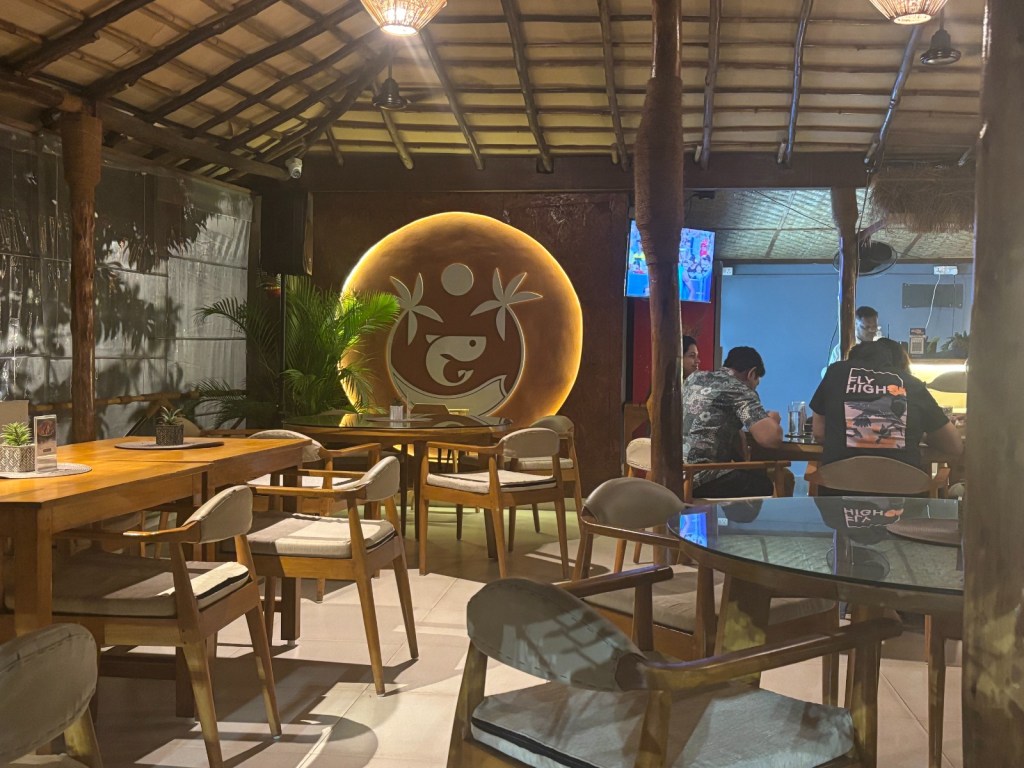
Cavatina, South Goa- Restaurant Review

If it looks Goan, feels Goan and tastes Goan…it must be Goan! This is as true as it gets in the case of Cavatina in South Goa.

Restaurants like Cavatina usually aim for decor that’s chic with all the customary Goan embellishments, avoiding anything too cozy or chintzy. They offer complex cocktails and run the risk of being labeled “upscale” by locals who might visit once and never return. Cavatina may have had its share of sceptical times in the past, but it’s clearly past that now, with its loyal and niche clientele dropping by quite frequently.

We visited on on a wet Saturday night, fully expecting to be among the only people there and instead found an almost booked-out restaurant.

Nestled in the serene environs of South Goa, Cavatina is more than just a restaurant; it’s a gastronomic haven where every meal is an ode to the rich culinary heritage of Goa. Under the expert guidance of Chef Avinash Martins, Cavatina has emerged as a beacon of culinary excellence, offering an experience that is both deeply rooted in Goan culture and refreshingly contemporary.

The menu at Cavatina is a carefully curated selection of dishes that showcase the best of Goan cuisine, reimagined with a modern twist. Each dish is crafted with meticulous attention to detail, using the freshest local ingredients and innovative techniques to elevate traditional flavors.

From the “Dakhti” (meaning small) plates section we chose the “Spanakopita.” A delightful twist on the classic Greek dish, this Spanakopita features red amaranth (thamdi bajji) and cashew butter encased in delicate phyllo sheets. The earthy notes of the red amaranth paired with the creamy cashew butter create a harmonious blend of flavors, with the crisp phyllo adding a perfect textural contrast. This dish is both familiar and innovative, showcasing Chef Martins’ ability to elevate traditional ingredients into gourmet masterpieces.

Spanakopita


Next we ordered, the “Nest in the Woods” a combination of Chicken Cafreal with Quail Eggs and Crispy Potatoes. A dish that embodies the vivacity of Goan culture, the Chicken Cafreal is a standout on the menu. Marinated in a medley of spices, the chicken is succulent and packed with flavor. The dish is presented with quail eggs perched delicately on a nest of crispy potatoes, adding layers of texture and taste. The richness of the quail eggs and the crispiness of the potatoes perfectly complement the robust flavors of the chicken. I’d like to get lost in these woods for sure.

There is a pride in this cooking, in each starter and even in each serving of pre-meal breads, while attentive staff keep a close eye nearby.

Writing about Goan food can sometimes feel like a waste of words, but the food is here outrageously good. Other dishes we’ve tried in the past are the Goan croquettes and the Chicken Xacuti. Every dish comes thoroughly decorated with the bells and whistles that nobody is accustomed to finding in your neighborhood Goan restaurant.

For mains, we chose from among the “Signature Main Courses” a sophisticated sounding “Asiette de Vaingon” translated as “Vegetable Garden”. The menu describes it as seasonal vegetables cooked three ways, red rice and rice pancakes.

My, oh my! As the Assiette de Vaingon arrives at the table, we were immediately struck by its stunning visual appeal. The plate is a vibrant tapestry of colors and textures. The Assiette de Vaingon at Cavatina is more than just a dish; it’s a tribute to the rich, diverse, and vibrant bounty of Goan gardens. Whether you’re a dedicated vegetarian or simply someone who appreciates the beauty of fresh, well-prepared produce, the Assiette de Vaingon is a must-try experience that will leave you with a newfound appreciation for humble vegetables.

One of the standout features of Cavatina is the personalized attention you receive. The staff takes a genuine interest in ensuring that your visit is memorable, often checking in discreetly to make sure everything is to your satisfaction.

The gentle hum of conversation and the clinking of glasses formed a symphony of contentment around me. I couldn’t help but overhear a steward at a nearby table passionately describing a traditional Goan dish. His eyes lit up as he spoke, his words painting a vivid picture of culinary delight.As I listened to his description, my attention was briefly diverted to talk about the Goan poder . The steward’s description of the poder, made me reminisce about the local breadmaker whose artistry and dedication were woven into the fabric of Goan life.

We skipped cocktails and dessert. So, I can’t wax eloquent about them this time.

As the evening wore on and the tales continued, I found myself smiling, lost in the charm of this moment. It was a reminder of the beauty in the ordinary and the magic in the mundane. Especially, when it is interwoven in the food.

And that, dear reader, is the true essence of Goa – a place where good food and shared memories can weave a tapestry of joy and connection.

Food doesn’t get much more personal than this and there is a pure No Reservations vibe to this little place. “You can’t be great at anything unless you love it,” said Chef Kate Armstrong in that film. In Cavatina’s case, I think this is a given.

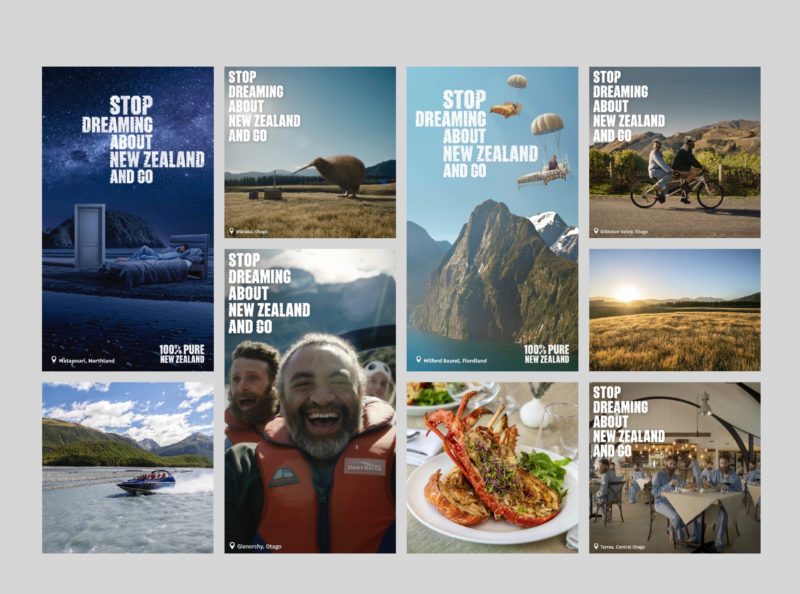
Best Indian Tourism Advertising Campaigns

Tourism in India has witnessed a dynamic evolution over the past few years, with state and national tourism boards launching innovative campaigns to attract travelers from across the globe. Each campaign, uniquely crafted, reflects the rich cultural heritage, natural beauty, and diverse experiences that India offers. From the whimsical charm of Madhya Pradesh’s “Dil Hua Bache Sa” to the royal allure of Rajasthan’s “Jaane kya Dikh Jaye,” these campaigns have not only boosted tourist footfall but also redefined the way the world perceives Indian destinations. This blog delves into some of the most successful tourism campaigns by Indian state and national tourism boards in the last five years, exploring the thought processes, creative executions, and impactful outcomes that have shaped the narrative of Indian tourism.

1. Dekho Apna Desh (National Tourism)

Introduction

Launched during the COVID-19 pandemic, the “Dekho Apna Desh” campaign by the Ministry of Tourism encouraged domestic tourism, promoting lesser-known destinations and the rich cultural heritage of India.

Thought Process and Concept

The campaign aimed to:

  • Boost Domestic Tourism: Encourage Indians to explore their own country.
  • Highlight Lesser-Known Destinations: Promote hidden gems and offbeat locations.
  • Virtual Engagement: Utilize digital platforms to reach and engage audiences during travel restrictions.

Execution of Creatives

  1. Print Ads:
    • Design and Imagery: Ads featured captivating images of hidden gems and lesser-known destinations across India.
    • Tagline and Copy: The tagline “Dekho Apna Desh” (Explore Your Own Country) was accompanied by enticing narratives that highlighted the unique aspects of various regions.
    • Strategic Placement: Ads were placed in national newspapers, regional publications, and travel magazines.
  2. Videos and TV Commercials:
    • Storytelling Approach: Videos showcased real stories of travelers exploring India’s hidden treasures, from rural villages to serene landscapes.
    • Visual and Emotional Impact: Beautiful cinematography and heartfelt narratives aimed to inspire viewers to discover the beauty of their own country.
    • Distribution Channels: Commercials aired on national TV channels, and videos were shared on social media platforms and YouTube.
  3. Social Media Campaigns:
    • Interactive Content: Social media posts, live sessions, and contests encouraged users to share their travel experiences with hashtags like #DekhoApnaDesh.
    • Influencer Collaborations: Influencers and travel bloggers were engaged to create content that highlighted offbeat destinations.
    • Engaging Posts: Posts included travel itineraries, destination guides, and cultural insights, designed to inspire domestic travel.

Impact and Success

The “Dekho Apna Desh” campaign successfully encouraged domestic travel, leading to increased exploration of lesser-known destinations. The campaign’s focus on virtual engagement and storytelling resonated with audiences, inspiring them to discover the diverse beauty of India.

2. Gujarat: Khushboo Gujarat Ki

Gujarat Tourism’s “Khushboo Gujarat Ki” campaign, featuring Bollywood superstar Amitabh Bachchan, aimed to showcase the state’s rich cultural heritage, historical landmarks, and vibrant festivals.

Thought Process and Concept

The campaign aimed to:

  • Leverage Star Power: Utilize Amitabh Bachchan’s popularity to attract tourists.
  • Highlight Cultural Richness: Promote Gujarat’s heritage, festivals, and natural beauty.
  • Digital and Traditional Media Integration: Reach a wide audience through a mix of digital and traditional media channels.

Execution of Creatives

  1. Print Ads:
    • Design and Imagery: Ads featured captivating images of Gujarat’s iconic sites, such as the Rann of Kutch, Gir National Park, and Somnath Temple.
    • Tagline and Copy: The tagline “Khushboo Gujarat Ki” (The Fragrance of Gujarat) was accompanied by engaging narratives highlighting the state’s unique attractions.
    • Strategic Placement: Ads were placed in national and regional newspapers, travel magazines, and on billboards in major cities.
  2. Videos and TV Commercials:
    • Storytelling Approach: Videos featured Amitabh Bachchan narrating his experiences of exploring Gujarat’s cultural and natural treasures.
    • Visual and Emotional Impact: High-quality cinematography captured the essence of Gujarat, while Bachchan’s narration added a personal and engaging touch.
    • Distribution Channels: Commercials aired on national TV channels, and videos were shared on social media platforms and YouTube.
  3. Social Media Campaigns:
    • Interactive Content: Social media posts, live sessions, and contests encouraged users to share their travel experiences with hashtags like #KhushbooGujaratKi.
    • Influencer Collaborations: Influencers and travel bloggers were engaged to create content showcasing their journeys through Gujarat.
    • Engaging Posts: Posts included destination highlights, travel tips, and cultural insights, designed to engage and inspire potential travelers.

Impact and Success

The “Khushboo Gujarat Ki” campaign successfully boosted Gujarat’s tourism industry, leading to increased tourist arrivals and heightened awareness of the state’s rich cultural heritage. The campaign’s effective use of Amitabh Bachchan’s star power and its integrated marketing strategy resonated with a wide audience, reinforcing Gujarat’s position as a must-visit destination.

3. Kerala: Human by Nature

Introduction

Kerala Tourism’s “Human by Nature” campaign aimed to promote the state’s unique cultural heritage, natural beauty, and warm hospitality, positioning Kerala as a destination where travelers can connect with nature and experience the local way of life.

Thought Process and Concept

The campaign aimed to:

  • Promote Authentic Experiences: Highlight Kerala’s unique cultural and natural attractions.
  • Emphasize Sustainability: Promote responsible and sustainable tourism practices.
  • Engage Digital Audience: Utilize digital platforms to reach a broader audience and engage potential travelers.

Execution of Creatives

  1. Print Ads:
    • Design and Imagery: Ads featured stunning visuals of Kerala’s backwaters, hill stations, and cultural festivals, emphasizing the state’s natural beauty and cultural richness.
    • Tagline and Copy: The tagline “Human by Nature” was complemented by engaging narratives that highlighted the unique experiences available in Kerala.
    • Strategic Placement: Ads were placed in national newspapers, travel magazines, and on billboards in major urban centers and airports.
  2. Videos and TV Commercials:
    • Storytelling Approach: Videos showcased the diverse experiences available in Kerala, from houseboat cruises and Ayurvedic retreats to wildlife safaris and cultural performances.
    • Visual and Emotional Impact: High-quality cinematography captured Kerala’s serene and picturesque landscapes, while soothing music and narration created an inviting and tranquil tone.
    • Distribution Channels: Commercials aired on national TV channels, and videos were shared on social media platforms and YouTube.
  3. Social Media Campaigns:
    • Interactive Content: Social media posts, live sessions, and contests encouraged users to share their travel experiences with hashtags like #HumanByNature.

Impact and Success

The “Human by Nature” campaign successfully positioned Kerala as a destination where travelers can connect with nature and experience the local way of life. The campaign’s focus on authenticity and sustainability resonated with a wide audience, leading to increased tourist footfall and heightened awareness of Kerala’s unique cultural and natural attractions.

4. Madhya Pradesh: Dil Hua Bachhe Sa

In a bid to rejuvenate tourism and evoke a sense of nostalgia and wonder, Madhya Pradesh Tourism launched the “Dil Hua Bachhe Sa” campaign. This innovative campaign aimed to rekindle the childlike excitement and curiosity in travelers, positioning Madhya Pradesh as a magical land where the wonders of the world are waiting to be rediscovered through the innocent eyes of a child. The campaign emphasized the state’s diverse attractions, from its rich wildlife and ancient heritage sites to its vibrant culture and scenic beauty, inviting tourists to explore and experience the state with a fresh perspective.

Thought Process and Concept

The core idea behind “Dil Hua Bachhe Sa” was to tap into the universal sentiment of childlike wonder and curiosity. The campaign sought to:

  1. Evoke Nostalgia: Remind adults of the joy and excitement they felt as children discovering new places and experiences.
  2. Promote Diverse Attractions: Showcase the variety of experiences Madhya Pradesh offers, appealing to a wide range of interests and ages.
  3. Engage Emotionally: Create an emotional connection with potential tourists by highlighting the simple joys and adventures that Madhya Pradesh can offer.
  4. Encourage Family Travel: Position Madhya Pradesh as an ideal destination for family vacations, where both children and adults can find delight in exploration and discovery.

Execution of Creatives

  1. Print Ads:
    • Design and Imagery: The print ads featured vibrant and whimsical illustrations of Madhya Pradesh’s attractions, depicted through the lens of a child’s imagination. This included playful renditions of iconic sites like Khajuraho temples, Bandhavgarh National Park, and Sanchi Stupa.
    • Tagline and Copy: The tagline “Dil Hua Bachhe Sa” (Heart Became Childlike) was prominently displayed, accompanied by short, engaging narratives that highlighted the magical and adventurous aspects of each attraction.
    • Strategic Placement: Ads were strategically placed in leading newspapers, travel magazines, and family-oriented publications to reach a broad audience.
  2. Videos and TV Commercials:
    • Storytelling Approach: The commercials featured the toys of Madhya Pradesh enumerating the various attractions of Madhya Pradesh.
    • Visual and Emotional Impact: High-quality graphics and child-like visuals captured the freshness of Madhya Pradesh. The commercials used uplifting music and playful narration to evoke a sense of joy and adventure.
    • Distribution Channels: Commercials were aired on national and regional TV channels, and videos were extensively promoted on social media platforms and YouTube.
  3. Social Media Campaigns:
    • Interactive Content: The social media strategy included interactive posts, photo contests, and storytelling sessions encouraging users to share their own travel experiences in Madhya Pradesh. Hashtags like #DilHuaBachheSa and #DiscoverMP were used to create a buzz and encourage user-generated content.

Impact and Success

The “Dil Hua Bachhe Sa” campaign successfully resonated with a wide audience, rekindling the sense of wonder and curiosity in travelers. The campaign’s playful and emotional appeal led to a significant increase in tourist arrivals, particularly among families. The strategic use of multimedia platforms and engaging content helped create a strong, memorable brand image for Madhya Pradesh as a destination full of magical experiences and adventures. This campaign not only boosted tourism numbers but also reinforced Madhya Pradesh’s position as a diverse and enchanting travel destination, encouraging visitors to explore and experience the state with a childlike sense of wonder.

5. Rajasthan Tourism – Jaane kya Dikh Jaye

Rajasthan Tourism’s campaign, Jaane kya Dikh Jaye, was a unique campaign that showcased the state’s beauty, culture, and heritage through the perspective of fictional characters representing the modern traveler. This campaign aimed to create a personal and immersive experience, inviting tourists to see and feel Rajasthan through their own eyes, with wonder and excitement.

Thought Process and Concept

The thought process behind the “Jaane Kya Dikh Jaye” campaign is to evoke curiosity and a sense of discovery and to enable viewers to discover Rajasthan through their own eyes. For eg. “Aryasthan- Rajasthan through the eyes of Arya”. Rajasthan is a state where every corner has a story, and every journey can lead to an unexpected, magical experience. The campaign concept revolved around:

  • Curiosity and Discovery: Encouraging travelers to explore with an open heart and mind, ready to be amazed by the unforeseen beauty and cultural richness.
  • Personal and Unique Experiences: Showcasing video stories of fictional travelers who have encountered the unexpected charm of Rajasthan.
  • Impact & Success of the Campaign :
  • The “Jaane Kya Dikh Jaye” campaign successfully positioned Rajasthan as a land of endless surprises and hidden gems, significantly boosting tourist interest and engagement. The campaign’s innovative approach, focusing on curiosity and discovery, resonated well with the audience, leading to increased visits, high social media engagement, extensive media coverage, and enhanced brand recognition. Rajasthan Tourism’s efforts to create a memorable and engaging campaign have not only attracted more tourists but also solidified Rajasthan’s reputation as a must-visit destination.
  • 6. Incredible India 2.0
  • Thought Process Behind the Campaign
    Rebranding with a Modern Touch:
    The “Incredible India 2.0” campaign was launched with the goal of rebranding India as a vibrant, diverse, and dynamic destination, appealing to modern travelers. The original “Incredible India” campaign, launched in 2002, was highly successful, but it was time to refresh the brand to keep up with changing travel trends and expectations.
  • The 2.0 version aimed to present India not just as a destination of historical and cultural significance but as a country that offers a diverse range of contemporary and unique experiences.
  • Focus on Niche Segments: Recognizing that today’s travelers seek personalized and niche experiences, the campaign highlighted various thematic experiences under different categories:
  • Adventure Tourism: Promoting activities like trekking in the Himalayas, scuba diving in the Andaman Islands, and desert safaris in Rajasthan.
  • Cultural Tourism: Showcasing India’s rich heritage through festivals, classical dance forms, and ancient temples.
  • Wellness Tourism: Emphasizing yoga, Ayurveda, and holistic healing retreats.
  • Luxury Tourism: Highlighting luxury train journeys, heritage hotels, and high-end experiences.
  • Wildlife Tourism: Featuring national parks, wildlife sanctuaries, and eco-tourism initiatives.
  • Impact of the Campaign : By focusing on thematic and niche segments, the campaign helped improve the overall visitor experience. Travelers could easily find information and plan trips that matched their interests, leading to higher satisfaction and positive word-of-mouth promotion.

7. Assam – Awesome Assam

Thought Process

Highlighting Unique Offerings: The “Awesome Assam” campaign was designed to showcase the diverse attractions and cultural richness of Assam. The thought process behind the campaign included:

  • Highlighting Assam’s tea gardens, wildlife sanctuaries, cultural heritage, and vibrant festivals.
  • Emphasizing the state’s unique blend of natural beauty, hospitality, and traditional charm.
  • Celebrity Endorsement: The campaign gained significant traction with the appointment of Bollywood actress Priyanka Chopra as the brand ambassador. Her association added star power and helped in reaching a wider audience globally.

Impact :

The campaign helped in enhancing Assam’s brand image as a vibrant and welcoming tourist destination. It showcased the state’s potential beyond tea tourism, highlighting its rich cultural heritage, wildlife, and scenic landscapes.

8. West Bengal – The Sweetest Part of India

Thought Process

Celebrating Bengali Culture: The “Sweetest Part of India” campaign aimed to celebrate the rich cultural heritage of West Bengal, known for its art, literature, music, dance, and of course, its delectable sweets.

Focus on Festivals and Traditions: The campaign highlighted major festivals like Durga Puja, Kolkata International Film Festival, and Poush Mela, showcasing the state’s vibrant cultural calendar.

Culinary Delights: Emphasizing on Bengal’s culinary delights, especially its famous sweets like Rasgulla, Sandesh, and Mishti Doi, to attract food enthusiasts and showcase Bengal’s gastronomic heritage.

Brand Ambassador : Shah Rukh Khan, the popular Indian Bollywood star, largely led to the success of the campaign.

Creative Execution :

Crafted by the renowned advertising agency Ogilvy and Mather, the campaign video provides a captivating glimpse into the rich tapestry of art, culture, architecture, and culinary delights that Bengal’s cities have to offer.

Published on Bengal Tourism’s official Facebook page, the video positioned Bengal as India’s “sweetest” state and had garnered plenty of views.

Spanning over three minutes, the digital narrative followed the journey of a young foreign woman who, while visiting for a wedding, embarks on a journey of exploration across the state, uncovering its hidden gems and vibrant experiences along the way.

Impact :

The campaign attracted a higher number of tourists to West Bengal, drawn by its rich cultural heritage, culinary delights, and vibrant festivals. Tourists from across India and abroad flocked to experience the grandeur of Durga Puja, explore the historical landmarks, indulge in Bengali cuisine, and immerse themselves in the state’s cultural tapestry.

The success stories of these tourism campaigns underscore the power of innovative marketing and strategic creativity in transforming the tourism landscape. By leveraging authentic storytelling, high-quality visuals, and engaging digital strategies, states like Madhya Pradesh, Goa, Gujarat, Kerala, and Rajasthan have not only attracted millions of tourists but also fostered a deeper connection between travelers and the unique cultural and natural treasures of India. As these campaigns continue to evolve and inspire, they set a benchmark for future tourism initiatives, proving that with the right blend of creativity and strategy, any destination can capture the hearts and imaginations of travelers worldwide. The journey of exploring India’s diverse offerings is ever-evolving, promising new adventures and unforgettable experiences for every traveler.

10 best AI powered Presentation Tools in 2024

In today’s fast-paced digital world, creating captivating presentations is crucial for effectively communicating ideas and engaging audiences. Traditional tools often fall short in delivering the dynamism and interactivity modern presentations require.

Enter AI-powered presentation tools—an innovative solution that leverages artificial intelligence to enhance design, streamline content creation, and provide real-time collaboration.

Whether you’re pitching to investors, educating students, or delivering a keynote, these AI tools can transform your presentations from mundane to mesmerizing.

In this blog post, we explore ten of the best AI tools for presentations, detailing their unique features, advantages, and potential drawbacks, to help you choose the right one for your needs.

  1. Beautiful.ai
  • Descriptor: Beautiful.ai offers AI-driven design templates and automatic formatting to help users create professional presentations effortlessly.
  • Pros:
    • User-friendly interface.
    • Automatic design suggestions.
    • Quick creation of visually appealing slides.
  • Cons:
    • Limited customization compared to some other tools.
    • Fewer template options for niche presentations.

2. Canva

  • Descriptor: Canva provides a drag-and-drop interface with AI-powered design suggestions and a vast library of templates and graphics.
  • Pros:
    • Extensive customization options.
    • Easy to use with a wide range of design elements.
    • Good for various types of visual content beyond presentations.
  • Cons:
    • Can be overwhelming for beginners due to the number of features.
    • Some advanced features require a paid subscription.
  • 3. Microsoft PowerPoint Designer
    Descriptor: PowerPoint Designer uses AI to provide design suggestions and smart slide layouts, enhancing traditional PowerPoint presentations.
  • Pros:Seamless integration with Microsoft Office.
    Familiar interface for existing PowerPoint users.
    Real-time collaboration features.
  • Cons:Requires a Microsoft 365 subscription for full features.
    Some users may find the AI suggestions repetitive.
  • 4. Google Slides with Explore
    Descriptor: Google Slides’ Explore feature offers AI-driven design and layout suggestions and integrates seamlessly with Google Workspace.
  • Pros:
  • Excellent for collaboration with real-time updates.
  • Accessible from any device with internet access.
  • Integration with other Google Workspace tools.
  • Cons:
  • Limited offline functionality.
  • Fewer advanced design features compared to some other tools.

  • 5.Zoho Show
  • Descriptor:
  • Zoho Show provides AI-powered design assistance, collaborative tools, and customizable templates for team-based presentation projects.
  • Pros:
  • Strong collaboration features.
  • Integration with Zoho’s suite of applications.
  • Customizable templates and design options.
  • Cons:
  • Interface can be less intuitive than some competitors.
  • Occasional performance issues with large files.

  • 6. Slidebean
    Descriptor: Slidebean uses AI to arrange content and design professional templates, ideal for startups and businesses needing investor or sales presentations.
  • Pros:
  • Automated design and content arrangement.
  • Professional-looking results with minimal effort.
  • Good for business-focused presentations.
  • Cons:
  • Limited customization options.
  • Higher cost compared to some other tools.
  • 7. Visme
  • Descriptor:
  • Visme offers AI-driven design tools, interactive elements, templates, and infographics for creating engaging, multimedia-rich presentations.
  • Pros:
  • Versatile for creating various types of visual content.
  • Interactive elements to enhance presentations.
  • Extensive library of templates and graphics.
  • Cons:
  • Steeper learning curve for beginners.
  • Some advanced features are behind a paywall.
  • 8. Pitch
  • Descriptor: Pitch provides AI-powered content suggestions, a collaborative workspace, and customizable templates, ideal for team-based projects.
  • Pros:
  • Strong collaboration and team management features.
  • Customizable and modern templates.
  • Integration with other productivity tools.
  • Cons:
  • Limited offline capabilities.
    Relatively new, so may have occasional bugs or missing features.
  • 9. Prezi
  • Descriptor: Prezi uses AI to create non-linear presentations with a zoomable interface, making content dynamic and engaging.
  • Pros:
  • Unique, visually engaging presentation style.
  • Great for storytelling and keeping audience attention.
  • Offers a new way to present information.
  • Cons:
  • Steeper learning curve.
  • May not be suitable for all presentation types.
  • Higher cost for advanced features.

  • 10.Kroma.ai
    Descriptor
    : Kroma.ai offers AI-driven design templates, real-time analytics, and smart recommendations for creating impactful presentations.
  • Pros:
  • Data-driven insights and design improvements.
  • Professional-grade templates.
  • Real-time analytics to track presentation performance.
  • Cons:
  • Higher learning curve for leveraging all features.
  • Premium pricing for advanced capabilities.
  • Limited customization compared to other tools.
  • These tools vary in their capabilities and are suited to different types of users, from beginners needing simplicity to professionals requiring advanced features.

Choosing the right AI-powered presentation tool can make a significant difference in the effectiveness and impact of your presentations.

From the automatic design suggestions of Beautiful.ai to the interactive and dynamic capabilities of Prezi, each tool offers unique benefits tailored to various presentation needs.

While some tools excel in collaboration and real-time updates, others provide advanced design features and professional templates.

By leveraging these AI tools, you can enhance your presentations, save time, and ensure that your audience remains engaged and impressed. Embrace the power of AI in your presentation creation process and experience the difference it makes in delivering compelling, visually stunning, and impactful presentations.